












Hyped as the next superfood, bovine colostrum has health influencers abuzz—but can a baby calf’s first milk transform human health? With grand claims of accelerated recovery, enhanced immunity, and even anti-aging benefits, this dairy-derived supplement is gaining popularity rapidly among supplement users.
But before you pour it into your smoothie or layer it onto your protein shake, it’s worth asking: Is bovine colostrum scientifically proven—or are we falling for fancy marketing?
In this article, we will explore bovine colostrum, its potential health benefits, and the scientific evidence supporting these claims. We will also see if this natural supplement is worth adding to your regimen.
What Is Bovine Colostrum?

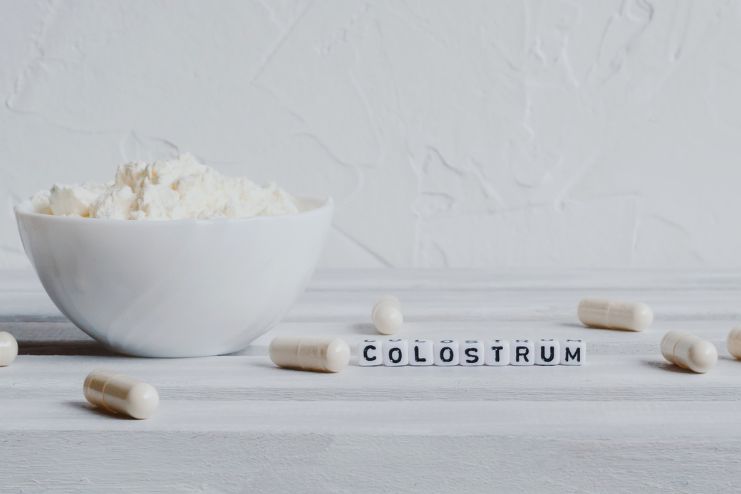
Bovine colostrum is the first form of milk produced by cows within 24–48 hours after giving birth. In contrast to regular milk, it’s rich in bioactive molecules important for new calf growth—and perhaps also human well-being. Its rich nutrient composition comprises:
- Immunoglobulins (particularly IgG)
- Growth factors such as IGF-1 and TGF-β
- Lactoferrin, antimicrobial peptides
- Amino acids, vitamins, and enzymes
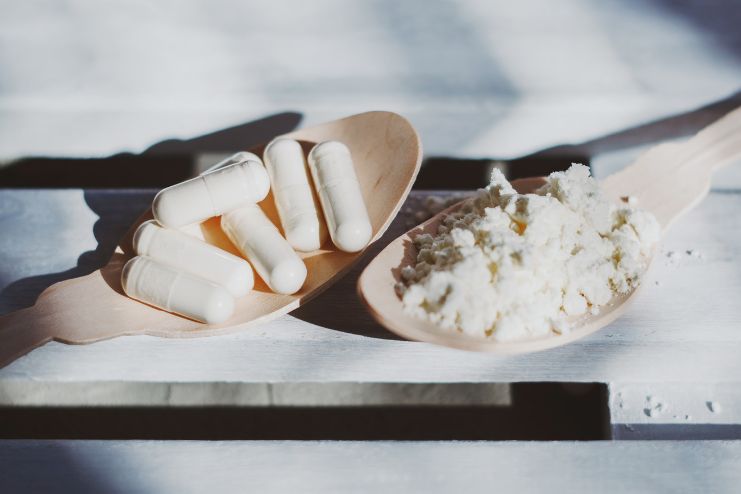
Historically utilized in Ayurvedic and holistic medicine, bovine colostrum is now available in powder, capsule, or liquid supplement form for human consumption. Sourced from dairy cows, it’s typically collected after the calf receives its required share, making it a dairy-derived superfood that appeals to a niche but growing audience.
Claimed Health Benefits of Bovine Colostrum

Here are a few claimed health benefits of bovine colostrum:
- Gut Health & Leaky Gut Repair:
The most popular advantage of bovine colostrum is that it maintains the strength of the intestinal lining. Its compounds restore the tight junctions of the gut, providing relief to individuals suffering from leaky gut syndrome, IBS, or recurrent gastrointestinal upset.
A study published in Nutrients presented a clinical review that found supplementation with colostrum showed promise in enhancing gut barrier function and reducing inflammatory markers in patients with gastrointestinal disorders.
- Immune System Support:
Colostrum is rich in immune-boosting agents, such as IgG antibodies and lactoferrin, which help neutralize harmful pathogens. Other research suggests that the repeated use of colostrum can prevent upper respiratory infections and enhance immune resistance, particularly in athletes or individuals who experience chronic stress.
- Muscle Recovery & Athletic Performance:
Because of its IGF-1 composition, colostrum is also marketed as a natural supplement for performance and recovery. Certain studies indicate that it may reduce inflammation and muscle damage following exercise, which is why it is attractive to athletes and bodybuilders.
However, a ZOE report warns that although studies are favorable, the gains in endurance and performance are typically minor and population-specific.
- Anti-Aging & Skin Health:
Bovine colostrum’s growth factors and cytokines can help promote collagen formation and tissue repair, leading to improved skin elasticity and slower aging. Although the anti-inflammatory benefits are genuine, human trials for anti-aging benefits are still in their early stages.
What the Science Says
Despite its growing popularity, many health claims remain ahead of the evidence. Here’s what recent research tells us:
A 2021 review in Frontiers in Nutrition concluded that bovine colostrum improves intestinal barrier function, supports gut immune defense, and may reduce GI infections.
A randomized study in Nutrients found that colostrum supplementation reduced gut permeability and inflammation in athletes.
There is moderate evidence to suggest that athletic recovery and a reduced incidence of upper respiratory infections may be beneficial, particularly for individuals under intense physical or mental stress.
Scientists agree that more large-scale, long-term studies are needed before making sweeping claims about the effects of colostrum on the general population.
Read More: Gut Health Hacks: The Best Morning Foods to Kickstart Digestion
Who Might Benefit from Bovine Colostrum?
Although bovine colostrum is not suitable for everyone, certain individuals may find its unique blend of growth factors, antibodies, and nutrients particularly beneficial when standard approaches fail to yield results.
Potentially Beneficial For:
People with Digestive Disorders (IBS, IBD, Leaky Gut):
Bovine colostrum’s function in fortifying the gut lining and reducing inflammation makes it highly promising for individuals with intestinal permeability (also known as “leaky gut”). Research suggests that bovine colostrum regenerates mucosal tissue and regulates the immune response in patients with Crohn’s disease and ulcerative colitis. It’s often considered an adjunct therapy alongside dietary and lifestyle changes.
Frequent Travelers or Those with Chronic Infections:
Because colostrum naturally contains immunoglobulins (particularly IgG) and antimicrobial peptides, it has the potential to provide immune protection in high-exposure settings. Regular use may reduce the frequency of illness in patients prone to sinus infections, colds, or seasonal flus.
Athletes and Physically Active Individuals:
Colostrum may decrease exercise-induced gut permeability in high-intensity trainees, promote muscle repair after exercise, and even enhance immune protection during intense training blocks. Studies on endurance athletes indicate that it could reduce the incidence of upper respiratory tract infections during competition periods.
People Recovering from Surgery or Illness:
If you’re recovering from an illness or surgery, Colostrum contains special proteins and growth factors that may help your body repair tissues more quickly, absorb nutrients more effectively, and restore a healthy gut after antibiotics, infections, or major health setbacks. Think of it like giving your system a gentle push to bounce back stronger.
People Who Fall Sick Often:
If you get frequent colds, flu, or infections, colostrum’s natural antibodies (like IgG) may help your immune system fight germs more effectively. Colostrum serves as an additional layer of defense during flu season, travel, or times of stress.
People With Gut Issues (Leaky Gut, IBS, or IBD):
Colostrum supports the gut lining and helps reduce inflammation. It may ease symptoms of irritable bowel syndrome (IBS), inflammatory bowel disease (IBD), and leaky gut. It also encourages a healthy balance of gut bacteria.
Older Adults Concerned with Immunity or Muscle Loss:
As we age, immunity declines, and muscle loss increases. Early research suggests that colostrum may help strengthen the immune response and slow down age-related muscle loss, particularly when combined with resistance training and a balanced diet.
Read More: SIBO vs. IBS: Understanding the Differences and How to Manage Them
Who Should Avoid Bovine Colostrum?

Vegans and Strict Vegetarians:
Colostrum is an animal-derived product, although it’s harvested without harming the calf. It’s not compatible with vegan or vegetarian diets.
Individuals with Dairy Allergies or Severe Lactose Intolerance:
Colostrum contains minute quantities of milk proteins, such as casein and whey. Individuals with dairy allergies must steer clear of it. Individuals with lactose intolerance can manage their condition more effectively by starting with a small dose and monitoring their reaction.
Autoimmune Patients (without professional supervision):
Since colostrum impacts the immune system, it could be unsafe for individuals with autoimmune diseases like lupus, rheumatoid arthritis, or Hashimoto’s. Colostrum can either help or harm, depending on the individual. Always consult your physician before using it.
Pregnant or Breastfeeding Women:
Insufficient research exists on the safety of using colostrum supplements while pregnant or lactating. Although it is a natural substance, it is advisable to steer clear unless a medical practitioner advises its use.
Side Effects, Safety & How to Use It Smartly
Colostrum is generally safe for healthy adults when used appropriately, but it’s still worth learning about potential risks and how to use it correctly.
Potential Side Effects:
- Digestive Upset: Some individuals become bloated, gassy, or develop cramps when they first begin taking colostrum, particularly in high doses. Gradual introduction is helpful.
- Allergic Reactions: People sensitive to dairy proteins may notice rashes, nasal congestion, or itching.
- Hormone Concerns (Rare): Colostrum contains traces of IGF-1, a growth-related compound. At high doses, it can influence hormone-sensitive conditions, although this risk is low for most consumers.
Suggested Dosage & How to Take It
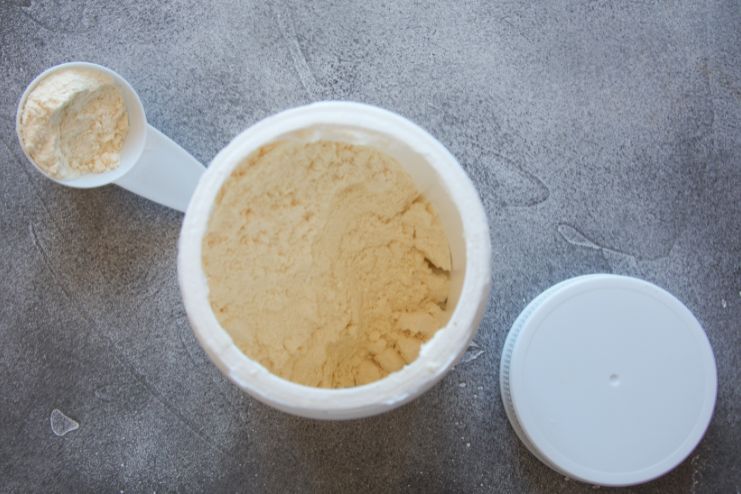
General dose:
- For wellness: 500–1,000 mg per day
- For gut or immune support: 1,500–2,000 mg per day, in two doses
- For athletes (under supervision): Up to 10–20 grams per day used in some studies
Best practices:
- Take it on an empty stomach, about 30 minutes before food.
- Powders can be added to warm water, not hot water.
- Capsules are easy for travel or daily use.
Choose a high-quality product that is:
- From grass-fed cows raised without hormones or antibiotics
- Processed at low temperatures to protect delicate compounds
- Tested by third parties for purity and potency
- Made from early-harvest colostrum (within 24 hours of calving)
- Non-GMO and clearly labeled
Is Bovine Colostrum Worth the Hype?
Some online claims about colostrum are exaggerated—it won’t reverse aging or cure every health issue. But it does have real benefits, especially for gut and immune health.
What the Evidence Supports:
- Supports immune function and possibly decreases infections
- Strengthening the lining of the gut, particularly in individuals with gastrointestinal issues
- Enhances recovery from exercise, particularly in athletes
Initial research also investigates effects on skin, allergies, and aging, but additional studies are required
Colostrum is not a miracle product, yet it is a valuable supplement for particular requirements, especially when used for 4–8 weeks for a specific purpose.
Bottom Line:

Bovine colostrum has gained popularity in the health community—not as a magic bullet, but as a beneficial supplement for gut health, immunity, and recovery. Although the hype may be a little over the top, good research supports its benefits. It contains growth factors, antibodies, and nutrients, benefiting individuals with digestive problems, recurring infections, or muscle loss due to intense workouts or aging. It’s not magic, but it’s worth a shot if you require additional support.
Colostrum is not for everyone. If you are vegan, milk-allergic, or have an autoimmune disease, proceed with caution. As with any supplement, the quality matters—opt for one from grass-fed cows, harvested shortly after calving, and purity-tested. Curious to experience the benefits for yourself? Choose wisely, stick with it, and make it a part of your wellness routine today. Sometimes, the simplest additions can make the biggest difference.
Skip the hype—track your progress and see if it gives you the edge you’ve sought.
References
- https://www.sciencedirect.com/science/article/pii/S2352364621000249
- https://zoe.com/learn/bovine-colostrum-facts-myths
- https://www.ncbi.nlm.nih.gov/pmc/articles/PMC8308243
- https://www.sciencedirect.com/science/article/pii/S2352364621000249
- https://zoe.com/learn/bovine-colostrum-facts-myths
- https://pmc.ncbi.nlm.nih.gov/articles/PMC8402036
- https://www.sciencedirect.com/science/article/abs/pii/S088915911300531X
- https://www.sciencedirect.com/science/article/pii/S2352364621000249
In this Article