














Stand in front of the mirror at 8 a.m. and your stomach looks flat. By 8 p.m., it’s as if you’ve smuggled a balloon under your shirt. Most people call this “weight gain,” but in many cases, it’s actually bloating, a temporary swelling caused by trapped gas or water retention.
Other times, though, that round belly is belly fat, an accumulation of adipose tissue that won’t disappear overnight, no matter what you eat for dinner. The confusion between the two is not just about vanity; it matters for your health. Bloating can signal digestive sensitivity, food intolerance, or hormonal fluctuations. Belly fat, particularly visceral fat stored around the organs, is tied to increased risks of heart disease, type 2 diabetes, and metabolic syndrome.
The good news? You can usually tell the difference in minutes, without medical equipment, just by knowing what signs to look for and running a few simple checks.
In this guide, we’ll break down:
- What bloating actually is, and what it isn’t.
- How belly fat forms and why it sticks around.
- The fastest way to tell which one you’re dealing with.
- Step-by-step action plans to deflate bloat or shed fat effectively.
- When to stop guessing and see a doctor.
By the end, you’ll not only be able to tell them apart, you’ll know exactly what to do next.
What Is Bloating?

Bloating isn’t just “feeling full.” It’s that uncomfortable, sometimes frustrating swelling of your midsection that can make your clothes feel tighter and your belly look noticeably bigger. The key difference from weight gain is speed; bloating can appear within minutes to hours and fade just as quickly.
Main Causes of Distension
- Gas accumulation: Can result from swallowed air, bacterial fermentation of certain foods, or slower gas movement through the gut.
- Fluid retention: Often linked to dietary sodium, hormonal changes, or inflammation.
- Slowed digestion: Food and gas can back up, making the belly feel heavy and tight.
Even small amounts of extra gas, just 100–200 mL, can make your stomach protrude. While people often assume bloating comes from excess gas, experts explain that it’s frequently due to how the abdominal wall and diaphragm respond. In many cases, muscles actually relax, rather than tighten, leading to outward distension even without increased gas volume.
Common Triggers
Bloating rarely happens without a cause. Certain foods, habits, and hormonal shifts can make it more likely to strike. Here are some of the most common culprits:
- High-FODMAP foods: Onions, garlic, beans, apples, fermented by gut bacteria, producing gas (especially in IBS).
- Carbonated beverages: Soda, sparkling water, and beer add extra gas to the digestive system.
- High-sodium meals: Processed snacks, fast food, and restaurant dishes can cause your body to hold onto water.
- Menstrual cycle changes: Rising progesterone in the luteal phase can slow digestion and increase fluid retention.
- Food intolerances: Lactose, gluten, or sweeteners like sorbitol can cause significant discomfort in sensitive people.
- Poor eating habits: Eating too fast, talking while eating, or chewing gum increases swallowed air (aerophagia).
Read More: 5 Vegetables That May Worsen Bloating (And What to Eat Instead)
How Long Does Bloating Last
The duration of bloating depends on the cause. Knowing the timeline can help you figure out whether it’s something temporary or a sign of a deeper issue.
- Short-term bloating: Usually resolves within hours once digestion moves along or gas is released.
- Hormonal bloating: Often lingers for 3–7 days during certain menstrual phases.
- Persistent bloating: Lasting over one to two weeks may point to an underlying gastrointestinal disorder that needs medical attention.
What Is Belly Fat?
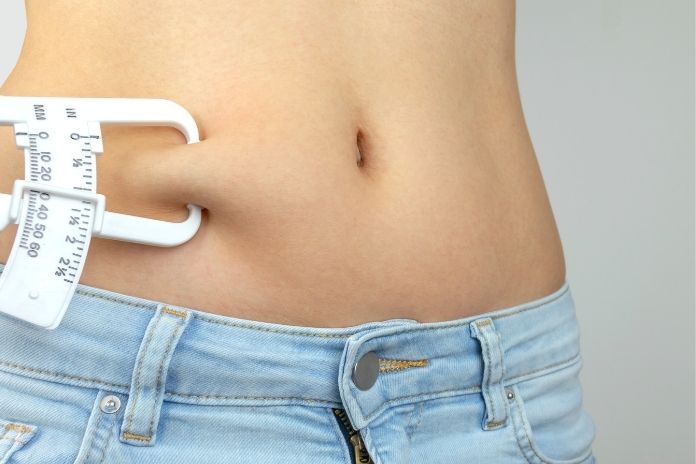
Belly fat is the adipose (fat) tissue stored around your abdomen. Unlike bloating, which appears and disappears within hours, belly fat is stubborn. It changes only with consistent adjustments to your diet, activity, and metabolism over weeks or months.
Not all belly fat is the same. Some types are mostly a cosmetic concern, while others silently increase the risk of serious diseases.
Types of Belly Fat
Belly fat falls into two main categories, and the difference between them is more than skin deep.
1. Subcutaneous Fat
- Found just beneath the skin.
- Soft and pinchable, what you feel in a “muffin top” or love handles.
- Less metabolically active than visceral fat, but excess amounts can still contribute to inflammation.
Main risk: Mostly cosmetic, though linked to overall overweight status.
2. Visceral Fat
- Stored deep inside the abdominal cavity, wrapping around organs like the liver, pancreas, and intestines.
- Feels firm because it’s packed beneath muscle layers, not from gas or bloating.
- Highly metabolically active, releasing inflammatory molecules and hormones that impair insulin sensitivity.
Main risk: Strongly linked to heart disease, type 2 diabetes, stroke, and certain cancers.
“Visceral fat often flies under the radar; scale weight may not change much, but even modest increases can trigger serious metabolic disruptions.” – Dr. Caroline Apovian’s explanation of how adipose tissue shifts from protective to harmful with disease progression
How Belly Fat Develops
Belly fat doesn’t appear overnight; it’s the result of a mix of calorie surplus, hormonal shifts, and lifestyle habits.
- Excess calorie intake: Eating more than your body burns promotes fat storage, with genetics influencing where it ends up.
- Sedentary lifestyle: Low activity reduces muscle mass and metabolism, making fat gain easier.
- Hormonal changes:
- High cortisol (stress hormone) promotes central fat storage.
- Menopause shifts fat from the hips/thighs to the belly due to lower estrogen.
- Low testosterone in men increases abdominal fat storage.
- Poor sleep: Disrupts hunger hormones, increasing appetite and fat accumulation.
- Age: Muscle loss with age lowers daily calorie burn, making belly fat more likely.
Health Risks
Excess belly fat, especially visceral fat, raises the risk of:
- Insulin resistance and type 2 diabetes.
- High blood pressure and cardiovascular disease.
- Non-alcoholic fatty liver disease (NAFLD).
- Increased all-cause mortality.
- Chronic inflammation from cytokine release.
A study published in 2020 in the Journal of the American Heart Association highlights that among Mexican Americans, even when individuals fall within a healthy BMI range, increased visceral fat (measured via DXA scans) was associated with early arterial plaque buildup, an early marker of heart disease.
Read More: Belly Fat Affects Your Immune System, New Study Suggests
Quick Comparison Table
 Expert tip: “Fat doesn’t change unless you lose weight,” according to gastroenterologist Dr. Mark Pimentel, M.D., Executive Director of the MAST Program at Cedars‑Sinai Medical Center. – AARP: “Belly Fat or Bloating? How to Tell the Difference
Quick At-Home Checks
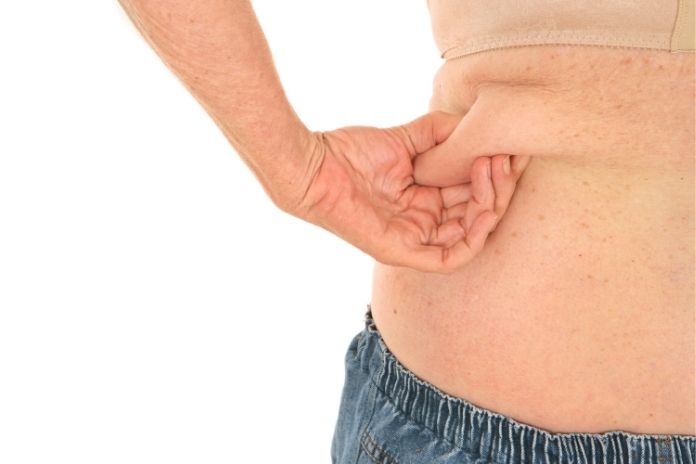
You don’t need fancy lab tests to figure out whether you’re dealing with bloating or belly fat. While medical imaging, like an abdominal ultrasound or DEXA scan, can confirm visceral fat, most people can get a pretty accurate answer with a few simple checks at home.
1. Morning vs. Evening Stomach Size
Your belly’s daily rhythm is one of the easiest clues.
How to do it
- Stand in front of a mirror as soon as you wake up and note your abdominal shape.
- Repeat before bed.
What to look for
- Bloating: Belly noticeably larger in the evening, often after meals.
- Belly Fat: Shape and size stay the same throughout the day.
Example: Flat stomach in the morning, but by 9 p.m., your waist looks a few inches wider? That’s almost always bloating; fat doesn’t appear in hours.
2. The Press Test
A gentle press can reveal what’s going on beneath the surface.
How to do it
- While standing, press your palm onto the front of your abdomen.
What to feel for
- Bloating: Tight or hard, sometimes mildly uncomfortable from internal pressure.
- Belly Fat: Soft and compressible; folds easily under your hand.
Tip: If firmness is deep under the muscle and not surface-level, it could be visceral fat, not bloating.
3. The Pinch Test
A quick way to gauge whether there’s stored fat just under your skin.
How to do it
- Stand upright, relax your abs, and pinch the skin and tissue around your waist.
What to look for
- Bloating: Very little to pinch, skin feels stretched over a firm surface.
- Belly Fat: You can grab at least half an inch of tissue (subcutaneous fat).
4. Clothing Fit Test
Your waistband can be surprisingly honest.
How to do it
- Pay attention to how pants or skirts fit at different times of the day.
What it reveals
- Bloating: Tighter after meals or in the evening, but comfortable in the morning.
- Belly Fat: Consistent tightness all day, every day.
5. Relief Response Check
See how your body responds to simple actions.
How to do it
- Try walking, passing gas, or having a bowel movement.
What it reveals
- Bloating: Pressure or size decreases within hours.
- Belly Fat: No immediate change, fat loss takes weeks, not minutes.
Expert insight: “Bloating is the transitory sensation of stretching within the GI tract that can be variable throughout the day… Fat will largely stay the same throughout the day and will only change slowly over time.” – Dr. Bryan Curtin, Board‑Certified Gastroenterologist and Director of the Center for Neurogastroenterology and GI Motility at Mercy.
When to Seek Medical Advice
Most bloating is harmless and short-lived, but ongoing or severe symptoms can signal something serious. Belly fat is usually a lifestyle issue, but sudden or unexplained increases may point to hormonal or metabolic problems.
For Bloating, see a doctor if you have:
- Bloating that lasts more than 1–2 weeks despite diet changes.
- Severe pain or cramping.
- Rapid abdominal enlargement without a clear cause.
- Blood in stool, unexplained weight loss, persistent vomiting, fever, or bowel habit changes.
Possible causes: IBS, IBD, celiac disease, ovarian cancer, and ascites from liver disease.
For Belly Fat, get checked if you:
- Have a waist size over 40 in (men) or 35 in (women).
- Gain belly fat quickly without diet/activity changes.
- Have fatigue, excessive thirst, frequent urination, or a strong family history of metabolic disease.
Possible causes: Hypothyroidism, Cushing’s syndrome, PCOS, menopause/andropause changes, chronic stress, and poor sleep.
Why It Matters
- Persistent bloating may indicate serious digestive or systemic illness.
- Reducing excess belly fat early can cut your risk of heart disease, stroke, and diabetes.
What to Do If It’s Bloating
If you’ve determined your rounder belly is due to bloating, the good news is it’s often reversible within hours or days, sometimes in a matter of minutes, once you remove the trigger. The key is identifying and addressing the root cause.
Step 1: Identify Your Trigger
Keep a food and symptom diary for 5–7 days. Record:
- What you ate and drank.
- The time of each meal/snack.
- When bloating started and ended.
- Any other symptoms (gas, cramps, bowel changes).
Common culprits:
- High-FODMAP foods(beans, lentils, onions, garlic, apples, wheat)
- Carbonated drinks(soda, sparkling water, beer)
- Dairy products(milk, cream, ice cream) for lactose-intolerant individuals
- Gluten-containing foods can trigger symptoms in individuals having celiac disease or those with non-celiac gluten sensitivity
- Artificial sweeteners (sorbitol, mannitol, xylitol)
Expert tip: “A temporary elimination diet, especially when guided by a registered dietitian, allows you to remove potential triggers and observe what brings symptom relief,” says Kate Scarlata, RDN, a leading FODMAP specialist.
Step 2: Adjust How You Eat
Sometimes it’s not what you eat, but how you eat.
- Eat slowly: Aim for 20–30 minutes per meal to avoid swallowing excess air.
- Chew thoroughly: Helps break down food and prevents large chunks from fermenting in the gut.
- Avoid talking while chewing: Reduces air intake.
- Skip chewing gum and drinking through straws: Both introduce more air into your digestive tract.
Step 3: Support Digestion Naturally
- Gentle movement: A 10–15 minute walk after meals can help move gas through the intestines.
- Yoga poses: “Wind-relieving pose” (Pawanmuktasana) or gentle twists can ease gas discomfort.
- Abdominal massage: Massaging in a clockwise direction along the colon’s path can stimulate motility.
Step 4: Use Evidence-Backed Remedies
- Peppermint oil capsules: Shown to relax intestinal muscles and ease bloating in IBS patients.
- Simethicone(OTC): Helps coalesce gas bubbles for easier passage.
- Digestive enzymes:
- Lactase for lactose intolerance.
- Alpha-galactosidase (e.g., Beano®) for beans and cruciferous veggies.
- Probiotics: Some strains, like Bifidobacterium infantis, have been linked to reduced bloating, though effects vary.
Step 5: Manage Hormonal Bloating
- Reduce sodium intake in the week before menstruation.
- Stay hydrated to encourage fluid balance.
- Light cardio can improve circulation and reduce water retention.
Step 6: Address Chronic Bloating with Professional Guidance
If bloating is ongoing despite dietary changes:
- Get screened for IBS, IBD, celiac disease, SIBO (small intestinal bacterial overgrowth), or food intolerances.
- Consider referral to a gastroenterologist for further testing.
What to Do If It’s Belly Fat

If your belly size remains constant day-to-day and feels soft or firm-but-deep without the gas and discomfort of bloating, you’re likely dealing with abdominal fat. Unlike bloating, belly fat doesn’t vanish overnight; it requires consistent lifestyle changes. But with the right strategy, you can reduce it and improve your overall health.
Step 1: Prioritize Strength Training
- Why:Muscle tissue burns more calories at rest and helps shift your body composition toward a leaner ratio.
- How:
- Aim for 2–4 full-body strength sessions per week.
- Include compound movements like squats, lunges, deadlifts, push-ups, and rows.
- Gradually increase weights or resistance to stimulate muscle growth.
Expert note: A 2014 study found that men aged 40 and above who added 20 minutes of daily weight training had significantly less gain in abdominal fat over 12 years, compared to those doing aerobic exercise, yard work, or stair climbing. This suggests that resistance training helps control age-related visceral fat accumulation, even when body weight changes are modest.
Step 2: Combine Cardio for Fat Burn
- Why: Aerobic exercise boosts calorie expenditure and helps mobilize stored fat.
- How:
- Mix steady-state cardio (walking, cycling, swimming) with high-intensity interval training (HIIT).
- Aim for at least 150 minutes of moderate-intensity or 75 minutes of vigorous cardio per week (per WHO guidelines).
- HIIT sessions of 20–30 minutes, 2–3 times a week, can accelerate belly fat reduction.
Step 3: Optimize Your Diet
- Focus on whole, nutrient-dense foods: Lean protein, vegetables, fruits, legumes, nuts, and whole grains.
- Cut back on refined carbs and added sugars: These spike insulin, encouraging abdominal fat storage.
- Increase protein intake: Helps preserve muscle mass during fat loss and increases satiety.
- Watch liquid calories: Sugary drinks, alcohol, and high-calorie coffee beverages can add up quickly.
- Use mindful eating: Slow down, eat until comfortably full, and avoid distracted eating.
Step 4: Manage Stress
- Why: Chronic stress raises cortisol, which can increase visceral fat.
- How:
- Include relaxation practices such as meditation, deep breathing, or gentle yoga.
- Keep a structured schedule to avoid overcommitment and burnout.
- Prioritize activities that bring joy and relaxation outside of work.
Step 5: Improve Sleep Quality
- Why: Poor sleep disrupts hunger hormones (ghrelin/leptin) and increases cravings for high-calorie foods.
- How:
- Aim for 7–9 hours per night.
- Maintain a consistent sleep-wake schedule, even on weekends.
- Reduce blue light exposure 1–2 hours before bed.
Step 6: Address Hormonal Factors
If belly fat persists despite a healthy lifestyle, check for:
- Menopause-related changes: Lower estrogen can shift fat storage toward the abdomen.
- Low testosterone in men.
- Hypothyroidism(low thyroid hormone levels).
- PCOS in women.
Possible solutions:
- Work with a healthcare provider for hormonal evaluation and targeted treatment.
- In some cases, medical nutrition therapy or hormone replacement may be recommended.
Step 7: Track Progress
- Waist circumference: Aim for <35 inches (women) and <40 inches (men).
- Photos and clothing fit: Often more motivating than the scale.
- Body composition scans: DEXA or InBody assessments can track fat vs. muscle changes.
Bottom Line
Bloating and belly fat might look similar in the mirror, but they’re completely different in cause, feel, and solution.
- Bloating is temporary, often triggered by diet, digestion, or hormones. It tends to fluctuate throughout the day, feels tight or hard, and is often accompanied by gas or discomfort.
- Belly fat is persistent, building up gradually due to excess calories, inactivity, hormonal shifts, or genetics. It feels soft (subcutaneous) or firm-but-deep (visceral) and carries long-term health risks, especially visceral fat.
The difference matters:
- Misidentifying bloating as fat can lead to unnecessary dieting or frustration.
- Overlooking belly fat as “just bloating” could delay important lifestyle changes to protect your health.
Key takeaway: If your belly changes size significantly between morning and night, or improves with diet tweaks and light movement, it’s likely bloating. If it stays the same daily, even after lifestyle changes, belly fat is more probable. When in doubt, especially if symptoms are severe or persistent, get a professional evaluation. Your gut and your heart will thank you.
References
- https://www.medicalnewstoday.com/articles/bloating-vs-fat
- https://www.prevention.com/weight-loss/a43341310/bloating-vs-fat/
- https://www.womenshealthmag.com/weight-loss/a19894630/bloated-or-gaining-weight/
- https://www.baptisthealth.com/blog/health-and-wellness/is-it-bloating-or-belly-fat
- https://www.mayoclinic.org/diseases-conditions/obesity/in-depth/belly-fat/art-20045685
- https://www.who.int/news-room/fact-sheets/detail/physical-activity
- https://www.thetimes.co.uk/article/how-to-get-flat-stomach-tummy-midlife-xgc2t9gqd
- https://share.upmc.com/2015/11/bloat-vs-belly-fat-whats-the-difference/
In this Article