











GLP-1 medications such as Ozempic and Wegovy have become rather popular subjects of conversation, particularly for weight loss. They’re often positioned as game-changing weight-loss drugs. However, in doing so, weight becomes a narrow metric that diverts attention away from its most significant impact on modern medicine, which is preventing chronic diseases, particularly heart disease and diabetes.
These drugs were originally developed for type 2 diabetes, and long before weight loss became a focus, researchers noticed fewer heart attacks, better kidney health, and more stable long-term metabolic outcomes in people using GLP-1 receptor agonists.
Over time, it became clear that these were not incidental findings. They were rooted in how GLP-1 hormones influence inflammation, vascular health, insulin signaling, and organ function.
Today, GLP-1 benefits reach far beyond the scale. From cardiovascular protection to the prevention of diabetes, kidney preservation, and systemic anti-inflammatory effects, these medications are reshaping how clinicians conceptualize metabolic disease at its very core.
In this article, we’ll dive into how GLP-1 medications do more than help shed pounds. We will understand their role in protecting heart health, regulating blood sugar, and preventing chronic diseases such as diabetes.
Read More: Ozempic vs. Wegovy: What’s the Difference, and Which One Is Right for You?
What Are GLP-1 Medications?

GLP-1 drugs are mimics of glucagon-like peptide-1, a hormone released from the gut in response to food intake. This hormone functions as the coordinator of metabolism, helping in the regulated control of glucose, insulin, appetite, and energy metabolism.
When the GLP-1 receptor agonist therapies are brought into the body, the above process is promoted naturally. Insulin release is stimulated only in the presence of high blood glucose, thereby reducing the chances of severe hypoglycemia. At the same time, they suppress excess glucagon release from the liver, slow gastric emptying, and reduce appetite signals in the brain.
Apart from the semaglutide-class drugs, dual agents such as Mounjaro and Zepbound activate both GLP-1 and GIP, promoting metabolic health. Although these medications are actually popular today for weight management therapy, their beneficial role in cardiovascular disease and the kidneys was discovered in diabetic patients. This indicates that the effect of GLP-1 receptor agonists in cardiovascular disease is not entirely weight-loss dependent.
The Health Benefits Beyond the Scale
The Heart Health Connection

Yet, cardiovascular disease is still the number one cause of death in North America. This is where GLP-1 drugs can play their most important role. Large-scale, randomized controlled trials prove the reduction in major cardiovascular events like heart attack, stroke, and cardiovascular death.
These effects are a combination of several overlapping mechanisms. These drugs enhance endothelial function, making it easy for the blood vessels to relax and dilate. These drugs have also been shown to decrease the inflammation within the atherosclerotic plaques, reducing their risk of rupture. Minor reductions in blood pressure and triglycerides reduce the hemodynamic effects on the heart.
Most importantly, these benefits occur despite modest weight loss. This answers a question directly asked by patients: how do GLP-1 receptor agonist medications work towards preventing heart attacks?
The key is in the drugs’ direct vascular biology mechanism, rather than a mere effect of weight loss. For patients with established heart disease, the benefit of GLP-1 receptor agonist drugs for the heart is now comparable to classical cardiology therapies.
Dr. Dmitry Yaranov, a cardiologist and heart-transplant specialist, shares, “After years in cardiology, here’s what I really think about Ozempic, Wegovy, and Mounjaro – these meds don’t just shrink your waist. They reset your metabolism. This isn’t cosmetic. It’s cardiometabolic medicine – the future of how we treat heart, liver, and metabolic disease together.”
Diabetes Prevention and Management

Preventing diabetes may be the most clinically important benefit of GLP-1 drugs beyond weight loss. These medications reduce metabolic strain by improving insulin release when blood sugar levels are high and by limiting excess glucose production in the liver. This helps slow the progression from insulin resistance to diabetes.
There is evidence that GLP-1 therapy reduces progression to type 2 diabetes and improves glycemic markers even before substantial weight loss occurs.
This leads to another question: Can Ozempic help prevent diabetes? The data and studies agree, especially in people with obesity or strong family risk.
For those already with type 2 diabetes, GLP-1 medications lower A1C, decrease glucose variability, and reduce the risk of long-term complications to the heart, kidneys, nerves, and eyes.
Other Emerging Benefits
Kidney Health Protection
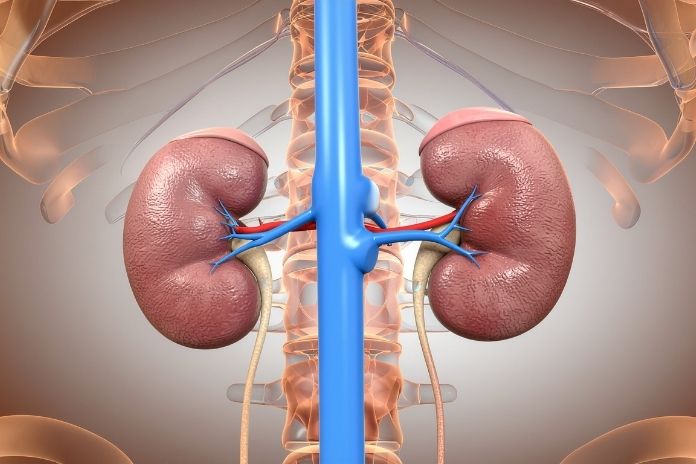
Among various non-weight-loss benefits of GLP-1 agonists in relation to this discussion, renal protection is most notable for its reliability and applicability. Chronic renal disease is amongst the most feared complications of diabetes and cardiovascular diseases. Frequently, it goes unnoticed until very advanced stages.
GLP-1 medications seem to have a renal-protective effect by lessening inflammation, facilitating better blood pressure control, and preventing proteinuria, an indicator of nephrotoxicity in the urine.
Although formal approval for kidney-specific use is still evolving, professional guidelines already recommend GLP-1 medications for diabetic patients at high cardiovascular risk, particularly when existing treatments are not providing adequate protection.
Joint Health and Mobility

GLP-1 joint health remains an interesting area that extends beyond mere weight loss management. GLP-1 receptor agonists (GLP-1RAs) have been found in both cartilage and synovial tissue, suggesting these medications might have a direct anti-inflammatory action within the joints.
Patients commonly report an improvement in knee and hip pain with reduced stiffness and better ease of everyday movement. While weight loss decreases the load in joints, anti-inflammatory GLP-1 effects may further improve the symptoms of osteoarthritis. Certain studies indicate a glucagon-like peptide-1 (GLP-1) receptor agonist (GLP-1 RA) in the treatment of knee osteoarthritis (KOA), though this is an emerging area of research.
That is, resistance training is crucial in any weight loss so that lean mass is preserved and joint stability and mobility improve rather than decline over time.
Reduced Body-Wide Inflammation

Low-grade chronic inflammation is at the root of most modern ailments, such as cardiovascular disease, diabetes, renal issues, and accelerated aging. The reduction of inflammation markers such as C-reactive protein confirms the systemic action of GLP-1 receptor agonists beyond reducing glucose levels.
This reduction in inflammation may help explain why GLP-1 medications provide health benefits across multiple organ systems, even when weight loss is not a factor. There’s growing evidence that GLP-1 medications don’t just reduce inflammation as a side effect; they appear to do so through direct biological mechanisms.
Liver Health Benefits

Non-alcoholic fatty liver disease and NASH have become more common in North America, and they are both associated with the problem of insulin resistance. GLP-1 agonists have been found to reduce fat accumulation in the liver, to improve serum levels of liver enzymes, and to enhance sensitivity to insulin in the liver.
Although an approval for use specifically in the liver has not yet been obtained, it appears from the above factors that semaglutide can be helpful in preventing fibrosis and cirrhosis, which occur in such serious conditions in people with diabetes, besides helping in weight loss.
Brain Health (Early Research)

Early research indicates that GLP-1 receptor agonists might have an effect on brain function through improved insulin function and reduced neuroinflammation. Animal and early human studies are underway for possible therapeutic effects on Alzheimer’s and Parkinson’s diseases.
In conclusion, this research area is still in its early stages, and one must be cautious in making conclusions. Nevertheless, this study sheds light on the possibility that GLP-1 receptor activity has a wider role in aging and neurodegeneration than initially known.
Read More: Best Diet for Mounjaro: Foods to Eat and Avoid for Maximum Weight Loss
Areas Researchers Are Still Studying
With the increased use of GLP-1, studies involving its effects on other conditions, including sleep apnea, substance use disorders, PCOS, and the risk of cancer, have begun. Some of the reasons for the improvement in sleep apnea could be the reduction in airway inflammation and metabolic correction, while the goal of studies involving addiction lies in the impact of GLP-1 on the reward centers in the brain.
It is also being investigated in observational studies whether there is a risk of cancer associated with the extended use of GLP-1. It must be noted that the level of evidence differs substantially for these uses. Positive outcomes in preserving kidneys and cardiovascular system function form the basis of large-scale clinical studies, and neurological and oncological observations are at the investigational level.
Who Might Benefit Most?
GLP-1 therapy probably has a particular value in patients with type 2 diabetes, those at high cardiovascular risk, and prediabetes combined with obesity or metabolic syndrome. Patients with mild kidney disease may also benefit from the renoprotective effects observed in clinical trials.
However, this class of medications is by no means the same for all. Careful consideration is required regarding gastrointestinal tolerance, personal medical history, and long-term treatment objectives. Care should be individualized with a health professional.
Read More: Best Diet for Mounjaro: Foods to Eat and Avoid for Maximum Weight Loss
What to Discuss With Your Doctor

Before starting a GLP-1 medication, individuals should have a detailed discussion with their doctor regarding cardiovascular risk, current status of their diabetes, kidney function, and expectations other than weight loss. It is equally important to understand any potential side effects and the duration of therapy, including insurance coverage.
Having a discussion in terms of long-term metabolic and cardiovascular health and not just weight helps to ensure strategic utilization of GLP-1 therapy rather than its reactive use.
Conclusion
GLP-1 medications are no longer just tools for weight loss. They represent a fundamental shift in how clinicians approach the prevention and management of heart disease, diabetes, kidney disease, and chronic inflammation.
GLP-1 therapies work on the root causes of metabolic problems, providing benefits beyond weight or short-term results. Ongoing research means patients and doctors need to discuss these treatments to get the most out of them.
We must learn to opt for these safely, responsibly, and with a focus on lifelong health rather than the number on a scale.
References
- Holman, R. R., Bethel, M. A., Mentz, R. J., Thompson, V. P., Lokhnygina, Y., Buse, J. B., … & Marso, S. P. (2024). Pleiotropic effects of GLP-1 receptor agonists on metabolic and cardiovascular outcomes. Nephrology Dialysis Transplantation. Advance online publication.
- During, M. J., & Cao, L. (2002). Neuroprotective effects of GLP-1 in preclinical models of neurodegenerative diseases. PMC.
- Masiello, P., Perego, C., & Frontoni, S. (2024). Pleiotropic effects of GLP-1 receptor agonists on hepatic and metabolic parameters. Metabolism: Clinical and Experimental, 181, 155000.
- Drucker, D. J., Philippe, J., Mojsov, S., Chick, W. L., & Habener, J. F. (1993). Glucagon-like peptide-1 stimulates insulin gene expression and insulin secretion in a glucose-dependent manner. Journal of Clinical Investigation, 91(1), 301–310.
- Prevention Clinics. (n.d.). Mounjaro, Zepbound, and tirzepatide: Understanding the differences.
- Holst, J. J. (1997). Glucagon-like peptide-1 (GLP-1) agonists: Physiology and therapeutic potential. Endocrinology Reviews, 18(6), 870–909.
- Garvey, W. T., Mechanick, J. I., Brett, E. M., Garber, A. J., Hurley, D. L., Jastreboff, A. M., … & American Association of Clinical Endocrinology. (2009). American Association of Clinical Endocrinologists position statement on the management of obesity in adults. Endocrine Practice, 15(6), 1–64.
In this Article