












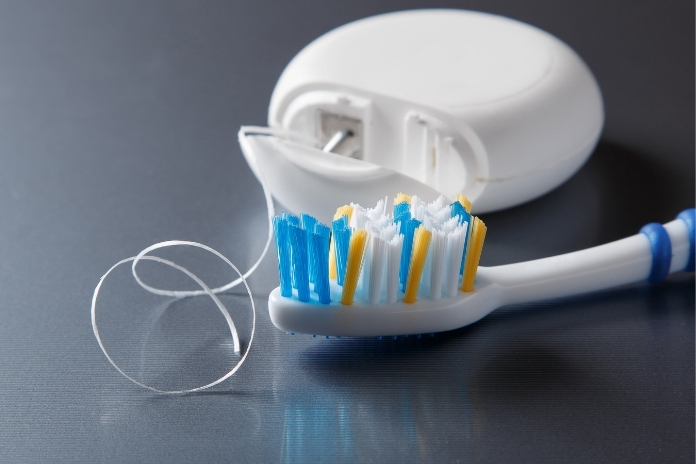
Brush twice a day, and floss once daily. This has been taught to us from a young age. And most of us think that is the oral hygiene gold standard, and it’s true, up to a point. Dentists globally emphasize that these two practices are essential but incomplete. The mouth is a diverse environment that contains teeth, gums, tongue, saliva, and more than 700 types of bacteria. Brushing and flossing engage largely with teeth and gumlines, but bad bacteria might be trapped in other areas as well.
Unless you’re treating those, you’re at risk for gum disease, cavities, chronic bad breath, and even illness, because your oral health is linked to conditions like heart disease and diabetes. The silver lining? A few easy habits can transform your oral hygiene routine from basic to complete.
In this article, we’ll understand the best oral hygiene practices beyond brushing and flossing, including overlooked habits like tongue cleaning, using mouthwash, oil pulling, chewing sugar-free gum, and even dental probiotics.
Read More: Effortless Oral Care: The Top 7 Water Dental Flossers for Superior Dental Hygiene
Why Brushing and Flossing Alone Aren’t Enough
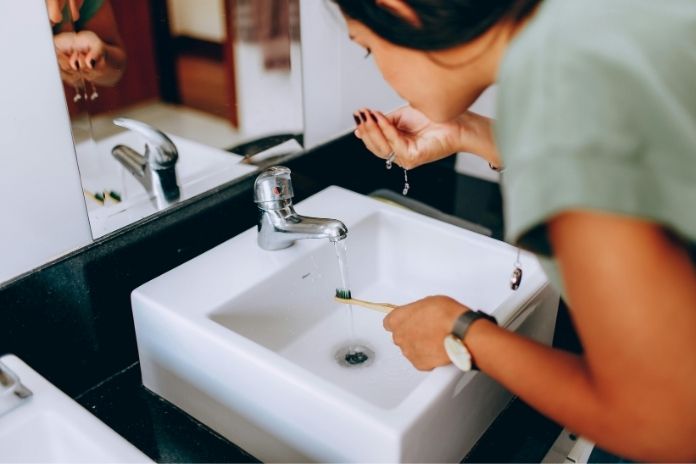
Brushing and flossing are your first line of defense, but here’s why they don’t cover everything:
- Bacterial hotspots remain untouched. These include the tongue, cheeks, and tonsils, which harbor bacteria that toothbrushes never reach.
- Gum disease begins in a microscopic sense. Plaque bacteria release toxins that irritate gums, and flossing can’t always break the process.
- Bad breath often lingers because, in 80–90% of cases, it originates from gum pockets and the tongue rather than the teeth.
- Enamel erosion is more than plaque. It can be due to Acidic foods, dry mouth, and lifestyle.
Consider brushing and flossing the foundation of a house; you would also need to do the walls, windows, and the roof to make it livable. You similarly require other healthy practices for overall oral health.
Essential Additions to Your Dental Routine
Here are a few additions that can make a difference to your oral hygiene:
Use an Antimicrobial or Fluoride Mouthwash
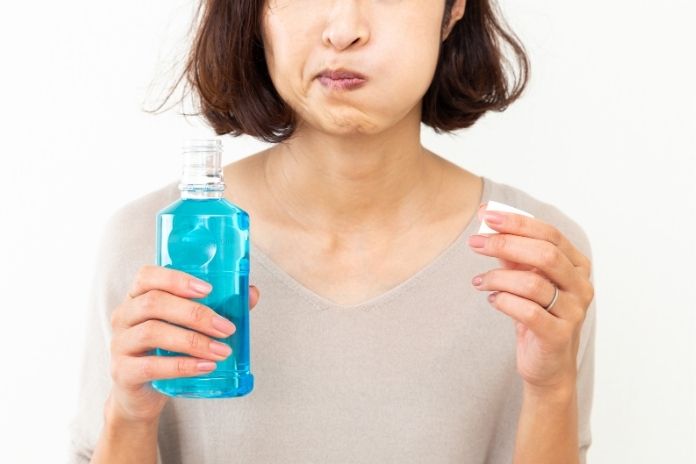
Many people use mouthwash as just an add-on, but it’s a clinically verified practice in any robust oral hygiene routine.
- Antimicrobial Mouthwash: Chlorhexidine- or essential oil-containing products destroy existing bacteria from brushing. These can reduce gingivitis risk and enhance gum condition.
- Fluoride Mouthwash: Strengthens enamel and helps in remineralization of early tooth decay, and provides an extra barrier to acid attack.
In contrast to odor-blocking mints, mouthwash decreases bacteria that cause bad breath.
Practical Tip: Swish mouthwash for a minimum of 30 seconds, preferably after brushing before bed, when saliva production is lowest and bacteria are most active.
Tongue Cleaning
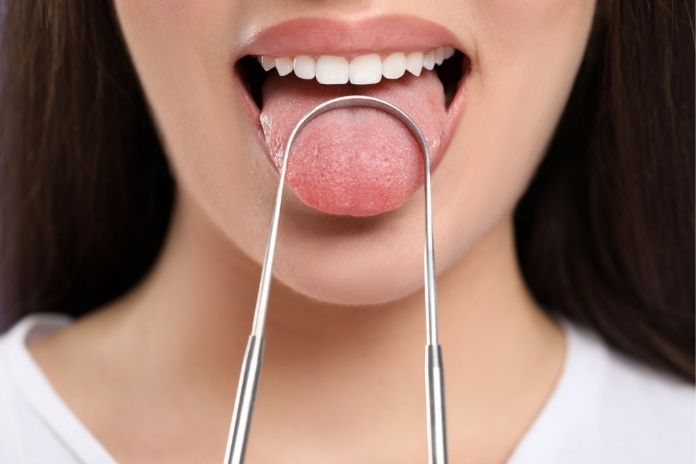
Your tongue is truly a “sponge for bacteria.” The grooves and papillae of your tongue promote debris, food particles, and microorganisms.
- Effect on oral health: Studies indicate that tongue bacteria account for as much as 80% of volatile sulfur compounds (the leading cause of halitosis).
- Scraper or toothbrush: A tongue scraper is more efficient at removing debris than a toothbrush, which simply removes it.
- Long-term benefits: Reduces bad breath, reduces bacterial count, and can even enhance taste sensitivity.
- Daily routine: Sweep a tongue scraper from back to front 3–4 times after brushing. Doing this significantly promotes freshness.
Read More: Tongue Scraping: An Ayurvedic Practice for Detox & Oral Health
Oil Pulling

Oil pulling is an ancient practice in Ayurveda that’s becoming increasingly popular. Though evidence is still not so strong, research indicates it can be a good addition to your oral care regimen.
- Swishing sesame or coconut oil “pulls” oral tissue bacteria and toxins.
- It may reduce and also prevent plaque, symptoms of gingivitis, and bad breath when practiced regularly.
- It should never replace brushing or flossing, but can be used as a complementary therapy.
How to do it: Swish 1 tablespoon of oil in your mouth for 10–15 minutes before brushing. Spit it out (never swallow), then rinse with warm water.
Chewing Sugar-Free Gum
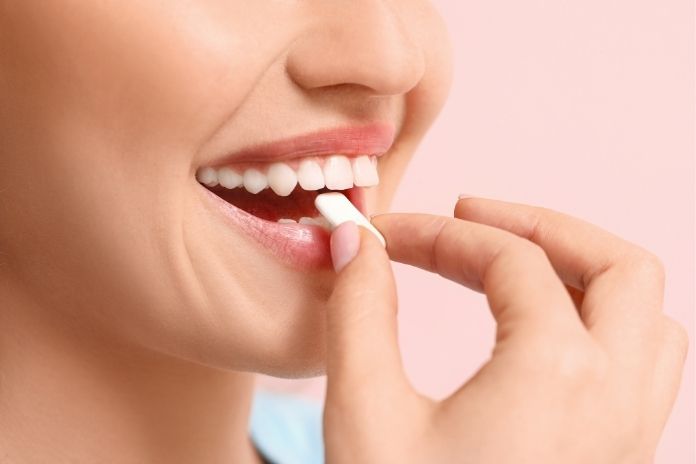
Chewing gum isn’t just for freshening breath. It’s a science-backed oral hygiene tool.
- Increases saliva flow: Saliva is the mouth’s natural protector, deactivating acids, removing food particles, and delivering minerals to enamel. Chewing gum helps in all of these, leading to better oral health.
- Xylitol gum advantages: Xylitol is a sugar substitute that reduces bacteria that create cavities, such as Streptococcus mutans.
- Convenience aspect: Ideal when you can’t brush meals off, such as at the office or while on the road.
It is advised to chew sugarless gum for 10–20 minutes after meals to safeguard teeth and gums.
Hydration and Food Options

What you eat or drink has a direct impact not just on your oral hygiene but overall health.
- Drink plenty of water: Water washes away debris and avoids dry mouth, which otherwise promotes bacterial growth.
- Skip acidic/sugary beverages: Soda, sports drinks, and even fruit juices cause enamel erosion.
Talking about how sodas affect tooth and oral health, Dr Kimberly McFarland, D.D.S., associate professor in the University of Nebraska Medical Center College of Dentistry in Lincoln, says, “I’d see erosion once in a while 25 years ago, but I see much more prevalence nowadays,” Dr. McFarland said. “A lot of young people drink massive quantities of soda. It’s no surprise we’re seeing more sensitivity.”
You can maintain a tooth-friendly diet by including:
- Calcium and Vitamin D: Strengthens enamel and jawbone.
- Vitamin C: Protects gums from inflammation.
- Crunchy veggies and apples: These serve as natural toothbrushes, stimulating saliva and cleaning teeth.
You can think of diet and hydration as silent protectors that make your oral hygiene stronger every day.
Regular Dental Checkups and Professional Cleaning
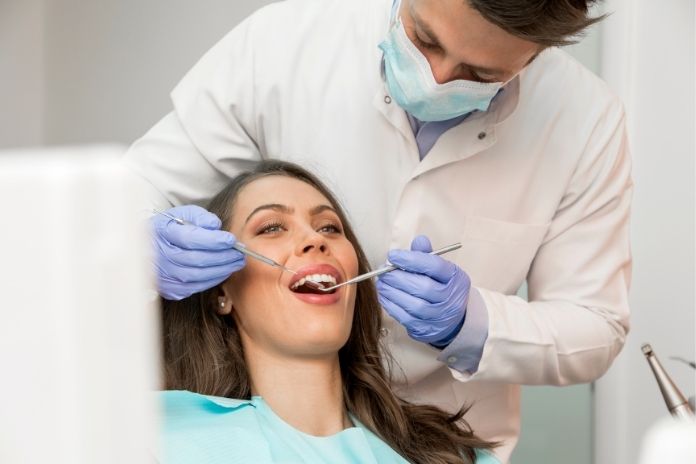
Avoiding dental visits just because your teeth “look fine” is one common mistake we all make. Most oral issues are not visible in earlier stages, but must not be overlooked.
- Professional dental cleaning reduces hardened tartar (calculus), which no toothbrush can.
- Dentists are able to detect tiny cavities, receding gums, or suspicious lesions before they become major issues.
- Frequent visits guarantee early treatment if necessary, especially if there is an indication of oral cancer.
How often? The majority of adults should have a checkup every 6 months, but those with gum disease or other conditions should visit more often.
Consider Dental Probiotics
The role of probiotics isn’t just for digestion. You may be surprised to know that your mouth has a microbiome as well. Dental probiotics help restore a good balance of bacteria in the oral cavity.
- Lead to reduced gum inflammation, lower plaque accumulation, and fresher breath.
- These add good bacteria that replace bad bacteria.
- Form: Frequently marketed as lozenges, chewable tablets, or mouthwashes.
Lifestyle Habits That Support Oral Health
Apart from daily hygiene, lifestyle is also important in determining how healthy your mouth stays. These include:
- Stop smoking and using tobacco. Both are major reasons for gum disease, tooth stains, and oral cancer.
- Reduce stress, as daily stress makes gums more prone to infection and teeth grinding (bruxism), as well as lower immunity.
- Regulate your sleeping habits, as bad sleep compromises immune response, which can worsen gum disease.
Aim for a daily nutrient dietary intake that includes:
- Vitamin C (citrus fruits, bell peppers) hardens gums.
- Vitamin D (sunlight, fatty fish) aids calcium uptake.
- Calcium (dairy foods, leafy greens) hardens enamel.
These lifestyle changes don’t only benefit teeth; they also improve overall body health.
Read More: Best Oral Care Products for Healthier Teeth and Gums (Dentist-Approved Essentials)
The Bottom Line
Brushing and flossing are crucial, but to really have oral wellness, you must do more than them. Adding mouthwash, tongue brushing, oil pulling, sugar-free gum chewing, water intake, dental probiotics, and routine professional cleanings makes a complete oral hygiene regimen.
Your mouth health impacts much more than your smile. Oral hygiene impacts digestion, heart health, and overall confidence. By adopting these oral hygiene practices apart from brushing, you set an overall consistent routine that ensures your mouth for years to come. So the next time you just stop at brushing and flossing, go an extra mile. It is all worth it for your oral hygiene!
References
- https://pmc.ncbi.nlm.nih.gov/articles/PMC4232036
- https://www.gargisdentalcare.com/blog_
- https://periodontalhealthcenter.com/blog/best-oral-probiotics
- https://www.colgate.com/en-my/oral-health/plaque-and-tartar/what-is-tartar
- https://pmc.ncbi.nlm.nih.gov/articles/PMC4232036
- https://pmc.ncbi.nlm.nih.gov/articles/PMC6503789
In this Article