













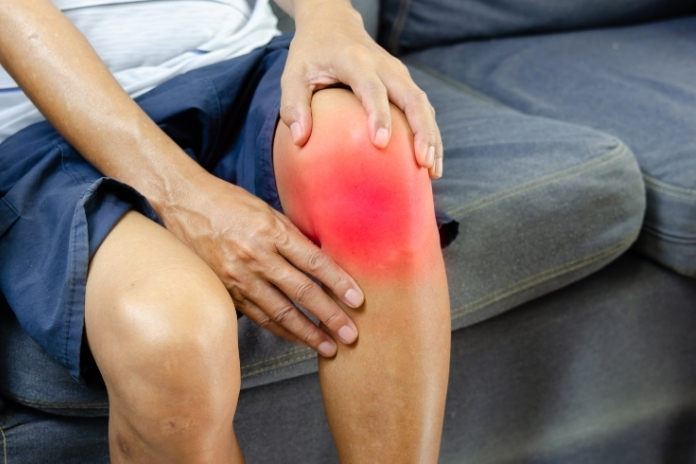
Do your knees plead for pity when you’re running and hitting the pavement? Low-impact exercise is an alternative method of staying in shape if high-impact activities that strain your joints are causing you pain.
When your joints are aching or feel stiff, getting up and moving is probably the last thing on your mind. However, one of the best strategies to reduce pain, safeguard your joints, and maintain your body’s strength is to move gently.
“Exercise is not a no-pain, no-gain scenario,” cautions Kenneth Schmidt, MD, an orthopedic surgeon and independent member of the HonorHealth Medical Staff. “You may have some discomfort during exercise, but it shouldn’t hurt. If it does, it’s time to see your doctor.”
You can stay active without overexerting your knees, hips, or shoulders by engaging in a variety of gentle activities. Low-impact workouts do more than just ease joint pain.
This article will show you how to keep active despite joint pain by providing joint-safe workouts and practical advice. You can safeguard your joints, reduce discomfort, and regain the confidence to move freely with the correct method and consistency.
Read More: Can You Prevent Osteoarthritis Progression? 6 Proven Methods for Managing Joint Health
Why Joint-Friendly Exercise Matters
Exercise is known to strengthen muscles, increase range of motion and flexibility, and enhance cardiovascular health and balance. However, consistent exercise is also essential for joint health.
Although “low-impact” and “joint-friendly” are often used interchangeably in programs and social media posts, they are distinct terms with specific meanings.
Exercises that are favorable to joints focus on a particular muscle group without putting the surrounding systems (joints, ligaments, tendons, menisci, etc.) under needless or potentially harmful stress.
“Low-impact exercises help you stay mobile without putting too much strain on your joints,” said Michael Piccirillo, a physical therapist with Banner Physical Therapy. “These exercises reduce wear and tear and help keep you independent as you age.”
Frequent exercise also enhances balance and mobility, reducing the risk of accidents and falls. It promotes the generation of synovial fluid and blood circulation, which lubricates and nourishes the joints, allowing for more painless, fluid mobility.
Most significantly, by keeping the body moving and producing endorphins, which naturally alleviate pain, joint-friendly exercise can help lower inflammation and stiffness. Even 20 to 30 minutes per day can noticeably enhance flexibility, comfort, and general quality of life.
Your doctor may recommend a low-impact, joint-friendly exercise if you have arthritis, have recently undergone surgery, or are getting older. You typically move smoothly, steadily, and purposefully when performing this kind of exercise, keeping one foot on the ground at all times.
Key Principles for Joint-Safe Workouts

Jointly sensitive exercise implies working more efficiently, not compromising results. Any joint-safe workout begins with deliberate movement and well-considered decisions that prioritize safety and efficacy.
- Try to do exercises that use between 50 and 75 percent of your entire range of motion whenever you can. It reduces the likelihood of subluxations, or partial joint dislocations, and alleviates the strain on soft tissues.
- Injury might result from rushing through an exercise or increasing the intensity too rapidly. Instead, move slowly so that your body can adjust to the change. Before stepping up the difficulty, practice an exercise until it seems nearly effortless.
- You don’t need to go in head-on; instead, you can begin with flowing muscles as a gentle hum. Avoid going in full strength, as this can lead to anomalous muscle activation and spasm. Anyway, picture building intensity like the music coming to a crescendo: start slow and grow in synchronization with your breath.
- If you hold your breath while exercising, it will restrict the range of motion and cause muscle spasms. Rather than focusing on breathing in or breathing out at specific moments, focus on keeping your breathing smooth and natural when you’re moving.
- Hypermobility can affect proprioception, your ability to sense the position of your body in space. Still, you can receive helpful input by using the floor, walls, and objects, which can make you more competent at working with your movement.
- Only you truly understand how your body feels and functions. Move differently, shift strategy, or break if it doesn’t feel right.
Read More: Chair Exercises: Strengthen Your Legs with These Simple At-Home Workouts
Best Low-Impact Exercises to Strengthen Joints
a) Water-Based Exercises (Swimming, Aqua Aerobics)

Considered one of the best workouts for joints involves water. You can move your body without straining your joints by swimming laps or participating in a water aerobics session.
Aquatic therapy can lessen gravity-related tension. It helps ease pressure and minimizes friction on painful joints. Additionally, compared to weights, the resistance provided by the water might be beneficial and less uncomfortable.
Consider the swimming pool to be a “nature’s body weight support system.” The American Physical Therapy Association specialists say it can unload up to nearly 90% of your body weight. Thanks to its buoyant nature, water places less strain on the joints during movement.
“It allows you to perform movement with an arthritic joint that would be painful on land, which then helps improve strength and flexibility in that joint,” explains Physical therapist Julie Mulcahy, DPT, of McLaren Health Management Group, who also works with Physera, an app-based platform for physical therapy.
Water workouts offer several advantages, including reducing joint pressure while promoting full-body movement, enhancing cardiovascular strength and fitness, and being beneficial for arthritis, stiff joints, and post-accident recovery.
b) Resistance Band Workouts
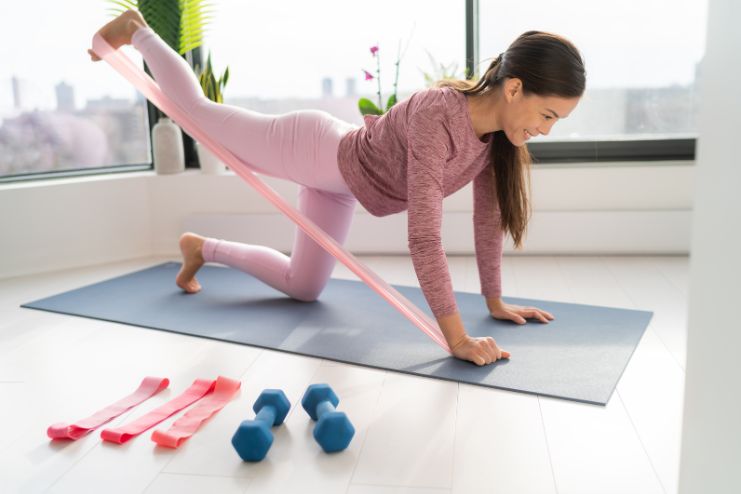
Resistance bands offer muscle-building advantages with reduced joint tension, making them an excellent tool for low-impact strength training.
You can incorporate muscle-strengthening workouts into your routine twice a week by using resistance bands.
You can stay active by wearing resistance bands, which are elastic bands that provide resistance. In essence, stretching the band uses the same force that lifting weights does to strengthen your muscles. Any training or rehabilitation program will benefit greatly from the addition of knee exercise bands.
They can help stabilize the knee joint, increase range of motion, and improve strength. They also provide support when engaging in knee-joint movements, which lowers the risk of damage.
Exercises that strengthen the quadriceps, hamstrings, and other knee-related muscles can produce resistance. It increases strength, stability, and range of motion. Using knee exercise bands can improve coordination.
Read More: Why You Should Be Walking Backward for Better Brain & Joint Health
c) Chair Squats and Wall Sits

Excellent joint-safe exercises that help develop the quadriceps, glutes, and hamstrings—all of which are critical for knee protection and support—include chair squats and wall sits.
For senior citizens, the chair squat is an excellent exercise. However, the chair squat is beneficial even for those who are not seniors. Regaining strength is essential, especially when recovering from an injury or illness. One excellent method for achieving that objective is the chair squat exercise.
The chair squat is a practical workout that facilitates daily tasks safely and simply. Getting in and out of a car and getting up and down from a chair are two examples. When you have to sit in a public restroom, as at an airport or travel stop, without touching the seat, this exercise is helpful.
Wall seats are suitable. A wall sit is an isometric exercise that engages your muscles while keeping your body still. Unlike complex resistance moves like burpees or deadlifts, the wall sit is straightforward by design. You sit against a wall and remain there for a while.
People of various fitness levels can benefit from wall sits due to their benefits, which include strengthening the lower-body and core muscles.
d) Yoga (Joint-Friendly Poses)
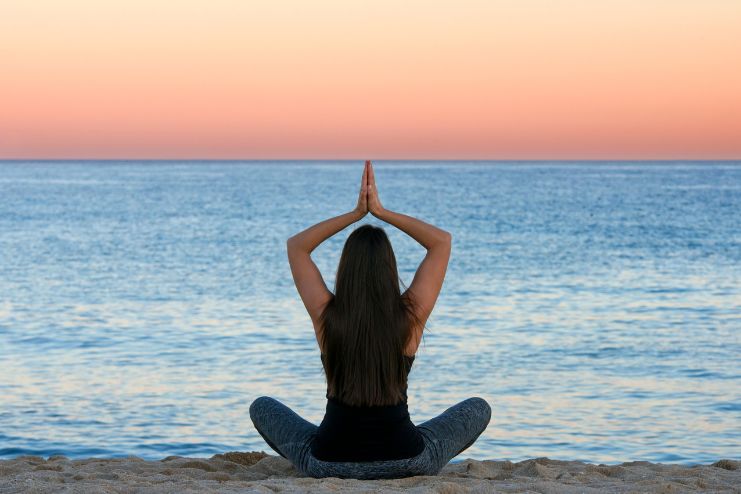
Yoga offers numerous health benefits, including improved blood circulation, increased flexibility, and accelerated recovery from injuries. Additionally, it may benefit your joints, which are a common issue that many people experience as they age.
All types of yoga postures benefit your health, but some are specifically designed to support healthy joints and promote pain-free movement.
Yoga is more than just stretching. You can move your body and relax your mind with this holistic technique. It improves posture, increases flexibility, and fortifies the muscles that surround your joints.
You’ll find that yoga can help you feel less stressed, which in turn can help you manage physical pain more effectively. The best part is that you can modify yoga positions to suit your individual needs, making it a terrific choice for people of varying fitness levels.
Read More: Dive into Fitness: 8 Gentle Water Aerobic Exercises for Seniors
e) Tai Chi and Qigong
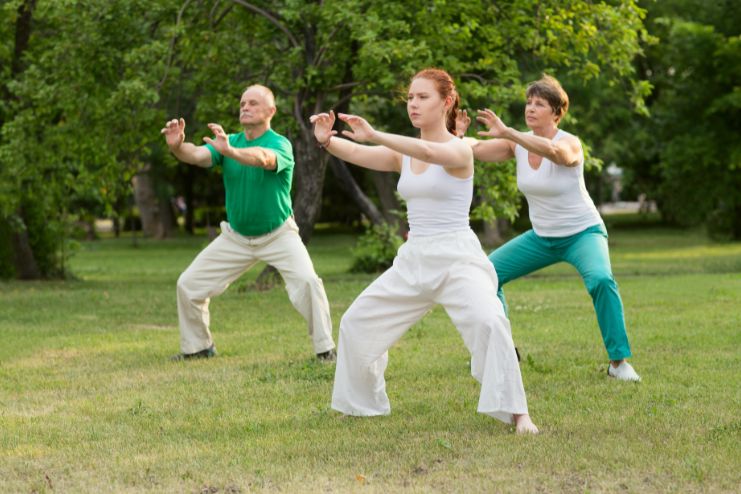
Tai chi and qi gong are calming exercises that help you become more flexible and balanced. Both are excellent methods for maintaining vitality and activity.
The soft, flowing motions minimize joint strain. However, first consult your doctor to determine if you have any underlying health issues, like diabetes or circulatory problems, or if you are taking any medications that can cause lightheadedness when changing positions.
Tai chi and qi gong, two traditional Chinese practices, blend deep breathing, meditation, and gentle, controlled movements. These low-impact martial arts programs aim to improve alignment, balance, and circulation. Practitioners of traditional Chinese medicine also believe that these techniques restore energy, also known as chi or qi (pronounced “chee”).
f) Glute Bridges and Pelvic Tilts
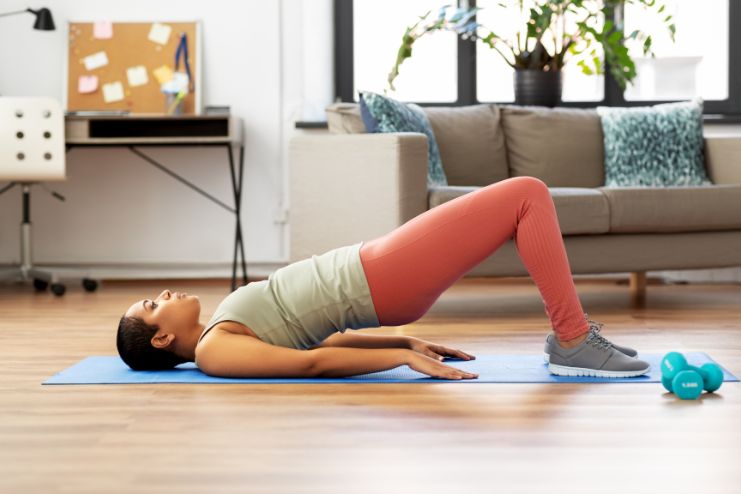
To strengthen the lower back, glutes, and core, while lessening the strain on the hips and knees, glute bridges and pelvic tilts are effective yet easy exercises.
Typically done supine (lying down on your back), a pelvic tilt exercise is somewhat self-explanatory: It’s an exercise in which you tilt your pelvis back and forth. “Pelvic tilts are a supine preparatory exercise, tilting the pelvis posterior and anterior. Think mini Cat-Cow movements done just with the pelvis,” explains Peloton instructor Anna Greenberg.
Without putting undue strain on your joints, glute bridges are an excellent way to strengthen your hips and lower back. They are a practical workout that replicates everyday motions, such as getting out of a chair. The glutes, hamstrings, and core muscles—all essential for hip and lower back stability—are the primary targets of glute bridges.
Read More: Daily Stretching Exercises for Flexibility and Mobility
g) Isometric Holds (e.g., Planks, Wall Sits)
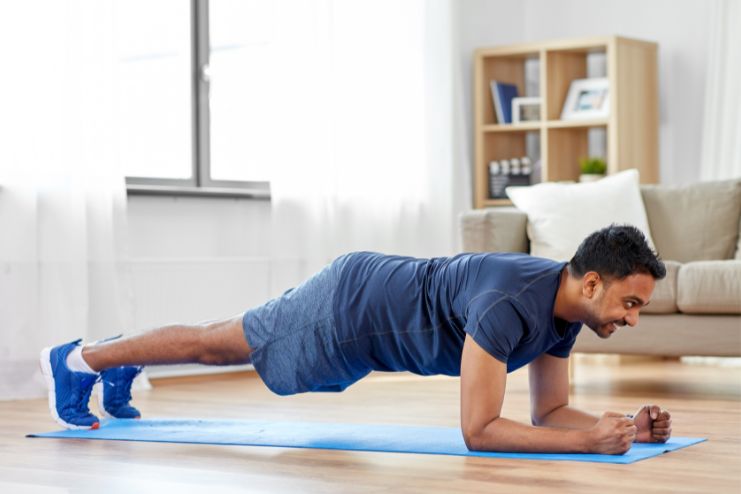
The goal of isometric exercise is to contract or tighten a particular muscle or set of muscles. The joints involved don’t move, and the targeted muscles don’t notably lengthen. This static exercise uses the body’s weight to maintain strength and support your joints and core.
For those with arthritis or recovering from an accident, isometric exercise can increase strength and stability, as it targets specific muscles without requiring movement or a full range of motion.
People sometimes misunderstand isometric exercises as holding their breath and straining, which can increase blood pressure. You must focus on taking calm, deep breaths to maintain an isometric or static exercise.
h) Stationary Cycling or Elliptical Trainer
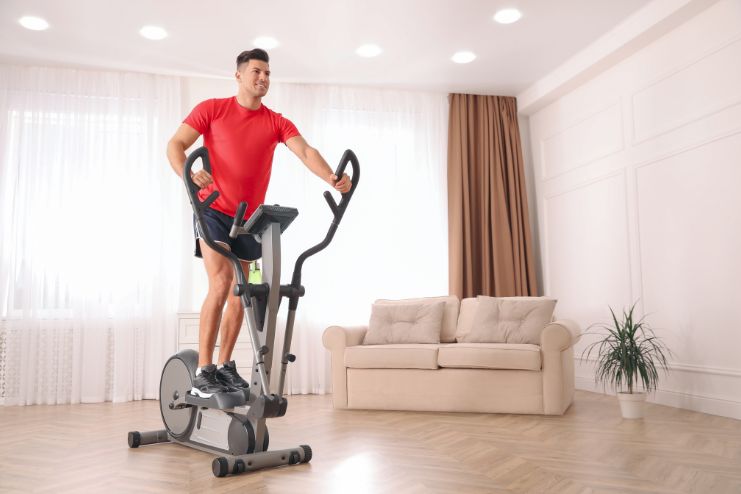
Whether used at home or in a gym, elliptical machines (sometimes called cross-trainers) and stationary exercise bikes are two of the most often used cardio training equipment. The various machines promote fitness objectives, including weight loss and increased endurance, by providing excellent cardiovascular exercise. Additionally, compared to other cardio equipment, such as treadmills, they may be less taxing on the joints.
Without putting undue strain on your joints, an elliptical machine offers a low-impact, weight-bearing cardiovascular workout that simulates jogging, stair climbing, or walking. This is due to the fact that an elliptical trainer offers low-impact, weight-bearing cardiovascular exercise.
It even has handlebars to aid with balance maintenance for people with upper-body problems.
An elliptical trainer not only helps people lose weight and burn calories, but it also helps develop their muscles and enhance their cardiovascular health.
Read More: Stay Active with Arthritis: 6 Low-Impact Exercise Equipment for Joint Health
Exercises to Avoid When You Have Joint Issues
Understand which exercises can do more harm than good in managing joint pain or conditions like arthritis. Certain activities can put more stress on your joints, potentially causing pain, swelling, or chronic damage.
Squats: Patients suffering from knee pain should avoid squats because they put excessive stress on the knees, particularly in deep squats. Performing the bending action places a maximum load on the knee joints, which can cause more pain and potential damage.
Leg Extensions: Leg extension exercises with the added weights may be too taxing on the knee joint. By forcing users to extend their knees against heavy weight, this exercise isolates the quadriceps, which can lead to increased tension and worsening of the knee pain over time.
Jumping Exercises: Movements that place excessive strain on the knee joints, such as burpees, box jumping, and jump squats, can be particularly taxing. These movements are not safe for individuals with pre-existing knee pathology like osteoarthritis due to the excessive landing impact, which is most likely the source of the associated knee pain.
High-Intensity Interval Training (HIIT): HIIT exercises have become extremely popular over a period. High-impact exercises such as burpees, sprinting, jumping, explosive movements, and rapid direction changes often accompany them, but these are not ideal for those experiencing knee pain.
Tips for Protecting Joints While Exercising

You use your joints—from the back to the knees, hips, ankles, and wrists—for a variety of physical activities.
“Physical activity is essential for overall health. And that means protecting your joints is vital,” said James Holstine, DO, a PeaceHealth orthopedic surgeon in Bellingham, Washington.
So how do you maintain joint health, avoid injury, and enjoy a nice workout?
- Warm up before you begin: To help loosen your joints and muscles, try stretching, jogging lightly, or using a foam roller. Knee-to-chest and hamstring stretches may be beneficial. Spending five to ten minutes warming up is useful.
- Select Low-Impact Exercises: Cycling, swimming, and walking are all excellent options for low-impact exercises. Unlike running or jumping, they do not cause joint tension or jolts.
- Wear the Right Footwear: Shoes that offer cushioning and support can help reduce joint stress and prevent injury. Replace your shoes every 500 miles, or every six to twelve months, if it is possible.
- Remain Hydrated: Drinking water helps reduce swelling and inflammation in the joints. Additionally, it can support general joint health.
- Pay Attention to Your Body: Are You Experiencing Hip Pain? Or does bending the knee hurt? Notice if you feel any pain or discomfort when you do. Take a break or adjust your routine if you’re experiencing joint pain.
- Gradually Increase Effort: Begin with low-impact exercises. In an orderly progression, as you become stronger, you can step up your effort.
Read More: 5 Effective Knee Strengthening Exercises
Conclusion
Selecting more active, healthier methods is what it takes to maintain healthy joints, not inactivity. Motion is one of the most effective tools for managing joint pain, preventing further injury, and enhancing overall quality of life when used appropriately.
Be explicit about your strength, flexibility, and range of motion by placing the joints under less stress through low-impact, joint-friendly exercises such as yoga, swimming, resistance band exercises, and isometric holds.
These exercises also promote posture and balance, improve circulation, and reduce inflammation. Where there is a need for consistency, be patient with your body and refrain from forcing unnatural or painful movements.
References
- https://www.bannerhealth.com/healthcareblog/advise-me/try-these-joint-friendly-exercises-to-keep-you-moving-pain-free
- https://www.honorhealth.com/healthy-living/6-exercises-are-easy-your-joints
- https://www.honorhealth.com/physicians/kenneth-schmidt
- https://www.arthritis.org/health-wellness/healthy-living/physical-activity/getting-started/8-ways-exercise-helps-joints
- https://evlofitness.com/education/4-reasons-why-joint-friendly-fitness-is-also-more-effective/
- https://www.mayoclinic.org/diseases-conditions/arthritis/in-depth/arthritis/art-20047971
- https://healthyconsumerpt.com/8-key-principles-for-exercising-safely-with-hypermobility/
- https://creakyjoints.org/diet-exercise/water-exercises-for-arthritis/
- https://versusarthritis.org/news/2024/february/resistance-band-workouts-for-people-with-arthritis/
- https://www.surreyphysio.co.uk/top-5/top-5-exercise-band-exercises-for-your-knees
- https://pvsurgery.com/news/5-exercises-to-relieve-knee-pain
- https://melioguide.com/osteoporosis-exercises/chair-squats/
- https://www.goodrx.com/well-being/movement-exercise/wall-sit-benefits
- https://www.tricitymed.org/2016/12/yoga-poses-joint-health/
- https://www.webmd.com/fitness-exercise/tai-chi-and-chi-gong
- https://www.onepeloton.com/instructors/agreenberg
- https://www.mayoclinichealthsystem.org/hometown-health/speaking-of-health/isometric-exercise-and-blood-pressure
- https://carolbike.com/science/elliptical-vs-stationary-bike-which-is-a-better-workout/
- https://www.medicalnewstoday.com/articles/facet-joint-pain-exercises-to-avoid#exercises-to-include
- https://www.mayoclinic.org/diseases-conditions/arthritis/in-depth/arthritis/art-20047971
- https://www.peacehealth.org/care-providers/james-d-holstine-do
- https://www.peacehealth.org/healthy-you/take-it-easy-9-tips-protecting-your-joints-while-exercising
In this Article