
















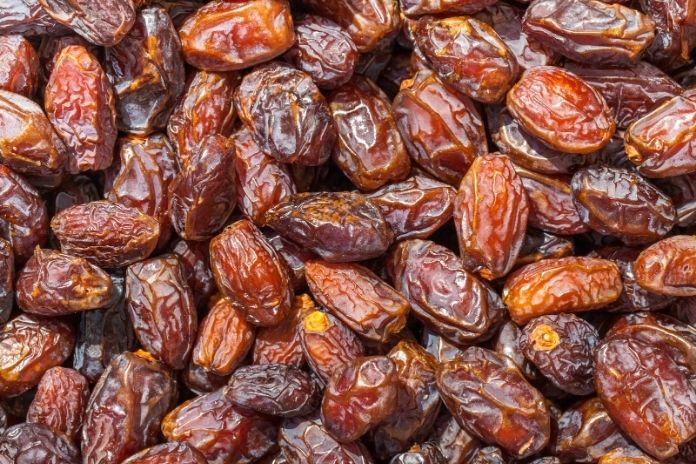
As an all-natural alternative to packaged energy bars and powdered pre-workout pills, dates have gained traction as a quick and healthy snack to consume before exercise.
Fitness enthusiasts keep them in everything from their gym bags to hiking backpacks. This is due to their compact size, ease of transport, and naturally sweet flavor, which renders them pleasant to eat.
There’s more to them than just convenience. Dates are the nutritional powerhouses, a concentrated source of natural carbs, vitamins, and minerals to power your workout and aid recovery.
Because of this, dates have become a preferred choice for people looking to boost muscle performance, sustain physical activity, and manage energy levels naturally without unwanted side effects.
But dates aren’t universally suitable for every workout. The land of dates is not quite as perfect as it sounds. The type, intensity, and timing of the workout, as well as how you digest different foods, will affect how great your dates will be.
In this article, we’ll look at the nutrients in dates, how they affect energy, the best time to eat dates pre-workout, and who should avoid them.
Read More: Cocoa Extract Supplements and Inflammaging: What Science Says (2026)
What Happens in Your Body before a Workout?
Your body prepares for a sudden spike in energy demand before an exercise session begins. Your metabolism speeds up to convert the stored nutrients into usable energy as soon as you move. Your heart rate increases to deliver oxygen more quickly, and your muscles need more fuel to contract effectively.
How quickly your body uses its energy reserves depends on the length and intensity of your workout. Our bodies enable us to execute at an exceptionally high degree of athletic ability, much like a well-tuned and well-designed automobile. However, we must provide our car with enough fuel for it to operate.
Exercise is only half the fight when it comes to reaching our fitness objectives. We must eat the right foods and drink enough water before, during, and after our workouts to improve our fitness. Nothing is more annoying than exercising regularly and vigorously only to not fully enjoy the rewards.
Your muscles run on carbohydrates, and you need more carbohydrates to keep running when your engine is working harder.
Often, you might be asking yourself, how soon should I eat before working out? Generally speaking, you should avoid eating right before a workout since your digestive system is trying to digest the food in your stomach while your muscles are trying to perform their functions.
Achieving optimal performance is difficult due to these competing goals. An additional problem is that eating too close to working out can cause intestinal discomfort during play or training.
Depending on your body’s tolerance for food, you should nourish it 1 to 4 hours before working out. You may find out what duration is most effective for your body by experimenting. Moreover, you should investigate this throughout your training days rather than on game day if you’re a competitive athlete.
Nutritional Profile of Dates (Why They’re Used Pre-Workout)

The date palm is the source of this sweet and meaty stone fruit. One of the world’s oldest plants, date fruit is farmed chiefly in the Canary Islands, northern Africa, the Middle East, Pakistan, India, Mexico, and California. Many cultures have traditionally used it as a rapid source of energy.
Dates, however, are much more than just a tasty and naturally carby snack. Additionally, dates have a rich nutritional profile, according to research. Dates include the following primary nutrients:
- Potassium
- Magnesium
- Calcium
- Phosphorus
- Selenium
- Iron and copper
- B vitamins
- Fiber and vitamin C
- Antioxidants, including polyphenols and carotenoids
- Little amounts of protein
Read More: What Is Sugar Withdrawal? Symptoms, Timeline & What to Expect
How Eating Dates Before a Workout Can Help
Choosing the right pre-workout food can significantly improve your fitness levels. Your body needs the right food, whether you’re doing yoga, running, or heading to the gym.
Dates, the natural sweet fruit of the palm, are an excellent choice. Here’s why you should always reach for dates for a pre-workout snack:
Quick Energy Availability
Dates are nutritious regardless of when you consume them since they are high in fiber, minerals, and antioxidants. However, they also make a great pre-workout snack. With their abundance of natural sugar, carbs, and vitamins and minerals such as potassium, magnesium, and zinc, these dried fruits are actual energy bombs.
Dates are an excellent natural source of energy due to their balanced nutrient profile. Athletes particularly benefit from its ability to replenish the body’s energy store quickly, thereby enhancing their performance during an exhaustive workout.
Supporting Endurance and Stamina
Eating 2 or 3 dates 30 to 60 minutes before working out provides a quick shot of energy because they are rich in sugar, glucose, fructose, and sucrose. Their potassium and magnesium content helps reduce muscle cramps and increase your stamina, while their quickly digestible carbohydrate helps prevent early fatigue.
By storing glycogen in the muscles, consuming dates beforehand may help stave off fatigue during longer endurance activities such as cycling, running, or any prolonged weightlifting. It would mean longer workouts sustained with wildly less effort.
Muscle Function and Electrolyte Support
Dates also provide several minerals, such as potassium. Potassium is an important electrolyte that can help you avoid muscle cramps during and after exercise, as well as help maintain fluid levels in your body.
Dates also provide magnesium, which plays a key role in protein synthesis and muscle tissue repair following workouts. This mineral may help reduce muscle soreness, improve muscle contractions, and promote relaxation and quality sleep, both of which are vital for adequate recovery.
Since sweating during exercise leads to mineral loss, replenishing electrolytes like potassium and magnesium is crucial. Their electrolytes help rebalance your body fluid content, making them a brilliant natural option for muscle and electrolyte support after intense sessions.
Are Dates Good for Strength Training vs Cardio?
Dates are a good choice for a pre-workout snack, depending on what type of workout you are doing. Dates are very high in fast-digesting carbohydrates, making them an excellent option for workouts that require sustained energy output.
With each Medjool date containing around 16 g-18 g of fast-digesting carbohydrates, dates are a great source of natural energy for both pure aerobic exercise and strength training, providing instant fuel for our muscles and helping maintain high performance.
With potassium supporting the muscle cells and preventing any cramping, they’re ideal to munch before a workout for a quick energy boost and after to replenish glycogen.
Strength Training
Preworkout: Feed your muscles for fast strength and to boost energy.
Postworkout: Replenish muscle glycogen stores for recovery.
Benefits: Magnesium helps to repair muscle protein and reduce pain. High potassium helps muscle contractions.
Cardio (Endurance)
Preworkout: They deliver instant, sustained energy straight into the bloodstream, so you don’t have to spend much time digesting them. Perfect if you’re cycling or running.
Electrolyte Replenishment: Loaded with far more potassium than bananas, dates keep you hydrated and help stave off cramps.
Read More: Nutrition for Sustainable Fitness: Science-Backed Strategies for Long-Term Results
How Many Dates Should You Eat Before a Workout?

Portion size is essential when snacking on dates before a workout. While they are nutritious and energy-dense, making sure you eat just the right amount means you get the rewards without bloating or over-consuming calories.
Dates don’t raise blood sugar levels quickly, despite their high sugar content. Instead, they offer a slow-releasing carbohydrate that provides a steady flow of energy to support your exercise. 30 to 60 minutes before working out, try reaching for two to four dates.
More isn’t necessarily better, though. Eating too many dates at once can leave you feeling bloated, with a leaden stomach, or dangerously oversugared, especially if they are consumed just before a workout.
Too many dates can slow digestion and leave you feeling uncomfortably weighed down, rather than giving you an energy boost, because they are also heavy in fiber.
Best Timing: When to Eat Dates Before Exercise
Dates are a delicious, nutritious fruit that grows on date palm trees. They are popular in many cultures and religions and are enjoyed by people everywhere. Many people wonder when the best time is to eat dates before a workout, mainly because marketers promote them heavily for their sugar and fiber content.
Two to four dates provide a quick, effective energy boost, so it’s best to consume them 30 to 60 mins before engaging in physical activity. When consumed during this window, the natural sugars and carbs can break down and provide instant energy for running or high-intensity training.
When Dates May Not Be the Best Pre-Workout Choice

Although our bodies are capable of breaking down food anytime it is required, there are particular circumstances in which eating dates is not a brilliant idea:
Individuals Who Suffer from Irritable Bowel Syndrome (IBS): Individuals with IBS may be susceptible to meals that contain FODMAPs, which are small-chain carbohydrates that they may find difficult to digest. They can cause bloating and stomachaches because they are a significant source of fructose.
Individuals with Allergies: While uncommon, some people may be sensitive to dates or even have an allergy.
Diarrhea or Loose Stools: Sorbitol, a sugar alcohol found in dates, might cause some people to have more frequent bowel motions. As a result, until your bowel movements return to normal, it is advised to limit or avoid dates.
There is no “bad” time to eat dates other than on these occasions. They can be eaten as a snack or as part of a meal and are incredibly nutrient-dense. Keep in mind that your body can process meals 24 hours a day.
Read More: Cardio vs. Strength vs. Hybrid: Which Workout Style Suits You?
Common Mistakes When Using Dates Pre-Workout

Eating dates as a pre-workout snack provides a natural and quick-acting energy boost, but you must consume them properly to avoid any digestive issues or energy crashes.
When utilizing dates for pre-workout, the following are the main pitfalls to avoid:
- Consuming a big handful of dates just before working out.
- Having them 5-10 minutes before your workout.
- Significant gastrointestinal pain, such as bloating, gas, and cramping in the stomach, can result from consuming too much fiber too soon after working out.
- A short energy boost from eating too many dates may collapse too soon, leaving you exhausted in the middle of your workout.
- Eating too many calories before an exercise that you don’t burn off can interfere with your efforts to control your weight.
Conclusion
Packing dates in your bag is an effortless and effective way to give your energy a natural lift before a workout. Dates are ideal for endurance workouts, intense sessions, and those lengthy workouts that require an energy lift that’s both immediate and sustained as you work out.
These little powerhouse gems pack energizing, quickly digestible carbohydrates and provide minerals like magnesium and potassium that support muscles and reduce fatigue.
Dates aren’t a universal pre-workout option, though. For optimal benefits, timing, portion size, and matching their use to your sort of training are all critical.
References
- Deliciously Dates. (December 29, 2018|). 55 Reason why Medjool Dates are great pre and post workout snack – health benefits of dates.
- Crystal Dates. (2021, June 13). 5 fantastic benefits of dates for bodybuilders and athletes.
- Christopher R. Mohr, PhD, RD. (2019, September 19; reviewed July 23, 2024). Timing your pre- and post-workout nutrition.
In this Article