














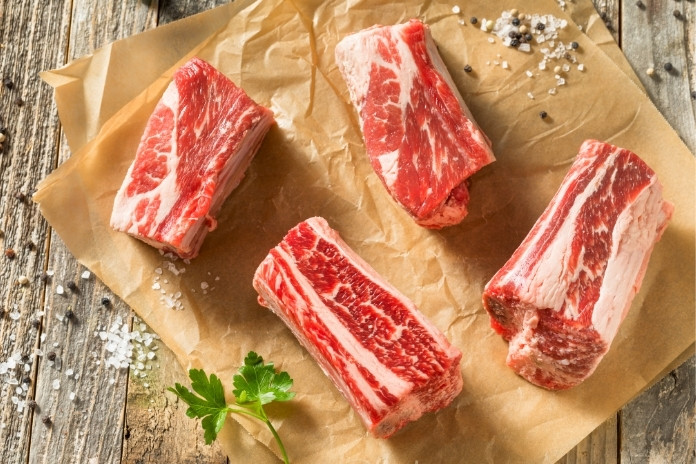
During the last few years, beef organ supplements have exploded in popularity, as people reach for nutrient-dense “ancestral-style” ways to support energy, immunity, and overall health. Based on freeze-dried beef liver, heart, kidney, spleen, pancreas, or combinations, we can get the benefits of beef organ supplements in a capsule or powder form.
For many people, the beef organ supplements provide a practical way to get nutrients that were once a natural part of dietary traditions without the taste or texture challenges associated with eating actual organ meats.
These organ meat supplements are gaining popularity due to several factors. Organ meats are among the most nutrient-dense foods in the world, providing vitamins, minerals, amino acids, and bioactive compounds in higher concentrations than most muscle meats.
Most diets of today are deficient in these nutrients, especially iron, B12, vitamin A, and zinc. These nutrients are closely linked to immune function, energy production, cognitive health, and the formation of red blood cells.
The organ meat supplements offer a convenient way to consume these nutrients daily without having to cook organ meats, which a lot of people find unappealing.
In this article, you’ll learn what beef organ supplements are, the science-backed benefits, potential risks, who should be cautious, how to choose a high-quality product, and details about beef organ supplements’ safety.
Read More: 7 Common Myths About Vitamins and Supplements (And the Facts You Should Know)
What Are Beef Organ Supplements?
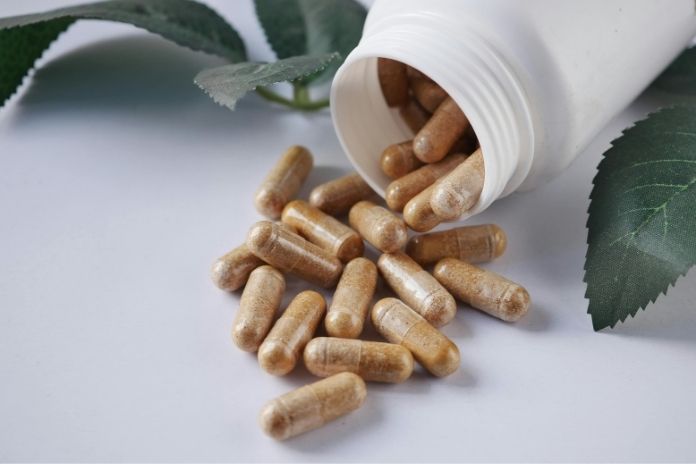
Beef organ supplements are dried, freeze-dried, powdered organs from cows, almost always taken from grass-fed or pasture-raised cattle. These nutrients are encapsulated into pills or sold as powders.
Dr Stephani Johnson, D.C.N., R.D.N., an adjunct assistant professor at the Rutgers University School of Health Professions, “Organ supplements, also sometimes called ‘organ complex supplements,’ are usually made from cow organs that are freeze-dried, ground up, and encapsulated.”
Common forms of beef organ supplements include:
- Liver: The most nutrient-dense organ; rich in vitamin A, B12, iron, folate, and copper.
- Heart: High in CoQ10, thus supports mitochondria and heart health; rich in B vitamins, zinc, and iron.
- Kidney: Provides selenium, vitamin B12, and anti-inflammatory peptides.
- Spleen: One of the richest natural sources of heme iron.
- Pancreas: Digestive enzymes and B vitamins.
Most supplements are made by:
- Freeze-drying: lyophilization preserves nutrients by removing the moisture without high heat.
- Low-temperature Dehydration: These involve slightly less nutrition-preserving, yet effective.
Both methods are similar in the way they preserve nutrients, as close as possible to whole organ meats.
1. Typical Nutrient Profile of Organ Meats
Here are a few vital vitamins and nutrients often found in plant meats:
Vitamins:
- Rich in vitamin A, very high retinol supports vision, immune function, and skin maintenance.
- B vitamins, especially B12, riboflavin, folate, and B6.
Minerals:
- Heme iron is the most absorbable form of iron, supports hemoglobin production.
- Zinc is important for immune function and wound healing.
- Selenium supports antioxidants and thyroid function.
- Copper is the most crucial for energy production and iron metabolism.
Proteins & Amino Acids:
They consist of complete proteins with all 9 essential amino acids.
Bioactive Compounds:
- Coenzyme Q10, especially in the heart, for mitochondrial function.
- Choline supports brain development and liver health.
- Organ-specific enzymes and peptides.
2. Eating Organ Meats vs Taking Supplements
Consuming whole organs provides:
- Higher nutrient bioavailability
- Amino acid diversity
- Natural moisture, gelatin, and connective tissue components.
Taking organ meat supplements provides:
- Convenience
- No taste or smell
- Measurable, predictable dosage
- Accessibility for individuals who do not consume, or cannot tolerate, organ meats.
Read More: When Supplements Backfire: Risks of Overdoing Vitamins and Superfoods
Potential Benefits — What the Science Suggests
The studies are strong for whole organ meats, but limited for their supplements. However, benefits are inferred from their nutrient density.
1. Increasing Iron and B12 Levels
Beef liver, heart, and spleen are incredibly rich sources of both heme iron and vitamin B12. Here are a few significant benefits they offer:
- Improved red blood cell production to help decrease the fatigue caused by iron deficiency anemia.
- Improves oxygen transport, aiding physical performance.
- Support for nerve function, since B12 is critical for the synthesis of myelin.
- Improved mental clarity, due to low B12 being associated with brain fog and mood changes.
This is particularly helpful for:
- People with naturally low iron stores
- Women who experience heavy menstrual periods
- Athletes
- People on restrictive diets
2. Immune System Support

Organ meats provide nutrients central to immune function, such as zinc, vitamin A, selenium, and B12. Here’s how these nutrients work together:
- Zinc supports the production of white blood cells and helps to shorten the duration of illness.
- Vitamin A strengthens the mucosal barriers of the eyes, intestines, and respiratory tract.
- Selenium protects the immune cells from oxidative stress.
- B12 & folate both play a role in the production of immune cells and DNA repair.
3. Energy, Muscle Support & Recovery

Beef organs contain nutrients that support cellular energy production. Here is how they promote energy, muscle support, and recovery:
- CoQ10 increases mitochondrial ATP production, enhancing endurance and reducing exercise-related fatigue.
- B vitamins support energy metabolism and help the body convert carbohydrates, fats, and proteins into usable energy.
- High-quality protein provides essential amino acids that are needed to repair muscles.
- Heme iron increases oxygen delivery to the muscles, enhancing performance and recovery.
4. Skin, Brain, and Organ Repair

Nutrients from some organs promote the process of regeneration in cells. Here’s how each vitamin and nutrient supports this:
- Vitamin retinol is important for the skin turnover process and the formation of collagen.
- Choline supports brain development, memory, and neurotransmitter synthesis.
- Coenzyme Q10 prevents oxidative damage in skin and brain tissues.
- Copper, which helps the production of elastin and collagen.
Very few studies have directly researched organ supplements, not organ meats. Most benefits are derived from nutrient composition and whole-food research.
Risks, Limitations & Who Should Be Cautious
1. Nutrient Excess
Though the supplements are beneficial, you must avoid overconsumption. Consuming excessive organ supplements may lead to:
- Vitamin A-retinol: Excessive intake is associated with liver toxicity, headaches, nausea, and risk to fetal development if pregnant.
- Iron: Excess of iron can be toxic for people with hemochromatosis and chronic diseases such as liver disease.
People who need to be cautious:
- Pregnant or breastfeeding women
- Individuals with iron overload or liver disorders
- People who are already taking high-dose vitamin A supplements
2. High Purine Content
Organ meats are high in purines and can increase uric acid levels, which can trigger:
- Gout flares
- Joint ache
- Inflammation
3. Quality & Regulation Issues
Certain supplements, including organ supplements, are not thoroughly regulated. Here are a few potential issues that might occur:
- Misleading ingredient claims
- Contamination with heavy metals or pathogens
- Inconsistent nutrient levels
- Additives, fillers, or synthetic ingredients
4. Cost vs. Whole Foods
- Whole organ meats are inexpensive and widely available.
- Supplements can cost up to 10 times more without providing added proven benefits.
How to Choose and Use Beef Organ Supplements Safely
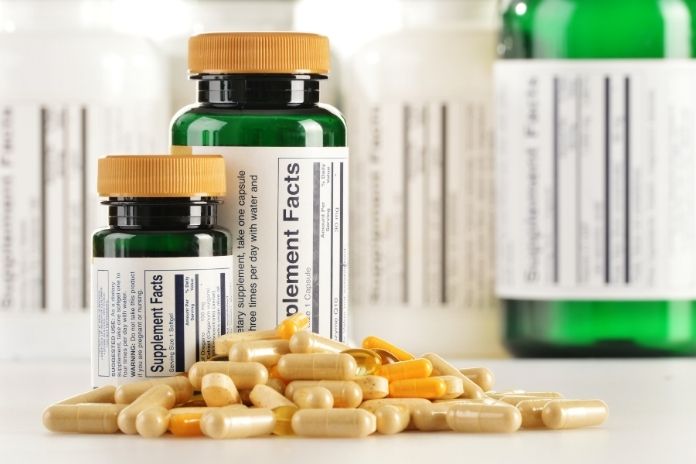
If you wish to opt for beef organ supplements, you must do this in the right way:
1. Choosing High-Quality Supplements
- Look for certification by NSF, USP, Informed Choice, or ConsumerLab.
- Check if it is grass-fed/pasture-raised sourcing, and has fewer toxins, more nutrient density.
- Opt for freeze-dried processing. It best preserves heat-sensitive nutrients.
- Go for products with transparent labeling, which describes specific organs used, the location of sourcing, and the ingredient list.
- Opt for single-ingredient formulas when possible. This helps avoid hidden fillers or blends.
2. Dosage Considerations
There isn’t an overall standard dosage for beef organ supplements. General guidelines to remember are:
- Follow the product’s label.
- Start with a lower dose to assess tolerance.
- Consider splitting the dose throughout the day.
- Avoid concomitant use with high-dose multivitamins containing vitamin A or iron.
3. How to Pair with Your Diet
Organ supplements should complement, not replace, a healthy diet. Here’s how you can pair them with your diet:
- Consume healthy fat-containing foods for the absorption of fat-soluble vitamins.
- Avoid taking with other iron or vitamin A supplements.
- Incorporate whole foods, including vegetables, seafood, legumes, and lean proteins.
Consult a doctor in the following situations:
- Pregnancy or lactation
- Iron overload/hemochromatosis
- Gout or high uric acid
- Kidney disease
- Liver conditions
Read More: Beef Liver Supplements: Health Benefits, Risks, and Who Should Take Them
Quick Summary
Beef organ supplements give high concentrations of important substances in your body, such as vitamin A, B12, iron, zinc, selenium, choline, and CoQ10. Benefits may include improved energy, immunity, muscle performance, and nutrient status in those who are deficient.
Actual research into supplements is scarce. Most evidence comes from studies on whole organ meats. Safety matters, since excessive intake of vitamin A or iron can be dangerous.
Remember to choose high-quality, third-party-tested products and use them as a part of an overall healthy diet.
FAQs
1. What’s the difference between beef organ supplements and eating beef liver?
Supplements offer convenience and predictable dosing but lack some whole-food components like moisture and connective tissue proteins. Consuming liver would provide more complete nutrition, but with the challenge of taste and texture.
2. Can I get the same nutrients from regular muscle meat?
No. Muscle meat has much less vitamin A, B12, selenium, and iron than organ meats. Organ meats are 10-100x richer in several nutrients.
3. Are organ supplements safe during pregnancy or breastfeeding?
It is generally not recommended, unless approved by a doctor, due to high vitamin A content affecting fetal development.
4. Will they improve my energy if I’m not deficient?
Probably not. Benefits are most noticeable in people with low iron, low B12, or low intake of nutrient-dense foods.
5. How many capsules should I take, and how often?
Follow product labels. Most recommend 4–6 capsules daily, but doses vary widely.
5. Can organ supplements help with muscle recovery or performance?
They can help if you’re low in iron, B12, CoQ10, or protein. They don’t substitute for good, balanced sports nutrition.
References
- NSF International. (n.d.). Supplement and vitamin certification. NSF.
- National Center for Biotechnology Information. (2019). Dietary supplements. In StatPearls. StatPearls Publishing.
- U.S. Food and Drug Administration. (2023). Questions and answers on dietary supplements. FDA.
- National Center for Biotechnology Information. (2019). Dietary supplements. In StatPearls. StatPearls Publishing.
- Nutriest. (n.d.). Nutrients in organ meats and their cellular function.
- Baptist Health. (2023). What are beef organ supplements?
- Everyday Health. (2024). What are organ complex supplements—and will they make you healthier?
In this Article