






You’ve probably seen it on social media or in minimalist skincare circles: a small glass jar of creamy, off-white balm labeled beef tallow. No preservatives. No fancy actives. Just rendered animal fat is being promoted as a skin savior.
That raises fair questions. Is beef tallow good for skin? Is this just another trend dressed up as “ancestral skincare,” or does it actually make sense from a dermatology standpoint?
Here’s the straight answer: beef tallow for skin can support moisture and barrier protection in certain people, but it’s not a miracle product, not suitable for everyone, and not a replacement for modern dermatologic care.
This article breaks down what beef tallow skincare really is, how it interacts with the skin barrier, what science supports, where the risks lie, and who should or shouldn’t consider using it.
What Is Beef Tallow, and Why Is It Used on Skin?
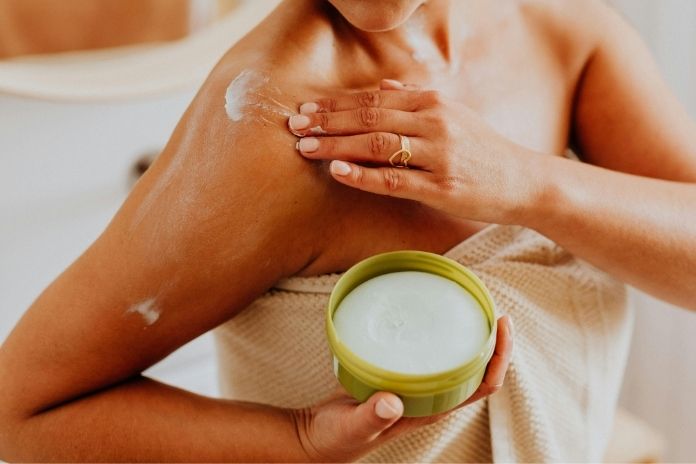
Beef tallow comes from the fatty tissue of cows, usually suet, which is slowly rendered to remove water and impurities. The result is a stable, solid fat at room temperature that can be used in different forms, including skincare. Its consistency and shelf stability make it a traditional choice for creams, balms, and ointments.
Long before modern lotions and synthetic moisturizers existed, people relied on animal fats to protect and nourish skin. Tallow, lard, and lanolin were common in soaps, ointments, and balms because they helped prevent water loss and softened dry, chapped skin.
Modern skincare shifted toward plant oils and lab-formulated creams for improved texture, stability, and targeted ingredients, but the principle of fat supporting the skin barrier remains the same. Not all tallow is created equal. Cosmetic-grade tallow is rendered under controlled conditions, filtered, deodorized, and tested for purity to ensure it’s safe for skin.
Cooking tallow, on the other hand, may contain residual proteins, odors, or impurities that can irritate skin or oxidize quickly, reducing effectiveness. Dermatologists caution that using improperly rendered tallow can cause sensitivity or break down faster, so sourcing matters.
Why beef tallow can support the skin barrier
The primary reason tallow is used in skincare is its ability to support barrier repair. Human skin relies on lipids, ceramides, cholesterol, and fatty acids to maintain hydration and protect against environmental stressors. Beef tallow contains fatty acids that closely resemble these natural skin lipids, including oleic acid, palmitic acid, and stearic acid.
These saturated and monounsaturated fats act as occlusives, forming a protective layer that reduces transepidermal water loss (TEWL). Research indexed on PubMed confirms that occlusive agents are among the most effective tools for preserving moisture in compromised skin barriers. Occlusives don’t add water to the skin; they lock in existing moisture.
That’s why beef tallow works best when applied to slightly damp skin as the final step in your skincare routine or in dry or cold environments. Dr. Zoe Diana Draelos, a dermatologist and skin barrier researcher, notes that occlusives are particularly helpful for severely dry, eczema-prone skin and post-procedure recovery.
In her clinical writings and skincare guidance, Draelos explains that highly occlusive and emollient-rich creams are necessary to rehydrate damaged skin and create an environment that supports barrier repair, particularly in conditions like eczema or skin that’s been injured or irritated.
Beef tallow also contains modest amounts of vitamin A and vitamin E, which contribute to skin health. These naturally occurring vitamins support barrier function but are not present in concentrations comparable to retinoids or specialized vitamin E serums. While they complement the moisturizing and protective effects, they do not deliver therapeutic doses, so claims about “vitamin-rich” tallow should be evaluated realistically.
Bottom line: Beef tallow is effective for reinforcing the skin barrier, preventing moisture loss, and protecting dry or compromised skin. Its benefits come from its fatty acid composition and occlusive properties, not from delivering high doses of vitamins. Sourcing cosmetic-grade tallow and applying it correctly ensures safety, efficacy, and a reliable addition to barrier-supportive skincare routines.
Potential Benefits of Using Beef Tallow on Skin
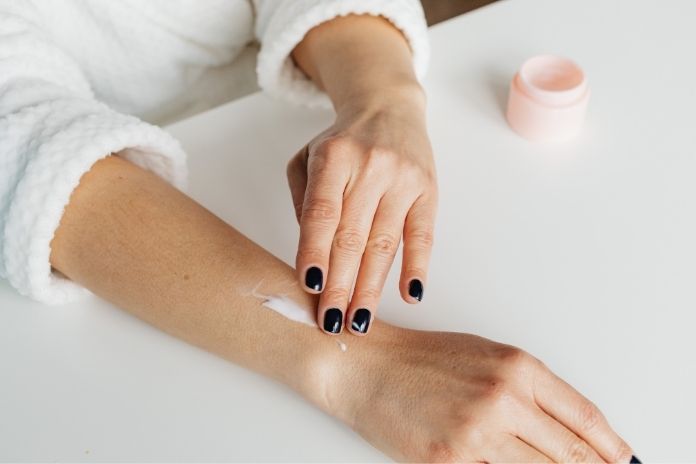
When used appropriately, beef tallow can offer meaningful benefits for certain skin concerns. Its strength lies in barrier support, occlusion, and simplicity rather than delivering active pharmaceutical ingredients.
Intense moisture for very dry skin.
Beef tallow is highly occlusive, which makes it excellent for people with severely dry or compromised skin barriers. Applying tallow-based balms can reduce flaking, tightness, and irritation by locking in moisture.
While it works similarly to petrolatum, tallow has a lipid profile closer to human skin, which some users find more compatible and comfortable for long-term barrier support.
Barrier protection in harsh environments.
Cold, windy, or low-humidity conditions accelerate transepidermal water loss (TEWL), leaving skin dry and cracked. Occlusive fats like beef tallow create a protective layer that shields the skin from environmental stressors while preserving moisture.
Historically, animal fats were widely used in extreme climates for exactly this reason, providing both comfort and protection where other moisturizers were unavailable.
Reduced ingredient exposure for sensitive skin.
Many modern moisturizers contain fragrances, preservatives, and complex formulations that can irritate sensitive or reactive skin. Beef tallow skincare is often minimalist, with only one or two ingredients, which reduces the likelihood of triggering irritation.
Dr. Whitney Bowe explains that for sensitive or easily irritated skin, it helps to stick with gentle, fragrance-free, well-tolerated products rather than layering too many actives or complex ingredients, a basic principle that can benefit people prone to contact dermatitis as long as the base ingredients themselves are tolerated.
Why does some eczema-prone skin find it soothing?
Eczema is characterized by a weakened skin barrier and increased water loss, which makes occlusive moisturizers particularly useful. While beef tallow does not treat eczema or its underlying inflammation, some people with eczema-prone skin report improved comfort when using heavy occlusives during flares.
The effect is similar to petrolatum-based products often recommended by dermatologists, helping reinforce the barrier and reduce dryness-related irritation.
In short, beef tallow can provide deep hydration, environmental protection, and minimal-ingredient skincare support, making it a practical option for dry, sensitive, or eczema-prone skin when used thoughtfully.
Risks and Downsides of Beef Tallow Skincare
While beef tallow can benefit certain skin types, it’s not universally safe or suitable. Understanding the potential risks helps ensure it’s used appropriately and avoids aggravating skin issues.
Can beef tallow clog pores? Yes, it can. Beef tallow is rich in saturated fats and oleic acid, which are considered comedogenic for some individuals. Dermatologists note that acne-prone or oily skin and congestion-prone areas like the face are more likely to react poorly to heavy occlusives that trap sebum and bacteria. For these skin types, tallow may worsen breakouts rather than improve hydration.
Fungal acne concerns. Certain yeasts, like Malassezia, feed on long-chain fatty acids found in animal fats. For people prone to fungal acne, tallow-containing products can exacerbate the condition. Those with a history of fungal acne or persistent scalp/facial yeast issues should exercise caution before applying beef tallow topically.
Texture, smell, and cosmetic acceptability. Be realistic about sensory expectations. Tallow is heavier and greasier than most modern moisturizers, which can feel uncomfortable, especially in warm or humid climates. Even deodorized formulations may retain a faint scent, which can make daily facial use impractical for some users. Comfort and cosmetic acceptability are important considerations alongside efficacy.
Quality, contamination, and shelf stability. As a fat, tallow can oxidize over time. Poor-quality or improperly rendered tallow may go rancid, develop irritant byproducts, or harbor impurities. Rancid fats can increase oxidative stress on the skin, undermining barrier health rather than supporting it. Dermatologists emphasize sourcing high-quality, cosmetic-grade tallow and proper storage as essential to safe use.
In short, while tallow has moisturizing and barrier-supporting properties, it carries notable risks for certain skin types and requires careful attention to quality, texture, and application.
Read More: Beef Tallow for Skin: Benefits, Risks, and How to Use It Safely
Beef Tallow vs Plant Oils and Modern Moisturizers
Beef tallow has regained attention in skincare for its barrier-supporting properties, but it’s important to understand how it compares to plant oils and modern moisturizers.
While tallow acts mainly as an occlusive, locking in existing moisture, most contemporary skincare products combine multiple functions, including hydration, barrier repair, and targeted treatment. Using tallow effectively requires knowing its role and limitations within a full routine.
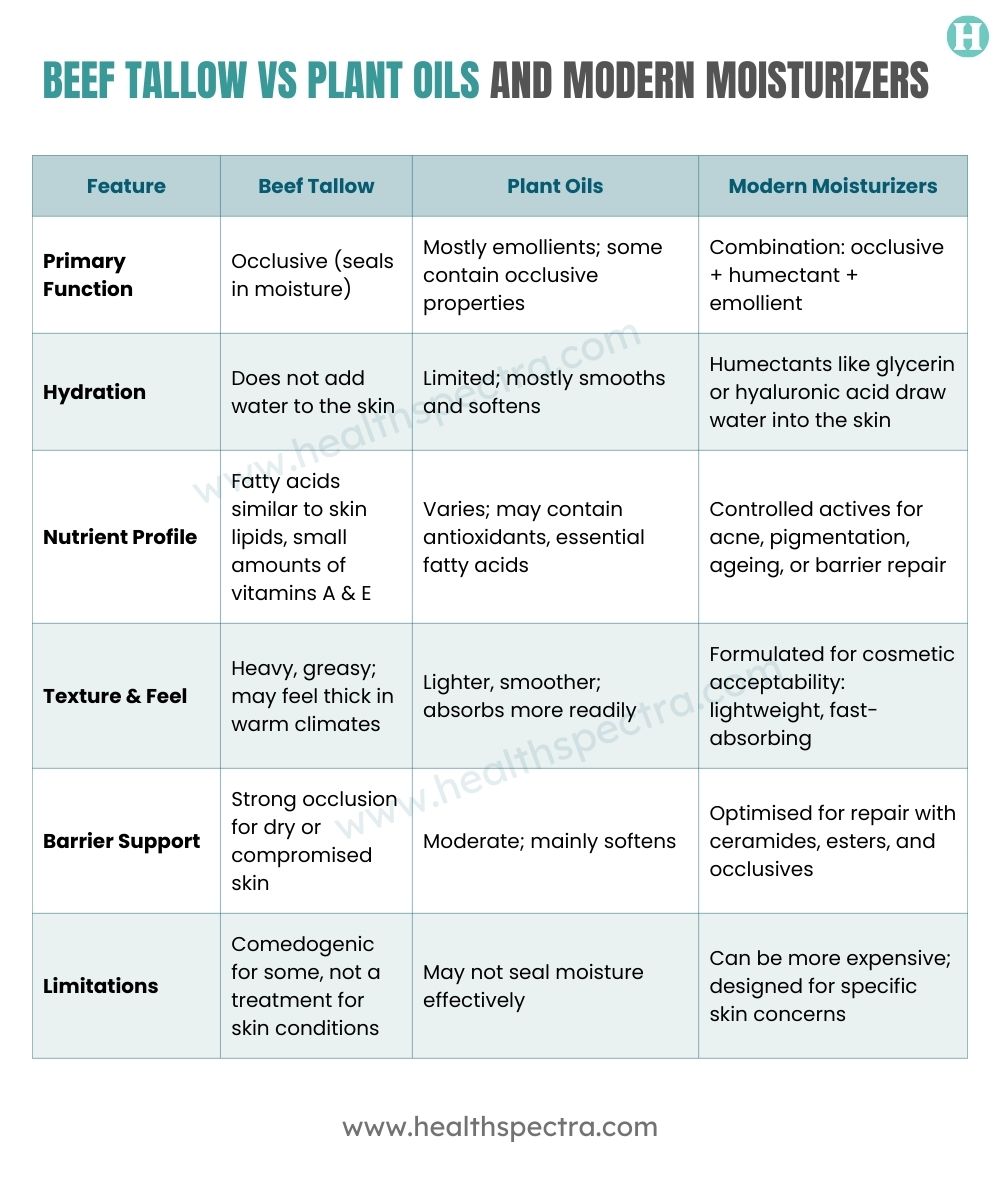 Beef tallow is primarily a supportive, occlusive moisturizer that helps prevent water loss and reinforce the skin barrier. It works best when layered over hydrating products and applied sparingly as the final step in a routine.
Unlike plant oils or modern moisturizers, it does not hydrate, deliver active ingredients, or address conditions like acne, pigmentation, or aging. Understanding its role allows tallow to be used effectively without replacing clinically formulated products or dermatologic care.
Read More: Why Your Moisturizer Isn’t Working (And How to Layer Skincare the Right Way)
Who Beef Tallow May Work Best For, and Who Should Avoid It
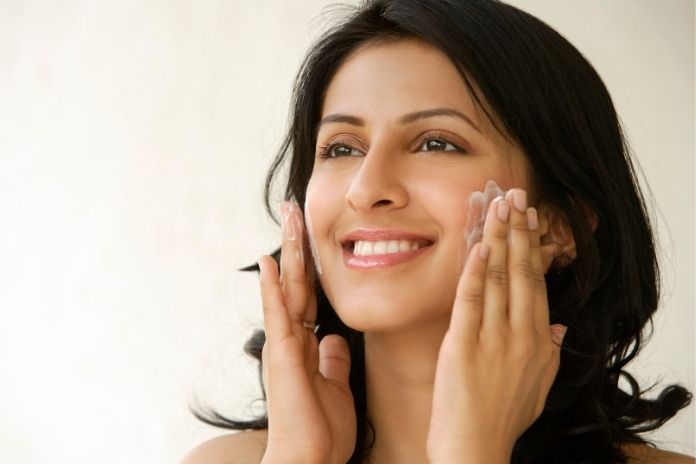
Beef tallow isn’t for everyone, but it can be a useful addition for certain skin types and situations.
It tends to work best for:
- People with very dry, non-acne-prone skin that struggles to retain moisture.
- Individuals with compromised or sensitive skin barriers.
- Those living in cold, dry, or low-humidity environments.
- Minimalist skincare enthusiasts seeking simple, few-ingredient options.
- Body skin applications, where texture and weight are less of a concern than on the face.
Conversely, tallow may not be suitable for everyone.
Exercise caution, or avoid it entirely, if you have:
- Acne-prone or oily skin.
- A history of fungal acne.
- Heat-induced breakouts or sweat-prone areas.
- Sensitivity or allergic reactions to animal-derived products.
- A preference for lightweight, fast-absorbing moisturizers.
Dermatologists recommend patch testing before broader use, even for skin types that seem compatible, to ensure no irritation or reaction occurs.
How to Use Beef Tallow Safely on Skin
- Patch testing first: Apply a small amount to your inner forearm for 24–48 hours to monitor for irritation or allergic reactions before applying it more broadly.
- Use very small amounts: A pea-sized portion is usually sufficient. Overapplication can trap oil and bacteria, increasing the risk of clogged pores and breakouts.
- Apply to damp skin: Occlusives like beef tallow work by sealing in moisture already present. Applying it to slightly damp skin maximizes hydration and barrier protection.
- Frequency of use: Once daily, or a few times per week, is often enough. More frequent application does not enhance benefits and may increase skin irritation or greasiness.
- Where it fits in a routine: Beef tallow should always be the final step after cleansing, hydrating, and applying lighter treatments. It locks in moisture and other active ingredients but does not replace sunscreen or targeted therapies.
Is Beef Tallow Better Than Commercial Moisturizers?
Short answer: not inherently. Beef tallow is a functional tool, primarily acting as an occlusive to reduce water loss. Modern moisturizers, whether petrolatum-based, ceramide-rich, or containing humectants like glycerin, offer comparable or superior benefits depending on skin type and concern.
Commercial products are designed to be:
- More cosmetically elegant and lightweight.
- Stable, with a controlled shelf life and resistance to rancidity.
- Effective across a wider range of skin types and conditions.
Dermatologists generally do not recommend replacing well-formulated products with animal fat unless there is a specific reason, such as extreme dryness, sensitivity to modern ingredients, or preference for minimalist skincare. Beef tallow works best as a complementary option rather than a wholesale substitute.
Waiting for a Miracle? Here’s the Reality
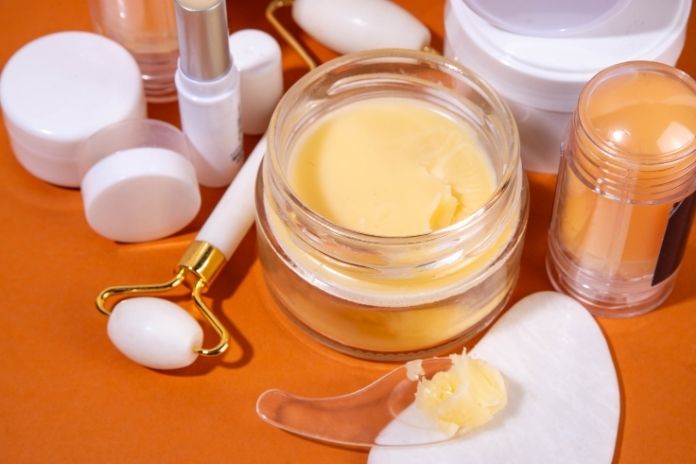
Beef tallow has a reputation in natural skincare circles, but it’s important to separate hype from reality. When used correctly, tallow can provide real benefits: it moisturizes skin, forming a protective layer that reduces transepidermal water loss; it supports the skin barrier, helping dry or compromised skin stay hydrated; and it minimizes exposure to unnecessary ingredients, which can be helpful for those with sensitive or reactive skin.
That said, tallow has clear limits. It cannot cure skin conditions such as acne, eczema, rosacea, or psoriasis. It does not replace sunscreen, which protects against UV damage and photoaging.
While it contains small amounts of vitamins A and E, it cannot deliver therapeutic doses comparable to dermatology-grade serums. Most importantly, it does not work for everyone; oily, acne-prone, or fungal acne-prone skin may react poorly to its heavy, occlusive nature.
Science supports beef tallow’s role as an occlusive barrier-supporting agent, but it should be viewed as a supplement to a well-rounded skincare routine, not a miracle solution. Understanding its function helps set realistic expectations: it can lock in moisture and reinforce the skin barrier, but it cannot replace evidence-based treatments or protective measures.
Using tallow wisely, sourced properly, applied sparingly, and layered over hydrating products, maximizes benefits while minimizing risk, allowing it to be a practical tool for dry, sensitive, or minimalist skincare routines.
Key Takeaway: Is Beef Tallow Worth Trying for Skin?
Beef tallow can be a useful tool in skincare, particularly for supporting moisture retention and reinforcing the skin barrier. Its strength lies in its occlusive properties, which lock in hydration and protect skin from environmental stressors. However, it is not a miracle solution; it does not treat underlying skin conditions, deliver therapeutic vitamins, or replace modern dermatologic care.
For people with very dry, non-acne-prone skin who enjoy minimalist routines, tallow can be worth cautious experimentation. Start with small amounts, patch test, and layer it over hydrating products to maximize benefits. On the other hand, if your skin requires targeted treatment for acne, eczema, pigmentation, or aging, well-formulated modern products remain the more reliable option.
Ultimately, the evidence supports barrier support and occlusion, not exaggerated claims of “healing” or curing skin issues. Understanding its role allows you to use beef tallow effectively as part of a thoughtful, personalized skincare routine, rather than expecting it to replace scientifically proven treatments.
References
- House of Tallow. (n.d.). 3 reasons tallow supports skin barrier health.
- GoodRx Health. (2024). Is beef tallow good for your skin?
- Sky & Sol. (n.d.). How tallow helps repair the skin barrier.
- PubMed Central (scientific review)
- Peach Dermatology. (n.d.). Why your dermatologist doesn’t recommend tallow for your face.
- Choi, A. (2024). Does beef tallow really work for skin? Vogue.
- Sveda. (n.d.). Why your skin recognizes tallow: The science behind biocompatible skincare.
- Boone, J. (2024). Beef tallow for skin: Does it really work? NBC News.
- Oh So Bare. (n.d.). Beef tallow skin care: What is tallow and why do we use it?
- EDerm Group. (n.d.). Beef tallow as a moisturizer: Is it good for your skin?
- Era Organics. (n.d.). Beef tallow for skin: Natural trend or skincare staple?
- MD Anderson Cancer Center. (2024). Beef tallow benefits: Should you use it?
- Be Beautiful Medical. (n.d.). Beef tallow for skin: Natural trend or clinical trouble?
- Good Morning America. (2024). Dermatologist-approved moisturizers for mature skin.
- Draelos, Z. D. (n.d.). Skin care.
- Draelos, Z. D. (2006). Concepts in skin care maintenance. Cutis, 78(Suppl. 6), 5–10.
- Fluhr, J. W., et al. (2023). Evaluation of occlusive activity of moisturizers using a damaged skin model. Skin Pharmacology and Physiology, 36(1), 1–10.
In this Article