








In the nutritional supplements world, supplements of beef liver have made a place for themselves as one of the strongest whole food sources of significant vitamins and minerals.
Though consuming liver has been part of the tradition in every culture’s diet, the contemporary palate does not always cooperate with its robust taste and texture. Enter the freeze-dried capsule—an odorless, tasteless, and easy way to tap into the strong nutritional profile of beef liver without the hassle of cooking or consuming the organ itself.
But what is it about beef liver that makes it so valuable? Is supplementing with beef liver the same as consuming the actual organ? And most importantly, who needs to take beef liver supplements, and are there any dangers involved?
This article explains the major nutrients in beef liver supplements, their extensive health benefits, possible side effects, and selecting a quality supplement. You might be an athlete seeking a natural energy booster, a person with iron deficiency, or simply interested in ancestral nutrition.
Being aware of the advantages and disadvantages of beef liver supplements can guide you to an informed choice.
What Are Beef Liver Supplements?
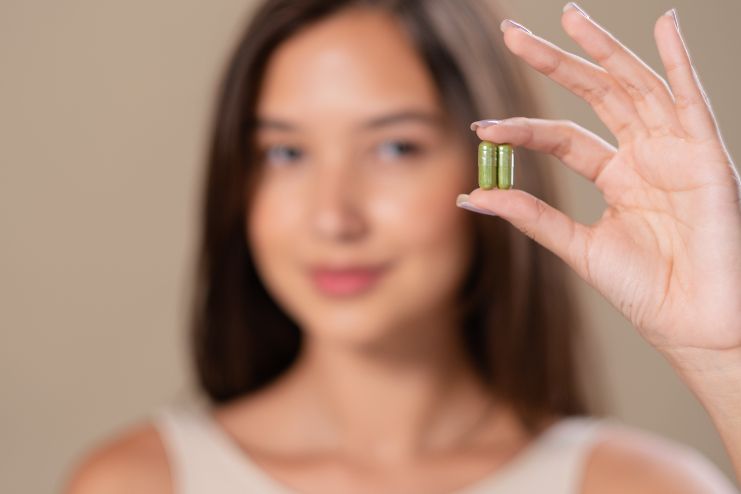
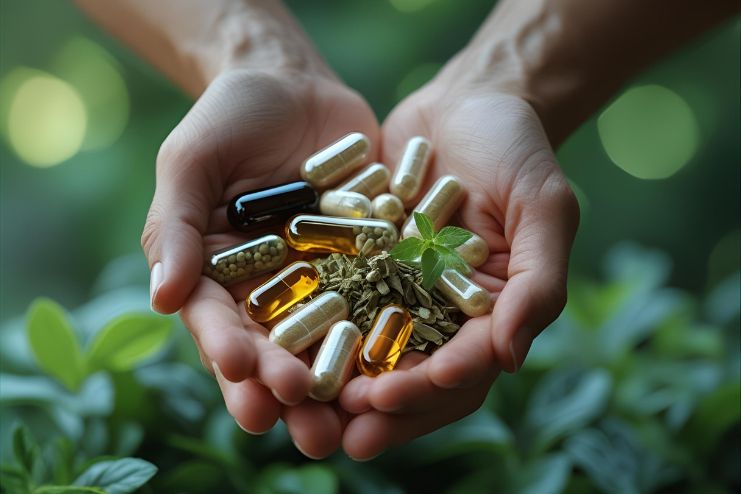
Beef liver supplements are a nutrient-dense, concentrated form of beef liver that is generally freeze-dried (or desiccated) and then encapsulated for easy use. Supplements of this type seek to provide the same nutritional benefits of raw or cooked beef liver without having to prepare or ingest it in its raw or cooked state. Since most people are repelled by the strong flavor, odor, or texture of liver, supplements provide an easier alternative while maintaining all but a few of the health benefits.
The primary ingredient in the supplements is freeze-dried liver, commonly from grass-fed, pasture-raised animals. Freeze-drying stabilizes the nutrients better than high-heat procedures, and the supplements become a whole-food-based substitute for synthetic multivitamins. Desiccated liver supplements are typically additive-free, and some are sold as paleo- or keto-friendly because of their ancestral diet compatibility.
The most important difference between consuming raw or cooked beef liver and supplementing with it is convenience, accuracy of dosing, and taste. Supplements provide a standardized amount of important nutrients such as vitamin A, vitamin B12, and iron, while nutrient content in cooked liver can depend on preparation and source.
Moreover, high-quality supplements of beef liver tend to be heavily tested for heavy metals and impurities, so they provide an even cleaner alternative to organ meat that is sourced poorly.
People who avoid organ meats due to personal, religious, or sensory considerations may resort to these supplements to address nutritional deficiencies, particularly if they are on diets such as carnivore, paleo, keto, or low-carb regimens that focus on whole-animal nutrients.
Read More: 5 Best Detox Supplements for Liver Support and Toxin Removal
Nutritional Breakdown of Beef Liver Supplements
Beef liver is among the most nutritious foods one can find, and supplements derived from it preserve much of its essential micronutrients. Individual products may differ slightly, but most beef liver supplements share the following essential nutrients:
Vitamin A (Retinol):
Beef liver is a very concentrated source of preformed vitamin A, which is crucial for vision, the immune system, skin health, and reproduction. It is possible to get far more than 100% of your daily value in a single serving of desiccated liver.
Vitamin B12:
Otherwise referred to as cobalamin, vitamin B12 is vital for energy, the production of red blood cells, DNA synthesis, and neurological health. It is among the most prevalent nutrients to be lacking in vegetarians and vegans, so supplements from the liver are a great option for those who do not eat animal products.
Iron (Heme Iron):
Beef liver contains iron in the heme state, which is much more bioavailable than non-heme iron contained in plant foods. Beef liver supplements are particularly beneficial for those with a history of iron-deficiency anemia.
Copper, Folate, and Choline:
Copper is needed for the metabolism of iron and the development of connective tissue. Folate (vitamin B9) is involved in DNA synthesis and cell division, particularly important during pregnancy. Choline contributes to the function of the liver, the metabolism of fats, and to the synthesis of neurotransmitters.
CoQ10 (in Some Products):
Certain beef liver supplements contain Coenzyme Q10 (CoQ10), a substance that promotes mitochondrial energy production and heart health. It is not everywhere, and therefore, customers looking for CoQ10 benefits must scrutinize product labels.
Comparison to Multivitamins:
Beef liver supplements provide most of the same nutrients in a multivitamin, but in a whole food matrix that could increase bioavailability. They do not usually have synthetic fillers or isolated nutrients, which makes them the choice for those who want a more natural form of vitamins and minerals.
Top Health Benefits of Beef Liver Supplements

Here are a few significant health benefits of consuming beef liver supplements:
Increases Energy and Decreases Fatigue:
The beef liver supplements’ high content of vitamin B12 and heme iron will considerably enhance energy levels by promoting red blood cell production and supporting oxygen supply throughout the body. The nutrients are critical for mitochondrial energy generation; thus, the supplements are highly beneficial for individuals suffering from chronic fatigue.
Maintains Red Blood Cell Production and Avoids Anemia:
Heme iron, copper, folate, and vitamin B12 are all synergistic in assisting with hemoglobin formation and healthy red blood cell development. This benefits supplements of beef liver for individuals experiencing or at risk for iron-deficiency anemia.
Improves Skin, Hair, and Nail Health:
Vitamin A encourages healthy turnover and repair of skin cells, and B vitamins aid in the production of collagen and follicular strength. Copper and zinc, also present in the liver, are significant in ensuring skin flexibility as well as hair pigmentation.
Thyroid Function and Hormonal Balance:
Trace minerals such as iron, selenium, and copper are necessary for thyroid hormone formation and metabolism. Vitamin A also supports endocrine balance by helping regulate hormone levels.
Brain Function and Mental Acuity Support:
Choline, B12, and folate are important for cognitive function, neurotransmitter function, and mental acuity in general. These nutrients tend to ease brain fog, enhance memory, and assist mood balance.
Immune System Support:
Vitamin A and zinc support immune regulation and protect mucosal surfaces, and selenium and CoQ10 (if available) act as antioxidants that promote immune resilience.
Muscle Recovery and Physical Performance:
The high-quality protein and energy-sustaining nutrients in beef liver supplements make them an excellent complement to a workout routine. Athletes can gain from increased endurance, shorter recovery time, and improved muscle function.
Read More: Best NAD+ Supplements for Energy, Aging, and Cellular Health [2025 Edition]
Possible Risks and Side Effects
While they are rich in nutrients, beef liver supplements are not completely safe. In excess or if misused, they can have detrimental effects on health.
Vitamin A Toxicity:
One of the known hazards of consuming beef liver is hypervitaminosis A, due to overdose of preformed vitamin A. Harmful symptoms of vitamin A include headache, dizziness, nausea, joint pain, and, in more advanced situations, liver damage. Long-term overdose can also lead to thinning of the bones and congenital abnormalities in pregnant women. As beef liver is very rich in vitamin A, it is best to monitor the intake closely, particularly if they take other vitamin A-rich supplements or foods.
Iron Overload:
Those with conditions such as hemochromatosis (an inherited condition causing iron buildup) must avoid beef liver supplements because they are rich in iron. Too much iron in the body can harm organs, especially the liver and heart, and can raise the risk of certain infections.
Pregnancy and Breastfeeding Issues:
Pregnant or lactating women should speak to their medical provider before consuming beef liver supplements, since excessive amounts of vitamin A are teratogenic (adversely affect fetal development).
Risk of Contaminants:
Substandard beef liver can carry toxic materials like heavy metals, antibiotics, or hormones. Opting for third-party certified supplements made from grass-fed, pasture-raised cattle can help reduce this risk.
Allergic Reactions or Intolerances:
Although uncommon, some people may experience digestive sensitivities or reactions to beef or organ meat supplements. Begin with a low dose to test tolerance.
Read More: 7 Sleep Supplements That Actually Work—And 3 That Don’t (According to Science)
Who Should (and Shouldn’t) Take Beef Liver Supplements
Individuals Who Might Benefit:
- Those with iron-deficiency anemia or low energy
- Those with restrictive diets (carnivore, paleo, keto, low-carb)
- Individuals who don’t enjoy consuming organ meats but want their benefits
- Athletes who are looking for improved endurance and recovery
- Individuals with weak nutrient absorption or higher-than-normal nutrient requirements
Individuals Who Should Not Take or See a Doctor First:
- Pregnant and lactating women
- Those with liver disease or raised liver enzymes
- Those with iron overload conditions (e.g., hemochromatosis)
- Those already consuming high doses of vitamin A or iron
- Children and teenagers, unless told to by a health professional
How to Choose a Quality Beef Liver Supplement
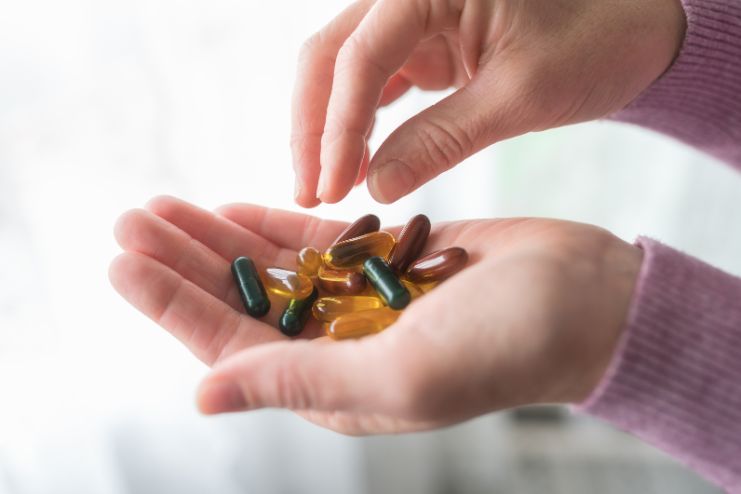
To get the most benefit and lowest risk, choosing a good quality supplement is essential. Consider these factors below before buying it:
Source of the Liver:
Select supplements that are 100% grass-fed, pasture-raised beef liver. Cattle that graze on clean pastures and are fed natural diets create liver with a higher nutritional value and reduced risk of contaminants.
Processing Method:
Opt for freeze-dried (desiccated) liver, which loses fewer nutrients compared to heat-dried alternatives. Steer clear of products using high-temperature processing, which destroys vitamins.
Purity and Testing:
Choose brands that have third-party testing for heavy metals, pesticides, and microbial contaminants. Transparency of testing guarantees product safety.
Label Transparency:
Quality brands will specifically note vitamin A and iron per serving. Dosage instructions must also be concise and safe, usually suggesting taking the supplement with food and water.
Other Ingredients:
Some supplements include a combination of organ meats (heart, kidney, spleen) or added CoQ10. Although they may provide more benefits, they are not always needed by all individuals. Evaluate your personal needs before choosing a complex formula.
Recommended Dosage and How to Take It:
The majority of supplements suggest taking 4 to 6 capsules daily based on the amount of nutrients contained per capsule. Begin with a low dose (e.g., 2 capsules a day) and increase as tolerated. Take liver supplements with food to help in better nutrient absorption and minimize possible gastrointestinal distress. Avoid exceeding the recommended dosage unless instructed by a healthcare practitioner, particularly if you take other vitamin A or products containing iron.
Natural Alternatives and Whole Food Options
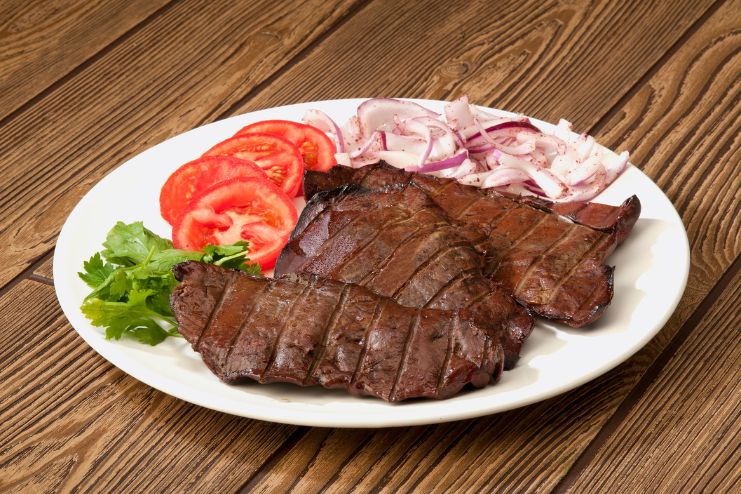
Although beef liver supplements are convenient, they are not the only method of taking organ meats. Natural and whole-food alternatives are:
Consuming Cooked Beef Liver:
Having a small serving of cooked beef liver (approximately 3 to 4 ounces) per week will yield great amounts of vitamin A, B12, and iron. This way, you get the complete array of nutrients intact.
Other Organ Meats:
Chicken, lamb, or pork liver also has useful nutrients, though possibly less vitamin A. Kidney and heart offer other micronutrients and can be cycled in an organ meat-contained diet.
Whole Food Multivitamins:
For those unwilling or unable to eat organ meats, whole-food-based multivitamins derived from fermented or food-sourced nutrients can be a substitute. They most likely will not include heme iron or the complete set of nutrients derived from the liver, though.
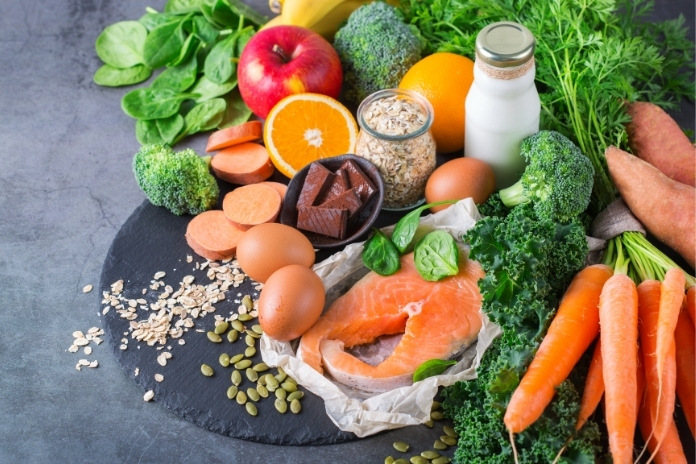
While plants do not provide heme iron or preformed vitamin A, foods rich in beta-carotene (like carrots and sweet potatoes), iron (like lentils and spinach), and B vitamins (from legumes and grains) can partially support similar functions when combined thoughtfully.
Conclusion
Beef liver supplements offer a concentrated, bioavailable dose of key nutrients that fuel energy, immunity, brain function, skin health, and beyond. Particularly for those with poor nutrient intake, anemia, or strict dietary restrictions, these supplements can be a natural, effective nutritional partner.
But their strength also requires care. Excessive use can cause vitamin A toxicity or iron overload, and some people must avoid them completely without medical advice. Picking up a good-quality, ethically produced supplement and taking it in moderation is the key to enjoying the rewards without the dangers.
For those who wish to include ancestral nutrition in their health regimen without directly consuming liver, beef liver supplements are a great choice! However, remember to take them with care!
References
- https://www.webmd.com/diet/liver-good-for-you
- https://www.ncbi.nlm.nih.gov/books/NBK531491/
- https://archerjerky.com/blogs/the-range/the-top-10-health-benefits-of-eating-beef-liver
- https://www.webmd.com/diet/liver-good-for-you
- https://www.ebay.com.au/itm/365279003078
- https://www.paleopowders.com/en/blogs/news/organ-meat-as-multivitamin
- https://bansalhospital.com/hemochromatosis-and-liver-damage
In this Article