














A healthy, balanced diet is the cornerstone of achieving and maintaining optimal health and well-being. What we eat directly impacts everything from our energy levels and immune function to mental clarity and emotional stability. By following a nutritious, balanced diet, we support proper growth, development, and longevity while reducing the risk of lifestyle-related diseases such as diabetes, heart disease, and obesity.
When we discuss a healthy, balanced diet plan, we don’t mean depriving yourself of foods you love or following strict calorie restrictions. Instead, a balanced diet means providing your body with a full range of essential macro and micronutrients—proteins, fats, carbohydrates, vitamins, and minerals—while eating with moderation, variety, and mindfulness.
Establishing a strong nutritional foundation begins with incorporating whole foods into your meals. Understanding and committing to balanced eating habits represents a significant step toward a healthier, more vibrant life.
Read More: The Power of Macronutrients: Understanding Proteins, Carbs, and Fats in Your Diet
Understanding Nutritional Needs
Most of us know we need a nutrient-rich diet, but what exactly is a nutrient? Nutrients are chemical substances found in food that consist of vitamins, minerals, proteins, and carbohydrates. Your body uses these components to support growth and survival.
“We must eat to provide our bodies with nutrients,” explains Tara Coleman, a clinical nutritionist in San Diego. “Nutrients are essential for proper bodily function. Without them, we begin to experience symptoms like fatigue, mental fog, and increased susceptibility to illness.”
Different foods provide various nutrients, which is why maintaining good health requires a balanced diet that includes both plant and animal sources. However, achieving this balance can be challenging—research shows that approximately 90% of people don’t consume adequate amounts of fruits and vegetables daily.
Nutrition is the process of consuming and digesting the food your body needs for survival. During digestion, the body breaks down food into its essential components. These nutrients serve critical functions beyond basic survival:
- Research demonstrates that eating a healthy diet can reduce your risk of heart disease, stroke, and diabetes
- Proper nutrition promotes healing, whether you’re recovering from surgery, illness, or injury
Here are the key nutrients that nutritionists recommend obtaining daily:
Protein: According to Haley Bishoff, RDN, owner of Rūtsu Nutrition in Las Vegas, people should prioritize macronutrients—fat, protein, and carbohydrates. While getting enough fat and carbohydrates is usually manageable, protein can sometimes be challenging. Bishoff recommends including protein in every meal to ensure adequate intake.
Fiber: While technically not a nutrient, fiber is essential for daily nutrition. It’s necessary for proper digestive tract function and helps your body absorb nutrients more effectively.
Calcium: Micronutrients like vitamins and minerals are crucial for proper bodily function. Calcium, a vital mineral, is essential for maintaining strong bones.
Building Blocks of a Healthy Diet

A well-structured, diverse diet is fundamental to achieving and maintaining healthy living. Incorporating a variety of food groups ensures you receive the full spectrum of nutrients necessary for overall health.
The five main food groups include:
- Vegetables and legumes (beans)
- Fruits
- Protein sources: Fish, eggs, tofu, lean meats and poultry, legumes, nuts, and seeds
- Grain foods: Preferably whole grain or high-fiber cereals
- Dairy products: Milk, yogurt, and cheese, typically reduced-fat varieties
Foods are categorized based on their primary nutritional components. For example, fruits are rich in vitamins, particularly vitamin C, while dairy products like milk, yogurt, and cheese are primary sources of calcium and protein.
Maintaining a balanced diet requires consuming appropriate portions from all five food groups daily. Eating a variety of foods within each group is crucial because different foods contain varying types and amounts of essential nutrients.
Read More: Debunking Myths: Unraveling Misconceptions About Vegan and Vegetarian Diets
Mindful Eating Practices
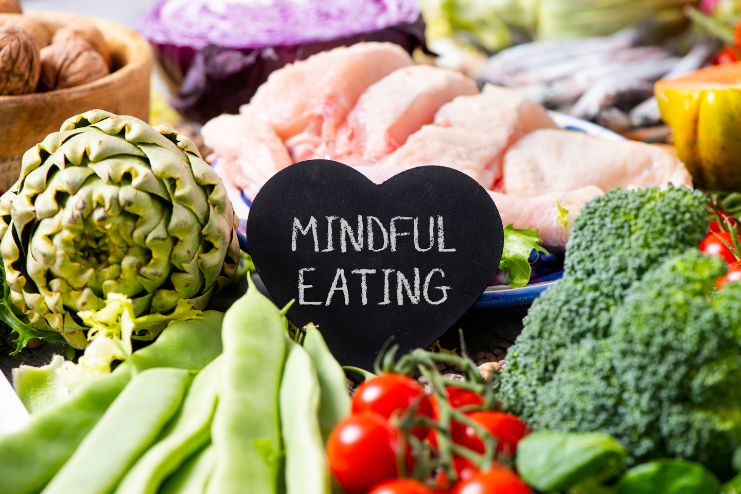
Mindful eating, a form of mindfulness meditation, focuses on being fully present and aware of your feelings, thoughts, physical sensations, and environment while eating. This practice involves complete awareness of both the eating experience and your relationship with food.
This approach emphasizes cooking and eating in distraction-free environments. By focusing on your meal and becoming more attuned to your body’s signals of hunger and satiety, you can enhance your overall health and well-being.
Benefits of mindful eating include:
- Improved body awareness:Better understanding of hunger, cravings, and fullness signals, leading to a healthier relationship with food
- Appetite regulation:Tuning into your body’s signals helps you stop eating when satisfied, potentially reducing binge eating episodes
- Stress reduction:Mindfulness-based activities like mindful eating can help lower cortisol levels
How to Practice Mindful Eating:
- Notice the food’s texture, aromas, and sounds during meal preparation (such as chopping vegetables or opening packages)
- Serve portions that will satisfy your hunger without overeating
- Eat slowly, taking time to chew thoroughly and reflect on the food’s flavor, texture, and overall enjoyment
Meal Planning and Preparation
Meal planning is a straightforward strategy to help you achieve your health goals, whether improving your diet or managing weight. Preparing meals in advance offers numerous benefits that can support weight management and enhance overall health.
Meal planning involves organizing your meals for a specific timeframe, typically a week. Rather than deciding what to eat each day, creating a meal plan provides a roadmap for your week. By planning your weekly grocery list in advance, you can ensure nutritious meals while saving time.
Meal planning also helps maintain health objectives. Frequent dining out often leads to higher calorie consumption, as restaurants typically serve meals with excessive amounts of added fat, sugar, and sodium, plus larger portion sizes. Home cooking gives you greater control over ingredients and portions.
As Basheerah Enahora, RDN and owner of BE Nutrition in Charlotte, North Carolina, explains, “I firmly believe that meal planning rewards us with better overall living. When we plan ahead, we’re more likely to make healthy choices at the grocery store.”
Read More: Gut Health and Diet: Foods that Promote a Healthy Digestive System
Adaptability and Flexibility
In today’s fast-paced world, flexibility and adaptability in food choices are essential. Since individual tastes and lifestyles vary, creating a sustainable, balanced diet requires developing an adaptable nutrition plan.
Flexible dieting offers a valuable alternative to the rigid rules of traditional diets. This approach recognizes that all foods can be part of a balanced diet and supports diverse dietary choices rather than enforcing strict restrictions. Instead of vilifying certain foods, it honors food as a source of pleasure, satisfaction, and energy.
Traditional diets often categorize foods as “healthy” or “unhealthy,” potentially causing guilt or shame when people consume “forbidden” foods. Flexible eating avoids rigid categorization and focuses on overall eating patterns rather than individual food choices.
A flexible diet doesn’t prohibit any foods but emphasizes moderation and balance, reducing the risk of binge eating and extreme hunger. Think of it as a structured but adaptable meal plan.
When traveling, planning becomes especially important. Having nutrient-dense snacks available, choosing healthy restaurants, and monitoring portion sizes all contribute to maintaining healthy choices on the road. Flexibility allows room for occasional treats while supporting overall health goals.
Seeking Professional Guidance

Consulting a registered dietitian primarily aims to support your overall health and wellness. Beyond optimizing energy and supporting mental health, proper nutrition is critical for preventing and managing chronic diseases. Working with a registered dietitian can help strengthen your immune system, address specific health concerns, and incorporate more nutrient-dense, balanced foods into your lifestyle.
There are many compelling reasons to visit a dietitian or nutritionist. These professionals provide personalized recommendations based on various factors, including gender, age, activity level, and specific health conditions. Their extensive nutritional knowledge enables them to help clients create balanced diets tailored to individual preferences and needs.
Professional guidance becomes especially valuable for individuals with unique dietary requirements or health conditions. A nutritionist can provide specialized advice to optimize nutrition while addressing specific concerns, whether managing chronic conditions, pursuing weight loss, or following specialized diets like vegetarian or gluten-free plans.
Dietitians share valuable knowledge about nutrition and its impact on overall health. Through professional consultation, individuals learn about their body’s nutrient requirements, proper portion sizes, and the importance of balanced meals. This education promotes personal accountability and empowers clients to make informed health decisions.
Read More: The 5:2 Diet Explained: Can Fasting Two Days a Week Help You Lose Weight?
Conclusion
A well-balanced, healthy diet is essential for maintaining overall health, preventing disease, and improving quality of life. A balanced diet provides your body with the nutrients needed for normal function, energy production, mental alertness, and emotional stability. Eating isn’t just about satisfying hunger—it’s about nourishing your body to function at its optimal level.
Creating healthy eating habits doesn’t require sudden, drastic changes. Long-term success comes from small, consistent practices like increasing fruit and vegetable intake, choosing whole grains, reducing processed foods, and staying properly hydrated.
With the guidance and suggestions provided in this article, you can establish a sustainable nutrition plan that works for your unique lifestyle and needs.
References
- https://www.medicalnewstoday.com/articles/326132#vitamins
- https://my.clevelandclinic.org/health/articles/nutrition
- https://www.uhc.com/news-articles/medicare-articles/8-nutrients-you-need-every-day
- https://www.linkedin.com/in/taracoleman/
- https://pmc.ncbi.nlm.nih.gov/articles/PMC6650179/
- https://www.betterhealth.vic.gov.au/health/healthyliving/healthy-eating
- https://www.eatforhealth.gov.au/food-essentials/five-food-groups
- https://www.who.int/initiatives/behealthy/healthy-diet
- https://nutritionsource.hsph.harvard.edu/mindful-eating/
- https://www.usnews.com/wellness/food/articles/benefits-of-mindful-eating
- https://my.sjcme.edu/employees/the-benefits-of-mindful-eating/
- https://www.helpguide.org/wellness/nutrition/mindful-eating
- https://nutritionsource.hsph.harvard.edu/meal-prep/
- https://www.everydayhealth.com/diet-nutrition/scientific-benefits-of-meal-prepping/
- https://www.mayoclinic.org/healthy-lifestyle/nutrition-and-healthy-eating/in-depth/healthy-meals/art-20546806
- https://www.brownhealth.org/be-well/meal-planning-101-how-eat-healthy-and-save-time-and-money
- https://www.beaumont.org/health-wellness/blogs/health-benefits-of-meal-planning
- https://www.webmd.com/diet/flexible-dieting
- https://www.workingagainstgravity.com/articles/what-is-flexible-dieting
- https://assortmentfoods.com/the-benefits-of-flexible-meal-planning/
- https://sonutrition.com/why-you-should-consult-a-registered-dietitian-for-your-dietary-needs/
- https://www.revistanutricion.org/articles/the-importance-of-dietetic-consultation-in-achieving-optimal-health-105956.html
- https://marinadietitian.com/nutrition-experts-why-you-should-consult-a-registered-dietitian/
In this Article