














When I became a new mother, every small detail about my baby mattered, even their poop. There were days when the baby used to be gassy, with no signs of poop. This worried me greatly, and I decided to conduct some research on the matter. Here’s what I learnt:
It’s normal for babies to pass gas all the time, but not poop for a day or two. On the surface, this may worry you, particularly when you wait for a poopy diaper after a feed. However, here we must remember that a baby’s digestive system is still underdeveloped, and their bowel patterns are totally different. Their intestines are developing to regulate the contraction of muscles, digest milk or formula, and expel waste, so “passing gas but not pooping” can simply be a part of that process.
In this article, we’ll understand when this pattern is normal, when it may not be, and safe ways to help your baby feel more comfortable. We hope parents or caregivers who are worried about their baby not pooping but farting will find answers here.
Read More: The Best Natural Remedies for Baby Gas and Colic Relief (Backed by Science & Parents)
How Often Should Babies Poop? (Normal Bowel Frequency by Age)
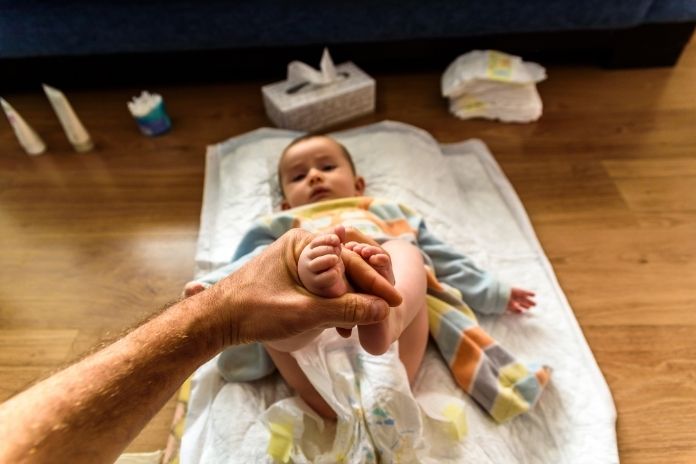
Here’s some information on how often babies should poop. Let’s read!
Newborns:
Newborns tend to poop frequently, particularly breastfed infants, after regular meals. They can have as many as 8–10 diaper changes a day or go a day or two without it, both of which are normal. Frequent bowel movements are a sign of good nutrition and a healthy working digestive system. Missed stools are typically not a cause for concern, provided the baby is a good eater and has plenty of wet diapers.
2–6 Weeks:
Between 2 and 6 weeks, most babies slow down their poop frequency to once a day or even every other day, especially breastfed babies. This is because breast milk is well-digested, with little waste. This slowing down often scares the parents. However, if the baby is feeding well and producing normal wet nappies, it’s usually fine. Every baby finds their own rhythm, and some might poop only every other day without any problems.
After 2 Months:
At around 2 months, bowel frequency becomes less consistent. Some still poop after each feed, whereas others poop every few days. This indicates an improving digestive system that can manage to expel the waste more effectively. Parents need to watch for consistency in stools, the comfort of the baby, and feeding and growth more than poop frequency.
Formula-fed vs Breastfed:
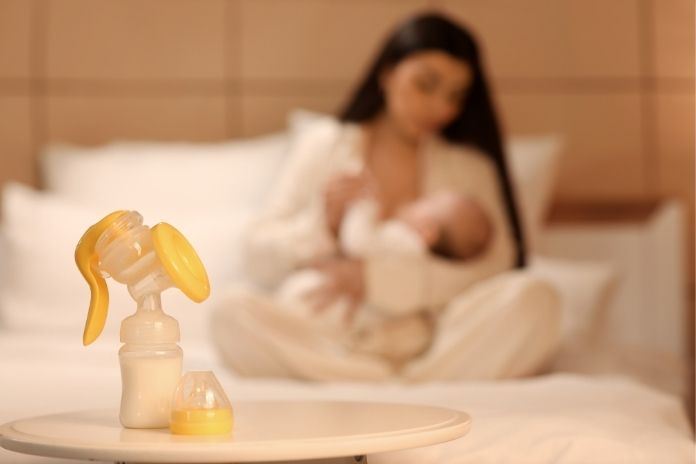
It is observed that formula-fed infants have fewer and harder stools because they absorb more slowly and have more waste. Surprisingly, passing gas is actually a healthy sign of digestion in breastfed babies compared to those who aren’t. You must watch for signs such as comfort, alertness, and feeding patterns of the baby.
Read More: Why More Parents Are Switching to Organic Baby Formula: Is It the Healthier Choice?
Reasons Why Your Baby Passes Gas but Does Not Poop
Here are a few significant reasons why babies do not poop yet pass gas:
1. Immature Digestive System
During the initial weeks of life, a baby’s bowel movements and intestines are still developing. Gas is easily passed through, but stool may take longer to develop or pass. Babies will grunt, strain slightly, or pass gas without passing a complete stool. This is usually just a developmental phase. The baby’s body is adapting to the complex process of digestion, waste production, and elimination.
Tips to keep in mind:
- Mild straining and grunting are generally normal in newborns.
- Gas with no poop does not necessarily mean constipation.
- Feeding patterns and comfort are good signs of normal digestion.
- Parents must have patience while their babies’ digestive systems are developing.
2. Normal Variation in Bowel Pattern
Especially in breastfed infants, milk is easily digested, with very little waste left behind. Some babies may skip several days of pooping, but still be perfectly healthy if their stool is soft when they pass it. Each infant has their own timing, and their comfort and wet diapers are all that matters here. Irregular bowel movements don’t necessarily indicate a problem.
Things to keep in mind:
- Breastfed infants may occasionally experience stools that are up to a week apart.
- Stool frequency is less important than comfort and feeding routines.
- Monitor stool consistency and color.
- Small differences are normal and tend to resolve on their own.

3. Gas From Swallowing Air
Infants swallow air while feeding, crying, or sucking pacifiers. The air needs to come out, leading to burps and gas despite the fact that stool has not yet formed. The tubes that carry gas and stool are similar but work differently, so gas can pass before stool.
Things to keep in mind:
- Limit air intake during feeding time by using a proper latch or paced bottle feeding.
- Passing gas by itself is not an indicator of digestive distress.
- Burping and releasing gas are healthy and normal processes.
- Frequent gas without pain is usually normal and isn’t concerning.
4. Minor Constipation
Sometimes gas without poop can be a sign of mild constipation. Symptoms include hard or pellet-like stools, more straining, a firm belly, or loss of appetite. Triggers can be formula changes, introducing solids, or mild dehydration. Early detection of these signs will prevent discomfort and guide gentle intervention.
Things to consider:
- Monitor your baby’s stool consistency and frequency.
- Aim for correct hydration and proper feeding.
- Giving a gentle tummy massage or movement can ease discomfort.
- Visit a pediatrician if your baby experiences discomfort or hard stools.
5. Food Sensitivities or Formula Intolerance
Some proteins in formula or early foods, such as cow’s milk protein, can delay digestion and cause gas or delayed stools. Adaptation to new foods in the gastrointestinal tract can result in temporary changes in bowel habits. Parents need to observe changes after introducing solids or formula. Visiting a pediatrician can help determine the best diet or formula for easier digestion.
Things to keep in mind:
- Monitor patterns of bowel after new foods or formulas.
- Watch for signs of allergic reactions or discomfort.
- A few changes in stool frequency are normal while adapting.
- Consult a pediatrician if issues continue.
Read More: No Breast Milk after Birth: Causes, Solutions, and When to Seek Help
When to Be Concerned

Most of the babies who pass gas but fail to poop. This is not a cause of concern, except in a few situations, such as:
- If there is no poop for 5 days or more, particularly in newborns.
- If the baby is uncomfortable, bloated, or refuses feeds.
- Baby has a hard belly, excessive crying, or straining with pain.
- There is blood in stool, vomiting, or fever.
Continuous symptoms can mean constipation, formula intolerance, or less typical problems such as intestinal blockage. Consulting a pediatrician at the right time can avert serious problems and keep your baby comfortable and healthy.
Talking about situations when constipation might harm the baby, Dr Elaine Barfield, an Associate Professor of Clinical Pediatrics in the Division of Pediatric Gastroenterology and Nutrition at Weill Cornell Medicine, shares her thoughts in a podcast.
She says, “As a child ages, though, the stool frequency will really change. By toddlerhood, the average number of stools is just under two per day. And then children who are four and up average about one a day. So at that point, if a child goes 24, 48 hours and has soft stool, I usually allow that to happen.” Adding, “But when the stool consistency changes, it becomes hard, pebbly, very large, like a softball. Sometimes they’ll say, These are all problematic. And you’re right, you can end up having complications. And so, one of the complications of constipation you can see is blood in the stool.”
Key takeaway:
- Monitor for longer absences of stool or signs of extreme discomfort in the baby.
- Early intervention avoids complications.
- Maintain a log of bowel habits and symptoms in a diary or on your phone.
- Trust your instincts as a caregiver.
Gentle Methods to Support a Baby’s Poop

If you are among the parents or caregivers whose baby is just passing gas yet not pooping, here’s how you can help them gently:
- Tummy Massage: Massage your baby’s tummy in a circular motion to induce bowel movement.
- Bicycle Legs: Pedal the baby’s legs as if on a bicycle to relieve excess gas and facilitate stool passage.
- Warm Bath: Giving warm baths will relax abdominal muscles and induce bowel movements.
- Tummy Time/Movement:Improve core muscles and enhance gut motility.
- Feeding Style:Ensure that breastfed infants have a proper latch and bottle-fed infants receive paced feedings to avoid air consumption.
- Formula-fed Changes:Consult with your pediatrician to determine if a formula for sensitive digestion would be beneficial.
Tips:
- Consistency is key. Gentle methods are most effective when practiced regularly.
- Check for comfort and discontinue if the infant fusses or cries incessantly.
- Be aware of your baby’s stool patterns before and after trying these tips.
- Use methods in combination for best results (massage + bicycle legs + tummy time).
When to Talk to a Doctor
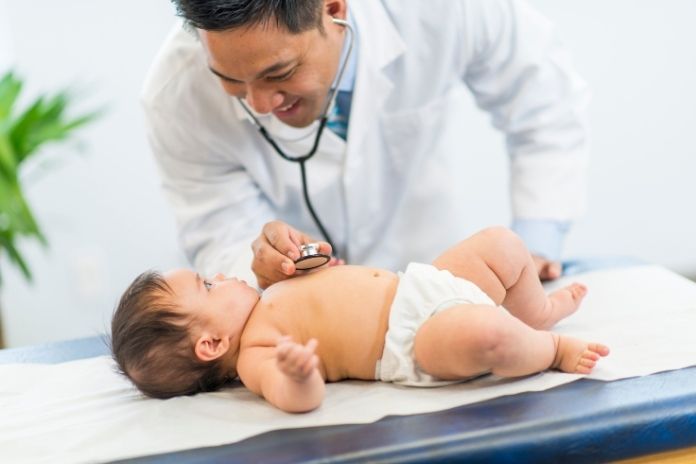
You must consult/call a doctor if:
- Baby hasn’t had a bowel movement in 5–7 days (particularly for babies under 2 months).
- There is pain, swelling, or discomfort when passing stools.
- Stool is hard, dry, or streaked with blood.
- Baby has a fever, vomiting, will not feed, or is very tired.
Note: Do not use over-the-counter laxatives or suppositories without pediatric advice. Early detection enables the treatment of constipation, formula intolerance, or less common structural issues as soon as possible.
Conclusion
Gas without poop is normal and a part of the developing digestive system of a baby. If your baby is feeding, active, and mostly comfortable, there isn’t much to worry about. Gentle techniques, such as hydration, abdominal massage, and proper feeding techniques, help promote healthy digestion.
Stay alert for signs of hard stools, blood, distress, or vomiting, and consult a pediatrician if you are unsure. The right information and good care will help your baby grow well and bring you comfort, too.
FAQs
1. How long can a baby go without pooping before I should be concerned?
- Breastfed babies may sometimes go 2–3 days or even a week without stool if they are feeding well.
- Formula-fed babies with fewer than three stools per week or hard, dry stools require closer observation.
2. How is gas pain different from constipation?
- Gas pain is intermittent; babies may draw their knees up and pass wind with relief.
- Constipation is chronic discomfort, straining, hard or pellet stools, and occasionally loss of appetite.
3. Do I use gripe water or gas drops?
- Gripe water or gas drops can help ease discomfort associated with passing gas for a while, but they don’t resolve stool discomfort.
- Tummy massage, movement, and good feeding are more effective.
- Always consult a pediatrician before using any remedies.
4. How do I know if my baby is constipated?
- Look for hard, dry, or pellet-like stool, straining, a bloated belly, or blood in the stool.
- Soft stools, even if they occur rarely, typically mean no constipation.
5. Does the formula change alleviate gas and pooping?
- A change to a formula formulated for sensitive digestion can help soften stool and reduce gas.
- Any formula change must be done after consulting a pediatrician.
References
- https://www.bannerhealth.com/healthcareblog/better-me/signs-your-baby-has-gas-and-tips-to-treat-it
- https://www.apollopharmacy.in/momverse/a/baby-poop-instant-relief
- https://www.bannerhealth.com/healthcareblog/better-me/signs-your-baby-has-gas-and-tips-to-treat-it
- https://www.webmd.com/parenting/baby/features/infant-gas
- https://health.choc.org/your-childs-poop-an-ultimate-guide/
- https://cheerschildcare.com/newborn-not-pooping-but-passing-gas/
- https://www.childrenscolorado.org/just-ask-childrens/articles/baby-poop-guide/
In this Article