







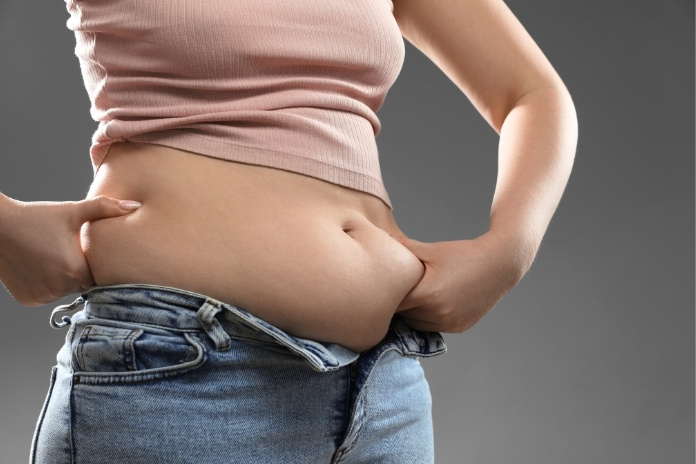






OZEMPIC VS. WEGOVY: KEY DIFFERENCES

How to Use This ScheduleAdded:
| Benefit | Ozempic | Wegovy |
|---|---|---|
| Primary Goal | Blood sugar control (Type 2 diabetes) | Weight loss (obesity/overweight management) |
| Blood Sugar | Lowers HbA1c by 1–1.6% | Can help prevent type 2 diabetes in at-risk patients |
| Weight Loss | ~8-13 lbs (An average of 14 lbs of weight loss over 40 weeks) | 15%+ body weight loss (~30 lbs or more, on average) within a year |
| Heart Health | Reduces major heart risks (as high as 26% ) in people with diabetes and heart disease | Proven to reduce the risk of heart attack, stroke, and cardiovascular death in obese adults. |
| Long-Term Effectiveness | Maintains stable blood sugar with lifestyle support | Helps maintain weight loss over time if used consistently |
| Quality of Life | Improves energy and control over diabetes | Increases mobility, reduces joint pain, improves sleep, and self-esteem |
Timeline: When Symptoms Appear and How Long They Last
| Stage | What happens | Typical timing |
|---|---|---|
| Incubation (after exposure, before symptoms) | Bacteria multiply in the gut | 6–72 hours (most often 12–36 hours). |
| Active illness | Cramps, diarrhea, fever, and sometimes vomiting | 4–7 days in most people; can be shorter or longer. |
| Recovery/convalescence | Symptoms resolve; energy may return slowly | Symptoms usually resolve within a week, though fatigue can persist. |
| Post-infection fecal shedding | The gut may continue to excrete bacteria after symptoms stop | According to a 2025 study on non-typhoidal Salmonella (NTS), shedding, shedding of the bacteria in human stool may continue for weeks or even months; the median duration of excretion after infection was around five weeks, and children under 5 years showed a longer period of shedding, with a median of about seven weeks. |