













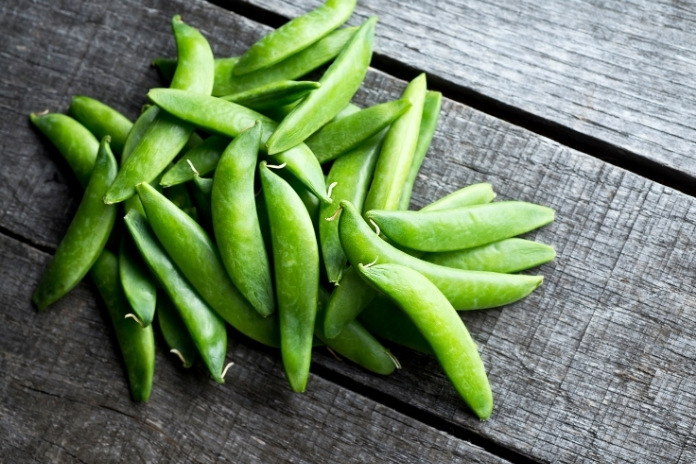
Sugar snap peas are sweet, crunchy, and easy to munch on directly from the bag. The sweet flavor is the exact reason people stop to ask the question: are they good for me, or are they merely veggies that sneak a sugar high?
The truth is a bit more nuanced. Sugar snap peas are widely considered healthy, especially when flavor is factored into how people judge a food’s nutritional value.
The other aspects of nutrition, how the food interacts with the body with regard to fiber, carbohydrates, and other factors, might also be significant. This article addresses the nutrition of sugar snap peas, so you can determine how they can play into your life.
What Are Sugar Snap Peas, Exactly?
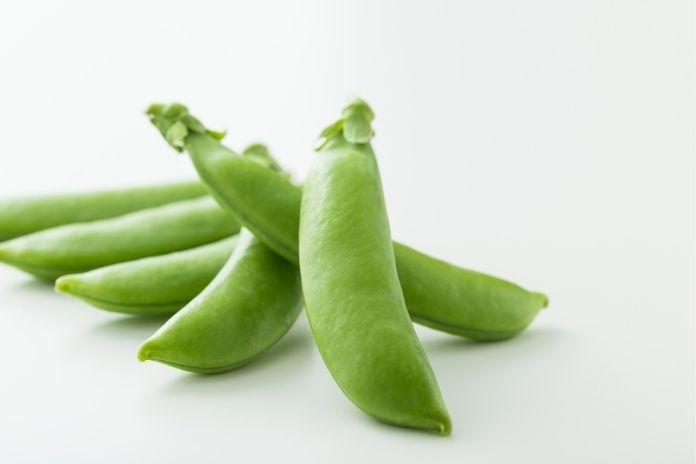
Sugar snap peas are a cross between snow peas and green peas. Unlike those shelling peas, you eat the whole thing: the pod and peas inside. That one detail shifts their nutrition in a meaningful way.
Botanically, they’re legumes because they grow in pods and belong to the pea family. However, in recipes, these pea varieties are treated as vegetables. That legume-versus-vegetable distinction makes a big difference. The dried legumes, such as lentils and chickpeas, are dense with calories, starch, and protein. Sugar snap peas, by contrast, are relatively low in calories and digestible carbs and high in water and fiber.
Because you eat the pod, these peas provide more insoluble fiber than many other varieties. This supports digestion and helps explain why their carbohydrate impact is gentler.
Read More: Are Frozen Vegetables Less Nutritious Than Fresh Ones? What the Evidence Really Shows
Sugar Snap Peas Nutrition (Per Serving)
Looking at the nutrition of sugar snap peas keeps health claims quite real in terms of actual numbers. An average serving size of one cup of raw sugar snap peas contributes a minimal amount of calories and a huge amount of water. It is a high-volume, low-energy snack.
According to the University of Maryland dining nutrition label for sugar snap peas, a very small serving (1 oz/≈28 g) contains only about 16 calories, with 0 g of total fat and almost no saturated or trans fats. In that amount, there are roughly 3.1 g of carbohydrates, including about 0.9 g of dietary fiber and 1.6 g of natural sugars, and 0.9 g of protein.
This tiny serving also provides 29.6 mg of sodium (~2% DV) and small amounts of iron and vitamin C (~1–2% DV each), along with modest calcium. Because the serving size is very small, larger, typical portions (like 1 cup raw) will have higher amounts of these nutrients while remaining low in calories and rich in fiber and micronutrients, consistent with standard sugar snap pea nutrition profiles.
Most of their carbs are from natural sugars and fiber, not starch. That balance is what makes sugar snap peas different from both refined carbs and starchy vegetables. The fiber part of the total carbs slows digestion and dampens sharp blood sugar spikes.
Protein content is modest, but for a vegetable, these peas still contribute a meaningful amount of plant-based protein. They aren’t exactly a key protein source, but mix them with other plant foods, and they contribute meaningfully to the total intake.
On the micronutrient front, they contain vitamin C, vitamin K, and folate. Vitamin C supports immune health and tissue repair, while vitamin K helps with the clotting of blood and in bone metabolism. Folate aids cell division and metabolic processes. All in all, sugar snap peas are nutrient-dense relative to their calorie load.
Health Benefits of Sugar Snap Peas

Supports Digestive Health
Sugar snap peas are a type of fibrous vegetable, especially because nearly the whole pod can be ingested at the same time and is also easily digestible.
Tolerance also varies from person to person. Because the entire pod is eaten, larger portions may increase the likelihood of gas or bloating. For those following a low-FODMAP diet, smaller, well-regulated portion sizes work best.
Helps With Blood Sugar Control
Sugar snap peas are known to be sweet, while their effect on blood glucose levels is soft yet subtle. Although their natural sweetness will have just as big an effect on the body, the fiber in these snap peas delays the onset of the digestion of the actual glucose.
When compared to their counterparts, the green pea, the snap pea has less starch. Another factor is their lower levels of easily digested carbohydrates. Snap peas can be a more desirable option to maintain healthy blood glucose levels.
Contributes to Heart Health
The cardiovascular benefits of sugar snap peas mainly come from their fiber content and naturally low sodium levels. Their dietary fiber supports a healthier cholesterol balance, which plays an important role in heart health.
Moreover, their low sodium content and larger serving size help promote fullness without significantly increasing calorie intake.
Supports Immune Function
Vitamin C is a significant nutrient in sugar snap peas. It plays a key role in immune defense, collagen synthesis, and antioxidant protection. In addition to vitamin C, the green color of sugar snap peas reflects the presence of plant compounds that help combat oxidative stress and support overall cellular health.
Read More: Diabetes Diet: How Plant-Based Eating Can Transform Your Health
Are Sugar Snap Peas Good for Weight Management?
Sugar snap peas are well-suited for calorie control because they offer a high food volume relative to their calorie content. Their fiber and water content make it possible to eat larger portions with minimal energy intake.
They’re especially useful as a snack, used in salads, or as a bulk agent to add volume to a meal. Raw sugar snap peas are a bit higher in volume to munch through, so they may improve fullness compared to their cooked alternatives. While they cook down a bit, this reduces their fullness potential by each calorie consumed.
Sugar Snap Peas vs Other Peas (Snow Peas, Green Peas)
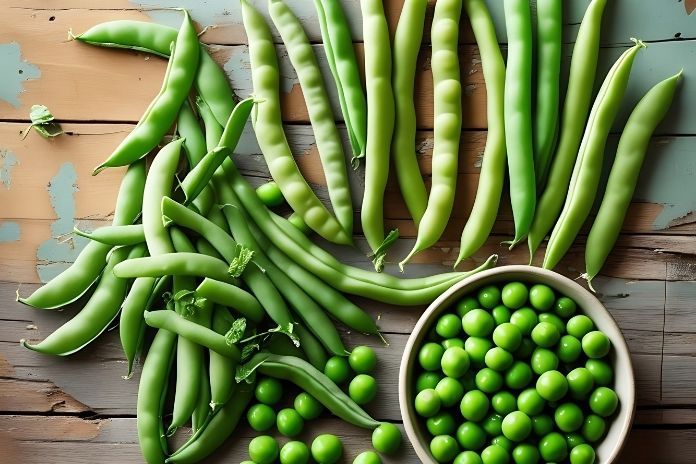
Not all peas are created equal when it comes to nutrition, even though we often group them. Sugar snap peas boast a moderate amount of carbs and more fiber because of their edible pods.
Snow peas are flatter and a bit lower in carbs. However, they don’t deliver higher total fiber either. Green peas, by contrast, pack more starch, more calories, and higher overall carbohydrate content.
In most instances, sugar snap peas have an edge over green peas for blood sugar management and weight control. For easier digestion and that satisfying crunch that helps with fullness, sugar snap peas can outshine snow peas. Each type has its place in a healthy diet, but you can’t directly exchange them for each other nutritionally.
Raw vs. Cooked Sugar Snap Peas: Is One Better?

While both the raw and the cooked sugar snap peas have health benefits, they vary only in terms of how long the nutrients stay and how easily they are digested. The raw sugar snap peas retain the most vitamin C and are beautifully crunchy and tasty.
Light cooking methods, such as steaming or quick sautéing, can make sugar snap peas easier to digest while still preserving most of their nutrients. However, overcooking can lead to vitamin C loss and cause the fiber to become too soft, reducing some of its benefits.
Read More: Why You Crave Carbs in Winter, and Smarter Ways to Satisfy Hunger
Are There Any Downsides to Sugar Snap Peas?
For most people, sugar snap peas are safe and beneficial. However, they do contain natural sugars, which may concern those monitoring carbohydrate intake. In practice, their fiber content and low glycemic load mean this is rarely problematic.
Digestive discomfort can occur if sugar snap peas are eaten in large quantities, particularly in raw form. Washing them thoroughly is also important, as pesticide residues can remain on the edible pod. Choosing organic options may further reduce exposure.
Who May Need to Limit Sugar Snap Peas
Some individuals may have to limit their consumption of these meals in terms of the amounts eaten. Some problematic foods are legume-related, and for individuals sensitive to legumes, sugar snap peas may trigger digestive discomfort.
Other stomach-related issues may require you to consume foods only in smaller amounts. Individuals following low-carb or keto diets may find that the carbohydrate content of this meal does not fit within typical keto guidelines.
How to Add Sugar Snap Peas to a Healthy Diet

Sugar snap peas, in particular, can be quite versatile in the kitchen, creating a variety of food choices for the health-conscious:
- They can be eaten raw with high-protein dips or added to salads for crunch and natural sweetness.
- They also work well when lightly cooked, such as being added at the end of a stir-fry dish to preserve texture and nutrients.
- Pairing sugar snap peas with protein and healthy fats, like nuts, seeds, or lean meats, helps improve satiety and keeps blood sugar levels more stable.
Proper refrigeration helps maintain their freshness, crunch, and overall nutritional quality.
The Practical Takeaway
Sugar snap peas are a good and healthy option for a satisfying pairing and can be incorporated into many recipes. These pods are low in calories and contain a considerable amount of fiber and vitamins such as C and K. Although they contain sugar, studies support them in having a stabilizing impact on sugar levels.
When added to a healthy, varied diet full of veggies, sugar snap peas can also contribute to the digestion, metabolism, and maintenance of healthy weight control on a steady track while minimizing the side effects on the human body. Do not just think of “sweet” veggies; think of them as ‘smart veggies.’ Small choice, steady benefits, and a habit your body loves!
References
- Oreaté AI. (n.d.). The nutritional benefits of eating raw sugar snap peas. Oreaté AI.
- BlueHill. (n.d.). Sugar snap peas: Nutrition, benefits, and uses. BlueHill Institutional Repository.
- Postharvest.com. (n.d.). Nutrition facts and health benefits of snap peas. Postharvest.com.
- StyleCraze. (n.d.). Benefits of sugar snap peas. StyleCraze.
- University of Maryland Nutrition. (n.d.). Food label: Snap peas. University of Maryland Nutrition nutrient database.
- American Sport and Fitness. (n.d.). Snap peas nutrition facts: Pros & cons. American Sport and Fitness.
In this Article