













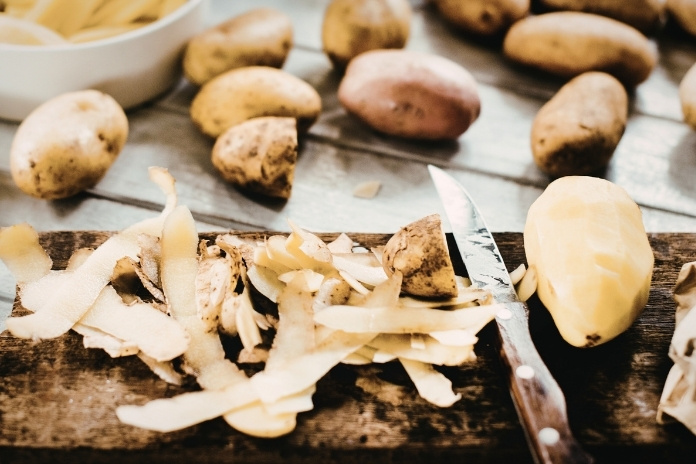
If you are peeling your potatoes before cooking, then you might be wondering what to do with their skin. Throwing away is the first thing that comes to our minds. However, that simple act could quietly strip away a portion of the potato’s nutritional value. The skin of the potato, often discarded for convenience or appearance, contains a lot more than just rough texture. It’s a compact layer of fiber, minerals, and protective plant compounds.
The real question is: are potato skins healthier than the potato flesh? Little kitchen habits, like skin removal, can add up, considering how much fiber, potassium, and antioxidants we’re actually consuming. Since potatoes are so common in most diets, understanding what’s inside each layer is essential for making informed, science-backed choices about preparing and eating them.
In this article, we’ll break down potato skin versus potato flesh, understand the nutrition within potato skin, and learn about what research indicates. We will also examine when it makes the most sense to keep or remove the skin.
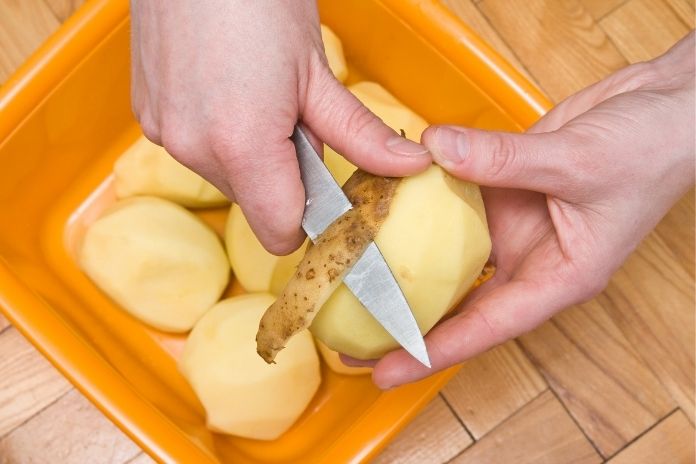
Peeling a medium potato can reduce its fiber content by nearly half, from approximately 2 grams to 1 gram. That’s a significant nutrient loss for a food millions eat daily.
Read More: The Potato Diet: Can Eating Only Potatoes Help You Lose Weight?
What’s in the Skin vs What’s in the Flesh
Potatoes are nutritional all-rounders, a mix of carbohydrates, vitamins, and minerals. But when it comes to potato skin nutrition, the balance shifts depending on which part you eat.
The Potato Flesh:
The flesh is where most of the energy and key electrolytes lie. It contains the bulk of the potato’s carbohydrates, along with most of its potassium and vitamin C. These nutrients help regulate nerve signals, muscle contractions, and immune function. The flesh also provides a moderate amount of vitamin B6 and magnesium, both involved in energy metabolism and nerve health.
The Potato Skin:
Though much thinner, the skin definitely packs a significant amount of nutrients. It is rich in dietary fiber, which provides satiety and helps in the proper movement of the digestive system. Trace minerals, such as iron, zinc, and magnesium, are added, along with plant compounds like polyphenols and flavonoids. These are the antioxidants that help the body prevent and fight oxidative stress.
Quick Nutrient Comparison — Potato Skin vs Flesh
Here’s how various nutrients compare in the potato skin vs. flesh:
- Fiber: The potato skin contains about one-third to half of the total fiber of a potato.
- Potassium and Vitamin C: Most of these nutrients are stored in the potato flesh, although the skin contributes a small amount.
- Antioxidants: The potato skin contains more antioxidants, generally in red, purple, and blue varieties of potatoes.
- B Vitamins: The potato skin adds small but helpful amounts of niacin, thiamin, and riboflavin.
In short, both the potato skin and flesh contribute unique nutrients. The flesh provides the energy and potassium that make potatoes such a valuable food source, while the skin enhances their fiber and antioxidant value. The healthiest approach is to enjoy both together, allowing the two to complement each other.
What Research and Nutrition Guides Say
Several nutritional analyses have examined the nutrients in potato flesh versus skin, revealing how each contributes to overall health. The potato skin is especially notable for its phytonutrient and antioxidant content. These compounds protect the potato (and your body) from environmental stress and oxidation.
In some varieties, the potato skin can contain up to 10 to 12 times more antioxidant compounds than the flesh. Antioxidants, including phenolic acids, flavonoids, and carotenoids, are linked to reduced oxidative damage and improved cardiovascular health.
The flesh still contains most of the important vitamins and minerals, including potassium and vitamin C, which are crucial for heart and immune function. Peeling the potato reduces its fiber and antioxidant content, but does not compromise its core nutritional value.
Nutrition professionals often discuss the following:
- The skin increases nutrient density, especially fiber and antioxidants.
- The flesh remains the major source of energy and potassium.
- Together, both parts make up a complete and filling food.
Myth vs Fact
- Myth: All the nutrients of a potato are found in its skin.
- Fact: The skin is nutrient-rich, but not the only nutrient source. Most potassium, vitamin C, and energy come from the flesh; in this case, the skin adds fiber, minerals, and antioxidants for a more balanced profile.
The takeaway is simple: when in their skins, potatoes are most nutritious, while peeling them does not necessarily make them unhealthy.
When Skin Makes the Big Difference
There are clear situations where keeping the skin makes the most impact, both nutritionally and practically.
1. Benefits of Fiber
If you’re looking to aid digestion or support weight management, the fiber content in potato skin can help. Dietary fiber ensures regular bowel movement, slows the absorption of sugar, and increases satiety by making you feel full for a longer period.
Since the majority of the potato’s fiber sits directly beneath or inside the skin, peeling removes a significant amount of essential nutrients for gut and metabolic health.
2. Antioxidant and Phytochemical Boost
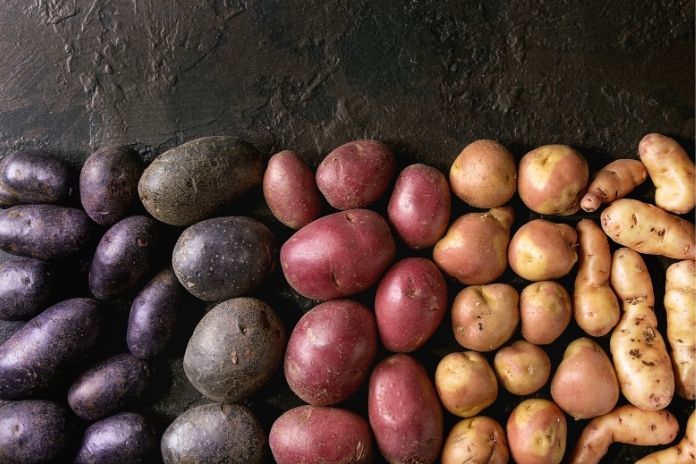
Potato skins are rich in antioxidant compounds that help reduce oxidative stress, which is a key factor in inflammation and chronic disease. The deeper the color of the potato, the more phytonutrients it has. For example, purple and red-skinned potatoes contain anthocyanins, while yellow ones have carotenoids, both powerful antioxidant families.
3. Cooking Potatoes With Skin Versus Without
The cooking method affects nutrient retention just as much as peeling does. When potatoes are boiled or baked with the skin on, more vitamins and minerals stay inside. The skin acts as a natural barrier that prevents many nutrients from entering the cooking water. In contrast, peeling before boiling can lead to the loss of water-soluble nutrients such as vitamin C and B vitamins.
4. When Peeling May Matter Less
Some just like the feel of peeled potatoes in their mouths or find it comforting. If you have a sensitive gut or some types of gastrointestinal problems, the fiber in the skin can be bothersome at times. If this is the case, then peeled potatoes retain most of their potassium, vitamin C, and complex carbohydrates, so you aren’t losing all of the benefits.
In an article, Dr. Emily Johnston, a research assistant professor at the New York University Grossman School of Medicine, shares her thoughts. She says, “Boiling leaches a lot of the nutrients out, so that’s one of my least-preferred methods,” Johnston said. She also suggests steering clear of potato flakes, which might take away nutrients while adding sodium, sugars, or oils.”
Dr. Emily further adds, “But baking, broiling, and steaming work equally well, she said. However, you prepare them, consider leaving the skin on: Although nutrients are found throughout the potato, she said, about half the fiber is in the skin. Sweet potatoes and purple potatoes offer different nutrients, but there’s not a significant difference among white varieties. Fiber varies a bit, but “the most important variable is still the cooking method.”
If you are going to mash, roast, or blanch potatoes, cook them first with the skins on. This locks in moisture and nutrients; you can then peel them after cooking, or leave the skins for extra texture and fiber.
Read More: Foods That Lose the Most Nutrients When Cooked (and How to Preserve Them)
When Peeling Might Be Preferable and Safety Notes
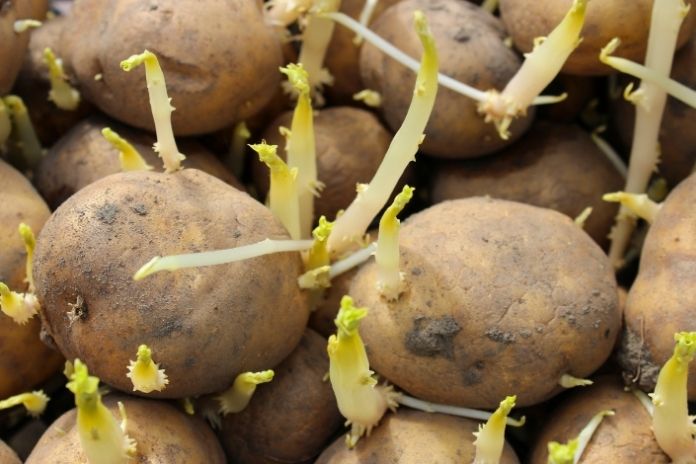
Although the skin is generally good, in many instances, it is best to peel for safety or digestion purposes.
1. Green or Sprouting Potatoes:
When potatoes are exposed to light or warmth for longer periods, the skin can turn green due to the production of chlorophyll. Chlorophyll in itself is harmless, but that green layer indicates the presence of solanine, a naturally occurring alkaloid. Solanine, if consumed in large quantities, may cause nausea, vomiting, or headaches. Any potato showing green or sprouting areas must be either thoroughly peeled or discarded.
2. Digestive Concerns:
Potato skins can be very difficult to digest for people with IBS or inflammatory bowel conditions due to their insoluble fiber. Peeling helps make the potato more easily digestible while still offering some essential nutrients, such as potassium and vitamin C, found in the flesh.
3. Pesticide and Residue Concerns:
Traditionally grown potatoes can have pesticide residues on their skins. While much of it can be removed by washing and scrubbing, peeling may be the safer choice if you are unsure how they were farmed. You can also choose organic potatoes to get the benefits for your skin safely.
4. Cooking Method and Added Ingredients:
The way you prepare potatoes ultimately determines their nutritional value. Deep-fried skins loaded with cheese, butter, or bacon won’t deliver the same benefits as baked or boiled potatoes with a drizzle of olive oil. Whether you keep the skin or not, focus on gentle cooking methods that preserve nutrients rather than adding unnecessary fats or sodium.
Read More: Are Nightshade Vegetables Bad for Your Gut?
Key Takeaway
So, are potato skins healthier than the potato flesh? Short answer: both matter, but for different reasons. Yes, the skin provides a lot of nutrition, especially fiber, antioxidants, and trace minerals. Keeping the skin on increases overall nutrient density and helps with digestion and satiety.
The flesh remains rich in potassium, vitamin C, and carbohydrates, which provide energy and essential nutrients for your body. The most balanced approach is to eat whole potatoes, including both the skin and flesh, cooked in a healthy manner. Boiling, baking, or roasting with very little added fat helps retain both flavor and nutritional value.
Peel only when necessary, for either safety or comfort. So the next time you get to peel a potato, stop right there. That thin outer layer isn’t waste; it’s nutrition you can benefit from!
References
- https://potatogoodness.com/fact-check-potato-nutrition-in-skin-vs-flesh/
- https://patient.gastro.org/role-of-fiber-in-inflammatory-bowel-disease-ibd/
- https://www.webmd.com/diet/health-benefits-potatoes
- https://atrium.lib.uoguelph.ca/bitstreams/a535a4e0-74a6-47bb-b3a5-bf0ef9a325cb/download
- https://www.researchgate.net/publication/229741190_Composition_of_raw_and_cooked_Potato_peel_and_flesh_Proximate_and_vitamin_composition
In this Article