












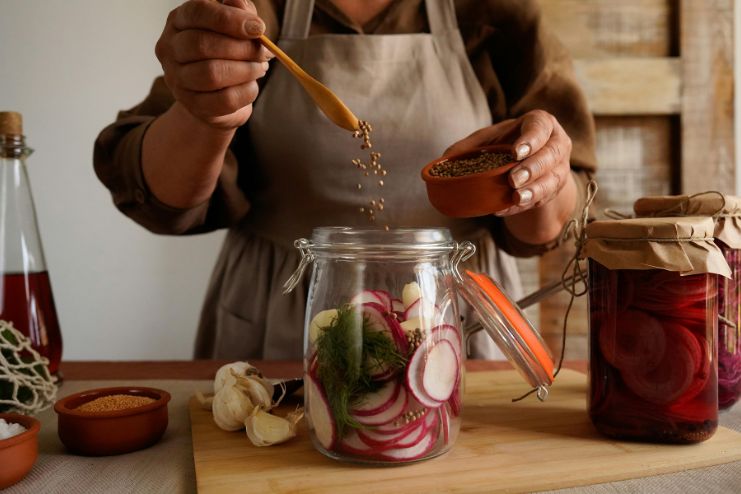
Crunchy, tangy, and bursting with flavor, pickled onions are definitely having a moment. From topping street-style tacos and grain bowls to starring in charcuterie spreads and gourmet burgers, these vibrant pink rings are turning up everywhere. Their sharp bite and refreshing acidity can instantly elevate a dish, making even the simplest meals feel more exciting and complex.
But beyond their bold taste and Instagram-worthy appearance, many people find themselves wondering: Are pickled onions good for you, or are they just another trendy topping?
In this guide, we’ll peel back the layers (pun intended) and explore what pickled onions really bring to the table. From their nutritional profile and potential health benefits to the downsides of overdoing it, you’ll learn everything you need to know to decide whether they deserve a regular spot in your diet. Plus, we’ll share smart, delicious ways to enjoy them, without going overboard.
Let’s dive into the world of pickled onions and find out if they’re as good for your health as they are for your taste buds.
What Are Pickled Onions?
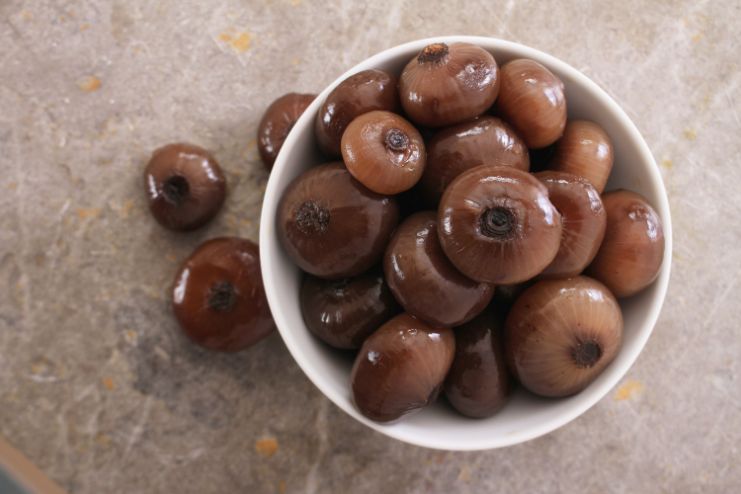
Pickled onions are simply onions that have been preserved in an acidic solution, usually vinegar or brine, often with the addition of salt, sugar, and spices. The pickling process not only extends the shelf life of the onions but also transforms their flavor, texture, and even color.
What starts as a sharp, raw onion becomes something tangy, slightly sweet, and crisp-tender, with a bright, zippy bite that cuts through rich or heavy foods beautifully. They’re more than just a condiment; they’re a flavor enhancer, palate cleanser, and eye-catching garnish all in one.
Two Main Types of Pickled Onions:
- Quick Pickled Onions
- These are the most common varieties, especially in home kitchens.
- Thinly sliced onions are soaked in a hot or cold vinegar solution, along with salt, optional sugar, and spices.
- Ready to eat in as little as 30 minutes, though they taste even better after a few hours.
- They’re not fermented and don’t contain live probiotics.
- Fermented Pickled Onions
- Made by submerging onions in a saltwater brine and letting natural bacteria do the work over several days.
- The result is a more complex, tangy flavor and a dose of gut-friendly probiotics.
- These require more time and care but offer unique health benefits tied to fermentation.
Common Pickling Ingredients:
- Vinegar – White, apple cider, red wine, or rice vinegar, depending on the flavor profile.
- Salt – Helps draw out moisture and preserves the onions.
- Sugar (optional) – Adds balance and a touch of sweetness to counter the acidity.
- Spices and Aromatics – Think peppercorns, bay leaves, mustard seeds, coriander, garlic, dill, or chili flakes. These boost complexity and flavor.
Whether you buy them pre-made at the store or whip up a quick batch at home, pickled onions are an easy, affordable way to add brightness, crunch, and visual appeal to your meals. From tacos and grain bowls to burgers, salads, and even avocado toast, they’re a pantry staple that can instantly upgrade your plate.
Nutritional Profile of Pickled Onions
The nutritional value of pickled onions depends on how they’re prepared, but here’s a general idea based on one tablespoon (about 15 grams) of pickled red onions:
- Calories: ~5–10
- Carbohydrates: 1–2 grams
- Fiber: 0.2–0.4 grams
- Protein: Negligible
- Fat: 0 grams
- Cholesterol: 0 milligrams
Pickled onions can contain small amounts of vitamins like:
- Vitamin C: important for immune health and collagen production.
- Vitamin B6: supports energy metabolism and brain health.
They’re also a source of antioxidants, especially quercetin, a powerful compound found in onions, particularly red and purple varieties.
However, watch out for sodium; commercial pickled onions can contain 100–300 mg of sodium per tablespoon. Added sugars in some recipes can add empty calories, too.
Health Benefits of Pickled Onions

They may be small, but pickled onions can deliver a surprising range of health benefits, especially when used thoughtfully as part of a balanced diet. While they’re not a magic food, their unique blend of flavor and nutrients can support wellness in several ways.
1. Rich in Antioxidants
Onions, especially red and purple varieties, are packed with antioxidants, particularly quercetin, a plant compound known for its anti-inflammatory, antiviral, and heart-protective properties. Quercetin helps combat oxidative stress, which plays a role in aging and many chronic diseases, including cancer and heart disease.
Good news: Even though the pickling process may reduce some antioxidant levels, many beneficial compounds, including quercetin, remain stable in quick-pickled onions. So you still get a decent nutritional boost with every crunchy bite.
2. May Support Gut Health (If Fermented)
Not all pickled onions are created equal. Fermented pickled onions, made through lacto-fermentation (with salt and time, not vinegar), naturally develop probiotics, the same kind of good bacteria found in yogurt, kimchi, and sauerkraut.
A few reasons probiotics matter:
- They help maintain a balanced gut microbiome, which is linked to improved digestion, regularity, and even stronger immunity.
- A healthy gut is also tied to better mood and brain function, thanks to the gut-brain connection.
- Fermented foods may also help reduce inflammation and improve nutrient absorption.
Caution: Most store-bought pickled onions are vinegar-based quick pickles and do not contain live probiotics. If gut health is your goal, opt for homemade fermented versions or check labels for live cultures.
3. May Help Regulate Blood Sugar
Onions contain natural sulfur compounds and antioxidants that have been linked to improved insulin sensitivity and slower carbohydrate breakdown, potentially aiding in blood sugar control. While raw onions are most studied for this effect, pickled onions, especially if lightly processed, may still retain traces of these blood-sugar-supporting compounds.
This makes pickled onions a smart addition to meals for people looking to stabilize energy or manage insulin response, without adding refined sugar or empty calories (as long as your pickle recipe isn’t too sweetened!).
4. May Reduce Inflammation
Chronic inflammation is a major underlying factor in many diseases, from heart disease and arthritis to autoimmune conditions. Onions contain flavonoids and sulfur-rich compounds that may help reduce inflammatory markers in the body.
Even in pickled form, onions can contribute to an anti-inflammatory diet, especially when paired with other whole, nutrient-dense foods. So while they shouldn’t replace anti-inflammatory staples like leafy greens or fatty fish, they make a flavorful, supportive sidekick.
5. Flavor Without the Extra Calories
One of the most practical (and often overlooked) benefits of pickled onions is how much flavor they add without significantly increasing calories, fat, or sugar.
Think about it:
- A spoonful of pickled onions adds a bright pop of acidity, crunch, and color to anything from tacos and sandwiches to salads and grain bowls.
- They can replace heavier toppings like cheese, creamy dressings, or sugary condiments, helping you stay on track without feeling like you’re missing out.
This makes them an ideal “flavor multiplier” for anyone looking to eat healthier without sacrificing satisfaction or variety.
Are Pickled Onions Good for Weight Loss?
Yes, pickled onions can be a smart, flavorful addition to a weight-loss-focused eating plan when used intentionally. While they’re not a magic solution, they offer several advantages that align well with weight management goals.
- Low in Calories: A typical tablespoon of pickled onions contains just 5 to 10 calories. That means you can add flavor, texture, and color to your meals without significantly increasing your calorie intake.
- Big Flavor, Minimal Fat: One of the keys to sticking with a weight loss plan is not feeling deprived. Pickled onions provide a bold, tangy taste that enhances everything from salads to grain bowls, without the need for calorie-dense add-ons like cheese, creamy sauces, or heavy oils.
- Can Help You Feel Fuller: Though they aren’t high in fiber, pickled onions can contribute to a sense of fullness when combined with other vegetables and proteins. Their satisfying crunch and acidity can make meals feel more complete, which may help reduce the urge to overeat or snack later.
- Versatile for Meal Building: Pickled onions are incredibly adaptable. They work well in dishes that are already geared toward healthier eating, like wraps, grilled proteins, tacos, and salads. You can use them to elevate a basic meal without relying on processed or high-calorie condiments.
Helpful Tips for Weight Loss
- Watch for added sugars: Some commercial or homemade recipes use sugar to balance acidity. While small amounts are fine, choosing or making pickled onions with minimal or no sugar will be more supportive of weight loss.
- Use them strategically: Add them to meals where you’re tempted to use calorie-heavy sauces or dressings. They provide that same sharp, exciting flavor without the nutritional cost.
Possible Downsides and Things to Watch Out For
While pickled onions can be a flavorful and nutritious addition to your meals, they’re not without a few caveats. Being mindful of how they’re made and how your body responds can help you enjoy them without the drawbacks.
- High sodium levels: Store-bought pickled onions can be high in salt. Too much sodium may contribute to high blood pressure.
- Added sugar: Some recipes use sugar to balance acidity. This can be a concern if you’re watching your sugar intake.
- Lack of probiotics: Most quick-pickled onions use vinegar. These don’t contain live cultures like fermented foods do.
- May trigger heartburn: The acidity from vinegar may cause discomfort. Those with GERD or acid reflux should be cautious.
- Can cause bloating: Onions contain fermentable carbs called fructans. These may lead to gas or bloating in some people.
How to Make Healthier Pickled Onions at Home
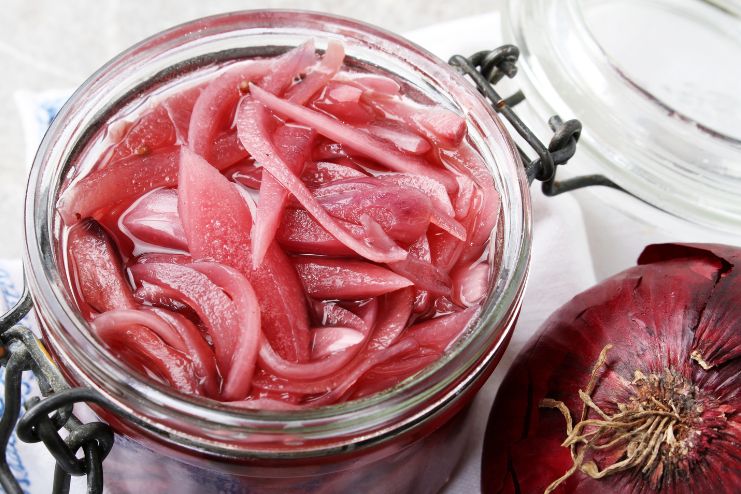
The best way to control sodium, sugar, and ingredient quality is to make your own pickled onions. Here’s how to do it simply:
Ingredients
- 1 large red onion, thinly sliced
- ½ cup apple cider vinegar or rice vinegar
- ½ cup water
- 1 teaspoon salt
- Optional: 1 teaspoon honey or maple syrup (or skip for no added sugar)
- Optional spices: garlic cloves, peppercorns, coriander seeds, or ginger slices
Instructions:
- Pack sliced onions into a clean glass jar.
- In a small saucepan, heat vinegar, water, salt, and sweetener (if using) until warm but not boiling.
- Pour hot liquid over onions until fully covered.
- Add optional spices for extra flavor.
- Let cool, then refrigerate. Onions are ready after 30 minutes, but taste even better after a few hours. They keep in the fridge for up to 2 weeks.
To ferment for probiotics: Skip vinegar entirely and submerge onions in a 2% saltwater brine (about 2 teaspoons salt per cup of water). Let it sit at room temperature in a sealed jar with a fermentation lid or loosely closed cap for 5–7 days, then refrigerate.
Best Ways to Add Pickled Onions to Your Diet
There’s no wrong way to enjoy pickled onions, but here are some ideas to get you started:
- As a taco topping, they add a bright, acidic bite to balance rich meats or hearty plant-based fillings.
- In grain bowls or salads, toss into quinoa, rice, or leafy greens for color, crunch, and flavor.
- Add a layer of pickled onions, into veggie wraps, burgers, or on grilled cheese.
- With grilled meats or roasted vegetables, their acidity cuts through fatty or smoky flavors.
- Can also be mixed with cabbage slaws or tomato salsas.
Because pickled onions are so versatile, they make healthy eating more exciting.
Frequently Asked Questions (FAQs) Health

Are pickled onions good for gut health?
They can be, if they’re naturally fermented. Fermented pickled onions made in a saltwater brine promote gut health by supplying beneficial probiotics. However, quick-pickled onions made with vinegar are not fermented, so they don’t offer the same digestive benefits.
Do pickled onions have probiotics?
Only when they’re fermented in a salt brine without vinegar. Most store-bought pickled onions are vinegar-based quick pickles, which means they’re shelf-stable but lack live probiotic cultures. Always check how they’re made if gut health is your goal.
Are pickled onions okay for diabetics?
Yes, as long as they’re low in added sugars. Onions have natural compounds like quercetin that may support blood sugar regulation. But some commercial versions add sugar to balance acidity, so reading labels is important for diabetic-friendly choices.
Can I eat pickled onions every day?
You can enjoy them daily in small amounts as part of a balanced diet. They’re low in calories and rich in flavor, but keep an eye on sodium if you also consume other salty foods. Moderation is key, especially for those with high blood pressure.
Final Verdict
In moderation, pickled onions can absolutely be a healthy and delicious addition to your meals. They’re low in calories, naturally fat-free, and rich in antioxidants like quercetin, which may help reduce inflammation and support heart health. Their bold, tangy flavor also makes it easier to enjoy nutrient-dense dishes like salads, grain bowls, and wraps without relying on heavy dressings or sauces.
However, the health value of pickled onions depends heavily on how they’re made. Homemade or low-sodium versions are the best choice, as many store-bought varieties can be surprisingly high in salt and added sugars. It’s also worth noting that quick-pickled onions made with vinegar do not contain probiotics, unlike their naturally fermented counterparts. And for individuals with acid reflux or sensitive stomachs, the acidity in pickled onions may trigger discomfort.
Ultimately, pickled onions are a simple, satisfying way to enhance your meals when chosen or prepared thoughtfully. When enjoyed as part of a balanced diet, they offer far more than just flavor; they can actually support your health goals in subtle, meaningful ways.
References
- https://checkyourfood.com/ingredients/ingredient/781/pickled-onions
- https://www.nutritionix.com/food/pickled-onions
- http://foodpro.dsa.vt.edu/menus/label.aspx?locationNum=09&dtdate=08%2F16%2F2022&RecNumAndPort=175000*1
- https://www.snapcalorie.com/nutrition/pickled_onion_nutrition.html
- https://www.eatthismuch.com/calories/pickled-onions-481359
- https://www.fatsecret.co.za/calories-nutrition/search?q=Pickled+Onion
- https://nutrifox.com/nutrition/pickled-onions
- http://www.davita.com/diet-nutrition/recipes/sauces-seasonings/pickled-red-onions
- https://www.quora.com/Is-it-true-pickled-onions-can-help-you-loose-weight-with-high-levels-of-vinegar-brakes-down-the-fat
- https://www.weightlossresources.co.uk/calories-in-food/salad/pickled-onion.htm
- https://www.youtube.com/watch?v=RcPz9JaHiwQ
- https://cookingforpeanuts.com/pickled-red-onions/
- https://www.reddit.com/r/nutrition/comments/1eh277u/does_pickling_onions_reduce_their_health_benefits/
- https://www.mirror.co.uk/news/real-life-stories/real-life-diet-stories-lost-263528
In this Article