














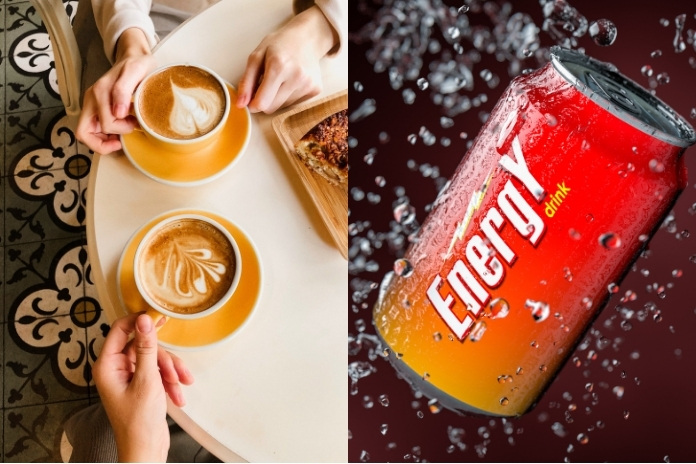
Coffee and energy drinks both sell the same promise: alertness, focus, and a quick energy lift. But under the surface, they’re very different products. Coffee has been around for centuries, brewed from roasted beans and loaded with naturally occurring compounds like antioxidants, polyphenols, and, of course, caffeine. Energy drinks, on the other hand, are a modern invention, formulated with caffeine plus a cocktail of extras like taurine, B vitamins, herbal extracts, and often large amounts of sugar or artificial sweeteners.
That contrast matters because while both can keep you awake for your morning meeting or late-night study session, their impact on your body isn’t the same. Coffee is generally considered safe for most adults when consumed in moderation, and research even links it to long-term health benefits like lower risk of type 2 diabetes and certain heart conditions.
Energy drinks, by comparison, raise more red flags: their sugar load can rival a soda, and the combination of caffeine with other stimulants has been tied to heart palpitations, sleep problems, and, in rare cases, serious health events.
So which should you reach for when you’re tired? The short answer: coffee is usually the better everyday pick. Energy drinks aren’t inherently evil, but they carry added risks and should be used sparingly, if at all. In the sections ahead, we’ll break down how caffeine works in each, what sugar and additives do, who should avoid them, safer alternatives, and what nutrition experts really recommend.
Caffeine Content: Coffee Vs. Energy Drinks
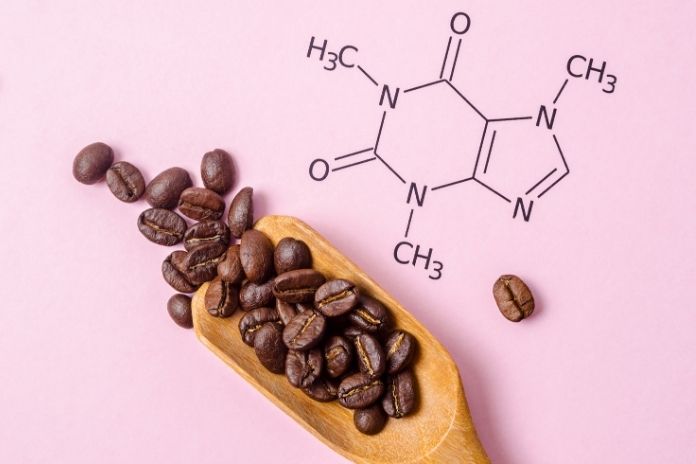
An “average” 8-oz (about 240 ml) cup of brewed coffee contains roughly 90–100 mg of caffeine, although the true amount varies by bean, roast, and brewing method. Energy drinks are less consistent: an 8-oz serving often contains 70–100 mg, but many canned energy drinks are sold in 12–16 oz sizes or in concentrated “shots,” pushing a single serving to 150–300 mg of caffeine. In short, one espresso-style coffee can equal a small energy drink, but large cans or stacked drinks quickly add up.
Caffeine is caffeine: chemically, it has the same stimulant effect whether it comes from coffee, tea, guarana, or a synthetic extract. The body processes it the same way, but the context matters; coffee brings antioxidants and trace nutrients; energy drinks often bring sugar and other stimulants (taurine, guarana, ginseng) that can amplify effects.
For most healthy adults, up to 400 mg per day is considered unlikely to cause harm; pregnant people should aim for no more than ~200 mg/day. Use that daily limit as a practical guardrail.
Sugar and Additives: Why Energy Drinks aren’t Just “Caffeinated Coffee”
Many energy drinks are formulated more like soft drinks than like coffee. A standard 8.4-oz can of Red Bull contains about 26–27 g of sugar; large 16-oz Monsters can contain 50–60 g of sugar, roughly 6–12 teaspoons. That sugar spike gives a fast energy lift but often ends with a crash and contributes to weight gain, dental erosion, and insulin resistance over time. By contrast, plain black coffee has no sugar unless you add it.
Energy-drink makers also add compounds such as taurine, guarana, B vitamins, and herbal extracts. On their own, some of these ingredients have plausible benefits, but when combined with a large caffeine dose and sugar, they may magnify jitteriness, heart rate increases, and blood pressure responses.
As registered dietitian Amber Sommer points out: “On their own, these ingredients may have some health benefits, but when you combine them with the additional caffeine and added sugars in an energy drink, it can be a recipe for disaster.”
Sugar-free energy drinks remove the calorie problem but not the stimulant issue: artificial sweeteners won’t stop the cardiovascular or sleep-disrupting effects of a big caffeine hit.
Health Benefits of Coffee
Coffee is one of the most studied dietary exposures, and the evidence is largely favorable when consumption is moderate. Large observational studies and meta-analyses link regular coffee drinking to lower risks of type 2 diabetes, Parkinson’s disease, some liver conditions, and reduced overall mortality in many populations. Coffee also supplies antioxidants (like chlorogenic acids) that have plausible biological benefits.
Frank Hu, chair of nutrition at Harvard T.H. Chan School of Public Health sums it up: “For most people, moderate coffee consumption can be incorporated into a healthy diet.” That’s the key: moderation and avoiding high-sugar specialty drinks.
Caveats: most positive data come from observational studies that show associations, not proof of cause. And adding lots of sugar, cream, or flavored syrups erases the calorie-free advantages of plain coffee.
Health Risks of Energy Drinks
Energy drinks are more often linked to acute adverse effects than plain coffee, especially when consumed in large amounts or mixed with alcohol. The CDC and other health bodies report that emergency-department visits tied to energy-drink use rose substantially in the late 2000s and are linked to palpitations, chest pain, hypertension, dehydration, anxiety, and sleep problems. Among adolescents and young adults, the combination of high sugar and stimulants is especially risky.
Why the difference? There are three practical reasons:
- Doses, single cans, or stacked drinks can deliver very high caffeine in a short time.
- Sugar load, large sugar amounts, cause metabolic strain and crashes.
- Multiple stimulants, guarana, and other extracts add caffeine equivalents and may interact with medications.
Amber Sommer warns: “Occasional consumption of energy drinks by healthy people is not likely to be harmful. But drinking them regularly can increase your risk of adverse health effects, especially if you have an existing medical condition.” That includes people with high blood pressure, arrhythmias, or anxiety disorders.
There are also public-health concerns: drinking energy drinks with alcohol masks intoxication and raises risk-taking behavior; many adolescents consume these beverages regularly despite recommendations against them.
Read More: 11 Effects Of Energy Drinks On The Body – Know The Pros And Cons
Who Should Avoid or Limit Each?

Not everyone responds to caffeine the same way, and both coffee and energy drinks can pose problems for certain groups. Age, health conditions, and even pregnancy status change how safe or risky these drinks are. That’s why doctors and nutrition experts give clear guidance on who should limit or avoid each.
Energy drinks: avoid or strictly limit:
- Children and teens (guidance from pediatric groups advises against routine use)
- Pregnant and breastfeeding people (high caffeine + additives)
- People with heart disease, uncontrolled high blood pressure, arrhythmias, anxiety disorders, or on stimulant-sensitive medications
Healthcare providers and many hospital nutrition teams list these groups as high-risk for energy-drink complications.
Coffee, usually safe in moderation:
Most healthy adults can safely consume up to ~3–4 cups per day (about 300–400 mg caffeine). People who are caffeine sensitive, pregnant (limit ~200 mg/day), or on certain medications should limit intake. And skip sugary specialty coffee drinks if your goal is health.
Safer Alternatives When You Need a Lift
If you want a steady, sustainable boost without the crash or the health tradeoffs:
- Black coffee or espresso (unsweetened), quick, low-calorie, and has antioxidant benefits.
- Green tea or matcha, lower caffeine, contains L-theanine, which smooths the stimulant effect.
- Hydration + protein snack, often fatigue is low blood sugar or dehydration, not lack of caffeine.
- Short movement breaks, 10 minutes of activity, raise alertness without stimulants.
Registered dietitians often suggest these first steps before reaching for a can. If you do choose an energy drink, pick single small servings, sugar-free varieties, and never mix with alcohol.
Read More: Gut-Friendly Alternatives to Coffee – What to Drink Instead
Frequently Asked Questions (FAQs)
Are sugar-free energy drinks safe?
Cutting sugar lowers calories, but it doesn’t remove the stimulant load. Artificial sweeteners may also affect gut health in some people. Sugar-free options can still cause palpitations, insomnia, or interact with certain medications. Use with the same caution as regular energy drinks.
Does coffee dehydrate you more than energy drinks?
No. The old belief that coffee “dries you out” has been debunked. Both coffee and energy drinks contribute to daily fluid intake. Moderate caffeine is not dehydrating, though you should still balance with plain water for optimal hydration.
Which gives a longer energy boost?
Coffee, especially sipped gradually, tends to provide a smoother and steadier lift. Energy drinks with added sugar often cause a quick spike in energy followed by a crash. Ultimately, the composition, caffeine dose, sugar, and additives matter more than the label.
Can you mix energy drinks and coffee?
Technically, yes, but it’s not wise. Combining them multiplies your caffeine and stimulant exposure. That raises risks of jitteriness, high heart rate, or worse in sensitive individuals. Most health experts recommend avoiding the combo altogether.
Conclusion
If your goal is a reliable, everyday pick-me-up with possible long-term benefits, plain coffee is generally the better choice. It’s packed with antioxidants and backed by large observational studies linking moderate intake to reduced risks of several chronic diseases. Energy drinks deliver a quick surge but often bring high sugar and multiple stimulants that raise the chance of palpitations, sleep disruption, and, in vulnerable people, more serious cardiovascular events.
As Jennifer Kerner, RD, explains: “Because coffee is a natural, plant-derived food that contains vitamins, antioxidants, and other nutrients, without added sugar, I’d recommend it as the healthier choice over most energy drinks.” That’s not to say coffee is risk-free; too much caffeine can still cause anxiety, digestive upset, or poor sleep, but its overall profile is safer and more studied than engineered energy blends.
The bigger picture: if you find yourself leaning heavily on caffeine to power through the day, it’s worth a step back. A clinician or dietitian can help you sort out whether lifestyle tweaks, better sleep, balanced meals, hydration, or stress management might give you the same performance edge without relying on constant stimulation. In the end, the healthiest “energy drink” may be the one your body produces naturally when it’s well-rested and properly fueled.
References
- https://health.clevelandclinic.org/are-energy-drinks-bad-for-you
- https://www.uhhospitals.org/blog/articles/2023/08/are-energy-drinks-more-harmful-than-coffee
- https://nutritionsource.hsph.harvard.edu/caffeine/
- https://nutritionsource.hsph.harvard.edu/food-features/coffee/
- https://www.mayoclinic.org/healthy-lifestyle/nutrition-and-healthy-eating/in-depth/caffeine/art-20049372
- https://www.redbull.com/us-en/energydrink/products/red-bull-energy-drink-ingredients-list
- https://www.heb.com/product-detail/monster-energy-green-original-16-oz-cans/690258
- https://www.cdc.gov/school-nutrition/energy-drinks/index.html
- https://www.samhsa.gov/data/sites/default/files/DAWN126/DAWN126/sr126-energy-drinks-use.htm
- https://www.nccih.nih.gov/health/energy-drinks
- https://pmc.ncbi.nlm.nih.gov/articles/PMC5696634/
- https://pmc.ncbi.nlm.nih.gov/articles/PMC8066601/
In this Article