












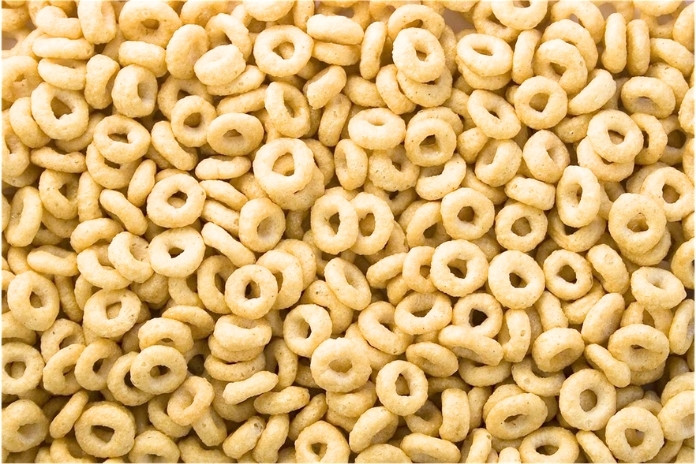
Cheerios are one of those foods that almost feel too familiar to question.
They remain in the “safe breakfast” category: not flashy, not indulgent, and not obviously unhealthy. Many people buy them thinking, This is the health-responsible cereal. This is the heart-supportive one. This is the kid-friendly one.
But the real question isn’t just “Are Cheerios healthy?” The actual question is: Healthy compared to what, and for whom, and in what form?
Because Cheerios can be a smart choice in some diets and a very misleading one in others. Let’s break it down properly in this article.
What Are Cheerios Made Of?
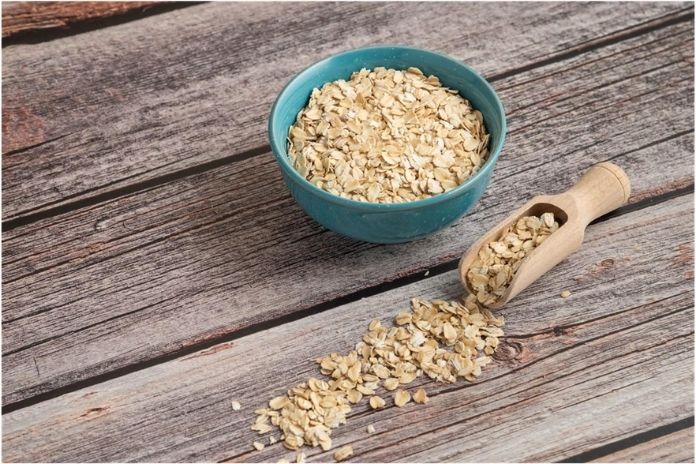
If you look at the box, Cheerios seems simple. And the original version is relatively simple compared to most cereals.
1. Core ingredients in Original Cheerios
Plain Cheerios are mainly made from:
- Whole-grain oats
- Cornstarch
- Sugar (very small amount)
- Salt
- Vitamins and minerals added later (fortification)
The main ingredient, being whole grain oats, is important. That’s where Cheerios get most of their nutritional value.
2. Whole-grain oats and processing level
Cheerios are not “raw oats in a bowl.” They are processed into a puffed cereal shape. That matters because whole grain is still present. But the texture is broken down. The body digests it faster than intact oats.
“The broadest definition of processed food is any raw commodity that is altered from its natural state,” says Dr. Michael Garcia, a nutrition specialist.
3. Differences across Cheerios varieties
This is where many people get confused. “Cheerios” is not one product. It’s a brand family. Some varieties are:
- Original (low sugar)
- Honey nut (much higher sugar)
- Chocolate or fruity versions
- Protein Cheerios
So asking “Are Cheerios healthy?” without specifying which one is like asking, “Is bread healthy?” It depends completely.
Nutritional Snapshot of Plain Cheerios
Let’s talk about the original, plain Cheerios nutrition label.
1. Calories per serving
A standard serving is about 1 cup (28 g): around 140 calories. This looks clean and light on paper.
But one cup of cereal is rarely how people eat it. Many bowls are closer to 1.5 to 2 cups, without realizing it.
That quietly changes the sugar load, starch load, and sodium intake.
2. Fiber and protein content
Per serving:
- Fiber: ~4g
- Protein: ~3g
The fiber content is respectable for a cereal. The protein content is modest. Not high, not useless, just average.
3. Added sugar (or lack of it)
Original Cheerios have about 1–2g of sugar per serving. That is very low compared to most breakfast cereals.
4. Sodium levels
Sodium is moderate: around 190 mg per serving. Not alarming, but not zero either.
Why Cheerios Are Often Considered Healthy
Cheerios did not get its “healthy cereal” reputation randomly. There are real reasons.
1. It is based on oats
Whole-grain oats are linked to better digestion, better cholesterol levels, and even more balanced energy than refined grains.
That’s a genuine advantage.
2. Soluble fiber (beta-glucan) and cholesterol
“Beta-glucans are a type of soluble fiber that’s derived from oats,” explains dermatologist Dr. William Kwan.
Beta-glucan can help reduce LDL (“bad”) cholesterol by binding bile acids in the gut.
So when Cheerios advertises heart health, it’s mainly based on oat fiber science.
3. It is heavily fortified
Iron, folate, B12, and other B vitamins are added. For people who have low dietary diversity, this does help meet daily requirements.
4. Low fat and low added sugar (original variety)
Compared to many cereals, original Cheerios are low sugar, low saturated fat, and not heavily flavored
That makes them one of the better packaged cereal options.
Where Cheerios Fall Short Nutritionally
Here is where the label looks good, but real-life eating gets tricky.
1. Low protein for satiety
5g of protein is never enough for many adults. So, a breakfast with low protein often leads to hunger in just 2 hours, more snacking, and even energy crashes. Cheerios alone are never a complete meal.
2. Limited micronutrients from whole foods
Yes, Cheerios has added vitamins. But they never provide the natural mix you get from fruits, nuts, eggs, and dairy, as well as whole grains in intact form.
Fortified cereal is still a processed food.
3. Highly refined texture despite the whole grain source
Even though oats are a whole grain, Cheerios are finely processed. That can increase the speed of digestion compared to steel-cut oats.
4. Why cereal alone may not sustain energy
A bowl of Cheerios with skim milk is mostly carbs with light protein. Many people feel hungry soon after.
It’s not because Cheerios are “bad.” It’s because they are incomplete on their own.
Added Sugar: How Different Cheerios Varieties Compare
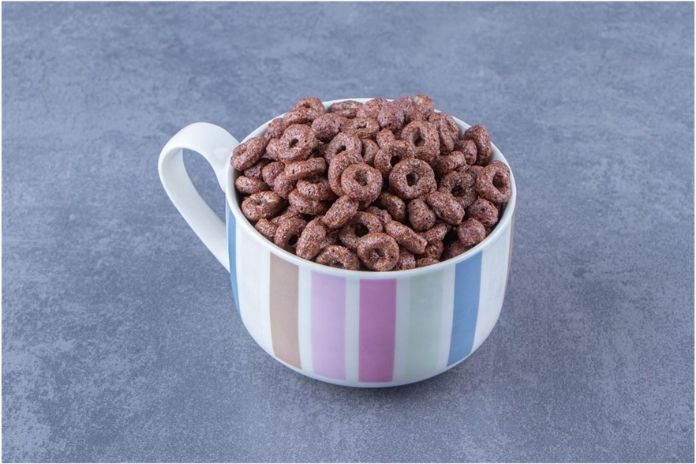
This is the biggest nutritional difference across the Cheerios aisle.
1. Original vs Honey Nut vs flavored versions
- Original: ~1–2g sugar
- Honey Nut: ~9g sugar
- Fruity or Chocolate: often 10–15 g+ sugar
That is a major shift. Honey Nut Cheerios are often marketed as healthy, but considering the sugar content, they behave more like a sweet cereal.
2. Why does sugar content change the health impact
Added sugars can affect blood sugar spikes, appetite regulation, dental health, and long-term metabolic risk.
So the healthiest Cheerios are usually the plain ones.
3. How “healthy cereal” marketing can be misleading
People trust the Cheerios name, so they assume all varieties are equal. But a cereal with 12 g of sugar is not the same as the one with 2 g. Brand reputation doesn’t cancel sugar.
Cheerios and Blood Sugar Response
Many people ask if Cheerios are good for diabetes or insulin resistance.
1. How oats affect blood sugar
Oats are better than refined-flour cereals because soluble fiber slows digestion. But Cheerios are still processed oats.
2. Impact of processing and portion size
A small bowl may be harmless. A large bowl, eaten quickly, can still raise blood sugar significantly. The glycemic response depends on the quantity, what you eat with it, and your personal sensitivity to it.
3. Why pairing with protein or fat matters
Cheerios become much more balanced when combined with Greek yogurt, nuts, peanut butter, whole milk, and chia seeds. Carbs alone digest fast. Carbs with protein and fat digest more slowly.
Are Cheerios Good for Heart Health?
Cheerios are famous for heart claims.
1. Evidence behind oat fiber and cholesterol
Yes, beta-glucan from oats is supported by research for lowering LDL cholesterol. But the effect is just modest, not magical.
2. What heart-health claims actually mean
Heart healthy does not mean
- Unlimited bowls
- All varieties are equal
- It replaces other healthy habits
It means oats can support cholesterol improvement as part of a bigger diet.
3. Why cereal alone doesn’t offset an overall poor diet
If someone eats Cheerios in the morning but eats ultra-processed foods all day, Cheerios will never “protect” the heart by itself.
Heart health is pattern-based, not product-based.
Are Cheerios a Good Choice for Kids?
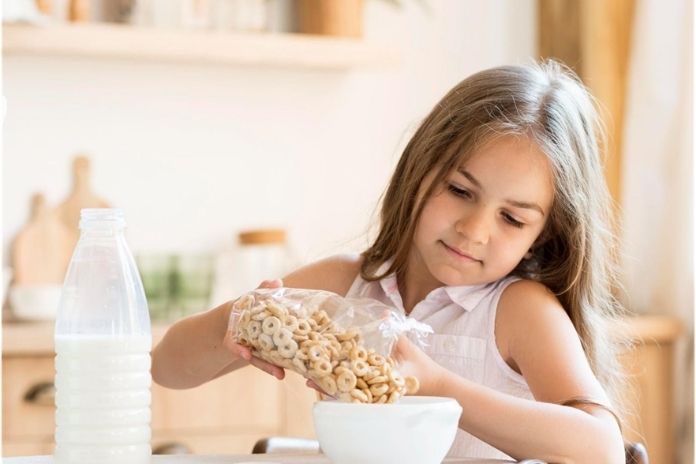
Parents often use Cheerios as a safe snack or breakfast.
1. Pros: simplicity, low sugar (original)
Plain Cheerios are easy to eat. They have a low choking risk when age-appropriate and contain less sugar than most kids’ cereals.
2. Cons: protein and fat gaps
Kids need healthy fats, protein, and more calorie density for growth. Cheerios alone don’t provide that.
3. When Cheerios make sense vs better breakfast options
Good use:
- Snack with fruit
- Mixed with yogurt
- Part of a breakfast plate
It’s better than sugary cereals and pastries. But not better than eggs with toast, oats with nuts, and a full breakfast with variety.
Are Cheerios Healthy for Weight Loss?
Cheerios can aid in weight loss, but it depends on how it is used.
Helpful if:
- Portion is controlled
- Paired with protein
- Not eaten as a sugary version
- Part of an overall calorie-controlled diet
Not helpful if:
- Large bowls become habitual
- It is eaten as a “light meal,” but causes hunger later
- Sweetened versions increase cravings
A common weight loss mistake is eating cereal alone and then snacking again soon.
Read More: What Happens to Your Body When You Eat Triscuits Every Day
How to Make Cheerios a Healthier Meal
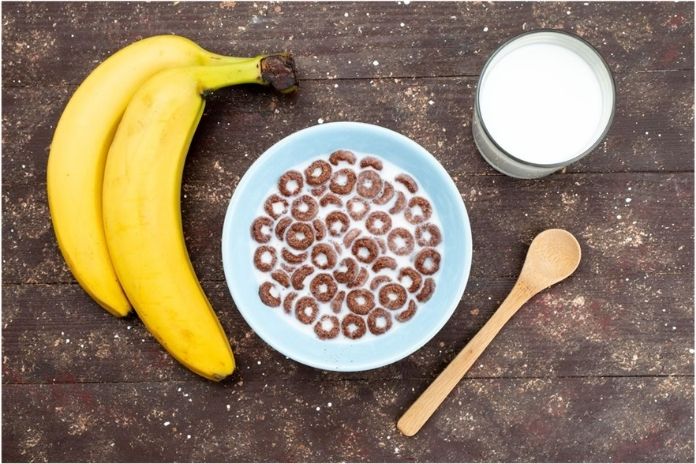
Some simple adjustments make a real difference:
1. Adding protein
- Boiled eggs on the side
- Greek yogurt instead of regular milk
- Cottage cheese separately
- Nuts
2. Add fat deliberately
- Banana slices
- Berries
- Flaxseed
- Chia
- Nut butter stirred into the bowl
3. Portion awareness
A practical portion is 1 cup of cereal with protein and fruit. Not a giant bowl alone.
Read More: Mocktails vs Cocktails: Which Is Actually Better for Your Body?
Who Might Want to Limit or Avoid Cheerios
Cheerios are not harmful but not ideal for everyone.
1. People with blood sugar sensitivity
If you spike easily, you may need smaller portions and more protein pairing.
2. Those needing higher protein breakfasts
Athletes, teens, or people with high hunger may need more than cereal.
3. Individuals relying on cereal as a primary meal
If cereal becomes breakfast, lunch, and a snack, nutritional gaps appear.
Cheerios are a supplement food, not a full nutrition solution.
Read More: Is Miso Soup Healthy? Benefits, Nutrition, and Who Should Avoid It
Final Thoughts
So, are Cheerios healthy?
Plain Cheerios is one of the better boxed cereals available. It helps people move away from heavily sweetened cereals. It helps families reduce sugar. It helps some people meet their iron and vitamin intake requirements.
It fits well as a supporting item. But it is not a strong nutritional foundation. And it is not a complete breakfast unless you build around it.
The healthiest way to see Cheerios is simple: a decent convenience food, not a health shortcut.
- Original Cheerios are one of the lowest-sugar cereals, but flavored versions can contain triple or more sugar.
- Oat fiber supports cholesterol reduction, but the effect is moderate, not dramatic.
- Cheerios alone are never a high-protein breakfast, so they may not keep you full for long.
- Portion size matters more than branding; most people eat more than one serving without even realizing it.
- We have less direct research on how packaged oat cereals affect long-term blood sugar and satiety compared to intact oats.
FAQs
1. Is it okay to eat Cheerios every day?
Yes, plain Cheerios can be fine daily if portion-controlled and paired with protein.
2. Which type of Cheerios is the healthiest option?
Original Cheerios are generally the best choice due to minimal added sugar.
3. Do Cheerios increase blood sugar levels?
They can, especially in large portions or when eaten alone. Pairing with protein reduces spikes.
4. Are Honey Nut Cheerios actually healthy?
They are more of a sweet cereal due to higher sugar content, so they are less ideal as an everyday option.
5. Are Cheerios really good for heart health?
The oat fiber supports cholesterol reduction, but overall diet matters much more than one cereal.
References
- Health Canada. (2020). Nutrient Value of Some Common Foods. Canada.ca.
- Ho, H. V. T., Sievenpiper, J. L., Zurbau, A., Blanco Mejia, S., Jovanovski, E., Au-Yeung, F., Jenkins, A. L., & Vuksan, V. (2016). The effect of oatβ-glucan on LDL-cholesterol, non-HDL-cholesterol and apoB for CVD risk reduction: a systematic review and meta-analysis of randomised-controlled trials. British Journal of Nutrition, 116(8), 1369–1382.
- Schermbeck, R. M., Leider, J., & Chriqui, J. F. (2019). Sugary Cereals at Early Childhood Education Centers Participating in the Child and Adult Care Food Program, 2017. Preventing Chronic Disease, 16.
In this Article