












Each year, November has been observed as National American Diabetes Month (ADM). The month is dedicated to spreading awareness across the country about one of the most pressing public health problems of our time, i.e, type 2 diabetes. According to the CDC, more than 38 million Americans live with diabetes, and another 98 million have prediabetes, a condition that can quietly progress for years without symptoms.
But we have some good news! Studies show that small lifestyle changes can reduce the risk of type 2 diabetes by up to 58%. This November, as the country comes together to spread awareness about diabetes, you can take small, yet mighty, steps towards a healthier you. Think of ADM not just as a campaign, but your chance to start a healthier life.
This article talks about the latest research, practical advice, and national initiatives. So you can start reducing the risk of getting diabetes today!
Read More: The Science Behind Type 1 Diabetes: How It Affects the Body
Why American Diabetes Month Matters
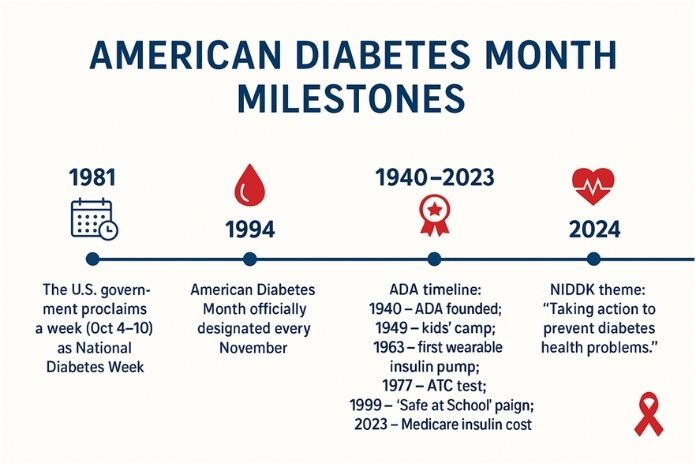
American Diabetes Month, launched in 1982 by the American Diabetes Association (ADA), started as a campaign and turned into a national prevention and empowerment movement. Each November, groups, health care providers, and communities come together to raise awareness regarding the prevention, screening, and early management of diabetes. The awareness is needed since over 116,000 Americans are diagnosed with diabetes in November alone, as per national health data.
With 1 out of 3 Americans already diagnosed with diabetes or prediabetes, the stakes are higher than ever. Early detection saves lives and prevents complications such as heart disease, kidney disease, and blindness.
Know Your Risk
Before you can take preventive action, you must acquire knowledge about your own risk factors. Type 2 diabetes progresses over time and usually starts with insulin resistance.
The significant risk factors are being over 35 years of age, having a sedentary lifestyle, or being overweight, especially around the midsection (belly). Family history, hypertension, and hypercholesterolemia can also put you at a greater risk.
Ethnicity: People with African American, Hispanic, Native American, and Asian American heritage are statistically more prone to developing diabetes.
Silent Progression: 8.7 million Americans with diabetes are unaware of it, making them prone to long-term complications and risks.
Prediabetes is Reversible: If your blood sugar is higher than normal but not diabetic, early changes can completely reverse the condition.
Take the CDC’s free, 60-second online risk test. It is a quick and informative way to know how you’re doing. Understanding your risks helps in early detection and prevention of the condition.
The 5–7% Solution
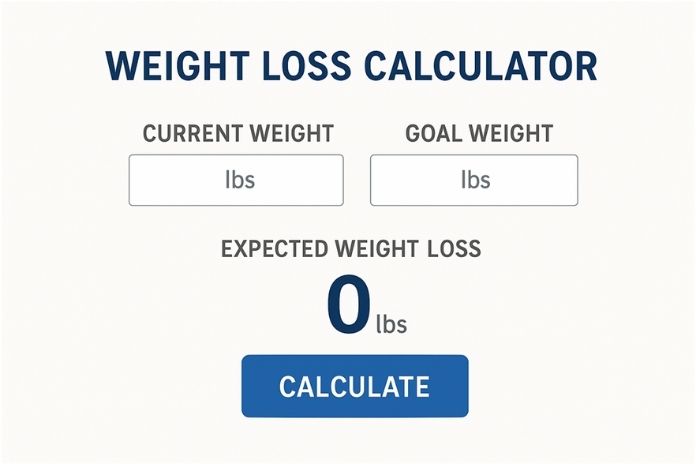
One of the strongest findings in preventing diabetes was made by the Diabetes Prevention Program (DPP), a landmark trial demonstrating that a weight loss of 5–7% of body weight reduced diabetes risk by 58%. That means an individual weighing 200 pounds loses only 10–14 pounds to notice a difference. It is not about diet fads or draconian regimens but about making lasting changes to one’s lifestyle.
- Set achievable goals. Slow and steady weight loss of 1–2 pounds per week is safe, easy to maintain, and most likely permanent.
- Focus on habits, not perfection. Instead of aiming for a perfect diet, focus on replacing one bad habit with a good one, like substituting a sweetened beverage for water.
- Pair food and fitness. The DPP found that the most improvement was made among participants who paired healthy eating with physical activity.
- Celebrate small victories. Even the 2–3% loss of weight improves insulin sensitivity, lowers inflammation, and increases energy.
This gradual plan, which researchers refer to as the “5–7% solution,” says that small and steady steps can bring significant changes.
Read More: The Significance of World Diabetes Day: Advocating for Better Care
Eat Smart with the Plate Method

Healthy eating is not about elaborate diets or calorie counting. The diabetes plate method, developed by the American Diabetes Association, offers an easy, visual meal planning system that maintains stable blood sugar. The method separates a 9-inch plate into portions conducive to balance and variety of nutrients.
- Half the Plate: Fill it with non-starchy vegetables such as leafy greens, bell peppers, broccoli, or carrots. They are loaded with fiber, low in calories, and support blood sugar regulation.
- One Quarter: Include lean protein, such as chicken, fish, tofu, eggs, or beans. Protein causes satiety and supports muscle repair after a workout.
- One Quarter: Include whole grains or starchy vegetables such as quinoa, brown rice, corn, or sweet potatoes for slow-burning energy.
- Smart Drinking: Drink water, unsweetened tea, or black coffee instead of sweetened beverages. Small drink swaps can make a big difference.
The timing of meals also plays a part. Meals at regular times help your body control blood sugar levels better. Make it simpler by using the CDC’s “Plan Your Plate” printable guide and also by buying fresh fruits and vegetables each week. Smart eating doesn’t need to be perfect, but should be mindful, well-balanced choices over time.
Move Your Body—150 Minutes That Matter
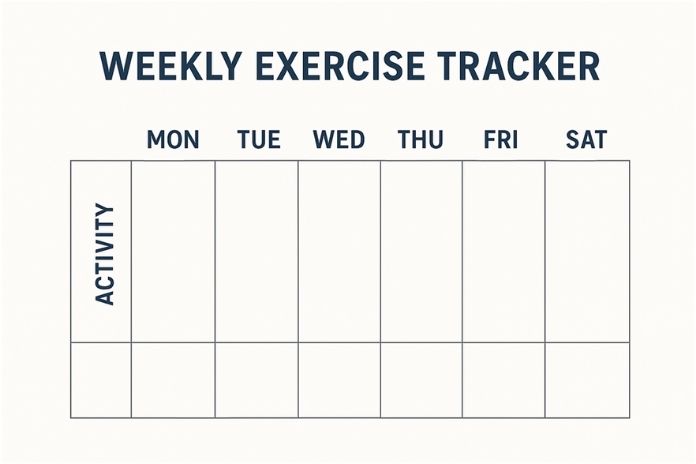
Exercise is likely the most effective way to lower blood glucose and increase insulin sensitivity. The CDC recommends at least 150 minutes of moderate physical activity a week, which can be broken up into smaller chunks daily with little problem.
- Small bursts count. Three 10-minute brisk walks daily are equal to 30 minutes of exercise.
- Play rather than exercise. Choose activities you enjoy, dancing, swimming, or hiking, so exercise is fun, not scary.
- Strength training should not be overlooked. Resistance training makes your body work more efficiently with glucose; two resistance training sessions per week.
- Activity in the office. Stand up or stretch every 30 minutes when seated for long stretches. Studies find that short breaks reduce insulin resistance.
Daily activity not only reduces the risk of diabetes but also enhances mood, cardiovascular health, and sleep quality. It’s not about working harder; it’s about moving more often.
Sleep, Stress, and Your Risk
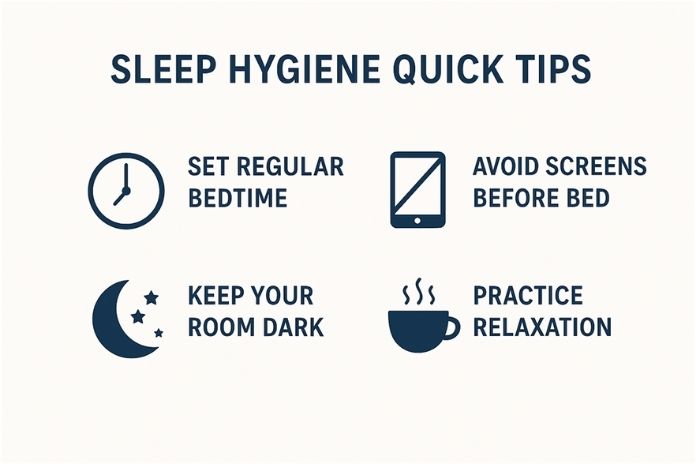
Lifestyle habits beyond diet and exercise also help prevent diabetes. Chronic stress and poor sleep both raise cortisol levels, which interfere with insulin function and increase blood sugar. Together, they significantly increase diabetes risk, even in individuals otherwise healthy.
- Get 7–9 hours of quality sleep every night. Poor sleep has been linked with increased appetite hormones and decreased glucose tolerance.
- Try mindfulness, deep breathing, or keeping a journal to reduce daily stress. Even a few minutes of stress reduction can lower blood sugar swings.
- Keep screens away an hour before sleep; blue light suppresses melatonin, disrupting sleep.
Read More: 8 Essential Lifestyle Changes For Diabetes – Enhance Your Well-Being
Your November Action Plan

American Diabetes Month is the perfect time to act on awareness. Here’s a simple, three-step plan to begin your prevention this November.
- Take the CDC’s Prediabetes Risk Test. Free, quick, and indicates how probable you are to develop diabetes.
- Book a blood sugar screening. Ask your doctor for fasting glucose or A1C testing, especially if you’re overweight or have a family history of diabetes.
- Pick one sustainable habit. It can either be a daily 15-minute walk or eating vegetables at every meal; small choices create a difference.
If you are eligible, join the National Diabetes Prevention Program (National DPP). It is a year-long, CDC-accepted program that helps reduce the risk of diabetes by more than half. The majority of insurance plans, including Medicare, cover the cost.
Conclusion
Preventing diabetes is all about tiny, predictable steps toward sustainable change. American Diabetes Month 2025 challenges you to never forget that awareness, community, and action go hand in hand. By remembering the basics: healthy diet, regular exercise, quality sleep, and stress reduction, you can significantly reduce your risk.
Remember, healthy habits over time make your blood sugar control and prevention better. You don’t need to do everything at once; start with one single significant change this November. Prevention is a life journey, and this is your time to start.
FAQs
1. How do I prevent getting type 2 diabetes?
You can start by taking the CDC’s 60-second prediabetes risk test and then having a blood sugar checkup. Try to lose 5–7% of your weight through smart eating and consistent exercise.
2. Is prediabetes reversible?
Yes, scientific studies confirm that prediabetes is fully reversible by changing your habits. Reduced weight loss of 5–10% can balance blood sugar, having good meals, and physical exercise of at least 150 minutes weekly.
3. What is the diabetes plate method?
The plate system is a quick visual guide to meal planning. Fill half of your plate with non-starchy vegetables like spinach or peppers, one quarter with protein like fish, tofu, or chicken, and one quarter with whole grains or starchy vegetables. Drink water or unsweetened beverages and eat at regular intervals.
4. How much weight do I need to lose to prevent diabetes?
You don’t need to lose just a single pound for the benefits. You only need to lose 5–7% of your body weight. That means 10–14 pounds for a 200-pound person.
5. What is the National Diabetes Prevention Program?
The National DPP is a year-long, CDC-approved lifestyle change program designed for people with prediabetes. It includes weekly group sessions, trained coaches, and personalized nutrition and activity plans.
References
- https://impactful.ninja/american-diabetes-month/
- https://www.niddk.nih.gov/about-niddk/research-areas/diabetes/diabetes-prevention-program-dpp
- https://www.cdc.gov/prediabetes/risktest/index.html
- https://www.apollo247.com/blog/article/can-stress-and-lack-of-sleep-cause-diabetes
- https://www.cdc.gov/diabetes/about/index.html
In this Article