















Have you ever seen red, elevated lines or itchy welts on your skin after lightly rubbing or scratching it? If so, you may have dermatographia, also referred to as “skin writing.” This strange reaction looks scary, but don’t worry, it’s more normal than you may have thought and is a condition recognized by doctors.
In individuals with dermatographia, mild pressure like that from clothing, scratching, or a light touch is enough to trigger a histamine response in the skin, resulting in swelling and redness that is temporary. Though it’s not harmful or contagious, it can be uncomfortable and annoying, particularly if it occurs frequently.
Symptoms usually occur a few minutes after the skin is scratched and normally resolve in less than an hour, but sometimes last longer. The good news is that dermatographia can be controlled with minor lifestyle changes and drugs if necessary, so that you can get relief.
Read More: What are the Foods that Trigger Hives?
What Is Dermatographia?
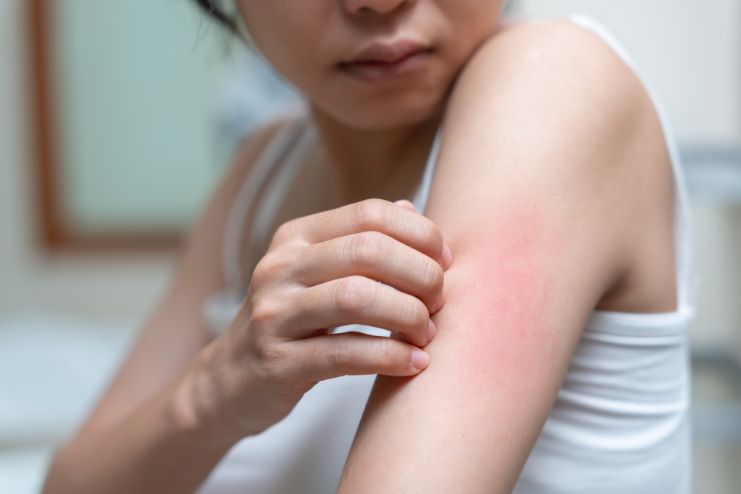
In dermatographia, sometimes referred to as skin writing hives, raised red lines on the skin appear even after a slight touch or scrape. As the name suggests, “dermatographia” literally translates to “skin writing,” and that’s precisely what it appears to be: welts or marks that form when the skin is touched or scraped.
It is more frequent among teenagers and young adults, but it can happen at any age and affects between 2% to 5% of the population. Since commonplace activities like rubbing the skin, wearing tight clothing, or even just toweling off after a shower can cause noticeable red lines or swelling, people with this illness may frequently feel as though they are allergic to touch.
These responses usually show up in a few minutes and go away in an hour, though they can occasionally last longer. Although dermatographia may appear dramatic or cause discomfort, it is not harmful or communicable.
In order to minimize skin friction, people with dermatographia must modify their behaviors and be conscious of what causes the reaction. Most people find they can easily control the problem with minor lifestyle modifications, such as wearing loose clothing and using moderate skincare products.
Many people find it comforting to know that these abrupt markings are a normal reaction. Dermatographia may therefore be the cause if your skin appears to “write back” when touched.
Read More: Causes, Symptoms, and Treatments for Hives
What Causes Dermatographia?
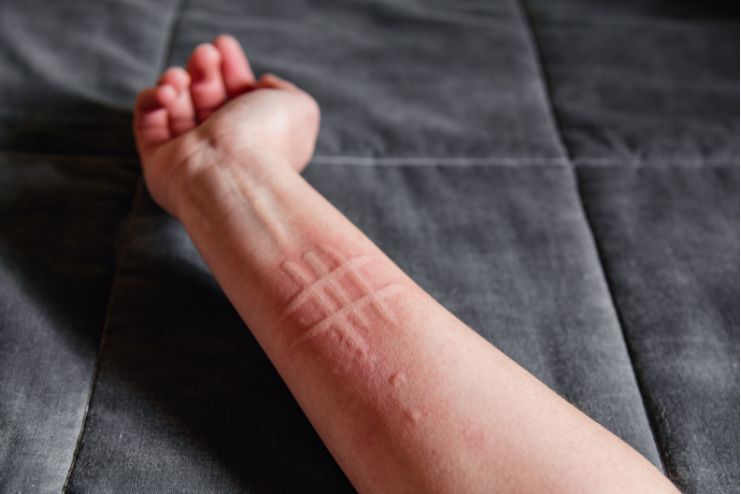
Recognizing your specific triggers and minimizing friction or pressure on your skin can help manage symptoms. Even though dermatographia may look alarming, especially during flare-ups, it is usually manageable with minor lifestyle adjustments and is not considered a serious medical condition.
A Skin Reaction to Scratching or Touch
Dermatographia, often known as skin writing hives, is a condition where the skin develops raised red lines or welts after being lightly scratched or rubbed. This skin reaction to scratching is caused by the release of histamine, a natural chemical in the body that leads to redness, swelling, and itching.
In people with this condition, the skin becomes overly sensitive, and even mild contact can trigger what looks like an allergic response. While it may feel like a touch allergy, dermatographia is actually classified as a type of pressure-induced hives.
No Clear Cause in Most Cases
In many cases, the exact cause of dermatographia is unknown. This is called “idiopathic,” meaning it doesn’t have a specific or identifiable reason.
The body simply overreacts to physical contact, leading to a visible skin response. It’s not harmful or contagious, but it can be uncomfortable and bothersome for those who experience it regularly.
“It’s probably more common than people think,” says Andrea Kalus, M.D., a dermatologist who practices at UW Medical Center Roosevelt. Doctors classify dermatographia as a type of urticaria, or hives, and suspect it is a histamine reaction.
“It’s like an alarm going off in the skin, alerting the immune system that there might be a breach in the wall. It allows extra blood flow and immune chemicals to come into the area,” Kalus says.
Possible Triggers That Can Worsen Symptoms
Although dermatographia often appears without a clear cause, certain triggers are known to bring on or worsen flare-ups:
- Stress or Anxiety: Emotional tension can make the body more reactive and trigger episodes.
- Infections: Viral or bacterial illnesses may cause temporary sensitivity in the skin.
- Allergic Reactions: Those with allergies are sometimes more prone to dermatographia.
- Dry or Irritated Skin: Conditions like eczema or exposure to harsh soaps can increase sensitivity.
- Tight Clothing or Heat: Physical pressure from tight garments or sweating can lead to pressure-induced hives.
- Certain Medications: Some antibiotics, such as penicillin, have been linked to triggering the condition.
Read More: How to Tell the Difference Between Hives and Rash?
Symptoms of Dermatographia

Dermatographia, or skin writing hives, produces abnormal but harmless skin reactions when the skin is gently rubbed or scratched. The most obvious symptom is the presence of raised red lines on the skin or welts resembling writing.
The marks are usually red or skin-colored and tend to be the shape of whatever came into contact with the skin. This response is also known as itchy welts from touch and is frequent among individuals who have extremely sensitive skin.
Itching, Tingling, or Burning
- Affected areas can itch, burn, or tingle
- Itching may vary from gentle to severe
- Often characterized as a sensitive skin rash
- Scratching the involved areas can exacerbate symptoms
Along with the lines visible to the eye, itching, tingling, or mild burning at the spot where the skin has been touched occurs in a lot of individuals. This can be rather annoying, particularly when it occurs continuously. The sensation is perhaps like a sensitive skin rash and may make the scratch reflex even more severe, causing more marks.
Quick Appearance, Short Duration
- Symptoms take around 5–10 minutes to appear after pressure or scratching
- Common things, such as rubbing the skin or using a towel to dry off, can set it off
- Welts usually fade away within 30 minutes to an hour or two
- No long-term marks or scarring once the skin settles
The skin reaction generally appears within a few minutes of exposure, sometimes in less time. The symptoms may appear even from a simple scratch, tight clothes, or rubbing with a towel. These touch-induced itchy welts usually resolve on their own in 30 minutes to a few hours. The symptoms last for more than a few hours in some individuals, but the skin again returns to its normal state without any long-term alteration.
No Long-Term Skin Damage
- Dermatographia is not damaging to the skin in the long run
- It’s not contagious and is not harmful
- The welts resolve fully without leaving scars or pigmentation
- The skin reverts to normal after every flare
Although the marks and soreness can be annoying, dermatographia is not damaging to the skin in the long run. It’s a temporary reaction to routine pressure or friction and is not contagious or harmful.
When to Be Concerned
- Flare-ups occur often or disrupt daily life
- Discomfort or itching becomes difficult to control
- Over-the-counter antihistamines do not provide sufficient relief
- A physician can recommend treatment or assist with determining potential triggers
If the flare-ups become more frequent, troublesome, or disrupt daily life, it’s best to see a physician. Simple remedies, such as taking antihistamines or staying away from known triggers, can control symptoms.
Read More: How to Get Rid of Hives?
Is Dermatographia an Allergy?
Dermatographia can appear and feel like an allergy, but it’s not a full-fledged allergy. Rather, it’s an example of hypersensitivity in which the skin responds to slight physical contact, such as scratching, rubbing, or pressure, by releasing histamine.
This results in redness, swelling, and reddened raised lines on the skin. This reaction can mimic an allergy to touch, yet it does not engage the immune system in identifying and responding to an allergen in the manner of a classic allergy.
A Type of Physical Urticaria
Dermatographia falls under a category of physical urticaria, i.e., hives caused by physical stimuli such as pressure, heat, cold, or vibration rather than allergens such as dust, pollen, or food. In this instance, the stimulus is merely touch or pressure, and hence also known as pressure-induced hives in a few cases.
This rare skin condition is also referred to as writing hives of the skin since even slight scratches will produce visible lines, giving the impression that the skin has been written upon.
Commonly Confused with Allergies
Since symptoms such as itchy welts on touch, swelling, and sensitive skin rash look the same as those of allergies, dermatographia is usually confused with an allergy.
But unlike allergic reactions, it doesn’t happen on exposure to any particular allergen. Allergy tests, like skin prick tests or blood tests, tend to be negative in individuals with dermatographia since there isn’t any underlying allergen present.
How It’s Different from Allergic Reactions
Dermatographia is not caused by any particular allergen. Instead, its symptoms result from physical stimulation, such as scratching, rubbing, or pressure, rather than immune system triggers.
The reaction is usually limited to the area touched, and although histamine is released, it occurs without the typical allergen-antibody response seen in true allergic reactions.
Why the Confusion Matters
Knowing that dermatographia is not an actual allergy assists in selecting the proper method for dealing with it. Although it has a good response to antihistamines (like allergy treatment), avoidance of allergens is unnecessary.
Instead, limiting skin friction, wearing loose clothing, and maintaining moisturized skin are more helpful in averting flare-ups.
So, although dermatographia acts very much like an allergy, it’s actually a distinct skin response to scratching, not an allergic reaction per se.
Read More: 8 Common Side Effects of Fish Oil Supplements
Diagnosis: How Is It Confirmed?

Receiving the correct diagnosis saves you from unwanted tests or treatments and provides you with a clear direction to deal with the condition.
The fact that dermatographism is harmless and non-infectious can be reassuring when symptoms are visible or occur unexpectedly. Through proper diagnosis, you can confidently protect your skin and minimize discomfort in your daily life.
Clinical Diagnosis with a Simple Scratch Test
Dermatographia, commonly referred to as dermatographism or dermatographic urticaria, is clinically diagnosed very easily by a quick test.
Kenneth Helmandollar, M.D., Dermatologist, Advanced Specialty Care, says, “During my initial evaluation for dermatographism, I would obtain an in-depth history from the patient, gathering information on the timeframe of events, potential triggers, alleviating factors, other allergens, and background on medical and pharmacological history of the patient.”
He further adds, “As part of the physical exam, I would perform a non-invasive test called the dermatographism sign. To perform this test, the skin is lightly scratched with an object such as a tongue depressor. A positive test is considered if the skin flares up within minutes of the test.”
This red, itchy skin response to scratching is a signature sign and usually is sufficient to make the diagnosis without the need for any additional testing.
No Blood Tests or Lab Work Needed
Unlike infection or allergy, dermatographia doesn’t involve blood tests, skin biopsies, or allergy panels. That’s because it isn’t the result of an immune response to allergens. Rather, it’s a type of physical urticaria, caused by pressure or touch.
Because laboratory tests would generally be normal, physicians must rely on physical manifestations and direct observation to diagnose it.
When to See a Dermatologist
Dermatographic urticaria is generally harmless and treatable, but it’s always best to visit a dermatologist if:
- Your symptoms occur regularly or are extremely uncomfortable
- The swelling or itching is preventing you from sleeping or performing your daily routine
- Over-the-counter measures such as antihistamines are ineffective
- You think another skin disease may be involved
A dermatologist can exclude other conditions that have similar symptoms, prescribe stronger medications if necessary, and offer advice on preventing flare-ups. In certain instances, they will recommend immune-modulating treatments if simple treatments fail.
Read More: Zoloft Side Effects and Common Reactions
Treatment Options for Dermatographia
Dermatographia may look dramatic with raised red lines on the skin and itchy welts from touch, but it’s usually harmless. It occurs due to an exaggerated histamine response in the skin when it’s scratched, rubbed, or pressed. While there’s no permanent cure, the condition can be managed effectively with a mix of lifestyle changes and medical treatment.
Though dermatographia is triggered by a harmless histamine response, it can still disrupt your comfort. With the right combination of skincare habits and medical support, most people can keep symptoms under control and live comfortably. If symptoms persist, consulting a dermatologist is a smart next step.
a. Lifestyle and Prevention
Everyday habits can play a big role in reducing flare-ups and keeping your skin calm.
- Avoid scratching and pressure: Scratching or even light pressure can trigger symptoms. Try to avoid rubbing the skin or wearing rough fabrics.
- Choose loose, soft clothing: Tight or rough clothing may cause pressure-induced hives. Soft, breathable materials like cotton are ideal.
- Avoid extreme temperatures: Hot showers, sweating, and cold air can make symptoms worse. Try to keep your skin cool and protected.
- Moisturize regularly: Keeping your skin well-moisturized helps prevent dryness, which can increase sensitivity and make the histamine response stronger.
- Manage stress levels: Emotional stress is known to worsen dermatographia in some people. Activities like yoga, deep breathing, and mindfulness can help.
b. Medical Treatment
When lifestyle changes aren’t enough, medications can help block or reduce the histamine response that causes symptoms.
- Over-the-counter antihistamines: Drugs like cetirizine (Zyrtec) or loratadine (Claritin) help control itching and welts by reducing histamine release. These can be taken as needed or daily.
- Prescription-strength antihistamines: For persistent cases, doctors may prescribe stronger or longer-acting antihistamines to control daily symptoms more effectively.
- Corticosteroids: In severe or sudden flare-ups, short-term use of corticosteroids may be recommended to reduce inflammation. These are used with caution due to potential side effects.
- Omalizumab (Xolair): In rare, chronic cases where antihistamines don’t work, this injectable medication can help by targeting the body’s allergic pathways.
Living with Dermatographia
Living with dermatographia can be exasperating, particularly when flare-ups occur unpredictably. This condition induces the skin to respond with raised red lines, itchy welts from contact, or a sensitive rash upon even minimal pressure or scratching.
Although it is not hazardous, the discomfort may impact daily activities. Fortunately, by implementing a few mindful habits and modifications, you can effectively manage symptoms and reduce flare-ups.
Coping Tips for Everyday Life
- Maintain short fingernails: Trimming your nails prevents unintentional skin abrasions, which may elicit a histamine response and worsen symptoms.
- Wear comfortable and breathable textiles: Form-fitting garments or abrasive fabrics may provoke skin irritation. Soft cotton textiles are optimal for minimizing friction and pressure.
- Utilize mild skincare products: Select fragrance-free soaps and moisturizers to prevent irritation of sensitive skin. Refrain from scrubbing or utilizing hot water while bathing.
These minor actions can significantly alleviate daily discomfort and avert unwarranted flare-ups.
Track Your Flare-Ups
Maintaining a journal can assist in identifying the triggers of your symptoms.
- Document the time and location of flare-ups.
- Log your dietary intake, attire, and activities for that day.
- Monitor stress levels and environmental fluctuations.
By recognizing patterns, you will be more adept at circumventing triggers and managing your condition proactively. Some individuals discover that specific seasons, dietary choices, or stress levels influence their symptoms more significantly than others.
Avoid Common Triggers
Dermatographia frequently aggravates with specific daily exposures. Avoid attempting:
- Regular hot showers or baths: Heat may exacerbate pruritus and erythema.
- Strong soaps and harsh cleansers: These may desiccate or irritate the dermis.
- Check on environmental allergens: Pollen, pet dander, or dust may exacerbate skin sensitivity, although allergens do not typically cause dermatographia.
- Stress and anxiety: These may increase your skin’s sensitivity.
While managing dermatographia necessitates caution and consideration, it need not disrupt your quality of life. By cultivating appropriate behaviors, monitoring triggers, and employing gentle skincare, you can effectively manage your symptoms and be more confident in your skin.
Read More: How to Know if it’s Cold or Allergies?
When to Seek Help

Dermatographia is typically mild and manageable. However, in certain instances, it may disrupt normal activities and require medical intervention. Recognizing the appropriate time to seek medical advice is crucial for obtaining adequate care and excluding more severe conditions.
When Symptoms Disrupt Daily Life
If your itchy welts from contact are disrupting your sleep, impairing your concentration at work, or hindering your ability to engage in daily activities. In such a case, it is advisable to consult a physician.
Persistent discomfort, particularly if symptoms continue beyond 30 minutes or recur daily, it warrants attention. A dermatologist can evaluate the severity of your dermatographic urticaria and propose more efficacious treatments.
When Antihistamines Aren’t Enough
The majority of individuals experience alleviation with over-the-counter antihistamines such as cetirizine or loratadine. If these treatments prove ineffective or insufficient in managing your symptoms, you should consult a medical professional.
Your physician may suggest prescription-strength antihistamines or consider alternative strategies, such as adding another medication or adjusting the dosage. In certain instances, advanced treatments may be required for persistent or severe conditions.
If You Experience Unusual Swelling
Although dermatographia generally does not induce severe allergic reactions, swelling of the lips, face, tongue, or neck may indicate a more serious condition, such as angioedema or another type of allergic response.
These symptoms may not pertain to dermatographia and instead indicate another health concern necessitating immediate attention. In the event of respiratory distress, light-headedness, or swelling, promptly seek emergency medical assistance.
While dermatographia is not fatal, it can become frustrating when it impacts your quality of life. Do not hesitate to consult a dermatologist if symptoms are recurrent, exacerbating, or unresponsive to standard treatments. Obtaining an accurate diagnosis and appropriate treatment can help manage your condition and improve your quality of life.
Read More: How Histamine Intolerance Can Flare Up Around Your Periods
Final Thoughts

Dermatographia, also called skin writing or dermatographism, is not dangerous, although it can be annoying and affect your quality of life. The red, itchy bumps that appear with light scratching or pressure may look scary, but they aren’t harmful.
The good news is that most people can keep their symptoms under control by making small changes, such as not wearing tight clothes, controlling stress, moisturizing regularly, and avoiding triggers that worsen their symptoms.
Antihistamines that you can buy without a prescription frequently help lower the histamine response that causes the welts. Many patients find that flare-ups happen less often with time, even if they may not always go away completely.
If you’re not sure what’s causing your symptoms or if they don’t go away after attempting basic treatments, it’s advisable to see a dermatologist. More people than you might think have dermatographia. A doctor can confirm the diagnosis and help you find better ways to deal with it.
References
- https://my.clevelandclinic.org/health/diseases/17793-dermatographism-dermatographia
- https://www.mayoclinic.org/diseases-conditions/dermatographia/symptoms-causes/syc-20371411
- https://www.webmd.com/skin-problems-and-treatments/what-is-dermatographia
- https://www.ncbi.nlm.nih.gov/books/NBK531496/
- https://www.verywellhealth.com/dermatographism-83236
- https://www.apollohospitals.com/diseases-and-conditions/dermatographia
- https://www.medicalnewstoday.com/articles/319258
- https://www.medivision.in/blog/allergy-symptoms-and-tests
- https://www.iafaforallergy.com/disease-a-to-z/dermatographia/
- https://atsociety.org.uk/for-professionals/confirming-a-diagnosis/
- https://medlineplus.gov/lab-tests/differential-diagnosis/
- https://www.singlecare.com/conditions/dermatographia-symptoms
- https://mccallergy.com/dermatographism
- https://www.goodrx.com/health-topic/dermatology/dermatographia
In this Article