













Accidentally taking a second dose of Claritin (loratadine) within a 24-hour window happens more often than most people admit. You’re busy. Maybe you took it in the morning and forgot by afternoon. Maybe your allergies flared up midday and you reached for another tablet out of habit, not realizing you’d already had one. Whatever the reason, now you’re left wondering: Did I just mess something up?
Let’s get straight to it. In most healthy adults, taking two doses of Claritin in one day is unlikely to cause serious harm. It’s not ideal, but it’s not usually dangerous either. That said, it’s not something to make a habit of.
Claritin is designed to be taken once every 24 hours for a reason; stacking doses can increase the chances of unwanted side effects, especially in people who are sensitive to antihistamines, have liver issues, or are taking other medications. Here’s the thing: panic doesn’t help, but understanding does.
What’s actually happening in your body after that extra dose? What symptoms should you look out for? And when is it time to call your doctor, just to be on the safe side? This guide walks you through all of that, with no scare tactics or fluff – just clear facts so you know what to do next.
What Is Claritin and How It Works

Claritin is the brand name for loratadine, a second-generation antihistamine that’s widely used to manage allergy symptoms. It’s commonly taken for:
- Seasonal allergies, like pollen (hay fever).
- Indoor allergens such as pet dander, dust mites, or mold.
- Chronic skin conditions like hives and other allergic rashes.
What makes Claritin different from older antihistamines is its non-drowsy formula. It works by blocking H1 histamine receptors, which are responsible for the itching, sneezing, and runny nose that come with allergic reactions. However, unlike older drugs such as diphenhydramine (Benadryl), Claritin doesn’t easily cross the blood-brain barrier, meaning it’s far less likely to cause drowsiness or dizziness.
That’s why many people take it in the morning and go about their day without feeling like they’ve been hit with a sleep dart.
A clinical pharmacology review explains that first-generation H₁ antihistamines readily cross into the brain, causing sedation and cognitive impairment, whereas second-generation antihistamines like loratadine cross the blood–brain barrier to a significantly smaller extent.
Why It’s Taken Once a Day
Here’s the science: Loratadine has a long half-life, usually ranging from 8 to 28 hours, depending on the individual. That means a single 10 mg dose stays active in your system for most of the day, keeping symptoms in check without needing a top-up.
That’s why the standard dosing is once every 24 hours. It gives your body time to process the medication without overloading your system.
Taking a second dose doesn’t usually make your allergies go away faster. Instead, it increases the level of loratadine in your body, offering little additional benefit. In other words, more doesn’t mean better here.
But what if you do accidentally double up?
That’s where things get more nuanced. Let’s break down what actually happens when you take two Claritin in 24 hours, and how your body might react.
Is It Dangerous to Take 2 Claritin in 24 Hours?
Let’s start with the reassuring part: if you’re a healthy adult and you accidentally took two 10 mg doses of Claritin in a single day, you’re probably going to be fine. Loratadine has a pretty wide safety margin, and a one-time double dose usually doesn’t cause anything worse than mild side effects, if anything shows up at all.
But here’s the nuance. How your body handles that extra dose depends on a few key factors:
- Your age and body weight: Individuals with smaller or older bodies may not clear the drug as efficiently.
- Your overall health: Pre-existing conditions can change how your body processes medication.
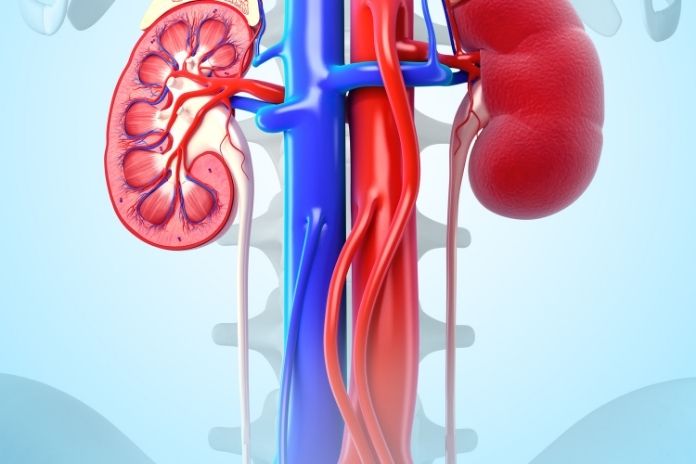
- Liver or kidney function: Loratadine is processed by the liver and excreted by the kidneys. If either system is compromised, levels may build up faster than they should.
- Other medications: Some drugs can interact with loratadine or compete for the same metabolic pathways, potentially amplifying side effects.
- Sensitivity to antihistamines: Some people just don’t tolerate them well and may feel wired, drowsy, or off-balance even at standard doses.
In healthy adults with no complicating factors, your liver will likely metabolize the extra loratadine without much fuss. But if you’re in a higher-risk category, children, seniors, or anyone with liver disease, the effects of a double dose could be more noticeable.
Bottom line: one accidental double dose isn’t a crisis. But don’t make it a habit, and definitely don’t try to “stack” Claritin doses thinking it’ll help more with your symptoms. It won’t, and it might push you closer to unnecessary side effects.
Possible Side Effects of Taking Too Much Claritin

Claritin is considered safe when taken as directed. However, if you exceed the recommended dose, even just once, there’s a chance your body might react, especially if it doesn’t metabolize loratadine efficiently.
Common Side Effects
These are the mild symptoms some people experience after taking more than one dose:
- Headache – Probably the most common side effect, even at a regular dose.
- Dry mouth or dry throat – A result of reduced mucus production from blocked histamine.
- Drowsiness – Claritin is marketed as non-drowsy, but some individuals still experience a slight decrease in energy.
- Dizziness or feeling light-headed – Especially if you’re sensitive to antihistamines.
- Increased heart rate (tachycardia) – Your body’s way of reacting to the stimulant-like effects.
Most of these symptoms, if they appear at all, tend to show up within a couple of hours after the second dose. They typically ease as your body processes the excess loratadine.
Rare but Serious Reactions
These aren’t common, but they can happen, especially in people with underlying health conditions or when very high doses are involved:
- Heart palpitations or a fluttering sensation.
- Tremors or involuntary muscle twitching.
- Anxiety, jitteriness, or feeling uncomfortably restless.
- Mental fog, confusion, or slowed thinking.
- Seizures – Extremely rare, and usually only seen with very large overdoses.
If any of these serious symptoms kick in, especially anything affecting your heart or mental clarity, don’t wait. Call your doctor or visit an urgent care center. Better to get checked and be told you’re okay than to ignore a red flag.
What to Do If You Accidentally Took Two Doses

First, don’t panic. A second Claritin tablet isn’t likely to cause serious harm in most healthy adults. The key now is staying calm, informed, and aware of how your body feels.
Here’s what to do next:
A. Skip the Next Dose
Do not take any more Claritin or any other antihistamine for at least 24 hours from your last dose, not the first one. That gives your body enough time to process the extra loratadine and reset.
B. Monitor for Side Effects
Pay attention to how you’re feeling. Are you noticing anything unusual?
- Mild headache?
- Dry mouth?
- A racing heart or feeling a little foggy?
Most people feel nothing at all. However, if symptoms start to appear or intensify, it’s worth keeping a close eye on them. If anything feels off or uncomfortable, call your healthcare provider, just to be safe.
C. Drink Water
Loratadine can cause mild dehydration or dry mouth. Drinking water won’t “flush” the medicine out instantly, but it helps your body process it more comfortably and reduces the risk of headaches or light-headedness.
D. Avoid Other Stimulants or Sedatives
Until the Claritin clears your system, steer clear of:
- Alcohol
- Caffeine
- Other antihistamines
- Decongestants (especially ones with pseudoephedrine)
- Sleeping aids or anything that makes you drowsy
These can either amplify the sedating or stimulating effects of loratadine and make you feel worse.
E. Don’t Induce Vomiting
Resist the urge to “fix” it by throwing up or taking drastic measures. A second 10 mg dose is not toxic in adults and doesn’t require emergency treatment unless you’re feeling genuinely unwell. Only follow intervention steps if specifically advised by a medical professional.
Accidents happen. The important thing is not to make it a pattern and to use it as a reminder to slow down and double-check your meds before taking them.
Dr. Meredith Goodwin, MD, FAAFP, in a Medical News Today article, notes that: “If a healthy adult takes only a slightly higher dose of antihistamine, such as accidentally taking two pills instead of one, their symptoms may not be serious, or they may not have any symptoms.” Additionally, she emphasizes: “Always call a doctor or a poison control center if an antihistamine overdose occurs.”
When to Call a Doctor or Seek Help
Most cases of double-dosing don’t require emergency care. However, if your symptoms escalate or fall into one of these categories, get help:
- You experience a rapid, irregular heartbeat.
- You feel confused, dizzy to the point of imbalance, or faint.
- You notice severe agitation, shaking, or tremors.
- You took additional medications that interact with Claritin.
- A child or elderly person accidentally took two doses.
- You have a heart condition and feel off in any way.
Don’t feel embarrassed about calling; many people double-dose by mistake, and it’s better to check than wonder.
Tips to Avoid Double-Dosing in the Future
These slip-ups tend to happen during hectic mornings, allergy flares, or late-night fog. The good news? A few simple habits can help you avoid repeating the mistake.
- Use a Medication Tracker: Apps like Medisafe, CareClinic, or even your phone’s built-in reminders can log each dose. Instead of guessing, you can check the app and know for sure if you have already taken it.
- Take It at the Same Time Every Day: Link it to something you already do, like brushing your teeth or having breakfast. Creating that routine means your body and brain start to expect it. Less mental effort, fewer mix-ups.
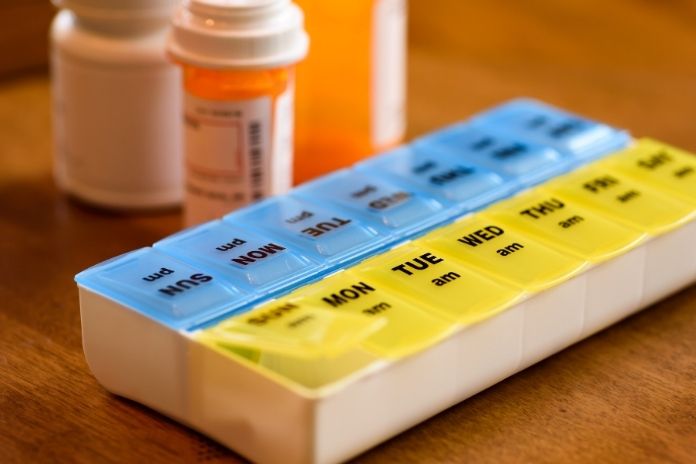
- Use a Pill Organizer: Even if Claritin’s your only daily medication, a simple weekly pill box can do wonders. One glance, and you’ll know whether you’ve taken today’s dose or not.
- Set a Visual Cue: Leave the medication near something you touch every morning, such as your keys, coffee mug, skincare products, or toothbrush. The cue helps jog your memory at just the right moment.
- Keep Everyone on the Same Page: If someone else helps manage your medications, such as a partner, parent, or roommate, ensure they are aware of the plan. Double-dosing often happens because one person didn’t realize the other had already given or reminded you.
A little structure goes a long way when it comes to meds. Set yourself up to remember once, and you won’t have to second-guess later.
Frequently Asked Questions (FAQs)
Q1: What’s the maximum safe daily dose of loratadine for adults?
The standard maximum is 10 mg every 24 hours for most adults. In certain cases, like chronic hives, doctors may approve 20 mg. That should only happen under medical supervision, not on your own. Higher doses don’t improve relief but do raise side effect risks.
Q2: Is there an antidote for a loratadine overdose?
No, there’s no specific antidote for a loratadine overdose. Treatment focuses on managing symptoms like rapid heartbeat or drowsiness. Medical professionals may monitor vitals and provide supportive care. Most cases are mild and resolve on their own without complications.
Q3: Can children take Claritin twice a day?
No, children should never exceed the age-appropriate dose of Claritin. Their smaller bodies can react more strongly to excess loratadine. Even one extra dose could cause serious side effects in kids. If it happens, contact a doctor immediately for further instructions.
Q4: What’s the half-life of Claritin?
Loratadine’s half-life ranges between 8 and 28 hours in adults. That means a single dose stays active for most of the day. This is why it’s designed to be taken only once every 24 hours.
It helps keep symptoms in check without requiring frequent dosing.
Q5: Can I take Benadryl if I accidentally took two Claritin?
Generally, no, combining antihistamines increases the risk of side effects. You may experience excessive drowsiness, dizziness, or an irregular heartbeat. Unless your doctor specifically approves it, don’t add Benadryl. Wait 24 hours before taking another allergy or sleep med.
Conclusion
Accidentally taking two doses of Claritin in 24 hours isn’t usually dangerous, but it’s also not something to ignore. Most healthy adults won’t experience serious side effects, but that doesn’t mean it’s risk-free, especially for kids, older adults, or anyone with underlying health conditions. Knowing how your body reacts and what signs to watch for can make all the difference.
The bigger takeaway here isn’t just about Claritin, it’s about awareness. A second dose might come from a moment of forgetfulness, but the fix lies in building small, consistent habits. Whether it’s setting a daily reminder, using a pill organizer, or establishing a routine around your medication, these steps can help you avoid unnecessary worry down the road.
At the end of the day, mistakes happen. What matters is how you respond. Stay calm, stay informed, and use this as a chance to make your medication routine safer and smarter. Because when it comes to your health, paying attention isn’t optional; it’s powerful.
References
- https://www.mayoclinic.org/drugs-supplements/loratadine-and-pseudoephedrine-oral-route/description/drg-20528225
- https://www.quora.com/What-happens-if-you-take-2-Claritin-pills-per-day-one-in-the-morning-and-the-other-at-night
- https://www.drugs.com/claritin.html
- https://www.poison.org/articles/loratadine
- https://www.medicalnewstoday.com/articles/antihistamine-overdose
- https://www.goodrx.com/claritin/dosage
- https://www.nhs.uk/medicines/loratadine/common-questions-about-loratadine/
- https://www.poison.org/articles/medication-errors-double-dosing
- https://www.healthdirect.gov.au/accidental-overdose-of-medicines
- https://www.healthcentral.com/condition/hypertension/what-happens-if-you-take-too-much-high-blood-pressure-medicine
- https://www.epsyhealth.com/seizure-epilepsy-blog/what-to-do-if-you-accidentally-took-your-seizure-medication-twice
- https://www.medicalnewstoday.com/articles/antihistamine-overdose
- https://www.droracle.ai/articles/52253/what-to-do-if-took-two-doses-of-prozac-80-mg-on-day-accidentally
- https://www.practo.com/consult/accidentally-took-dual-dose-i-accidentally-took-additional-dose-of-olmetime-40-and-nexito-15-br-took-the-1st-dose-of/q
In this Article