














Kombucha, a tangy fermented tea, offers potential support for gut health along with antioxidants from its probiotics and tea compounds. However, kombucha benefits vary by brand, and it carries risks like digestive upset and trace alcohol.
Kombucha has surged in popularity as a fizzy, gut-friendly functional beverage for people looking for a healthier alternative to soda. This fermented tea blends tea, sugar, and a symbiotic culture of bacteria and yeast, known as a SCOBY, to create probiotics, organic acids, and polyphenols.
Fans praise it for supporting digestive health and metabolism, but the evidence is mostly preliminary. Its value hinges on smart choices: look for low-sugar, pasteurized varieties and stick to 4–12 ounces daily as part of a balanced diet. Overhyping it ignores real side effects like bloating and acidity.
Read More: Is Kombucha Good for You? Gut Health Benefits, Risks, and How Much to Drink
What Is Kombucha?
Kombucha starts with sweetened tea fermented by a SCOBY, a rubbery disc of bacteria and yeast that transforms sugar into acids, gases, and trace alcohol. Black or green tea provides the base, while sugar fuels the microbes.
The process takes 7–14 days at room temperature, yielding a sour, effervescent drink with a vinegar-like tang and subtle fizz from carbon dioxide.
This fermentation traces its roots back to ancient practices in China more than 2,000 years ago. Today, it comes bottled commercially in flavors like ginger or berry. Homemade versions risk contamination, so store-bought is the safer choice for most people.
Most store-bought kombucha is sold raw or unpasteurized, which means the live cultures are still active. That is a plus if your goal is gut microbiome support, since pasteurization uses heat that kills most of the beneficial bacteria. Some manufacturers pasteurize first and then add probiotic strains back in afterward.
If you are buying kombucha specifically for its probiotic potential, look for labels that say “raw,” “live cultures,” or “unpasteurized.” If you have a compromised immune system, are pregnant, or are immunosuppressed, pasteurized kombucha is the safer option since the live bacteria in raw versions carry a small but real contamination risk.
What Nutrients and Compounds Are Found in Kombucha

Kombucha packs live cultures, though probiotic strains vary widely and may not all survive stomach acid. Organic acids like acetic and gluconic acid give it an antimicrobial punch and support detoxification.
Polyphenols from the tea base act as antioxidants, fighting oxidative stress and inflammation. Trace elements include B vitamins, enzymes, and minimal caffeine. Residual sugar lingers post-fermentation, often 2–10 grams per serving, alongside 0.5% alcohol or less.
Health Insights
Key Compounds At A Glance
| Compound | Source | Potential Role |
|---|---|---|
| Probiotics | SCOBY fermentation | Supports Gut Microbiome |
| Organic Acids | Bacterial byproducts | Aids digestion, pH balance |
| Polyphenols | Tea leaves | Antioxidant protection |
| Trace Alcohol | Incomplete fermentation | Minimal buzz (under 0.5%) |
Potential Health Benefits of Kombucha (What Evidence Supports)

Human studies remain limited, with most data from animal or lab research. Still, kombucha shows promise as a functional beverage when consumed as part of a diverse, fiber-rich diet.
Gut Health and Digestion
Fermented foods like kombucha may support gut diversity by delivering probiotics that feed beneficial bacteria. Organic acids may also help ease constipation and reduce harmful pathogens. However, the evidence is indirect.
Small trials link kombucha to better digestion, but it lacks the strain-specific consistency of options like yogurt. It is not a guaranteed probiotic therapy, and benefits tend to fade without regular intake.
Antioxidant Support
Tea polyphenols in kombucha neutralize free radicals, potentially reducing oxidative stress. Green tea versions tend to offer more antioxidant activity than black tea versions due to higher catechin levels, according to lab tests.
A 2025 functional beverage review noted that kombucha’s antioxidant and antimicrobial properties are among its most consistent findings across the literature, though long-term human data remains limited.
Metabolic and Cardiometabolic Signals (Emerging Evidence)
Preliminary animal studies suggest kombucha may help manage blood sugar and LDL cholesterol via gluconic acid. Importantly, a small but randomized controlled human trial found meaningful reductions in fasting glucose after four weeks in people with elevated blood sugar levels at baseline, compared to a placebo. That said, the study involved only 12 participants, so it is a starting point, not settled science.
Lab and animal results do not always translate to human outcomes, and effects depend heavily on dosage and formulation.
Read More: Foods to Avoid With an Overactive Bladder: What to Skip (and Why It Helps)
“The base of kombucha is basically sweet tea, and that sweet tea does get transformed — the sugar, much of it gets consumed by the bacteria as a part of fermentation — but there’s still quite a bit of sugar left over,” says Dr. Will Bulsiewicz, Gastroenterologist.”
Kombucha vs Other Fermented Drinks

Kombucha stands out for its tea base and fizz, but it trails dairy ferments in probiotic density.
- Kombucha vs. Kefir: Kefir delivers 10–50 billion CFUs per serving with diverse strains. Kombucha offers fewer viable probiotics but adds polyphenols and is suitable for those avoiding dairy.
- Kombucha vs. Yogurt Drinks: Yogurt provides dairy protein and calcium along with probiotics. Kombucha works for vegans but has higher acidity and less protein.
- Kombucha vs. Apple Cider Vinegar Drinks: Apple cider vinegar has stronger evidence for directly blunting blood sugar spikes. Kombucha adds fizz and flavor variety with a broader nutrient profile.
Choose kombucha if you enjoy tea, want a low-calorie fizzy drink, and are seeking a functional fermented option. Choose kefir or yogurt if maximizing probiotic density is the priority.
Wellness Guide
Fermented Drinks Snapshot
| Drink | Probiotics (CFUs/serving) | Sugar (per 8 oz) | Best For |
|---|---|---|---|
| Kombucha | Variable (low-moderate) | 2–10g | Antioxidants, low-calorie |
| Kefir | High (10–50 billion) | 4–12g | Gut repair, protein |
| Yogurt Drink | High (billions) | 10–20g | Bone health, satiety |
| ACV Drink | None | 0–5g | Blood sugar control |
Sugar and Alcohol Content: What You Should Know
Sugar kickstarts fermentation as SCOBY food, but microbes consume most of it, leaving residual amounts in commercial brews, ideally under 5 grams per serving. Hard kombuchas and heavily flavored versions can exceed 7 grams.
Alcohol hovers around 0.5% in standard store-bought versions — comparable to non-alcoholic beer. U.S. regulations cap it at 0.5% for “non-alcoholic” labeling.
Who Needs to Watch Levels:
- Diabetics:Prioritize low-sugar options (under 4 g per serving). Sugar content varies widely by brand, from 0 to 19 grams, so always check the nutrition label.
- Recovering Alcoholics:Avoid entirely. Trace amounts add up with regular consumption.
- Kids and Teens:Best avoided due to both alcohol and caffeine content.
How to Read a Kombucha Label:
Not all kombucha is created equal. Here is what to look for before buying:
- Sugar:Check the Nutrition Facts panel, not just the front label. Front-of-pack claims like “low sugar” are not standardized. Aim for 4 grams or less per serving.
- Live cultures:Look for “raw,” “unpasteurized,” or “contains live cultures” to confirm active probiotics are present.
- Serving size:Many bottles are labeled as two servings. Double the sugar and alcohol numbers if you plan to drink the whole bottle.
- Alcohol:Standard commercial kombucha is capped at 0.5% ABV. “Hard kombucha” products go much higher and should be treated as alcoholic beverages.
- Flavoring:Fruit-flavored versions often contain added sugars. Plain or ginger varieties tend to run lower in sugar overall.
Possible Side Effects of Kombucha

New drinkers often experience bloating as probiotics begin reshaping the gut microbiome. This usually eases after a few days. The drink’s acidic pH (2.5–3.5) can also trigger acid reflux or gradually erode tooth enamel with frequent consumption. A few practical habits can help: rinse your mouth with water after drinking, and consider sipping through a straw.
Tea-derived caffeine (15–30 mg per 8-ounce serving, comparable to decaf coffee) may cause jitters or disrupt sleep in sensitive individuals. Excessive intake, more than 16 ounces daily, raises the risk of a rare form of lactic acidosis from the buildup of fermentation byproducts.
Liver Health: A Rarely Mentioned Risk
Though uncommon, there are published case reports linking kombucha consumption to serious liver injury, including a documented case of massive hepatic necrosis in a previously healthy individual.
According to a case report published in Gastro Hep Advances, overconsumption combined with other stressors on the liver appeared to be contributing factors. These are rare events, not everyday risks for healthy adults drinking moderate amounts of store-bought kombucha.
However, people with existing liver conditions, those who drink alcohol regularly, or those taking medications that affect the liver should talk to a doctor before adding kombucha to their routine.
Contaminated homemade batches pose real infection risks. Stick to reputable commercial brands. Most side effects fade with moderation.
Read More: The Benefits of Adding Fermented Foods to Your Daily Meals
Who Should Be Careful With Kombucha
- Sensitive Digestion or IBS:The fizz and organic acids can trigger flare-ups, particularly in people with diarrhea-predominant IBS. Start with 2 ounces and monitor your response.
- Pregnant or Breastfeeding:Avoid unpasteurized versions due to bacterial contamination risks and trace alcohol content.
- Weakened Immune Systems:Live cultures carry a small but real infection risk for immunocompromised individuals.
- Alcohol-Averse Groups:Even trace levels (0.5% ABV) may conflict, including for those in recovery or observing religious restrictions.
- People with Liver Conditions:Given the rare but documented cases of liver injury associated with excessive kombucha intake, anyone with liver disease, elevated liver enzymes, or regular alcohol use should consult a physician before consuming kombucha regularly.
How Much Kombucha Is Safe to Drink?
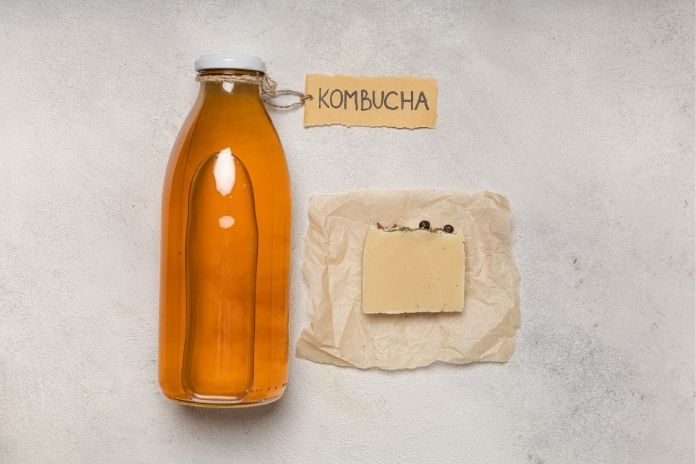
Stick to 4–8 ounces daily for most adults, building tolerance gradually. Well-established commercial brands with clear labeling, including live culture confirmation and sugar content disclosure, are your best starting point.
Moderation prevents overloading your digestion or driving excess acidity. Watch for these signs that you may be overdoing it:
- Persistent bloating or gas
- Heartburn or stomach cramps
- Headaches from caffeine buildup
- Unusual fatigue (a rare signal of acidosis)
Read More: Gut-Friendly Alternatives to Coffee – What to Drink Instead
Final Takeaway
Kombucha supports digestive health, delivers antioxidants, and shows early signals for mild metabolic benefits when enjoyed in moderation — 4–8 ounces daily from low-sugar, live-culture varieties. As a functional beverage, it beats soda on nearly every nutritional measure. But it is not a cure-all, and the kombucha benefits you read about online are often far ahead of what current human research actually supports.
Side effects like bloating, acid issues, and rare but serious risks, including liver injury in vulnerable individuals, mean it deserves the same thoughtful approach as any dietary supplement.
People with IBS, pregnant individuals, those with weakened immune systems, or anyone with liver concerns should exercise extra caution and check with a doctor. Pair kombucha with fiber-rich foods for the best results, and let it complement a healthy diet rather than replace one.
FAQs
Can I drink kombucha every day?
Yes, for most healthy adults. Keep it to 4–8 ounces per day and choose a low-sugar variety. Daily intake beyond that raises the risk of acid-related side effects and, in rare cases, more serious complications.
Is kombucha better than soda?
For most people, yes. A typical 12-ounce soda contains around 40 grams of sugar. Most kombucha contains 5–8 grams per serving, plus organic acids and live cultures that soda lacks entirely. That said, some flavored kombuchas run high in sugar, so always check the label.
Does kombucha need to be refrigerated?
Yes. Unpasteurized kombucha is a live, active product. Keeping it cold slows further fermentation and reduces the risk of excess alcohol buildup. An open bottle should be consumed within a week.
Is homemade kombucha safe?
It can be, but it carries more risk than store-bought. Without proper pH monitoring, sanitation, and temperature control, homemade batches can be contaminated with mold or harmful bacteria. If you are new to kombucha, start with commercial brands.
In this Article