











- Moisturize Immediately: Seal in hydration while your skin is damp to prevent dryness
- Repair Your Barrier: Look for ceramides and humectants to restore skin’s lipid layer.
- Calm & Protect: Anti-inflammatory ingredients like panthenol and niacinamide soothe irritation.
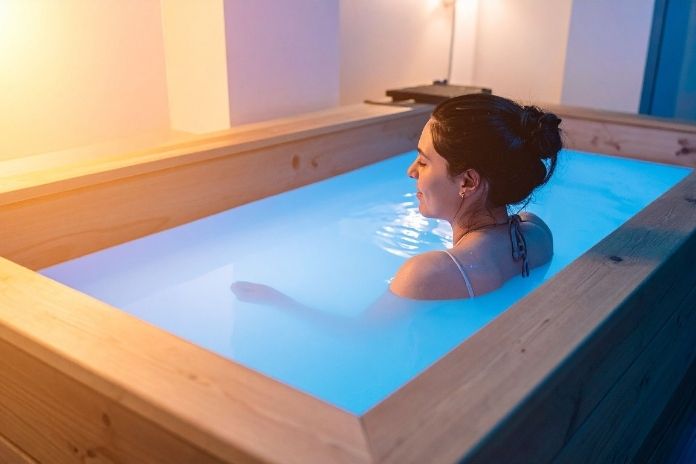
The popularity of icy plunges, ice baths, and brisk cold showers has skyrocketed among athletes, wellness enthusiasts, and others looking for better circulation, quicker recovery, or increased resilience.
But while the refreshing shock of cold water feels invigorating, many people overlook a crucial step in cold shower skin care: moisturizing after a cold plunge. Ignoring this phase can result in long-term problems like dryness, sensitivity, or irritation instead of temporary refreshment.
This article will discuss the effect of cold exposure on your skin, whether cold water damages your skin barrier repair, and the importance of moisturizing after a cold plunge. We’ll also go over what happens if you skip this step, how to properly moisturize after a cold plunge, and how to get the most out of your cold shower skin care regimen.
Read More: Cold Plunges and Workout Recovery: A Game-Changer or Just Another Trend?
What Happens to Your Skin During a Cold Plunge?
Blood vessels narrow when skin is exposed to cold, temporarily reducing edema, redness, and puffiness. Circulation improves as skin heats up, resulting in a healthy flush after a dip.
Therefore, while cold therapy may temporarily make your skin appear firmer and calmer, this is a transient physiological reaction rather than a structural change in your skin.
Ice baths and cold plunges don’t increase collagen or make skin permanently tighter. On the other hand, a temporary increase in brightness can result from the enhanced circulation. Although it might be energizing and have minor, transient effects, cold exposure cannot replace expert skin-tightening or resurfacing procedures.
Several important processes take place when your body comes into contact with cold water, which is usually between 39 and 49°F:
Vasoconstriction and Vasodilation: The cold narrows blood vessels, preventing inflammation and halting blood flow to surfaces. Then, when you’re outside, vasodilation occurs, and a lot of new blood rushes into the damaged skin’s surface to deliver the nutrients it needs to recover.
These methods lower inflammation and increase circulation, according to a Cleveland Clinic summary of cold exposure.
Lymphatic Drainage: After exercise, cold immersion causes fluids to pass through lymphatic vessels, which lessens swelling and puffiness in the face.
Systemic Inflammation Reduction: Research indicates that prolonged exposure to cold can permanently reduce levels of inflammatory cytokines, resulting in healthy skin.
“It’s unclear if the benefits associated with cold-water plunging outweigh the risks,” said Dr. Firas Sibai, Riverside Rheumatology Specialist. “If curious about trying this form of water immersion, it’s best to speak to your doctor beforehand,” he added.
Does Cold Water Damage Your Skin Barrier?
Disruption of the Lipid Barrier
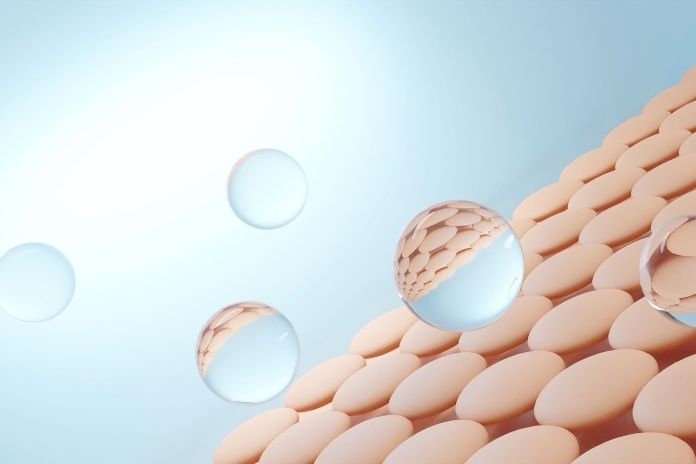
Temperature significantly impacts your skin’s lipid barrier. Lipids are stripped away by cold temperatures, leading to dryness, irritation, and conditions like eczema. The lipid barrier on your skin is negatively affected by cold weather in several ways.
A weaker barrier and quicker moisture depletion result from the combination of cold, dry air and interior heating, which increases transepidermal water loss (TEWL). This moisture loss further diminishes the barrier’s capacity to shield your skin.
Scientific research supports the theory that cold weather damages the skin’s lipid barrier. According to one PubMed study, low humidity and low temperatures lead to a general decrease in skin barrier function and increased susceptibility to mechanical stress.
Increased Transepidermal Water Loss (TEWL)
Transepidermal water loss (TEWL) occurs when water leaks from the skin into the surrounding area. Cold air and water break down the skin’s natural oils and speed evaporation, increasing TEWL when the skin is exposed to cold. It makes skin dry, flaky, and less able to protect itself from daily attacks.
Delayed Skin Recovery Due to Reduced Circulation
It has been shown that cold temperatures make it harder for skin wounds to heal. Even so, we still don’t know exactly what causes cold to slow down wound healing. Cold-exposed mouse plasma (CT-sEVs) generates diminutive extracellular vesicles that impede angiogenesis, enlarge scars, and retard re-epithelialization.
Read More: Cold Showers vs. Ice Baths: Which Recovery Method Works Best?
Why Moisturizing Immediately After Matters
Seals in Hydration While Skin Is Still Damp
Applying a moisturizer right after your cold dip, when your skin is still slightly damp, is one of the best ways to protect it from the cold. When the skin is wet, moisturizing substances can better get into and hold onto water before it evaporates. It reduces cold‑induced dryness and TEWL.
Moisturizing the skin right away creates a hydration buffer that keeps it soft and prevents the tight, uncomfortable feeling that comes with neglected skin.
Helps Restore the Skin Barrier Faster
An effective moisturizer should keep moisture in and irritants out. It does two things:
- Replace lost lipids
- Strengthen the barrier
Ceramides and humectants, such as glycerin, help rebuild the lipid matrix and draw moisture into the skin.
Calms Post-Cold Irritation and Tightness
If you have sensitive skin, cold water can make it itch, feel stiff, or hurt a little. Moisturizing can help alleviate the symptoms by providing stressed cells with water and strengthening the lipid barrier. Panthenol and niacinamide are two anti-inflammatory ingredients that can help calm the skin and speed healing.
What Happens If You Skip Moisturizer After a Cold Dunk?
It might not seem like a big deal to skip moisturizer after being in the cold, but your skin will start telling you otherwise. If you omit this crucial step, the following may occur:
Breakouts Can Worsen: To maintain equilibrium, even extremely oily skin types require moisturizer. Although your T-zone may feel oily, dryness in other parts of your face can trigger your skin to overproduce oil, a natural response to dehydration.
Wrinkles and Fine Lines Become Noticeable: Hydrated skin seems smooth, youthful, and dewy. High-quality moisturizers plump the skin, naturally filling in wrinkles and fine lines. You’ll see a lot more small wrinkles if you don’t use moisturizer, especially around your eyes. It may result in a drab, worn-out appearance.
You Lose a Layer of Natural Defense: Moisturizer helps reinforce and improve the invisible barrier that your complexion naturally has against environmental stimuli. However, in its absence, this barrier may weaken. Before you know it, the harmful substances are penetrating your skin, leaving you vulnerable to sun and pollution damage.
Increased Sensitivity or Stinging: When the lipid barrier weakens, irritants penetrate more readily, leading to increased sensitivity, redness, or stinging. Pollutants in the air or even mild cleaners can feel harsher.
Skin’s Overall Elasticity Decreases: Leather tends to crack if you don’t condition it, and the same applies to your skin. If you don’t hydrate your skin, collagen and elastin fibers may stiffen and degrade. This results in sagging, deep wrinkles, and fine lines.
Read More: The Top 7 Cold Therapy Machines for Effective Cryotherapy Relief
Can Cold Exposure Trigger Skin Reactions?
Cold Urticaria (Cold-Induced Hives)
Cold-induced urticaria (CU) is a type of hives that doesn’t go away and is triggered by exposure to cold. When the skin is cold, mast cells release histamine and other inflammatory mediators.
We don’t know what causes it, and the wide range of symptoms makes it hard to figure out what’s wrong and how to treat it.
Some people with CU experience small, localized swelling or hives, while others have more serious reactions, such as anaphylaxis. Swimming and other water activities, as well as touching or eating cold foods and drinks, can all cause problems. Getting the right diagnosis and treatment is very important because reactions can be mild to severe.
Worsening of Existing Skin Conditions
Being in the cold can make some long-term skin problems worse:
Eczema and Dryness: Barriers that are already weak are more likely to be affected by losing moisture.
Rosacea: For some people, a cold can make their skin red and hot.
After a cold plunge, moisturizing reduces the risk of worsening these diseases and supports barrier function.
How to Properly Moisturize After Cold Plunge
Step-by-Step Post-Dunk Routine
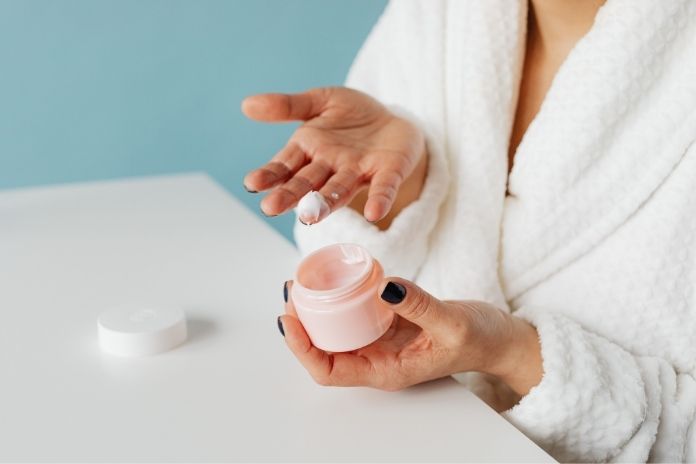
It’s not enough to understand why you should moisturize; you also need to know how to do it well. It is a straightforward, step-by-step procedure:
Gently Pat Your Skin Dry: After using one of the top cold plunge pools, you’ll be tempted to give yourself a vigorous towel rub to warm up. You should be aware, though, that vigorous rubbing can damage the skin, particularly if it is somewhat sensitive to cold.
Instead, use a clean, soft towel to pat your skin dry gently. The goal is to absorb the extra water without creating friction that could harm your skin’s sensitive surface, an important step in cold shower skin care.
Warm Up Slowly: Before using any skincare products, let your body temperature rise naturally. Avoid hurrying this process by sitting next to a heater or rushing into a heated shower. By doing this, you risk further shocking your body and upsetting your skin’s system.
Instead, dress comfortably, drink a warm beverage, such as herbal tea, and let your body gradually return to its normal temperature.
Mist Your Face with Hydrating Spray: When your skin is a little damp from the air but not too cold, mist your face with a hydrating spray. A mist with hyaluronic acid, rose water, or aloe vera can help initiate rehydration. The mist adds a new layer of moisture and calms any irritation that the cold water may have caused.
Use a Nourishing Serum: Serums are highly concentrated treatments designed to deliver potent ingredients to the areas of the skin that need them most by penetrating deep into the skin. After your cold immersion session, it is the best time to use a nourishing serum. It is when your skin’s pores close and slowly open as your body warms up.
Be Careful with Sensitive Areas: After using the best cold plunge, you may need to pay extra attention to areas of your skin that are more sensitive. The hands, lips, and under-eye area often suffer the most because they have thinner skin and fewer oil glands. Put on a thick healing balm with lanolin, shea butter, or beeswax to keep lips from getting chapped.
What Ingredients to Look For
Ceramides (Barrier Repair): The skin’s protective layer naturally contains lipids called ceramides. Ceramides help repair the barrier and prevent water from escaping.
Glycerin (Hydration): A humectant that pulls water to the skin and keeps it hydrated for longer.
Shea Butter (Seal Moisture): This is especially useful in colder climates or during winter because it creates a barrier that keeps moisture in and slows evaporation.
Read More: 12 Wellness Trends We Tried That Didn’t Work (And What Actually Did)
Are There Better Alternatives to Protect Skin After Cold Exposure?
While moisturizing after a cold plunge is the most impactful step, you can enhance your routine further:
- You can improve cold-water skin care and increase water retention by applying a hydrating serum (such as hyaluronic acid) before your cream.
- Lighter lotions may evaporate too quickly in dry or winter temperatures. Thicker creams or balms help reinforce the barrier more effectively and prevent cold-induced dryness.
- Consider spacing out your plunges to give your skin more chance to heal if you experience persistent dryness or irritation even after moisturizing.
Read More: When Dry Skin Turns Dangerous: How to Spot and Treat an Infection
Conclusion
Cold plunges and ice baths are good for your health in many ways, such as improving circulation, speeding recovery, and strengthening your mental health. These fun events can also test your skin’s natural barrier, making it dry, irritated, or more sensitive if you don’t take good care of it.
Moisturizer after a cold plunge is a simple but important step that keeps your skin healthy, comfortable, and hydrated. It also fixes its lipid barrier. You can keep your skin healthy in the long run and avoid cold-water skin irritation by using the right moisturizer right after you get out of the water. Look for products that contain ceramides, humectants, and occlusives.
References
- Infante, D. (2024, March 12). Cold water therapy and skin health: A refreshing path to dermatological wellness
- Camelback Dermatology & Skin Surgery. (2025, October 28). Do ice baths really benefit your skin?
- Glen Ivy Hot Springs. Cold plunging: Why 65°F is the optimal temperature for wellness benefits
- Plunsana. (2025, July 22). Cold plunges for skin health: Acne, inflammation & benefits.
- Camelback Dermatology & Skin Surgery. (2025, October 28). Do ice baths really benefit your skin?
- Pers Skincare. How can using water that is too hot or too cold disrupt the skin in your skincare routine?.
- 2250.care. Hot vs. cold temperature effects on skin lipids.
- Pers Skincare. How can using water that is too hot or too cold disrupt the skin in your skincare routine?
- Anaphylaxis Campaign. (12 December, 2025). Understanding cold‑induced urticaria.
- Mayo Clinic Staff. (2025, May 6). Cold urticaria – Symptoms and causes.
In this Article