















- Arthritis symptoms are not controlled by medicines alone.
- Daily habits like inactivity, smoking, poor sleep, high salt intake, processed foods, stress, and improper joint use can quietly worsen inflammation and joint damage.
- Rheumatologists often advise patients to stop these osteoarthritis-related daily habits because they influence immune activity, pain sensitivity, and joint stability over time.
When someone gets arthritis, the first advice usually comes from family. “Don’t walk too much.” “Don’t climb stairs.” “Don’t move the joint.” It sounds logical. If the joint is painful, then it’s better to rest it. The whole focus goes there.
But rheumatologists caution that this line of thinking can create a bigger problem. Instead, it’s important to ask: What makes arthritis worse? What should be avoided? And does stress play a role in worsening symptoms?
Arthritis is never just about joints getting old or worn out. In many people, it is actually an inflammation problem, an immune system problem, and sometimes a metabolism problem also. And daily habits, the small things done every day, can quietly push inflammation higher.
In clinical practice, doctors notice something interesting. Many arthritis patients are getting worse because of certain habits they keep doing without realizing the effect.
Below are some things to stop doing with arthritis that rheumatologists commonly advise patients. Not because they are small, but because of arthritis and lifestyle changes. Because these things slowly push the disease in the wrong direction.
STOP 1: Being Sedentary – The Most Harmful Misconception

Many people with arthritis think movement is the main problem. They feel pain in the joint and immediately conclude: “If I move less, the joints will be protected.” But human joints don’t work like a machine part that should be kept unused. But very few people know that joint damage due to a sedentary lifestyle is a real thing.
Avoiding Movement Does Not Protect Your Joints – It Damages Them
Joint cartilage actually depends on movement. Cartilage has no direct blood supply. It receives nutrients from joint fluid. And that fluid circulates properly only when joints move.
So when someone stops moving:
- The joint becomes stiff
- Muscles around the joint become weak
- Joint stability reduces
- Pain actually increases
Doctors often see patients who have rested too much for months. When they try to walk again, joints feel even worse. Movement is not the culprit. Weak muscles around joints are the bigger problem. Light movement, stretching, and strengthening usually help joints function better. These movements support joint health without adding excessive pressure.
“But regular exercise has a host of benefits for people who have arthritis. It really does help keep joints flexible. Typically, low-impact exercise is best tolerated. Things like pool exercises, bicycling, or an elliptical tend to keep you moving with less aggravation of the pain,” as said by Dr. Jacob Ziengler, an orthopedic surgeon.
STOP 2: Smoking
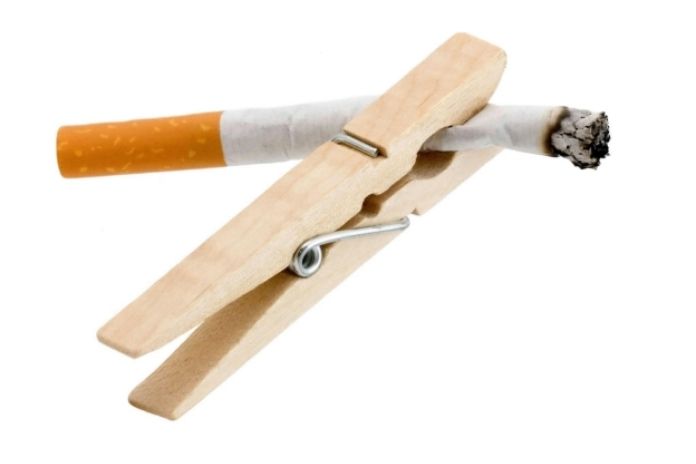
Many arthritis patients do not connect smoking with joint disease. They think smoking only affects the lungs or heart. But rheumatologists know smoking has a strong connection with rheumatoid arthritis.
Smoking Is the Most Evidence-Backed Modifiable Risk Factor for RA
Research over the years consistently shows smokers have a higher risk of developing rheumatoid arthritis. Smoking changes how the immune system behaves. It can increase the production of certain antibodies involved in RA. It also raises inflammatory chemicals in the body.
Because of this:
- The disease may become more aggressive
- Medications may work less effectively
- Joint damage may progress faster
Doctors sometimes notice something very practical also. Patients who stop smoking often report less frequent flare-ups after some time. Smoking during rheumatoid arthritis does not just harm the lungs. It can quietly feed autoimmune inflammation.
STOP 3: Eating Ultra-Processed Foods and Excess Sugar

Diet is a confusing topic in arthritis. There is no single “arthritis diet” that cures the disease. But certain food patterns clearly worsen inflammation. Ultra-processed foods are one of them, mainly considered one of the types of foods to avoid for arthritis.
Processed Foods Directly Fuel the Inflammation Driving Your Symptoms
These foods usually contain:
- Refined sugar
- Artificial additives
- Unhealthy fats
- Very high salt
They also tend to disturb the gut bacteria balance. Why does that matter? Because gut microbes influence immune system behavior. Studies increasingly show that people who have been eating high amounts of ultra-processed foods often have higher inflammatory markers like CRP.
Another issue is weight. Even small weight gain puts extra load on joints, especially knees and hips. Doctors sometimes say something very simple to patients: “If food comes mostly from packets and factories, the body usually doesn’t accept it.”
That simple rule explains a lot: foods that come from packets and factories are processed and should never be eaten in large quantities.
STOP 4: Skimping on Sleep

If you are eating well and still wondering, even after good food, what habits make arthritis worse? Then you need to know more about sleep health.
Sleep is rarely discussed in arthritis treatment. But doctors know poor sleep can make pain worse. Many patients say the same thing. When they sleep badly for several nights, joint pain feels stronger.
Poor Sleep and Arthritis Create a Worsening Cycle
Sleep affects the immune system and pain processing in the brain. When sleep is short or fragmented:
- Inflammatory chemicals increase
- Fatigue becomes severe
- The body’s pain sensitivity rises
Bad sleep can worsen arthritis. And then another cycle starts: Pain happens, causing poor sleep, leading to inflammation, and again resulting in more pain. It keeps repeating. This results in constant rheumatoid arthritis triggers.
Improving sleep quality often reduces morning stiffness noticeably. Sleep is not just rest. It is during sleep that the immune system is also at rest.
STOP 5: Ignoring Stress

Many patients notice this pattern. During stressful times, like work pressure, family issues, and emotional tension, arthritis flares suddenly appear. This is not imagination.
Chronic Stress Is a Documented Arthritis Flare Trigger
Stress activates hormonal systems that affect immune balance. Long-term stress can increase inflammatory activity in the body. But there is also a behavioral effect. People under stress cortisol arthritis usually:
- Sleep less
- Eat more junk food
- Exercise less
So stress creates multiple pathways for worsening symptoms. Doctors do not suggest eliminating stress completely. That is unrealistic. But learning some form of stress management, walking, breathing exercises, and relaxation methods often help reduce flare frequency.
STOP 6: Eating Too Much Salt

Salt is usually discussed in relation to blood pressure. But avoiding salt is an important answer for “what not to do with arthritis.” Researchers recently started looking at salt and autoimmune disease. Some findings are quite interesting.
Excess Sodium May Increase Autoimmune Activity
High salt intake may influence certain immune cells involved in inflammation. Some laboratory studies suggest salt can stimulate immune cells called Th17 cells, which play a role in autoimmune diseases like rheumatoid arthritis.
Another simpler effect is fluid retention. More fluid retention sometimes means more swelling sensations in joints. This does not mean salt must be completely avoided. But modern diets already contain high sodium because of processed foods, resulting in arthritis inflammation. Reducing hidden salt sources can help control inflammation load in the body.
Read More: Psoriatic Arthritis: Symptoms, Causes, and Treatment Options You Should Know
STOP 7: Drinking Alcohol Regularly

The relationship between alcohol and arthritis is not very simple. Some small studies suggest moderate alcohol may not worsen inflammation significantly. But real-world clinical advice is more cautious.
“Historically, it was tobacco, which was the No. 1 cause of rheumatoid arthritis, but family history and genetics as well as obesity play a role,” as noted by Dr. Amish Dave said, noting there’s also suspected to be a trigger with heavy alcohol intake. So, all those things can combine to increase the risk of rheumatoid arthritis.”
Alcohol’s Relationship With Arthritis Depends on Type
Many arthritis medications, especially methotrexate, are processed by the liver. Regular alcohol intake increases strain on the liver. Doctors worry about long-term liver damage when both are combined. Alcohol-induced arthritis also affects sleep quality and metabolism, which indirectly influences inflammation.
So rheumatologists often advise patients to keep alcohol minimal or occasional, especially if they are on disease-modifying drugs.
Read More: Ease Arthritis Symptoms: 5 Best Heating Pads for Joint Pain Relief
STOP 8: Overloading Joints Without Joint Protection Strategies

Exercise is important for arthritis. But the way joints are used matters a lot. Many patients unknowingly overload certain joints during daily activities, causing joint-overuse arthritis.
How You Move Matters as Much as Whether You Move
For example:
- Lifting heavy bags using fingers instead of palms
- Repetitive kneeling without support
- Poor posture during long sitting
- Weak hip muscles shifting load to the knees
Over time, these movement patterns increase stress on joints already affected by arthritis. Physiotherapists often teach simple joint protection strategies:
- Use stronger joints for lifting
- Distribute weight evenly
- Strengthen surrounding muscles
- Avoid repetitive strain
These small mechanical adjustments make a big difference over the years.
Read More: Lupus vs. Rheumatoid Arthritis: What’s the Difference?
Final Thoughts
Arthritis treatment often focuses on medications. But doctors who treat arthritis for many years notice something else. Disease severity is not decided only by medicine.
Daily habits slowly shape the environment inside the body. Some are the habits that worsen arthritis and increase inflammation. Some weaken the joint support system. Some increase pain sensitivity in the brain. When patients remove these habits, something interesting happens. Sometimes symptoms become much easier to manage even without changing medicines.
Managing arthritis is not only about adding treatments. Often, it is about things to stop doing with arthritis that are quietly making the disease worse.
- Arthritis symptoms are influenced by immune activity, metabolism, and nervous system responses, not just joint damage..
- Lack of movement weakens muscles that stabilize joints, often worsening stiffness and pain over time.
- Smoking remains one of the strongest lifestyle risk factors linked with rheumatoid arthritis severity.
- Sleep quality plays a major role in pain perception and inflammatory regulation in arthritis patients.
- A major research gap still exists in understanding how diet patterns, stress biology, and gut microbiome interact with arthritis medications and long-term disease progression.
References
- Chang, Kathleen, et al. “Smoking and Rheumatoid Arthritis.” International Journal of Molecular Sciences, vol. 15, no. 12, 2014, pp. 22279–22295,
- Lopes, Aline Ester da Silva Cruz, et al. “Association between Consumption of Ultra-Processed Foods and Serum C-Reactive Protein Levels: Cross-Sectional Results from the ELSA-Brasil Study.” Sao Paulo Medical Journal, vol. 137, no. 2, Apr. 2019, pp. 169–176, 2.Accessed 24 Nov. 2020.
- Mavropoulos, Athanasios. “On the Role of Salt in Immunoregulation and Autoimmunity.” Mediterranean Journal of Rheumatology, vol. 31, no. 4, 2021, p. 3, Accessed 2 Feb. 2026.
- Pai, Jennifer K., et al. “Moderate Alcohol Consumption and Lower Levels of Inflammatory Markers in US Men and Women.” Atherosclerosis, vol. 186, no. 1, May 2006, pp. 113–120, Accessed 3 Apr. 2020
In this Article