















The phrase “best probiotics for gut health” is quite common, but it is also often misinterpreted. Probiotics are not generic, not universal, and not guaranteed to be effective simply because they have a high CFU count in the form of billions of bacteria. Scientific research proves that probiotics are strain-specific, symptom-specific, and situation-specific.
What works for one person’s digestive system may do nothing for another person or even make their symptoms worse. This is because the gut microbiome is extremely individualized, influenced by genetics, diet, prescription medications, stress, age, and environment.
Increasingly, research supports the notion that probiotics are a tool, not a panacea. They only work when the right strains are used on a consistent basis and in conjunction with healthy dietary practices.
This article will examine what probiotics are, how they can be effective, and which strains of probiotics have valid scientific evidence supporting their use in the relief of digestive issues, bloating, IBS, diarrhea, and gut balance.
What Are Probiotics and How Do They Support Gut Health?
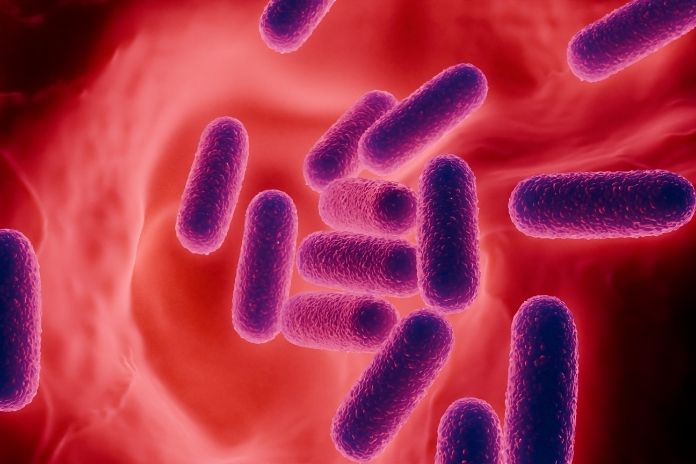
Probiotics are live microorganisms that, when used in adequate amounts, provide a health benefit. The majority of probiotics are bacterial species from the genera Lactobacillus and Bifidobacterium, although some yeasts, most notably Saccharomyces boulardii, have also been shown to have probiotic properties.
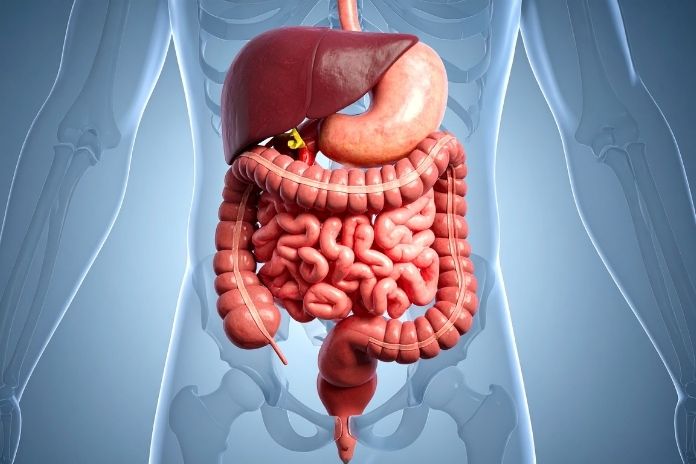
After ingestion, probiotics interact with the gut microbiome, which refers to the trillions of microorganisms that live, for the most part, in the large intestine.
They influence gut health through several mechanisms: competing with pathogenic microbes for nutrients and binding sites, strengthening the intestinal barrier, producing metabolites such as short-chain fatty acids, modulating the immune system, and influencing gut motility and sensitivity.
We must note that most probiotics are non-colonizing, meaning that they do not stay in the gut for long. This explains why probiotics are most effective when taken together with prebiotics, which are non-digestible fibers that preferentially ferment beneficial bacteria. It also explains why gut health is more dependent on diet than supplements.
Strain specificity is key to the effectiveness of probiotics. This is because very similar strains may act very differently in the body. This is why the results of probiotics cannot be generalized across species or brands.
What Makes a Probiotic Effective for Gut Health
A probiotic is not measured by its hype but by its efficacy. The most important characteristic is probably the type of microbe itself. What has been found effective for some strains has not necessarily been found for others, even if they belong to the same species. So, for example, a certain strain of Lactobacillus can treat diarrhea, but another can merely improve immunity.
CFU, which stands for colony-forming units, is an indicator of how many organisms you are providing. To improve gut health, these probiotic organisms usually come in a dose of 1 billion to 20 billion CFU. Consuming more probiotics is not always better, especially as it might lead to a bloating sensation in sensitive individuals, such as those who suffer from IBS.
Another important factor is survival through stomach acid and bile. Probiotics must withstand these harsh conditions to reach the intestines alive and do their work. This depends on the robustness of the strain and the quality of the product.
Consistency and duration are also important. Many of the benefits take several weeks to appear as the gut microbiome gets used to repeated exposure.
Best Probiotic Strains for Gut Health (Evidence-Based)
Lactobacillus rhamnosus GG
Lactobacillus rhamnosus GG is one of the probiotic strains that has been extensively researched and has a considerable amount of scientific evidence proving that it can decrease the risk and length of antibiotic-associated diarrhea by maintaining the gastrointestinal microbiota balance during antibiotic therapy.
This bacterium adheres to the intestinal mucosa effectively and can strengthen our mucosal immunity. GG also reduces infectious diarrhea and aids in recovery processes in the gastrointestinal tract. It’s particularly useful to kids, travelers, and people on antibiotics.
Lactobacillus acidophilus
While Lactobacillus acidophilus is frequently found in probiotic formulations intended for improved digestion, it produces lactic acid to decrease the pH of the intestines and keep pathogens away. It can also aid in lactose digestion by assisting in the breakdown of lactose in milk, which is particularly helpful to those with mild lactose intolerance.
- acidophilus, in summary, is beneficial to overall digestive well-being, but with varied results when it comes to something like IBS. It works best in a blend rather than on its own.
Bifidobacterium lactis
Bifidobacterium lactis has been associated with increased bowel movement frequency, softer stool texture, and accelerated stool movement within individuals who may be faced with a constipation-predominant type of bowel profile.
Additionally, it helps maintain the bowels, thus reducing bowel permeability and low-grade chronic inflammation. Daily digestive health probiotic formulations may contain this type of probiotic strain.
Bifidobacterium longum
Bifidobacterium longum is one of the most studied probiotic strains for IBS-related symptoms, including abdominal pain, bloating, gas, and irregular bowel habits. It has also been linked to changing the gut–brain axis, influencing stress-related digestive symptoms through interactions with the nervous system.
People whose digestive issues worsen during periods of emotional stress or anxiety may respond particularly well to this strain.
Saccharomyces boulardii (Beneficial Yeast)
Saccharomyces boulardii is a yeast that is non-pathogenic; it has good clinical evidence for the prevention of antibiotic-associated diarrhea and traveler’s diarrhea. Unlike bacterial probiotics, it is not affected by antibiotics; thus, it is exceptionally helpful during antibiotic treatment.
It also reduces pathogenic organisms and promotes immune signaling in the gut. Yeast-based probiotics like S. boulardii are often preferentially administered during cases of acute diarrhea or when bacterial-based probiotics are less effective.
Best Probiotics for Different Gut Issues

For Bloating and Gas
Probiotics for bloating work by improving fermentation balance and reducing excess gas production. Strains such as Bifidobacterium longum and certain Lactobacillus species have supportive evidence for reducing bloating severity.
Temporary worsening of gas during the first week is common and usually reflects microbiome adjustment rather than intolerance.
For Constipation
Motility-supporting strains, such as Bifidobacterium lactis, help improve bowel movement frequency and stool consistency. However, probiotics alone are rarely sufficient. Adequate hydration, dietary fiber, and physical activity are critical for sustained improvement.
For Diarrhea
The strongest clinical evidence for diarrhea treatment supports the use of Lactobacillus rhamnosus GG and Saccharomyces boulardii. These probiotics help shorten the duration and reduce the recurrence of diarrhea, particularly when triggered by antibiotics or infections.
Short-term use is often sufficient, though some individuals benefit from continued support during recovery.
For IBS
Probiotics for IBS should be selected based on dominant symptoms. Some people respond best to single, well-studied strains, while others benefit from carefully formulated combinations. Symptom tracking over several weeks is essential to determine effectiveness.
Read More: The Gut-Brain Connection: How Your Gut Health Affects Mental Well-Being
Probiotic Supplements vs Fermented Foods
Probiotic supplements, on one hand, provide specific strain information, colony-forming unit (CFU) content, and specific dosage, which can be useful for managing specific symptomology. When it comes to fermented foods such as yogurt, kefir, kimchi, and sauerkraut, these help promote general gut microbiome diversity but lack specific strain information.
So, while fermented foods and supplements serve different purposes, an individual can rely on supplements to manage specific problems related to the digestive system.
How Long Do Probiotics Take to Work?

Most probiotics require 1 to 4 weeks to show noticeable effects, depending on the strain and the digestive issue being addressed. Probiotics influence microbial balance gradually rather than producing immediate results.
If no improvement is seen after 4 to 6 weeks, it may be appropriate to stop, switch strains, or reassess whether probiotics are suitable for that individual.
Common Mistakes People Make With Probiotics
One thing to avoid is choosing a suitable brand of probiotic by focusing solely on the CFU count. Taking very high doses does not guarantee improvement and can even exacerbate bloating.
If the product is changed too often, the gut microbiome will not be able to adapt to the change. Not paying attention to fiber and the overall diet will reduce the effectiveness of probiotics, too.
Some people think probiotics will solve all their digestive problems, but they should be considered more like a helper rather than a magic solution.
Read More: Low-FODMAP Recipes for a Happy Gut (Without Sacrificing Flavor)
Are Probiotics Safe for Everyone?
For healthy people, the safety profile for probiotics is considered good. Generally, minor side effects such as gas or bloating occur, but these are short-lived.
People who have weak immunity, are in critical condition, or have central venous catheters should take probiotics under medical guidance. If the fever persists, if the abdominal pain is severe, or if the condition worsens, seek medical attention.
How to Choose the Best Probiotic for You
Choosing the best probiotic involves matching strains to symptoms, reading labels carefully for full strain names, CFU counts at expiration, and storage instructions. Third-party testing improves quality assurance.
Multi-strain probiotics are not inherently superior. In many cases, targeted single-strain or limited-strain formulas are more effective.
Read More: Top 3 At-Home Microbiome Testing Kits for Personalized Gut Health Insights
The Practical Takeaway
The best probiotics for gut health are defined by strain-specific benefits, not brand names or marketing claims. Effectiveness depends on symptom targeting, consistent use, and supportive dietary habits.
Probiotics can meaningfully support digestive health, but they are not a substitute for medical care. When chosen thoughtfully, they are a valuable part of a broader gut health strategy.
References
In this Article