














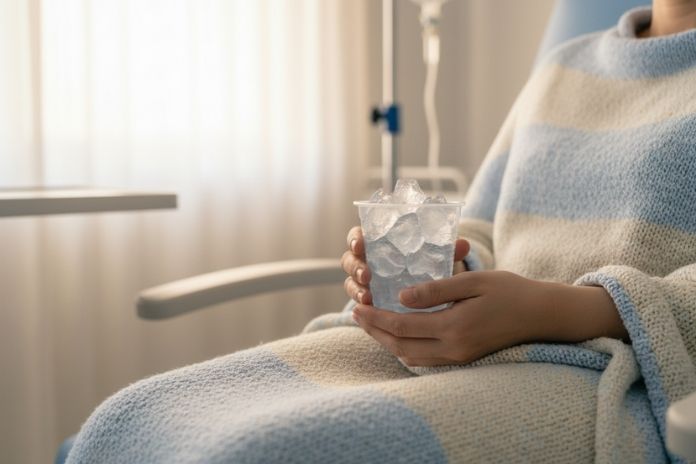
If you’ve ever watched someone go through chemotherapy, or are going through it yourself, you know how brutal chemo mouth sores can be. Eating becomes a painful challenge, talking can hurt, and even brushing your teeth feels like scraping sandpaper across tender gums. These sores, technically called oral mucositis, are one of the most common and uncomfortable side effects of many chemotherapy regimens.
So when an oncology nurse hands a patient a cup of ice chips before chemotherapy and says, “This might help,” it’s natural to wonder: how could simply cooling your mouth possibly prevent something caused by powerful drugs? The answer lies in a technique called oral cryotherapy, which is far from a myth or a home remedy; it’s a research-backed method used in hospitals worldwide.
Oral cryotherapy works especially well with certain chemotherapy drugs known to cause severe mucositis. By cooling the mouth, blood vessels constrict, reducing the amount of drug that reaches the sensitive lining of the oral cavity. Studies show this can meaningfully reduce the incidence and severity of mouth sores.
In this article, we break down how cryotherapy works, who benefits most, who should avoid it, and what the research says, so patients and caregivers can approach this simple yet effective strategy with confidence.
What is Oral Cryotherapy?
Oral cryotherapy is a simple, evidence-based method to prevent chemotherapy-induced mouth sores. It typically involves holding ice chips in your mouth before, during, and sometimes after a chemotherapy infusion. Some centers use flavored ice pops or crushed ice, but plain ice chips are most common because they melt slowly and provide consistent cooling.
Here’s how it works:
- Cooling the mouth causes vasoconstriction (narrowing of blood vessels).
- Narrower vessels reduce blood flow to oral tissues.
- Less blood flow means less chemotherapy reaches the mouth.
- Reduced exposure protects delicate tissues from chemical damage that causes sores.
In short, oral cryotherapy acts like a temporary shield for your mouth. By limiting drug delivery at the moment it would normally cause damage, it significantly lowers the risk and severity of mucositis. This makes it a trusted, research-backed strategy in many cancer centers, especially for drugs most likely to cause painful mouth sores.
Read More: The Top 7 Cold Therapy Machines for Effective Cryotherapy Relief
Why Chemo Causes Mouth Sores
Chemotherapy doesn’t just attack cancer cells; it also affects any cells that divide quickly.
This includes:
- Cells lining the mouth.
- Cells in the throat.
- Cells in the gastrointestinal tract.
Because these cells renew rapidly, they are highly vulnerable to chemotherapy damage. When injured, they can break down, leading to oral mucositis, a painful condition that can disrupt eating, speaking, and oral hygiene.
Symptoms often include:
- Painful ulcers and sores.
- Redness and inflammation.
- Swelling of the mucous membranes.
- Difficulty chewing or swallowing.
- Increased infection risk due to open sores.
Oral mucositis is surprisingly common; studies show that, depending on the chemotherapy regimen, 40–80% of patients develop mouth sores. The severity varies, but even mild cases can significantly affect comfort and nutrition. This is where oral cryotherapy comes in.
By holding ice chips or crushed ice in the mouth during chemotherapy:
- The mouth’s temperature drops, causing vasoconstriction (narrowing of blood vessels).
- Reduced blood flow means less chemotherapy reaches oral tissues at the critical moment.
- Fragile oral cells are temporarily shielded, lowering the risk of severe sores.
In essence, cryotherapy gives your mouth a protective pause. It doesn’t alter the effectiveness of chemo on cancer cells but focuses on sparing the fast-dividing healthy cells in your oral cavity. For many patients, this simple step can mean the difference between tolerable discomfort and debilitating mouth pain during treatment.
Does Cryotherapy Actually Work? What Research Shows
Patients and caregivers often wonder whether sucking on ice during chemo is just a “nice idea” or actually clinically effective. The good news is that for certain chemotherapy drugs, oral cryotherapy is well-supported by evidence and is considered a standard preventive strategy in many oncology centers. Its effectiveness depends largely on the type of chemotherapy, the timing of ice exposure, and adherence to recommended protocols.
Strongest Evidence: 5-Fluorouracil (5-FU)
For patients receiving 5-FU, oral cryotherapy is one of the most effective strategies to prevent mucositis. Multiple randomized controlled trials and a 2016 Cochrane Review found that ice chip therapy can reduce the risk of oral mucositis by 50–60%.
Benefits observed in these studies include:
- Fewer mouth sores are forming.
- Less severe oral ulcers occur when they do.
- Reduced need for opioid pain medications.
- Better ability to eat normally, maintaining nutrition.
- Fewer chemotherapy delays caused by mucositis complications.
In practical terms, this means patients can maintain better overall health and comfort during treatment. Many cancer centers now include oral cryotherapy as standard supportive care for 5-FU patients because it’s effective, low-cost, and well-tolerated.
High-Dose Melphalan (Stem Cell Transplant Patients)
Patients undergoing stem cell transplant conditioning with high-dose melphalan also benefit from cryotherapy.
Clinical studies show that ice therapy during infusion:
- Reduces the severity of mucositis.
- Speeds up healing time for oral ulcers.
- Lowers dependence on pain relief medications.
- Improves nutritional intake by making eating more tolerable.
Based on this evidence, the 2019 MASCC/ISOO guidelines recommend oral cryotherapy specifically for melphalan patients. This has made it a standard practice in transplant centers for mitigating one of the most painful chemo side effects.
Limited or Mixed Evidence for Other Chemotherapy Drugs
It’s important to note that oral cryotherapy doesn’t work for every chemotherapy drug. Drugs like irinotecan, methotrexate, and certain targeted therapies cause mucositis through mechanisms not strongly influenced by blood flow, so cooling the mouth has a limited effect.
Radiation-induced mucositis is another example where ice chips do not prevent tissue damage, since the injury is caused directly by radiation rather than by circulating chemotherapy.
Because of these differences, cryotherapy is not universally recommended. Patients should always follow their oncology team’s guidance regarding which drugs and protocols are appropriate for ice therapy.
Research-Based Benefits Across Supported Chemotherapy Types
When used with drugs where efficacy is proven, cryotherapy provides measurable advantages for patients:
- Lower risk of developing severe mucositis.
- Reduced oral pain and discomfort.
- Less reliance on opioid analgesics.
- Better hydration and nutrition due to tolerable eating.
- Fewer treatment delays caused by mouth sores.
- Improved overall quality of life during chemotherapy.
In short, for the right patient at the right time, oral cryotherapy isn’t just a comfort measure; it’s an evidence-based intervention that meaningfully reduces one of the most challenging side effects of chemotherapy.
How Cryotherapy Is Used During Chemo (Step-by-Step)
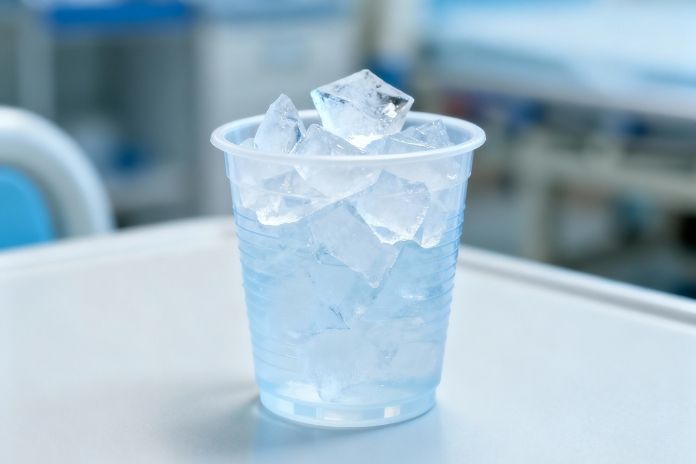
Oral cryotherapy is simple in concept but requires precise timing and technique to be effective. The goal is to cool the mouth to reduce blood flow to oral tissues at the exact moment chemotherapy drugs are circulating at high levels.
Here’s the step-by-step approach commonly used in clinical settings:
Step 1: Start Before Infusion
- Begin 5 minutes before chemotherapy starts.
- Patients gently suck on ice chips, moving them around the mouth to cool all surfaces, gums, tongue, inner cheeks, and roof of the mouth.
- This pre-cooling helps blood vessels constrict before the drug enters full circulation.
Step 2: Continue During Infusion
- Keep ice chips in the mouth throughout the infusion.
- The goal is to maintain vasoconstriction so oral tissues are less exposed to the chemo agent.
- Nurses may refresh the ice regularly to ensure it stays effective.
Step 3: Continue After Infusion
- Maintain ice exposure for about 30 minutes after the infusion ends.
- This covers the period when chemotherapy levels in the bloodstream are tapering but still high enough to cause tissue damage.
- Some centers use flavored ice pops for comfort, but plain ice chips are most common due to slower melting and safety.
Key Safety Notes
- Oral cryotherapy should only be done under clinical supervision.
- It is specifically tailored to certain chemotherapy drugs, such as 5-FU and high-dose melphalan, and may not be appropriate for others.
- Do not attempt this at home unless your oncology team explicitly recommends it.
When done correctly, cryotherapy is a low-cost, low-risk intervention that can meaningfully reduce the severity of chemo-induced mouth sores and help patients maintain nutrition, hydration, and overall comfort during treatment.
Who Can Benefit Most From Oral Cryotherapy?
Some people get a much stronger benefit from cryotherapy than others, mainly because certain chemotherapy drugs cause mouth sores through blood-flow–related mechanisms. That’s why cooling the mouth works so well for specific treatments.
Here’s who typically responds best:
- Patients receiving 5-FU (strongest evidence).
- Patients are getting high-dose melphalan for stem cell transplant.
- People who had severe mucositis in earlier chemo cycles.
- Those who tolerate cold therapy comfortably.
- Anyone looking for a non-medication supportive option.
And because cryotherapy is low-cost, non-invasive, easy to use, and free of long-term side effects, it ends up becoming one of the most practical supportive tools when the drug choice is right.
Dr. Douglas E. Peterson, a clinical oncologist and co-author of systematic reviews on mucositis care, explains it like this: “Oral cryotherapy works by cooling the oral tissues during chemotherapy infusion, which causes local vasoconstriction and reduces the delivery of mucotoxic drugs to the mouth lining.”
He explains that this mechanism is why cryotherapy has the strongest evidence for preventing mucositis in patients treated with bolus 5-fluorouracil and has supportive data in high-dose melphalan conditioning for stem cell transplant.
What this really means is that the benefit isn’t the cold itself as a general soothing trick; it’s that cooling temporarily limits blood flow during key drug exposures. That’s why certain patient groups show clear benefit while evidence is weaker or absent for other regimens and settings.
Read More: 7 Comfort Items for Cancer Patients Undergoing Chemotherapy
Who Should Not Use Cryotherapy?
Some situations make oral cryotherapy risky instead of helpful, and this part really matters because most patients assume ice is harmless. The reality is that certain chemotherapy drugs and medical conditions react badly to cold exposure.
If you fall under any of the following categories, cryotherapy should be avoided unless your oncology team specifically says otherwise.
1. Patients receiving oxaliplatin
Oxaliplatin is known for triggering cold sensitivity, so adding ice to the mix can backfire. Instead of preventing mucositis, it can trigger sudden jaw spasms, throat tightness, and intense discomfort. Some people even experience temporary difficulty breathing when exposed to cold during infusion. This is why major cancer centers clearly separate oxaliplatin protocols from cryotherapy.
2. Individuals with cold intolerance disorders
Certain medical conditions cause exaggerated reactions to cold. Examples include:
- Raynaud’s disease
- Cold urticaria
- Cryoglobulinemia
- Severe dental sensitivity
In these cases, even a few minutes of ice exposure can cause pain or inflammatory reactions.
3. Patients who can’t safely hold ice in their mouth
Cryotherapy only works if ice stays in place long enough, but not everyone can do this safely.
This includes:
- People with swallowing difficulties.
- Anyone at risk of choking.
- Some pediatric patients.
Hospitals make individual calls in these situations, especially for children or older adults.
Dr. Rajesh Lalla, DDS, MS, a leading oral medicine specialist and co-author of international mucositis care guidelines, explains it this way: “Oral cryotherapy relies on patients being able to hold ice chips or cold fluid in the mouth for the duration of the chemotherapy infusion. For individuals who have trouble swallowing, are at risk of choking, or cannot reliably keep ice in place, such as some pediatric patients or those with severe dysphagia, the technique may not be safe or feasible.”
4. Anyone whose oncologist advises against it
Even if cryotherapy works for someone else, your own drug regimen might not respond the same way. Some chemotherapy drugs don’t rely on blood-flow mechanisms, so ice offers no protective effect and might be unnecessary. When in doubt, your oncology team gives the final green light because they know exactly how your specific treatment behaves.
Is Using Ice Chips Safe? Possible Side Effects
Cryotherapy is generally considered very safe, especially compared with many other supportive treatments used during chemotherapy. Most patients tolerate it without problems, and any discomfort is usually mild and short-lived. Still, it’s smart to know what you might feel while you’re doing it and which reactions are normal.
Common, mild effects:
- Tooth sensitivity.
- Cold discomfort.
- Temporary headache.
- Mild jaw tension.
Rare side effects include:
- Localized cold injury (extremely rare).
- Worsening cold sensitivity in people who already react strongly to cold.
Overall, research over several decades hasn’t shown long-term complications. When matched to the right chemotherapy drug and done under medical guidance, cryotherapy is viewed as one of the safest supportive strategies available.
Key Takeaway
Does cryotherapy (ice chips) help chemo mouth sores?
Yes, for the right chemotherapy drugs, it works extremely well. When the mouth is cooled, blood vessels tighten, and less of the drug reaches the lining of the cheeks, gums, and tongue. That simple cooling step makes a surprisingly big impact on how much irritation develops.
The strongest evidence is in patients receiving 5-FU and those getting high-dose melphalan during stem cell transplant, where studies consistently show fewer sores, less pain, and fewer treatment interruptions.
Here’s the thing: cryotherapy is not universal. Some chemotherapy drugs cause mucositis through mechanisms that cooling can’t influence, and cold-sensitive drugs like oxaliplatin make ice completely unsafe. That’s why your oncology team has the final say. They know your drug regimen, your risks, and whether cryotherapy is a good fit for you personally.
When it’s appropriate, cryotherapy ends up being one of the simplest supportive strategies available. It doesn’t require a prescription, doesn’t add medication side effects, and costs almost nothing. For many patients, this small step can make eating, talking, and getting through treatment a little more manageable, which is exactly what supportive care is meant to do.
FAQs
Does cryotherapy really prevent chemo mouth sores?
Yes, for certain chemotherapy drugs, it makes a noticeable difference. The strongest evidence is in people receiving 5-FU and high-dose melphalan. Studies show fewer sores, less pain, and fewer treatment delays when ice is used correctly. It’s one of the most effective non-drug strategies we have for those specific regimens.
Why do ice chips help during chemotherapy?
Cooling the mouth constricts blood vessels, which slows down how much of the drug reaches the oral lining. Less exposure means less tissue injury right when chemo levels peak. That’s why the timing matters so much. It’s basically giving your mouth a temporary shield.
Can I use ice chips during all types of chemotherapy?
Not at all. Some drugs cause cold sensitivity, and ice can trigger jaw spasms or trouble swallowing, especially with oxaliplatin. Other chemo types don’t respond because mucositis happens through different mechanisms. Your oncology team decides based on your specific treatment.
How long do I need to hold the ice chips?
Usually, patients start about five minutes before the infusion and continue through the entire infusion. Most centers also extend it for roughly thirty minutes afterward. That timing keeps blood flow reduced while chemo is at its highest. Always follow your team’s instructions.
Are popsicles as effective as ice chips?
Yes, many cancer centers actually offer flavored popsicles because they’re easier to tolerate. As long as the mouth stays consistently cold, the protective effect is similar. Some people find the taste makes the process less uncomfortable. The key is steady cooling, not the form.
Can cryotherapy help with radiation mouth sores?
No, radiation injures tissues through a different process that doesn’t depend on blood flow in the same way. Cooling won’t reduce how radiation damages cells. That’s why cryotherapy is recommended for certain chemo drugs but not for radiation treatment. Always ask your team what fits your plan.
References
- American Academy of Oral Medicine. (n.d.). Oral mucositis.
- American Cancer Society. (n.d.). Mouth sores.
- Cancer Research UK. (n.d.). Mouth problems caused by cancer treatment.
- Cleveland Clinic. (n.d.). Mucositis.
- FV Hospital. (n.d.). Mouth sores and cancer treatment.
- ICON Cancer Centre. (n.d.). Chemotherapy side effects: Mouth sores.
- Mayo Clinic. (n.d.). Mouth sores caused by cancer treatment.
- MD Anderson Cancer Center. (n.d.). Oral care during cancer treatment.
- Medscape. (n.d.). Oral mucositis: Overview.
- National Cancer Institute. (n.d.). Oral complications of chemotherapy and head/neck radiation (PDQ®).
- National Center for Biotechnology Information. (2023). Oral mucositis. In StatPearls.
- Nationwide Children’s Hospital. (n.d.). Mouth care for patients receiving chemotherapy.
- Oral Cancer Foundation. (n.d.). Mucositis.
In this Article