












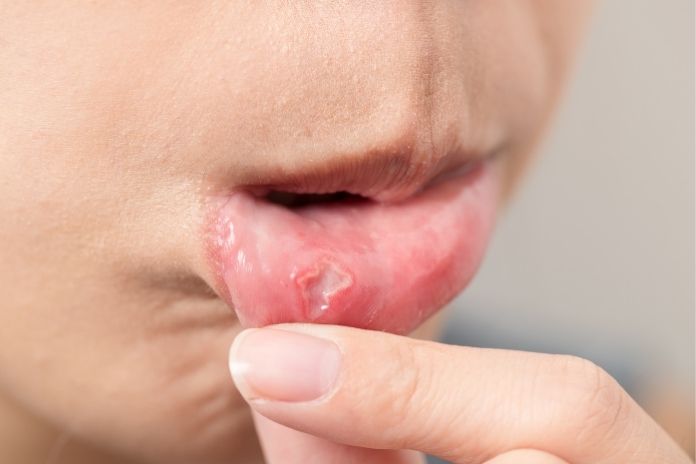
Oral mucositis is a very painful complication of chemotherapy that occurs when cancer-killing medicines eat away the fast-growing cells that line the inside of the mouth. Damaged tissue becomes bright red, swollen, and easily irritated, leading to raw, painful ulcers.
And because of this increased sensitivity, eating can be a significant chore. Many patients are unable to eat due to mouth soreness, body aches, nausea, or changes in taste. Certain foods become intolerable, and others become less appealing.
Avoiding the foods that are more likely to cause food-borne illness at this time is extremely important. With compromised immunity, there is no margin of error when it comes to something as mild as contaminated food; it could lead to serious infections or hospitalization.
Choosing the right foods becomes essential for healing and maintaining strength. Gentle, soothing and nutrient-rich options help reduce pain, support immunity, maintain energy levels, and prevent unwanted weight loss throughout treatment and recovery.
Read More: 7 Comfort Items for Cancer Patients Undergoing Chemotherapy
General Eating Tips When You Have Mouth Sores

Eating might be painful when dealing with mouth sores, but meals can be easier if you follow these tips.
Soft and Non-Acid fruits: Eat fruits that are naturally soft and will not sting or aggravate your burns. Perfect examples of such fruit are bananas. They are smooth, easily dissolved, and rich in vitamins that support the body’s healing.
Watermelons and cantaloupes are terrific soft fruits, which are also hydrating, gentle to open wounds, and sweet, but not “fiery.” Avocados are another good choice. They contain healthy fats, and their creamy, soft texture makes them easy to swallow.
Cooked Vegetables and Soft Options: The crunchy texture of raw vegetables can be problematic, but cooked veggies soften and are ideal to eat when you have mouth sores. Because of their crunchy texture, raw vegetables can be troublesome, but cooked veggies soften and are suitable for mouth sores.
Carrots are considerably easier to eat when boiled or steamed because they become sweet and soft. Whether it’s butternut, zucchini, or yellow squash, cooked they have a delicate texture that’s ideal for delicate palates.
Protein Sources and Dairy Products: Since protein is necessary for tissue healing and repair, it’s critical to identify mild protein sources that won’t exacerbate your mouth ulcers. One of the most excellent dairy products for mouth sores is plain yogurt.
Yogurt’s smooth, creamy texture is calming, and its probiotics may help maintain general dental health. Plain milk, whether dairy or nondairy, offers protein and calcium and can also be reassuring.
Whole Grains and Comfort Foods: When your mouth hurts, it’s nice to nibble on something soothing and energizing. Use soft grains that don’t have any rough, sharp corners. It’s nice to prepare oatmeal with extra liquid that makes it smooth and luscious. Soft rice is also wonderful. White rice cooked until tender is a delightful choice.
Best Foods to Eat With Chemo Mouth Sores
Choose foods that are moderate, gentle, non-acidic, and not overly spicy if you have oral mucositis. It is preferable if they are easier to chew. We suggest the following foods for oral mucositis:
Eggs: One of the most frequent adverse effects of chemotherapy is fatigue. Eggs’ high protein and fat content can help lessen weariness. There are roughly 6 grams of protein and 4 grams of fat in one 44-gram egg. Protein aids the development and maintenance of muscular mass, which is particularly crucial during chemotherapy, while fat provides the body with energy. Eggs’ protein and fat content help restore vital nutrients and relieve weariness.
Broth: During chemotherapy, taste changes are typical, and water may begin to taste different. Broth is a very excellent way to stay hydrated in these circumstances. Cooks simmer vegetables and herbs to create the broth, and they occasionally add meat, poultry, or bones if preferred. During this process, electrolytes such as calcium, sodium, potassium, and chloride that sustain normal bodily functions dissolve into the broth.
Almonds: Each ounce (28 grams) of almonds contains roughly 27% and 32% of the daily value of manganese and copper, respectively. Some of the body’s most potent antioxidants, superoxide dismutases, are formed by these minerals. These aid in the battle against cell-damaging free radicals. However, eating these nuts could be difficult if you have mouth ulcers.
Broccoli and other Cruciferous Vegetables: Vitamin C, which is vital for the immune system, is abundant in cruciferous vegetables, particularly broccoli. Sulforaphane, a plant component found in broccoli, has also been demonstrated to enhance brain function. Sulforaphane improves brain health by lowering inflammation and shielding brain cells from harm.
Fish: Omega-3 fatty acids and protein are provided by a fish diet to patients receiving chemotherapy. You must obtain omega-3 fatty acids through your diet. They promote brain health and have anti-inflammatory qualities. Additionally, you can prevent unhealthy weight loss during therapy by consuming plenty of protein and healthy fats, such as fish.
Read More: Persistent Cough vs. Lung Cancer: When to Worry
Foods to Avoid With Chemo Mouth Sores
Certain foods can exacerbate irritation, increase pain, and delay the healing of chemotherapy-related mouth sores. Avoiding these triggers will make eating more comfortable and protect your delicate oral lining.
Avoid Eating Raw Shellfish or Meat: You run a higher risk of getting either Salmonella, E. coli, and other food-borne infections if you eat raw animal tissue at any time. Because the medications used to treat cancer can depress the immune system, the risk of infection is significantly higher during this time.
Thankfully, heat kills many food-borne viruses that can cause illness. Because of this, it’s advised to avoid eating raw or undercooked food, such as rare steaks, sushi, or oysters, until after your cancer treatment is complete.
Steer clear of Foods that could increase the Negative effects of Cancer Treatment:
Foods that are hard, hot, or acidic might exacerbate mouth sores, which are occasionally a side effect of chemotherapy. Therefore, you should avoid certain foods while undergoing therapy.
““Grapefruit in particular reacts with a lot of different things, including some medications,” as per general oncologist Amy Hassan, M.D. “So, it’s always a good idea to avoid that. But eating an orange or drinking a glass of lemonade is not going to harm you. You just may want to pass on citrus fruits for a while, if your mouth is especially sensitive or sore.”
Avoid Drinking Alcohol and Smoking: One of the easiest things you can do at any time to reduce your chances of getting cancer is to abstain from alcohol. You are better off consuming less of it. It is particularly true while receiving cancer therapy.
“We actively discourage the intake of alcohol during chemo because it is processed by the liver,” says Hassan. “So are many chemo medications. That combination can cause additional strain on the organ, which is something we’d rather avoid. Alcohol also causes dehydration, which can make nausea worse and chemo harder to tolerate.”
Fast food and processed foods: While visiting your favorite restaurant or using the drive-through window might seem like what your taste buds need, highly processed meals can aggravate chemotherapy side effects and cause inflammation.
Unpasteurized cheeses and dairy products: Salmonella, E. coli, Listeria, and other dangerous bacteria can be found in raw milk, leading to food poisoning. Choose pasteurized milk and dairy products instead.
Raw nuts: Harvesting practices that allow raw nuts to fall or be tossed on the ground can put chemotherapy patients at risk for health problems. When you’re in the grocery store, pick roasted nuts.
Unwashed fruits and vegetables: A lot of bacteria can be found in fresh produce, raising your chance of contracting a foodborne illness. Before eating, wash raw fruits and vegetables to help remove bacteria and other contaminants. Soak frozen food in water before consuming it.
Steer clear of produce that is difficult to clean, like strawberries, raspberries, blueberries, and blackberries. Doctors may advise you to avoid raw vegetables altogether, even if cleaned, while undergoing intensive chemotherapy for blood cancers like leukemia or lymphoma.
Frozen foods: Certain chemotherapy medications, such as oxaliplatin, used to treat cancers of the colon, pancreas, stomach, and esophagus, can damage nerves and cause cold sensitivity. Ice cream, smoothies, and other cold meals and beverages can cause discomfort or even suffering for patients who are sensitive to cold.
Read More: Small Cell vs Non-Small Cell Lung Cancer: Key Differences
Sample 1-Day Mouth-Soothing Meal Plan
It is a mild, nutrient-dense meal plan designed especially for those with mouth sores from chemotherapy. To keep you fueled without making you uncomfortable, each meal emphasizes gentle textures, moderate flavors, and calming temperatures.
Breakfast: Start the day with soft, high-protein, and easy-to-chew scrambled eggs. Pair them with a banana smoothie made with plenty of non-citrus ingredients, such as almond milk and yogurt, for creaminess. This blend will be gentle on even the most sensitive tissues while providing the necessary nutrition, energy, and hydration.
Or
Pasta recipes with macaroni and cheese, cream, and tomato cream sauce.
Lunch: Savor a nice serving of creamy, cozy mashed potatoes. To increase your intake of vitamins and minerals without harming your mouth, add a cup of blended vegetable soup made with soft vegetables such as carrots, zucchini, pumpkin, or bottle gourd.
Or
Spread some hummus, guacamole, or cream cheese on a piece of soft, crustless, buttered bread, then add liverwurst, egg salad, or tuna salad.
Snack: Opt for simple, cooling foods that help reduce inflammation, such as smoothies or yogurt. For added hydration and a naturally sweet, non-acidic boost, add a serving of applesauce.
Or
Shepherd’s pie, pot pie, stew, or chunky soup.
Dinner: Have pasta with a moderate cream sauce, which delivers calories and is soft enough to swallow with minimal chewing. Complement it with soft tofu in heated broth to offer moderate protein.
Or
Cream pies or sponge cakes with custard sauce or soft, cooked veggies with cheese or cream sauce.
Before Bed: End your day with warm (not hot) milk or a cup of hydrating herbal tea, such as chamomile, to keep your mouth moist and pleasant overnight.
Read More: Early Signs of Oral Cancer You Shouldn’t Ignore
How to Make Eating Easier During Chemo
It can be difficult to eat during chemotherapy, particularly if every mouthful is uncomfortable due to oral sores, dryness, or other discomfort. Nonetheless, a few simple routines will help you maintain a healthy diet and significantly reduce pain.
- Throughout the day, try to eat six to eight small (fist-sized) meals and snacks. Compared to three substantial meals, this might be simpler to handle.
- Select meals that require little cooking or preparation, or items that are ready to eat (premade).
- Replace water with calorie-dense, protein-rich beverages. Fruit juices can enhance your taste for other foods and are generally easy to consume. You can also try smoothies, shakes, or other liquids containing nutritional supplements.
- Never hesitate to seek assistance. Let your loved ones cook or shop for you. Make sure to let them know if there are any meals you dislike or can’t eat well. Ensure you follow proper food safety procedures during storage, delivery, and preparation.
- Increase mobility as much as your physician permits. Walking, stretching, resistance training, gardening, or just relaxing outside in the sun are all options.
When to See a Doctor

If you have any of the following, be sure to let your doctor or nurse know:
- Increased tongue or mouth redness
- Burning or soreness in your mouth
- Cold sores in your mouth or lips
- Oral blisters, ulcers, or white areas
- Gum bleeding
- Sore throat
- Difficulty swallowing
- Unable to consume food or liquids
Conclusion
Making the already challenging task of enduring chemotherapy even harder? A mouth full of painful sores. Yet if you get it right, eating can be a source of comfort rather than stress. You can coax your body and give your overused tongue a chance to rest with softly soothing, un-acidic foods. While mindful tricks like adding healthy fats will keep your energy up when you’re not really hungry, cooling foods, smoothies, and creamy textures can also work wonders.
It’s also critical to understand that anything too hot, acidic, spicy, or rough might impede your healing process and exacerbate your pain. You can foster a healing environment by paying attention to your body and carefully adjusting your diet.
Read More: Diet and Lifestyle Tips After a Pancreatic Cancer Diagnosis
References
- Breast Cancer.org. (December 14, 2024). Eating when you have a sore mouth or throat
- BC Cancer. (2023, August). Food ideas for a sore mouth
- Cancer Research UK. Your mouth and cancer drugs.
- UPMC Hillman Cancer Center. Sore mouth and throat care during cancer treatment.
- Stanford Health Care. (2013). Nutrition tips for sore mouth and throat during cancer treatment.
- City of Hope. Foods to avoid while undergoing cancer treatment
- American Academy of Oral Medicine. (Updated 22 January 2015). Oral mucositis
- What to Eat When You Have Mouth Ulcers. (2025, October 2). Dental Innovations.
- Suzanne Dixon, MPH, RD. (2025, November 20). What to Eat With Mouth Sores During Cancer Treatment.
- Cynthia DeMarco. (2023, January 4). 10 things to avoid while receiving chemotherapy.
- Memorial Sloan Kettering Cancer Center. (2025, October 17). Eating Well During Your Cancer Treatment.
- INTEGRIS Health. (2024, June 3). Foods to avoid while on chemo.
In this Article