










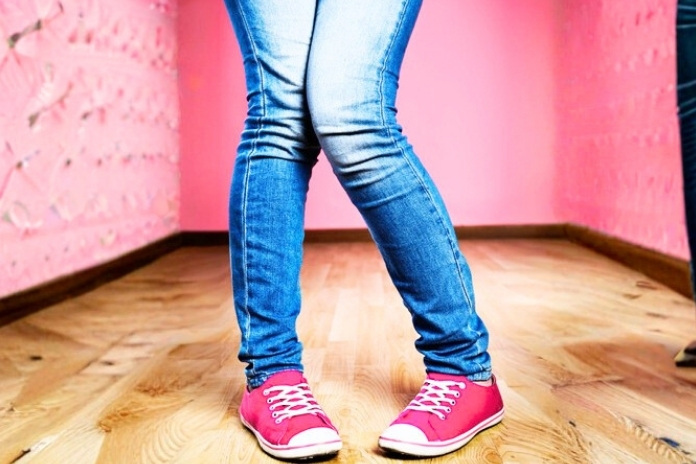
Knock Knees are when a person experiences an inward bend in their knees that causes them to “knock their knees” against one other while standing with their ankles apart. The outside side of the knee is subjected to excessive force in this position, which, over time, may result in pain and damage.
Though it sometimes affects just one knee, the knock knee is typically bilateral, affecting both legs.
Knock knees can have several adverse effects on a person’s health and well-being; thus, treating them is crucial. Severe knock knees condition that goes untreated can cause several issues, such as joint pain, instability, and a higher chance of developing osteoarthritis. It may impact a person’s mobility, resulting in discomfort and restrictions on their level of physical activity.
“Knock knees is one of the most common musculoskeletal conditions we see in young children,” says Amanda Haladik, D.O. a pediatrician at Henry Ford Health. “In fact, most kids have this at some point.”
This article delves into the condition of knock knees, offering a comprehensive overview of its causes, diagnosis, and treatment options. We’ll discuss when medical intervention is required and examine the possible consequences of untreated knock knees.
Read More: Why Your Knees Hurt When Climbing Stairs (Even if You’re Young)
What are Knock Knees?
Knock-knee is a more popular term for Genu Valgum. There is a space of at least 3.1 inches (around 8 centimeters) between the ankles when a person with genu valgum stands with their knees together. The knees will press closer to one another.
The condition most commonly affects children between the ages of three and six, and in most cases, it resolves naturally by around seven years of age. Rarely, genu valgum would last through adolescence. In other situations, it could occur in older adults or youngsters due to an underlying illness.
Understanding the anatomy and biomechanics of knock knees is essential to comprehending the mechanics underlying this ailment. The primary cause of genu valgum is an improper alignment of the tibia (the shin bone) and femur (the thigh bone) at the knee joint.
Understanding biomechanics aids in anticipating forces placed on various knee components during regular activities.
The uneven stress it applies to the knees over time may result in discomfort, deterioration of the joints, and early onset knee arthritis.
It is critical to differentiate “knock knees” from other leg conditions that, despite their similarities, have different causes and symptoms. Here are a few noteworthy variations:
Bowlegs: Bowlegs, another name for “Genu Varum,” is when the knees are bent outward, and the distance between the ankles is reduced; it is known as bowlegs.
Rickets: A deficiency in calcium or vitamin D can lead to rickets, a disorder affecting bone formation. Supplements like calcium and vitamin D are used to treat it.
Knock knees (also known by the medical term, genu valgum) is not typically present at birth. “It tends to develop in children between 2 and 5 years old, and is usually most noticeable around age 4,” says Dr. Haladik.
Causes of Knock Knees

According to Penn Medicine, the folded posture of the infants in the mother’s womb is that they are born with bow legs. When a child walks (about 12 to 18 months), their legs start to straighten. The child becomes clumsy by the time they are three. The child’s knees meet, but their ankles are spread apart as they stand.
Additionally, diseases or medical conditions like the following might be the causes of knock knees:
- Damage to the shinbone results in one leg being knocked kneed
- Inflammation of the bones, osteomyelitis
- Being overweight or obese
- Rickets, a condition brought on by insufficient vitamin D
Recognizing Symptoms of Knock Knees
Separating an individual’s ankles while their knees are positioned together is the most noticeable sign of a knock knee. People with knock knees frequently have additional symptoms of knock knees, such as soreness, due to their stride or walking style. Among these symptoms could be:
- Hip or knee pain
- Ankle or foot pain
- Knees together and feet apart while standing
- Trouble running or walking
- A limp when strolling
- Individuals with advanced knee arthritis
- Hip range of motion is lessened
The altered alignment of the knees affects the entire lower body, resulting in an imbalance in weight distribution. Knock knees can have a significant impact on an individual’s mobility problems and postural issues. Those who have knock knees may find it difficult to perform physical activities. Studies indicate that excessive force can cause pain, additional bone deformity, knee instability, and progressive degeneration of the knee joint.
It’s critical to diagnose knock knees early. An orthopedic expert examines the patient’s present health and any pre-existing illnesses and family medical history. Physical examination of the legs and gait is also performed. EOS pictures or standing-alignment X-rays aid in diagnostic confirmation. These radiographic pictures of the leg, taken from the hip to the ankle, assist the physician in determining the precise location and mechanical axis of the deformity.
Read More: How to Protect Your Knees During Workouts: Tips Every Active Person Should Know
Health Implications and Complications
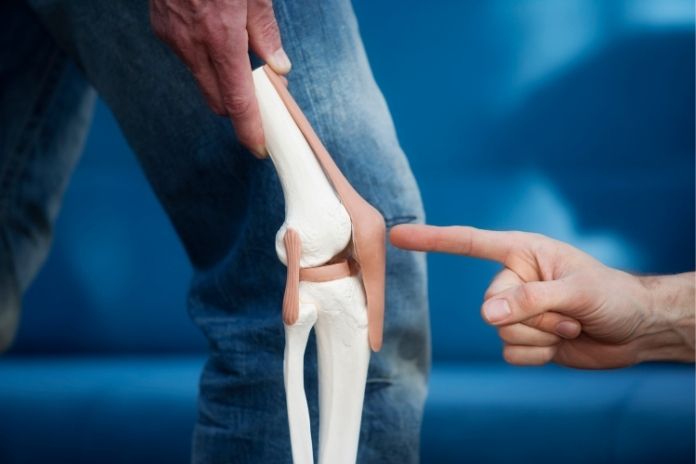
Genu valgum, often known as knock knees, is a benign ailment, but if left untreated, it can have severe consequences for one’s health.
Among the potential complications of genu valgum are walking difficulties and changes in self-esteem due to the cosmetic look of knock knees. Knock knees can cause early-onset arthritis in the knee if they are not treated.
According to Boston Children’s Hospital, when children with severe knock knees that do not improve on their own—or when the condition is caused by an underlying disorder (pathologic valgus)—go untreated, they may eventually develop complications such as meniscal tears, patellar (kneecap) dislocation, knee pain, or cartilage damage leading to arthritis..
According to research, knock knees can result in the kneecaps being misaligned, which puts more strain and discomfort on the front of the knee. High strains are applied to the lateral side of the knee when knock knee alignment occurs, exacerbating knee pain.
These strains frequently cause knee arthritis. Atypical hip rotation can result in hip pain and is commonly linked to knock knees. It must be acknowledged and considered for any knock knee correction operation. It could be difficult for the ankles to keep the foot level on the ground. Ankle pain is frequently the result of the ankle and foot compensating for the knee’s misalignment.
Treatment Options

The reason and intensity of your genu valgum symptoms will determine how you are treated.
For example, your doctor may recommend calcium and vitamin D tablets to restore your levels if rickets cause knock-knees.
If over-the-counter medications like naproxen (Aleve, Naprosyn) aren’t working for you, your doctor may also recommend prescription-strength nonsteroidal anti-inflammatory drugs.
One or more of the following will usually be included in treatment options for knock knees:
Weight loss: Obesity can aggravate genu valgum by adding unnecessary strain on your knees. Your doctor will collaborate to create a healthy weight loss strategy if you are overweight.
Work out: Exercise can help straighten and stabilize knees in most genu valgum patients. A physical therapist or doctor can assess your gait and provide workouts that target the weak points in your leg, hip, and thigh muscles. There may be additional benefits to specific stretches for symptom relief. Simple strengthening activities like leg lifts while seated or lying down can be performed.
Orthotics: If genu valgum has resulted in a leg length discrepancy, placing a heel insert in the shoe on the shorter side can help equalize leg length and improve alignment. It will also help to normalize your stride and might lead to relief in leg discomfort. If genu valgum does not go away by the time a child is eight years old, braces or splints can assist in directing the formation of new bone.
When a child’s growth is complete, surgical interventions such as osteotomy surgery can be used to repair more severe abnormalities or knock knees that do not heal naturally. By altering the bone’s angle, this surgery interventions aims to straighten the legs. The bone above or below the knee is sliced and realigned by a surgeon.
Since the cause and severity of knock knees can differ significantly across individuals, customized treatment regimens are essential. Determining the best course of treatment depends on several factors, including activity level, age, general health, and the underlying cause of the problem.
A medical professional, usually an orthopedic expert, will evaluate the patient’s condition, consider their medical background, and do a comprehensive examination. They will collaborate closely with the patient to create customized treatment plans based on this assessment, considering their particular requirements and objectives.
Prevention and Management
A significant bone problem that may worsen in the future is knock knees. Numerous research findings suggest that physical activity enhances leg muscle strength, balance, and posture in knock-knee patients. Research suggests managing genu valgum through physical activity also applies to young adults who have knock-knee. Exercise is the best strategy for the prevention of knock knees.
1. Stretches using a Single Leg Band
This workout helps develop the hip flexor muscles by using a resistance exercise band.
- Step 1: Stand parallel to the resistance band while it is securely fastened to a sturdy item at ankle height.
- Step 2: Encircle the ankle farther away from the anchoring object with the band.
- Step 3: Swing your leg to the side to stretch the resistance band. After extending your leg as far as it will go, hold the pose for two seconds before slowly releasing it to return to a neutral position.
With each leg, repeat this ten to fifteen times.
2. Stretches for Leaning Ankle Bands
This exercise strengthens the ankles and stretches the hip flexor muscles.
- Step 1: Stand at the end of the resistance band, perpendicular to the anchor, and secure it to something solid at roughly thigh level.
- Step 2: Move your other foot out of the way so that your feet are wider than hip-width apart after putting the band around the closest ankle.
- Step 3: Bend the knee not attached to the resistance band as you lean away from it. Continue to plant both feet firmly. The band should be tugging on the inside of your ankle.
- Step 4: Lean as much as you can, hold the pose for two seconds, and then stand back up.
With each leg, repeat this ten to fifteen times.
3. Do Band Squat Exercises
Squats work your hamstrings and quadriceps, and using an exercise band activates your hip flexors.
- Step 1: Place a circular workout band around the thighs and stand with your feet hip-width apart. Although the band should be tight, it shouldn’t be difficult for you to stand with your feet apart.
- Step 2: Squat gently, keeping your thighs apart and bending your knees. Your thighs and hips should start to burn. Maintain a straight back.
- Step 3: Maintain the squat for a few seconds before standing back up.
It can be done fifteen times in a set. Try to finish three sets every day.
Read More: 10 Lying Leg Curl Alternatives: Make Your Knees Stronger
Conclusion
We have dug into knock knees in this extensive post, looking at its causes, symptoms, potential health risks, and available treatments. The first step towards living a pain-free and better life is treating knock knees.
If this illness is not treated, it may cause physical discomfort, joint issues, muscle imbalances, psychological distress, and other problems that could seriously affect your general health. You can take charge of your health and enhance your quality of life by comprehending the causes, identifying the symptoms, and obtaining the proper remedy.
Early diagnosis and treatment are essential. Keep in mind that knock knees can be successfully treated with a variety of approaches, depending on your unique situation.
References
- https://www.henryford.com/blog/2025/07/knock-knees-in-kids
- https://www.rachelfrankmd.com/knee-angular-deformities-orthopaedic-surgeon-sports-medicine-specialist-denver-co.html
- https://www.henryford.com/physician-directory/h/haladik-amanda
- https://kidshealth.org/en/parents/knock-knees.html
- https://healthcare.utah.edu/orthopaedics/specialties/pediatric/knock-knees
In this Article