














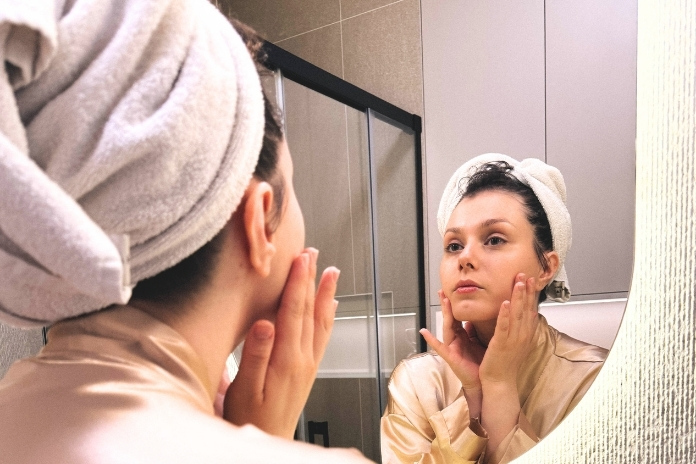
Waking up with a swollen, puffy face is something many of us have experienced, and while it can be frustrating, doctors reassure us that in most cases it’s temporary and easy to resolve. To reduce facial bloating quickly, it’s useful to understand that puffiness typically results from fluid retention, which tends to appear around the cheeks, eyes, and jawline.
Common triggers include eating too much salt or processed food, lack of sleep, alcohol intake, allergies, or hormonal changes. The good news is that there are simple steps you can follow to effectively depuff your face.
Staying hydrated, cutting back on salty snacks, elevating your head while sleeping, applying a cold compress, or doing a gentle facial massage are all doctor-approved remedies that can make a big difference.
Exercise and a balanced diet also help prevent fluid buildup. Limiting alcohol and dairy may reduce puffiness for some people. Although facial bloating is usually harmless, persistent or painful swelling should be checked by a doctor, as it may lead to an underlying condition. With the right habits, you can quickly reduce facial bloating and enjoy a fresh, healthy look.
Read More: Detoxifying Face Masks for Clearer, Healthier Skin
What Causes Facial Bloating?
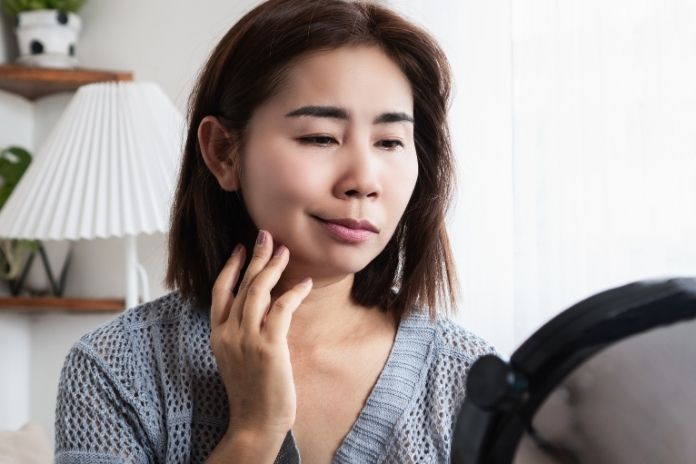
Facial bloating, or waking up with a puffy face in the morning, is usually a sign that your body is holding onto fluid. Many things can trigger this. Here are the common causes behind morning facial bloating:
Water Retention from Excess Salt or Sugar
Eating a lot of salty or sugary foods (especially in the evening) can cause your body to retain water. That extra fluid often shows up in your face, making it look swollen when you wake up.
Lack of Sleep and Stress
Not getting enough rest, irregular sleep patterns, or high stress levels disrupt your body’s natural fluid balance. Over time, this may lead to facial swelling.
Allergies, Sinus Congestion, or Inflammation
Allergies or issues in your sinuses, like nasal congestion or infections, can cause inflammation and swelling in your face. When the sinuses are blocked, fluid can’t drain well, and puffiness sets in.
Hormonal Fluctuations
Hormones shift throughout your cycle, during pregnancy or menopause, or due to other internal changes. These fluctuations make your body retain more fluid, causing puffiness in your cheeks, under your eyes, or jawline.
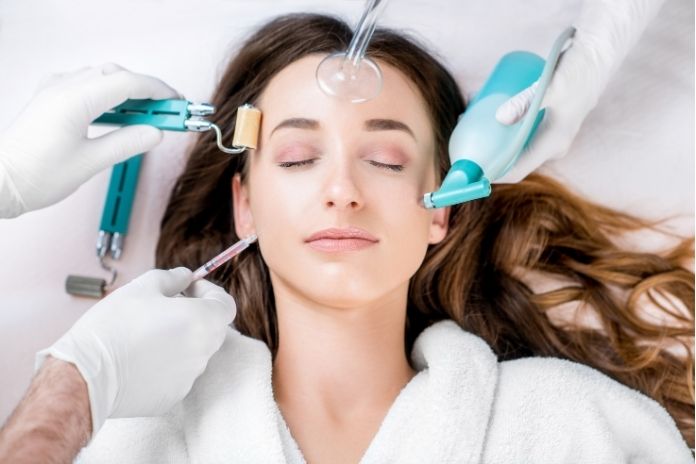
Cosmetic Procedures (Temporary Swelling)
If you recently had facial treatments, fillers, injections, microneedling, or surgery, temporary swelling is expected. The body reacts to the intervention with slight inflammation initially, which subsides as the area settles.
Other Medical Causes
Less common, but important, causes include poor circulation, underlying vein issues, thyroid problems, medication side effects (like steroids or blood-pressure drugs), or systemic conditions. In rare cases, these make facial edema more persistent and require professional evaluation.
Read More: Tips to Fix an Asymmetrical Face that Actually Help
Quick Fixes: Doctor-Approved Remedies
If your face looks swollen or puffy, there are several simple, doctor-approved ways to reduce swelling and feel refreshed quickly.
A. Cold Therapy
- Ice packs, chilled spoons, or cooling face masks are effective tools.
- Applying cold constricts blood vessels, which reduces redness, puffiness, and fluid buildup.
- Even a short 2–5 minute cold treatment can make a noticeable difference.
- This is one of the fastest ways to reduce a swollen face in the morning or after irritation.
B. Hydration Reset
- Drinking water helps flush out excess sodium, which is a common cause of puffiness.
- Herbal teas like ginger or green tea offer anti-inflammatory benefits that calm swelling and soothe skin.
- Staying hydrated signals your body that it doesn’t need to hold onto extra fluid, reducing puffiness naturally.
- Incorporating water-rich foods like cucumber or watermelon can also boost hydration from within.
C. Lymphatic Drainage Massage
- Use gentle upward strokes with your fingers or a jade roller on the cheeks, under-eyes, and jawline.
- This technique encourages lymphatic drainage, helping excess fluid move away from the face.
- Regular massage improves circulation, leaves skin looking firmer, and enhances your natural glow.
- Even a few minutes a day of lymphatic drainage massage on the face can make a significant difference in reducing puffiness.
Extra Tips
- Elevate your head while sleeping to prevent fluid from pooling in the face.
- Limit alcohol and high-sodium foods the night before to reduce morning puffiness.
- Combine these remedies for faster and more effective results.
By integrating cold therapy, hydration, and gentle massage into your routine, you can quickly depuff your face and maintain a fresh, healthy appearance without complicated treatments. These methods are safe, simple, and backed by medical guidance.
Read More: 5 Must-Have Glycolic Acid Exfoliators to Smooth and Renew Skin
Lifestyle Tweaks for Long-Term Results
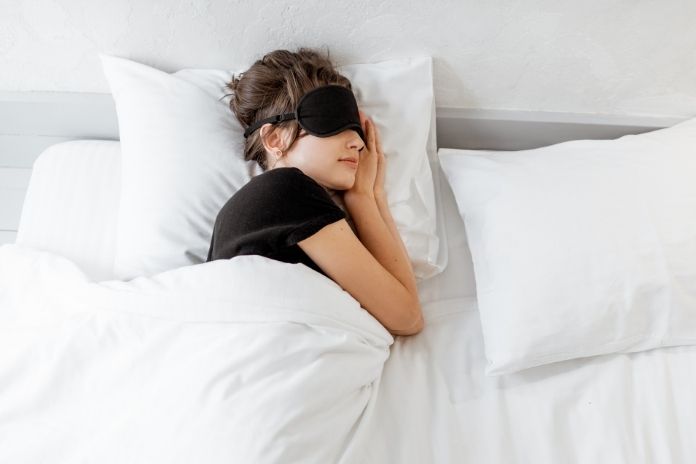
If you’re tired of battling morning puffiness, making a few consistent lifestyle changes can turn “facial bloating remedies” into lasting results.
Lower Sodium Intake
Too much salt makes your body hold onto water, and that extra fluid often shows in your face. By cutting back on processed foods, snack chips, and added table salt, you help your body release retained water rather than store it in tissues.
Avoid Alcohol Before Bed
Drinking alcohol late in the day dehydrates you, which paradoxically signals your body to conserve water. That retained fluid can pool in your face overnight. Skipping alcohol in the evening gives your system a better chance to stay balanced.
Prioritize 7–8 Hours of Sleep
Good sleep is essential. When you don’t sleep enough or your sleep is poor, your fluid regulation and inflammation control go off balance. Aim for a steady 7 to 8 hours of quality rest each night to minimize swelling episodes.
Manage Stress (Breathing, Yoga, Meditation)
Chronic stress raises cortisol, which influences how your body holds water. Techniques like mindful breathing, yoga, or meditation help calm cortisol levels and may reduce fluid retention that causes puffiness.
Regular Exercise Improves Circulation
Movement helps your lymphatic and circulatory systems flush out excess fluid. When blood and lymph flow better, the chances of trapped fluid in the face drop. Even mild daily workouts help maintain this balance.
Over time, combining these habits gives your body the support it needs to reduce puffiness more reliably. From choosing foods low in sodium and skipping late drinks, to getting deep sleep and calming your mind, these steps are really solid facial bloating remedies. You’re not just chasing a quick fix; you’re creating healthier routines your body can sustain.
Read More: The LED Face Mask Trend that Works for Your Skin
Foods That Help vs. Foods That Hurt

When your face looks puffy, often what you eat can make a big difference. Here’s a guide on foods that cause face bloating and ones that help you depuff faster.
Foods to Reduce or Avoid
These are common culprits that tend to make facial bloating worse:
- Processed foods and packaged snacks – They often contain lots of hidden salt, refined carbs, and additives that make your body hold water.
- Alcohol, especially at night – It is dehydrating and promotes fluid retention, so your face may swell by morning.
- High-sodium meals and condiments – Soy sauce, processed meats, canned goods, chips, and sauces are packed with sodium, which causes water retention.
- Sugar, refined carbs, and excess dairy – These can trigger inflammation or digestive stress that show up as puffiness.
Foods to Add for Depuffing
These foods are your allies when fighting facial bloating:
- Potassium-rich foods (bananas, avocados, leafy greens) – Potassium helps balance sodium in your body and reduce fluid retention.
- Hydrating fruits and veggies (cucumber, watermelon, melon, celery) – They’re high in water and help flush out excess salt.
- Anti-inflammatory foods (turmeric, ginger, leafy greens, fatty fish with omega-3s) – These fight swelling and help calm your tissues.
- Whole grains instead of refined carbs – Switching white bread, pasta, and rice with whole-grain versions supports better digestion and less inflammation.
By avoiding foods that promote water retention, inflammation, or digestive stress, and by eating more of the nutrient-rich, hydrating foods above, you give your body a better shot at reducing that puffiness. These dietary steps are effective facial bloating remedies for both short-term relief and long-term balance.
Read More: 11 Benefits of Vitamin C Serum for Face You Should Know About
Snippet-Ready Box: Quick Depuffing Routine

5-Minute Morning Depuffing Routine:
- Drink a glass of water.
Start your morning by rehydrating your body. Overnight, you naturally lose fluids, which can make your body cling to water and leave your face looking swollen. A full glass of water signals your system to flush out excess fluid and kickstart digestion for the day. Herbal teas or warm lemon water also work well.
- Apply a cold compress for 2 minutes.
Cold therapy is one of the fastest ways to calm puffiness. You can use a chilled spoon, ice cubes wrapped in a cloth, or even cold cucumber slices on your eyes and cheeks. The cool temperature constricts blood vessels, reduces swelling, and instantly refreshes your skin, making it look tighter and more awake.
- Do a quick facial massage with upward strokes.
Spend a minute massaging your face using your fingers, jade roller, or gua sha tool. Begin at the center of your face and move outward and upward toward your temples and neck. This encourages lymphatic drainage, improves circulation, and helps your skin look firmer. It also relieves morning tension in the jaw or forehead.
- Limit salt-heavy breakfast (skip processed foods).
What you eat first thing in the morning can affect how puffy you look. Processed foods like packaged sausages, breads, and salty spreads are loaded with sodium, which traps water in your tissues. Instead, choose whole, unprocessed options—like fresh fruit, oats, or eggs—to avoid triggering facial bloating right after waking up.
- Stretch or walk to boost circulation.
A few minutes of light movement, like stretching, yoga poses, or even a brisk walk, gets your blood pumping and reduces fluid buildup. Physical activity stimulates your lymphatic system, which works like the body’s natural drainage network to carry away excess water and toxins.
This short yet powerful routine is easy to follow and can fit into any busy morning. Together, these steps offer quick, doctor-approved facial bloating remedies that refresh your skin, reduce puffiness, and leave you looking more energized in just five minutes.
Read More: Warts on Face – Causes and Home Remedies
Facial bloating is a common concern that can make your face look swollen and tired. While often temporary, it raises many questions about causes, duration, and remedies. Here are some simple answers to frequently asked questions.
Conclusion

The majority of facial bloating is temporary and can be quickly resolved through simple daily routines. Excess salt, lack of sleep, stress, or dehydration are common causes of your face appearing puffy, but don’t worry – small, persistent steps can lead to a big impact.
Drinking sufficient water, sleeping 7–8 hours of quality sleep, avoiding processed or salty foods, and adding anti-inflammatory or hydrating foods to your diet may all help alleviate puffiness and prevent recurrence.
Soft massages to the face, ice packs, and mild exercise can also help stimulate fluid movement and circulation, and make your face appear less bloated and swollen. Although these changes in lifestyle typically relieve bloating shortly, it is necessary to take note of persistent or abnormal swelling.
If your facial puffiness does not respond to these measures, or if you have pain, redness, or other symptoms, see a doctor to exclude underlying medical conditions. With regular care and attention to hydration, diet, and rest, you can maintain a healthy, rested, and naturally de-puffed face every day.
References
- https://www.apollo247.com/health-topics/acne-pimples-treatment/how-to-reduce-face-bloating
- https://www.health.com/beauty/how-to-debloat-your-face
- https://www.webmd.com/a-to-z-guides/ss/slideshow-puffy-face-home-remedies
- https://www.veintreatmentclinic.com/how-to-get-rid-of-puffy-face
- https://www.medicalnewstoday.com/articles/puffy-face-in-the-morning#treatments
- https://www.masterclass.com/articles/how-to-depuff-face
- https://www.healthians.com/blog/the-foods-to-eat-not-to-eat-to-de-bloat-a-puffy-face/
- https://www.palomahealth.com/learn/8-reasons-why-your-face-looks-puffy#
- https://www.medicalnewstoday.com/articles/323342
- https://www.hollandandbarrett.com/the-health-hub/natural-beauty/how-to-reduce-puffiness-on-your-face/
- https://www.tuasaude.com/en/facial-swelling/
- https://www.medicinenet.com/11_foods_to_avoid_for_reducing_facial_bloating/article.htm
- https://www.webmd.com/a-to-z-guides/ss/slideshow-puffy-face-home-remedies
- https://www.apollo247.com/health-topics/acne-pimples-treatment/how-to-reduce-face-bloating
- https://www.maybelline.co.in/makeup-tips/eye-makeup/puffy-eye-makeup-guide
- https://www.anveya.com/blogs/top-tips/easy-ways-to-de-puff-your-face
- https://www.masterclass.com/articles/how-to-depuff-face
- https://www.exceleye.com/2024/05/29/getting-rid-of-puffy-eyes-from-crying/
- https://my.clevelandclinic.org/health/symptoms/facial-swelling
- https://www.medicalnewstoday.com/articles/how-to-reduce-swelling-in-face
In this Article