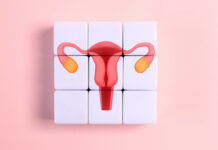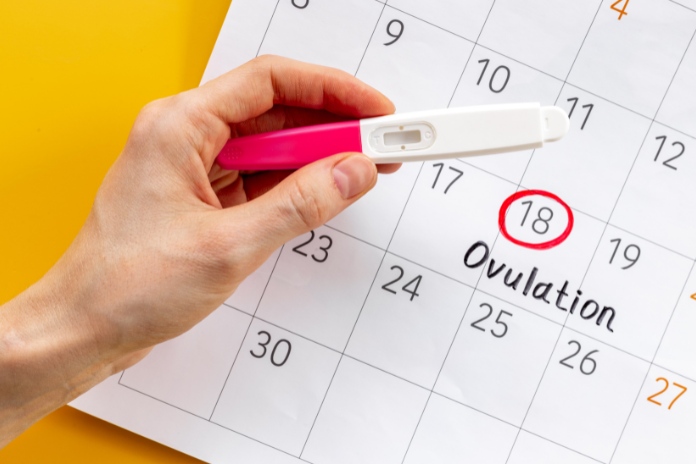
Most of us are taught that ovulation and periods go hand-in-hand: you ovulate around mid-cycle, and if you don’t get pregnant, your period arrives about two weeks later. It seems straightforward, but the reality is often more complex. What happens when your period doesn’t show up? Can ovulation still occur even when bleeding doesn’t?
This question is surprisingly common, especially for people navigating irregular cycles, postpartum changes, breastfeeding, or conditions like PCOS. The answer isn’t always simple. In some cases, ovulation can happen “silently” without triggering a period, while in others, missed periods signal that ovulation isn’t occurring at all. Factors like hormonal imbalances, stress, weight changes, or medical conditions can all interfere with the usual rhythm.
Understanding the relationship between ovulation and menstruation is key. In this guide, we’ll explore how ovulation and menstruation normally work, why you might ovulate without bleeding, and the situations where a missing period could be a warning sign. By the end, you’ll have a clear picture of what’s happening in your body and when it’s time to seek guidance from a clinician.
Understanding Ovulation vs. Menstruation
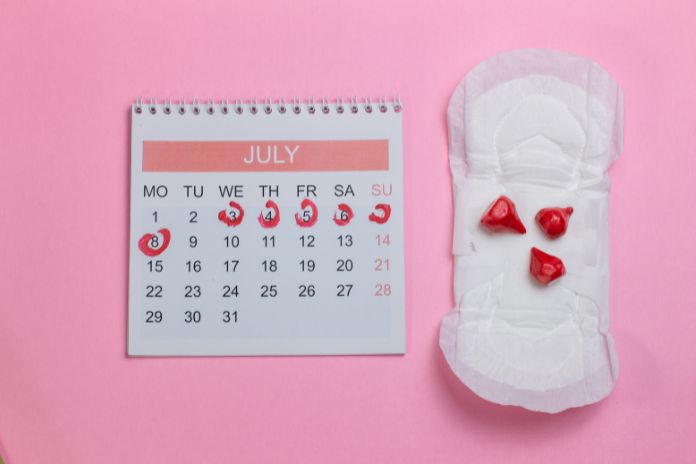
To understand whether ovulation can occur without menstruation, it helps to separate the two processes and see how they interact.
Ovulation is the release of a mature egg from the ovary. It typically occurs once per cycle, often around day 14 in a textbook 28-day cycle, but in reality, timing can vary widely from person to person. Once the egg is released, it travels down the fallopian tube, and if sperm are present, fertilization can occur. Ovulation is driven primarily by a surge in luteinizing hormone (LH) and is the key event that determines fertility each month.
Menstruation, on the other hand, is the shedding of the uterine lining when pregnancy does not occur. It usually happens about two weeks after ovulation and is triggered by falling levels of estrogen and progesterone. Menstruation signals that the body is resetting the cycle, preparing the uterus for the next opportunity to support a pregnancy.
In a textbook cycle, ovulation triggers a rise in progesterone, which stabilizes and thickens the uterine lining. If the egg isn’t fertilized, progesterone and estrogen levels drop, prompting the uterus to shed its lining, resulting in menstrual bleeding. This is why ovulation and periods are closely linked, but they are not perfectly inseparable.
Key distinction: Ovulation is about releasing the egg, while menstruation is about bleeding. Usually, ovulation precedes a period, but there are situations, like hormonal imbalances, PCOS, or stress, where one can happen without the other. Understanding this distinction is crucial for anyone tracking fertility or trying to understand irregular cycles.
Can You Ovulate Without Having Periods?
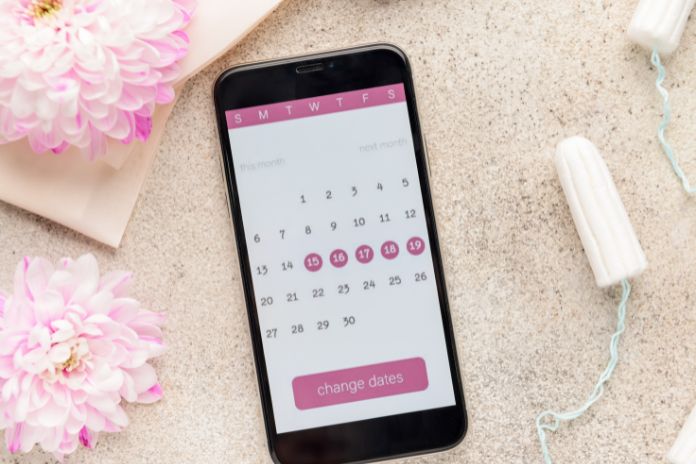
The short answer is: sometimes, yes. While periods and ovulation are closely linked, bleeding isn’t the only sign that ovulation is occurring. In some situations, ovulation can happen without a visible period.
For example, ovulation may occur before the first postpartum period returns, or after stopping hormonal contraception, when cycles are still readjusting. Some people experience occasional ovulation without noticeable bleeding during perimenopause or in cases of very irregular cycles. Even when bleeding is absent, the ovaries may still release eggs sporadically.
However, you cannot ovulate if your cycle is completely anovulatory, meaning no egg release occurs. This happens in conditions like chronic amenorrhea, certain hormonal disorders, or severe energy deficits that shut down the hypothalamic-pituitary-ovarian axis.
It’s also important to distinguish between spotting, withdrawal bleeding, or very light irregular bleeding versus a true menstrual period. Many women assume they aren’t ovulating simply because bleeding is minimal, but even light or irregular cycles can be ovulatory. Tracking ovulation through methods like basal body temperature, cervical mucus changes, or ovulation predictor kits can provide clarity when bleeding patterns are unreliable.
Situations Where Ovulation May Happen Without Periods
While periods are often the most obvious sign of ovulation, there are several situations where eggs can still be released even when bleeding is absent or irregular. Understanding these scenarios is important for anyone tracking fertility, managing postpartum changes, or navigating irregular cycles. Even without a period, ovulation can occur, meaning pregnancy is still possible in certain circumstances.
Postpartum and Breastfeeding
After childbirth, ovulation can return before your first postpartum period. Breastfeeding often delays periods, but it doesn’t always suppress ovulation entirely. This means women can become pregnant even before menstruation resumes. Exclusive breastfeeding provides a more reliable delay in fertility, but the effect is temporary, so contraception may still be necessary for those not planning another pregnancy immediately.
Coming Off Birth Control
When stopping hormonal contraception, such as the pill, hormonal IUD, or implant, your natural cycle begins to reestablish itself. Ovulation can resume before you experience your first “real” period, which is why fertility can return immediately after discontinuing birth control. Clinicians often remind patients that the absence of a period doesn’t guarantee that pregnancy is impossible during this transition.
Perimenopause
As the body approaches menopause, ovarian function becomes less predictable. Some cycles involve ovulation without noticeable bleeding, while others include bleeding without egg release. Although fertility declines with age, ovulation can still occur sporadically, making conception possible even when periods are irregular or skipped.
Medical Conditions
Certain health conditions may suppress bleeding while still allowing occasional ovulation:
- Thyroid disorders: Both hypothyroidism and hyperthyroidism can disrupt menstrual cycles without fully stopping ovulation.
- Polycystic Ovary Syndrome (PCOS): Some women with PCOS ovulate sporadically, even if their periods are absent or highly irregular.
- Significant weight changes: Rapid weight gain or loss can alter bleeding patterns, though ovulation may still occur inconsistently.
In all these cases, the absence of a period doesn’t necessarily mean you aren’t ovulating. Awareness of these situations helps with family planning, fertility tracking, and identifying when medical evaluation is needed.
“If you have an unpredictable cycle due to a condition like PCOS, you may still be able to get pregnant if you sometimes ovulate,” adds Dr. Renita White, Obstetrician-Gynecologist. The challenge is figuring out when it happens. “The calendar method (calculating your fertile window based on cycle length) isn’t reliable if your cycle isn’t predictable,” she says. But tracking ovulation with irregular periods is possible,
Situations Where No Period Likely Means No Ovulation
Not all cases of “no period” allow for ovulation. Some truly represent anovulation, where the ovary isn’t releasing eggs.
- Primary amenorrhea: No periods by age 15 or 16, usually due to underlying hormonal or anatomical conditions.
- Secondary amenorrhea: Stopping of periods for three or more months in someone who previously had them. Common causes include PCOS with persistent anovulation, hypothalamic dysfunction (stress, underweight, over-exercise), or premature ovarian insufficiency.
- Medical treatments: Chemotherapy, radiation, and certain hormonal therapies can halt both menstruation and ovulation.
In these cases, the absence of periods is usually matched by absent ovulation, meaning fertility is affected.
How to Tell If You’re Ovulating Without a Period
Even if your cycles are irregular or absent, there are ways to track whether ovulation is occurring. Paying attention to physiological signs and using simple tools can provide a clearer picture of your fertility and cycle health.
- Cervical mucus changes: Around ovulation, your cervical mucus becomes clear, slippery, and stretchy, often compared to raw egg whites. This type of mucus helps sperm travel to the egg and is a reliable natural sign that ovulation is happening, even if no period follows.
- Basal body temperature (BBT): Tracking your temperature first thing in the morning can reveal ovulation patterns. After ovulation, progesterone causes a slight but sustained rise in BBT, typically 0.5–1°F. Charting your temperatures over several cycles can help you identify whether ovulation is occurring regularly.
- Ovulation predictor kits (OPKs): These tests detect the surge of luteinizing hormone (LH) that occurs just before ovulation. OPKs can be especially useful for those with irregular or absent bleeding, offering a non-invasive way to pinpoint fertile days.
- Medical tests: For more precise confirmation, clinicians can order blood tests to measure progesterone levels or perform ultrasound monitoring to visualize follicle development and egg release. These methods are particularly helpful for those trying to conceive or for evaluating underlying cycle disorders.
By combining these approaches, observational tracking, at-home testing, and clinical evaluation, you can gain a clear understanding of your ovulation patterns, even without regular periods. This knowledge empowers you to make informed decisions about fertility, health, and timing.
Read More: How to Track Ovulation Accurately (Even With Irregular Cycles)
Does Ovulating Without a Period Affect Fertility?
Here’s the critical point: if you ovulate, pregnancy is possible, even without a period.
- Women can conceive during their first postpartum ovulation, before any bleeding occurs.
- Those coming off birth control may ovulate before their first “real” period.
- In PCOS, sporadic ovulation can still result in pregnancy, even if periods are rare.
The challenge is predictability. Without regular periods, it’s harder to identify your fertile window. That makes both conception and contraception trickier. Some women may mistakenly believe they can’t get pregnant without periods, but ovulation can surprise them.
When to See a Doctor
See your healthcare provider if:
- You haven’t had a period for three months or longer (and you’re not pregnant or postpartum).
- Your cycles are irregular or unpredictable for more than six months.
- You’re experiencing symptoms of thyroid disease, PCOS, or premature menopause.
- You’re trying to conceive, but your cycles are absent or unclear.
Your doctor may order blood tests (FSH, LH, thyroid hormones, prolactin, progesterone), check for PCOS or thyroid issues, or recommend imaging. The American College of Obstetricians and Gynecologists (ACOG) advises evaluation for any prolonged amenorrhea or irregular cycles.
Lifestyle and Medical Strategies to Restore Cycles

Even when periods are irregular or absent, there are practical steps that can help restore ovulation and support overall hormonal health. Lifestyle adjustments often make a big difference, sometimes even more than medications alone.
1. Nutrition and Energy Balance
Low energy intake or strict dieting can suppress ovulation. To support healthy cycles, ensure you’re consuming enough calories to meet your body’s needs. Focus on nutrient-dense foods, balanced meals with protein, healthy fats, and complex carbohydrates, and avoid skipping meals for long periods. For those recovering from undernutrition or extreme exercise, gradual refeeding and consistent energy intake are essential to signal the body to resume normal hormonal function.
2. Exercise Adjustments
While regular exercise is beneficial, overtraining or very high-intensity workouts can disrupt ovulation. Consider reducing exercise volume, incorporating rest days, and cross-training to relieve stress on the body. Monitoring energy availability, the balance between calories consumed and calories burned, can help prevent hypothalamic suppression and support cycle recovery.
3. Stress Management
Chronic stress affects the hypothalamic-pituitary-ovarian axis and can delay or suppress ovulation. Incorporate stress-reduction techniques such as mindful breathing, yoga, journaling, or even short daily walks. Cognitive-behavioral therapy (CBT) or guided apps can also help manage stress more systematically, which may normalize cycles over time.
4. Medical Support
If underlying conditions like PCOS, thyroid disorders, or elevated prolactin are contributing, addressing these with your healthcare provider is essential. Treatments may include medications to regulate hormones, insulin-sensitizing agents, or targeted therapies for prolactin management. Early intervention can restore predictable cycles and improve fertility outcomes.
5. Contraception Considerations
Hormonal contraception or IUDs can influence bleeding patterns. If you recently stopped birth control, be aware that cycles may take a few months to stabilize. If pregnancy is not desired, continue using protection during this adjustment period, as ovulation can return before the first post-contraception period.
6. Chronic Condition Management
Chronic illnesses, like celiac disease or diabetes, can affect cycles through nutrient absorption or systemic inflammation. Proper management, such as a strict gluten-free diet for celiac or blood sugar control in diabetes, can support more regular cycles and reduce irregular bleeding.
“Treatment options for irregular menstrual cycles may include simple lifestyle changes, adequate nutrition, exercise, good sleep habits, and reversing the cause of the stress … Often, hormone replacement therapy and contraceptives are prescribed to help re-establish a proper hormone level for optimal body function.” – Dr. Randa J. Jalloul, MD, Associate Professor in the Department of Obstetrics, Gynecology and Reproductive Sciences at McGovern Medical School, UTHealth Houston.
By combining lifestyle changes with medical support when necessary, many people regain regular ovulation and menstruation, improving both fertility and overall hormonal health.
Read More: Effective Ovulation Tracking: Top Tools and Methods for Conception
FAQ Answers
- Could I be ovulating even if I haven’t had a period?
Yes, ovulation can occur without visible bleeding. This is common postpartum, after stopping hormonal birth control, or during perimenopause. Signs like clear, stretchy cervical mucus, subtle changes in basal body temperature, or positive ovulation tests can indicate ovulation even when bleeding is absent. However, the absence of a period doesn’t guarantee ovulation; medical evaluation may be needed if cycles remain irregular.
- How can I track ovulation without regular periods?
Tracking ovulation without periods requires observing bodily signals and using targeted tools. Cervical mucus changes, basal body temperature charting, and ovulation predictor kits (OPKs) are practical at-home options. For more accuracy, clinicians can order blood tests for progesterone or perform ultrasounds to confirm egg release. Combining methods improves reliability and helps you understand fertility even with irregular cycles.
- How long does it take for cycles to normalize after stopping birth control?
The return of regular cycles varies from person to person. Some women may ovulate within a few weeks, while others may take a few months to reestablish predictable periods. Fertility can return before the first post-contraception period, so using protection is important if pregnancy is not desired. Tracking ovulation signs can provide guidance during this adjustment phase.
- Can stress really stop ovulation?
Yes, chronic stress can affect the hypothalamic-pituitary-ovarian axis, suppressing ovulation and altering cycles. Both psychological and physical stressors, like work pressure, sleep disruption, or intense exercise, can play a role. Reducing stress through techniques like mindfulness, journaling, or therapy can help cycles normalize over time. Recognizing the impact of stress is key to restoring hormonal balance.
- When should I see a doctor about absent or irregular periods?
Seek medical evaluation if you miss three periods in a row or experience ongoing irregular cycles. Additional red flags include severe pelvic pain, abnormal bleeding, or symptoms suggestive of hormonal imbalances like hair loss, acne, or galactorrhea. Early assessment helps identify underlying issues like PCOS, thyroid disorders, or hyperprolactinemia. Timely intervention can restore cycles and prevent complications.
- Are there medications that can help restore cycles?
Yes, medications can help when underlying conditions disrupt ovulation or menstruation. For PCOS, options may include hormonal therapies or insulin-sensitizing medications. Thyroid disorders and high prolactin levels often require targeted medications that regulate hormone levels. These treatments are typically combined with lifestyle adjustments to maximize success. Always consult a healthcare provider for personalized recommendations.
Key Takeaways
Ovulation and menstruation are closely connected but not inseparable. You can ovulate without having a period, particularly during transitional phases like postpartum recovery, after stopping hormonal birth control, or in perimenopause. In these cases, ovulation may occur “silently” even if bleeding is absent.
However, no period doesn’t always mean ovulation is happening. Conditions such as chronic PCOS, thyroid disorders, or hypothalamic dysfunction can suppress both ovulation and menstruation. Fertility is still possible without periods; pregnancy can occur whenever ovulation takes place, so contraception is important if pregnancy isn’t desired.
If your cycles are absent for three months or remain irregular over time, it’s worth seeking evaluation. Tracking ovulation signs, using at-home tests, and consulting a healthcare provider can clarify what’s happening in your cycle. Understanding your body’s rhythm gives you clarity and control, whether your goal is conception, contraception, or simply peace of mind.
References
- https://progyny.com/education/fertility-101/ovulation/
- https://www.nhs.uk/conditions/periods/fertility-in-the-menstrual-cycle/
- https://www.femmenest.com/blog/difference-between-ovulation-and-menstruation.php
- https://www.ncbi.nlm.nih.gov/books/NBK279054/
- https://www.betterhealth.vic.gov.au/health/conditionsandtreatments/menstrual-cycle
- https://my.clevelandclinic.org/health/articles/10132-menstrual-cycle
- https://www.hopkinsmedicine.org/health/wellness-and-prevention/menstrual-cycle-an-overview
- https://flo.health/getting-pregnant/trying-to-conceive/tracking-ovulation/ovulation-without-a-period
- https://www.vinmec.com/eng/blog/if-i-dont-have-a-period-will-i-ovulate-en
- https://awhdallas.com/irregular-period-ovulation/
- https://blog.inito.com/can-you-ovulate-without-having-a-period/
- https://my.clevelandclinic.org/health/articles/23439-ovulation
- https://my.clevelandclinic.org/health/diseases/21698-anovulation
- https://bellehealth.co/ovulating-but-no-period/
- https://www.uclahealth.org/news/article/missed-your-period-not-pregnant-7-possible-causes-2
- https://positivestepsfertility.com/blog/failure-to-ovulate-and-infertility/
In this Article