














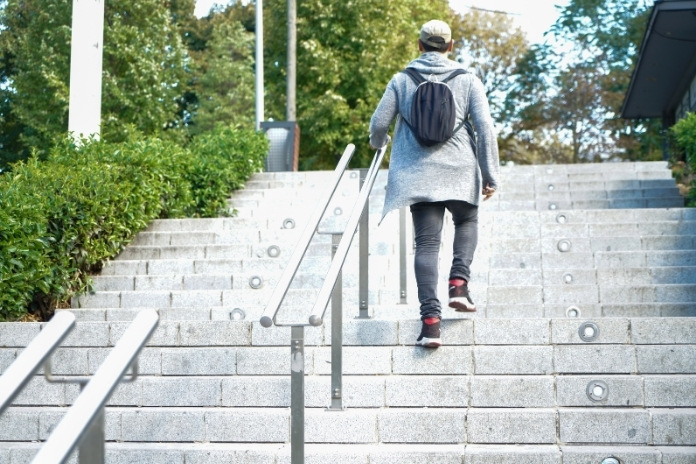
You step onto the stairs and, bam, a sharp twinge shoots through your knee. Sneak attacks like this catch you off guard, even when you see yourself as young, fit, and healthy. At first, it’s tempting to brush it off, maybe you blame it on a long day, sore muscles from a workout, or joints just needing to “warm up.” But when stair climbing turns into a consistent trigger, it’s not something to dismiss as normal wear and tear. It’s your body waving a warning flag.
The truth is, knee pain early in life isn’t a harmless background noise. Studies reveal that patellofemoral pain, often nicknamed “runner’s knee”, affects a large number of young and active individuals.
And the impact isn’t limited to workouts or stairs. This kind of discomfort chips away at mobility, drains confidence, and can even ripple into your mental health when you start avoiding activities you love out of fear of pain.
What this really means is: if knee pain shows up repeatedly, even in your twenties or thirties, it deserves attention. Ignoring it can turn a manageable issue into a long-term setback. The good news? Understanding why it happens and taking early action can help you protect your knees, restore ease of movement, and keep you active for years to come.
Why Climbing Stairs Triggers Knee Pain

Climbing stairs may feel routine, but for your knees, it’s like an intense workout. Every step forces your knee joint to handle loads that far exceed normal walking. Research shows the pressure can spike to three or four times your body weight, and this extra strain lands heavily on the area behind the kneecap. Over time, the cartilage and surrounding tissues absorb the brunt of this stress, making them more vulnerable to discomfort or irritation.
What makes stairs especially challenging is the repetitive motion involved. Unlike flat walking, stair climbing locks the knee into a flexed, weight-bearing position with each step. This combination creates one of the toughest mechanical demands on the joint, particularly if there’s even a minor imbalance or weakness already present.
To break it down more clearly:
- Increased load: Knees carry multiple times your body weight while moving up or down.
- Compression behind the kneecap: The patellofemoral joint absorbs heightened pressure.
- Repetitive stress: Continuous bending and straightening under load magnifies strain.
- Limited recovery time: Each step comes immediately after the last, giving tissues little chance to rest.
This is why people often notice knee pain most acutely when tackling stairs, even if walking on flat ground feels manageable.
Common Causes of Knee Pain When Climbing Stairs
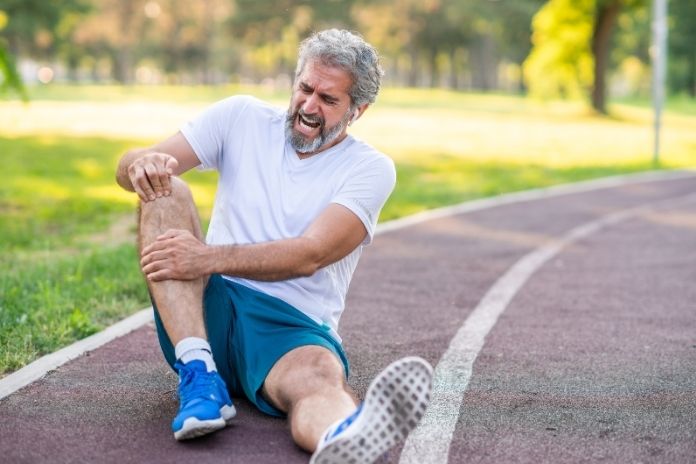
If stairs consistently set off knee pain, it’s usually a sign that something deeper is going on, not just random bad luck. The act of climbing magnifies whatever underlying imbalance, irritation, or weakness already exists in the joint. Below are some of the most common culprits doctors and physical therapists see:
Patellofemoral Pain Syndrome (Runner’s Knee)
This is the leading cause of pain in the front of the knee, especially in active people. It happens when the kneecap (patella) doesn’t glide smoothly along its groove in the thigh bone (femur). Instead of tracking neatly, it rubs against the bone, irritating tissues.
“In patellofemoral pain syndrome, the kneecap often fails to glide smoothly in its groove, due to muscular imbalances, weak quadriceps or hip muscles, and poor alignment, resulting in increased pressure and irritation behind the patella.” – American Academy of Orthopaedic Surgeons (OrthoInfo)
Weak thigh or hip muscles, poor alignment, or simply repetitive use can all contribute. Think of the kneecap like a train on rails; if the track is even slightly off, every movement grinds instead of glides. Stairs, which load the knee heavily in a bent position, are a classic trigger for this pain.
Chondromalacia Patella (Cartilage Softening)
When the cartilage under the kneecap starts to soften or break down, stair climbing becomes especially uncomfortable. Uneven pressure, muscle imbalance, or past trauma can all accelerate this wear.
Since cartilage doesn’t have pain nerves, you don’t feel the damage itself; you feel the irritation and inflammation around it. Going up or down the stairs forces the patella hard against the joint, spotlighting this weakness.
Weak Quadriceps or Hip Muscles
Muscle strength is a huge factor in knee health. Weak quadriceps, particularly the inner quad (vastus medialis), or underactive glutes, can let the patella drift sideways with each step.
That tiny shift is enough to overload the joint. Strengthening both thigh and hip muscles has been shown to reduce pain significantly, since balanced muscles guide the kneecap correctly and share the workload.
Iliotibial (IT) Band Syndrome
The IT band is a thick strip of tissue that runs down the outside of the thigh. When it tightens or rubs too much against the knee, it causes sharp pain on the outer side. While it’s more common in runners, the repetitive bending of stairs can also set it off, especially if hip stabilizers are weak or flexibility is limited.
Previous Injuries
Old injuries often leave behind lingering instability or uneven mechanics. A sprained ligament, torn meniscus, or fractured kneecap can alter the way you move, even years later. That residual weakness or stiffness may not bother you on level ground, but stairs expose the imbalance, making old problems resurface.
Less Common (But Important) Causes
Not every case of knee pain on stairs ties back to overuse or muscle imbalance. Sometimes, the culprit is less obvious but just as important to recognize. These conditions may not show up as often in young adults, but when they do, they can cause persistent or worsening discomfort that shouldn’t be ignored.
- Early Arthritis: Cartilage wear-and-tear doesn’t only happen later in life. In fact, early osteoarthritis can develop in your 20s, especially if you’ve had a sports injury or repetitive stress on the joint. The result? Stiffness, mild swelling, or a grinding sensation when you climb stairs.
Post-traumatic osteoarthritis (PTOA), including that following ACL or meniscal injuries, can accelerate osteoarthritis development at a younger age. Studies estimate that about 12% of all osteoarthritis cases are post-traumatic.
- Meniscus Tears: A torn meniscus, whether from an accident or gradual degeneration, can cause sharp pain, catching, or even locking of the knee when you bend or walk down stairs.
- Excess Weight: Carrying extra body weight puts additional stress on the knee joint. While not the leading cause in younger people, it often worsens existing knee problems and makes stair use more painful.
When to Worry: Red Flags That Need a Doctor’s Attention
Most knee pain from stairs is manageable with rest, strengthening, and lifestyle tweaks. But not every ache is harmless. If you notice persistent swelling or stiffness that just won’t fade, it’s a signal your joint may be under more strain than it can handle.
Mechanical issues like clicking, locking, grinding, or the knee suddenly giving way are especially concerning. These signs often point to cartilage damage, meniscus tears, or ligament problems that won’t improve on their own.
And if pain escalates to the point where you struggle with basic daily tasks, like standing, walking, or putting weight on the knee, it’s time to step away from self-care and into a doctor’s office. Ignoring these red flags only risks worsening the injury and prolonging recovery.
How to Relieve and Prevent Knee Pain
Knee pain can creep up from multiple angles, weak muscles, poor mechanics, extra body weight, or simply pushing your joints too hard. The good news is that in most cases, especially those related to patellofemoral pain syndrome (PFPS), it can be managed and even prevented with the right approach.
The focus isn’t just on easing discomfort in the short term, but on building long-term resilience so your knees can handle the demands of daily life, exercise, and sports.
Let’s break it down:
Strengthening Exercises (Quads, Hamstrings, Glutes)
The single most effective way to protect your knees is by strengthening the muscles that support them. Weak or imbalanced muscles force the knee joint to take on more stress than it should. Exercises like straight leg raises target the quadriceps without straining the knee cap, while clamshells and glute bridges build hip and glute control, which stabilizes the entire leg during movement. Over time, this balanced strength reduces knee strain and helps prevent PFPS flare-ups.
Stretching to Reduce Tightness (IT Band, Hip Flexors)
Muscle tightness can pull the knee out of alignment, leading to abnormal stress on the joint. The IT band, hip flexors, and surrounding connective tissue are common culprits. Incorporating regular, gentle stretching into your routine helps release this tension and restores proper movement mechanics. Think of it as rebalancing the forces acting on your knee, less tug-of-war, more harmony.
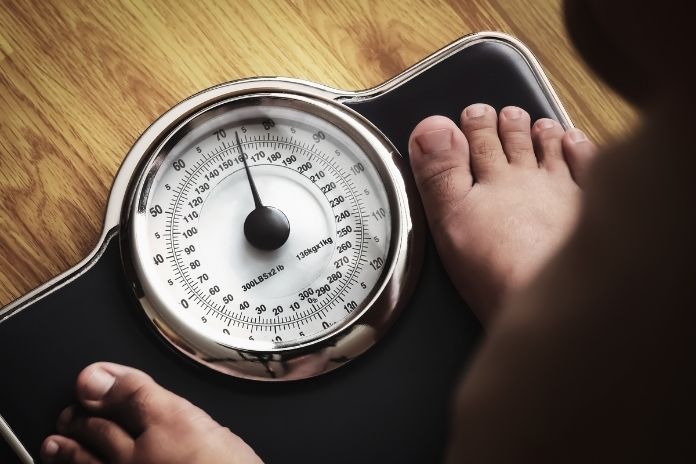
Weight Management
Every extra pound you carry puts additional force through your knees, particularly during high-impact movements like running or climbing stairs. Research shows that losing even a small amount of weight significantly decreases the load on the knee joint. For anyone dealing with chronic knee pain, weight management is one of the simplest yet most impactful strategies for long-term relief.
Proper Footwear for Shock Absorption
Shoes aren’t just about comfort; they’re about biomechanics. Worn-out or unsupportive footwear can transfer excessive stress upward to the knees. Choosing shoes with good cushioning and arch support helps absorb impact, improve alignment, and reduce repetitive strain, especially if you’re on your feet for long periods or regularly exercise on hard surfaces.
Avoiding Overuse and Balancing Workouts
Knees often complain when they’re overworked without enough recovery. The fix? Train smart. Avoid sudden jumps in intensity, vary your workouts, and mix in low-impact activities like cycling or swimming to give your knees a break. Balancing high- and low-impact exercise not only preserves joint health but also ensures you keep building fitness without setbacks.
Read More: 5 Effective Knee Strengthening Exercises
Home Remedies That May Help
You don’t always need to rush to a prescription or procedure. Simple, at-home strategies can often bring relief and support healing when knee pain is mild or related to overuse. The key is consistency; gentle, regular care often matters more than quick fixes.
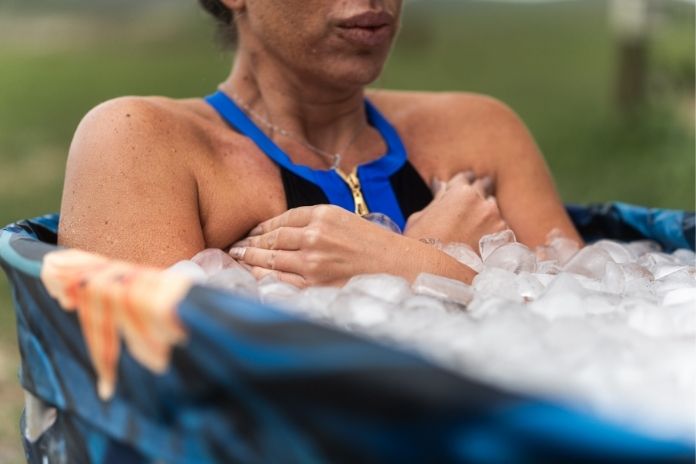
- Ice and rest after activity – The classic RICE method (rest, ice, compression, elevation) remains a trusted go-to. Applying an ice pack for 15–20 minutes after a strain helps reduce inflammation and swelling. Compression with an elastic bandage and propping the leg up also eases pressure on the joint.
- Low-impact exercise – Systematic reviews show that low-impact aerobic and strengthening exercise programs, including both land- and water-based routines, effectively reduce pain and improve strength in knee osteoarthritis.
- Knee braces or supports (short-term) – Wearing a brace or sleeve can provide stability during flare-ups or activity, especially if you’re recovering from a minor injury. Still, they’re a temporary tool, not a substitute for strengthening the muscles around the knee.
- Gentle stretching and strengthening – Focusing on the quadriceps, hamstrings, and hips helps offload the joint and improves balance. Even 10 minutes of targeted exercises daily can make a difference.
- Heat therapy for stiffness – While ice is best for swelling, applying a warm compress or heating pad helps loosen tight muscles and reduce morning stiffness.
These approaches don’t replace professional care if pain is persistent or severe, but they’re a solid foundation for protecting your knees day to day.
Medical Treatments (If Pain Persists)
If basic rest and home care don’t solve the problem, medical treatments step in to address pain and underlying imbalances.
Physical therapy is the gold standard for runner’s knee management. A structured PT program strengthens weak muscles (especially the quadriceps and hips), improves flexibility, and retrains faulty movement patterns like inward knee collapse. Correcting biomechanics not only eases pain but also lowers the chances of recurrence.
Anti-inflammatory medications (NSAIDs) such as ibuprofen or naproxen can provide short-term relief from swelling and discomfort. They’re not a cure, but they can make rehab exercises more tolerable. Doctors usually recommend limiting use to avoid side effects from long-term dependency.
Cortisone injections are rarely the first line of treatment for PFPS. They’re more common for conditions like arthritis or meniscus injuries. In rare, stubborn cases, however, a physician may consider a localized shot to calm severe inflammation.
Surgical interventions are a last resort. Surgery is rarely necessary for young adults with PFPS unless there’s a clear structural issue, like a severely misaligned kneecap, that hasn’t responded to months of non-surgical care.
Prevention: Keeping Your Knees Healthy for the Future
The best way to deal with runner’s knee is to avoid it in the first place. Prevention isn’t just about stopping pain; it’s about keeping your knees resilient, strong, and ready for the miles ahead. Small, consistent habits in training and lifestyle can go a long way in protecting joint health.
- Warm up before workouts – Take at least 5–10 minutes to get your blood flowing and muscles activated. Dynamic stretches and light movements that engage the quads, hamstrings, and glutes prime your body for impact and reduce unnecessary strain on the knee.
- Avoid sudden increases in activity – A common trigger for PFPS is pushing too hard too soon. Whether it’s mileage, speed, or workout intensity, build gradually to give cartilage, tendons, and supporting muscles time to adapt.
- Incorporate strength training regularly – Strong quads, glutes, and hips help align your knees during movement, minimizing stress. Think squats, lunges, bridges, and core work, done consistently, not just occasionally.
- Pay attention to footwear – Worn-out or unsupportive shoes can change your gait and put extra pressure on your knees. Replace running shoes every 300–500 miles, and if you have flat feet or overpronation, consider orthotics.
- Listen to your body – Mild soreness after a tough workout can be normal, but sharp or persistent pain is not. Rest when needed and don’t ignore warning signs, as catching issues early prevents chronic problems later.
Read More: How to Protect Your Knees During Workouts: Tips Every Active Person Should Know
Conclusion
Runner’s knee may feel like a roadblock, but it’s rarely the end of your running journey. With the right mix of rest, rehabilitation, and smarter training, most people recover fully and come back stronger. What matters is catching it early, listening to your body, and not brushing off those first twinges of pain.
Think of it this way: every step you take toward better form, strength, and balance is also a step toward longevity in your sport. Whether it’s committing to a proper warm-up, building stronger quads and glutes, or simply pacing your mileage increases, these small habits compound into powerful protection for your knees.
At the heart of it, prevention and consistency win. If you respect your body’s limits and give it the support it needs, runner’s knee doesn’t have to define your journey; it can simply be a reminder to move with more intention. Stay aware, stay strong, and your knees will carry you far into the future.
References
- https://my.clevelandclinic.org/health/diseases/17914-patellofemoral-pain-syndrome-pfps
- https://www.ncbi.nlm.nih.gov/books/NBK557657/
- https://pmc.ncbi.nlm.nih.gov/articles/PMC5100443/
- https://www.sciencedirect.com/science/article/abs/pii/S1521694219300269
- https://www.ncbi.nlm.nih.gov/books/NBK561507/
- https://www.aafp.org/pubs/afp/issues/2019/0115/p88.html
- https://www.runnersworld.com/health-injuries/a20854077/whats-the-best-solution-for-runners-knee/
- https://orthoinfo.aaos.org/en/diseases–conditions/patellofemoral-pain-syndrome/
- https://www.healthychildren.org/English/health-issues/injuries-emergencies/sports-injuries/Pages/Knee-Pain-and-Patellofemoral-Pain-Syndrome.aspx
- https://www.self.com/story/knee-pain-running
In this Article