











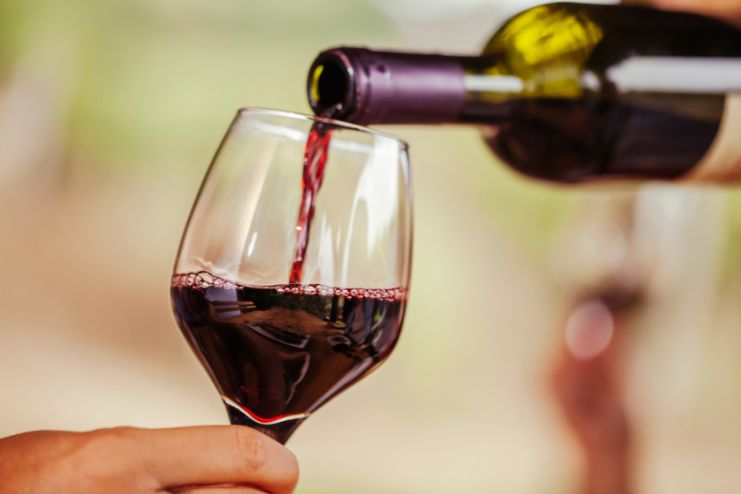
“Wine is healthier than other alcohols, so it won’t make you fat… right?” It’s a question that many wine lovers ask, especially those trying to balance wellness goals with their love for a nightly glass of red or white. After all, wine has long enjoyed a reputation for being the more “sophisticated” or “heart-healthy” drink, often featured in headlines linking moderate wine consumption with longevity, reduced stress, and even improved heart function.
But when it comes to weight, the answer isn’t as romantic. While moderate wine intake can fit into a healthy lifestyle, it’s important to look beyond the glowing headlines. Wine still contains calories, often more than people realize, and how it interacts with your body, metabolism, appetite, and habits can influence your waistline more than you think.
This article dives into the real science behind wine and weight gain: how many calories wine really adds, whether the type of wine matters, how alcohol affects fat burning, and what role drinking plays in your eating behaviors. If you’re wondering whether wine is sabotaging your fitness goals or if it can coexist peacefully with them, you’re in the right place.
How Many Calories Are in Wine?

Before we dive into how wine might influence your weight, it’s important to understand what’s actually in your glass. The calories in wine come primarily from two sources: alcohol and residual sugar, the natural grape sugars that aren’t fully converted during fermentation.
Alcohol itself packs 7 calories per gram, making it more calorie-dense than carbohydrates or protein (both at 4 calories per gram), and nearly as dense as fat (9 calories per gram).
Here’s a breakdown of what that means for the average pour:
- Dry red or white wine (5 oz): ~120–130 calories.
- Sweet wines (like Moscato, Port, or dessert wines): ~160–220+ calories per 5 oz.
- Sparkling wines (like Champagne or Prosecco): ~90–120 calories per 5 oz, depending on how dry (Brut) or sweet (Demi-sec) they are.
These numbers might not seem too alarming on their own, but they add up fast, especially since most people pour closer to 6 or 7 ounces rather than a true 5-ounce serving. Two generous glasses of wine can easily total 250 to 300+ calories, which is equivalent to a small meal or a hearty snack, without offering much in the way of nutrients beyond a modest antioxidant boost.
And unlike food, wine doesn’t fill you up. In fact, it often stimulates appetite, which can lead to overeating, more on that later.
Bottom line: Wine isn’t inherently fattening, but it’s easy to underestimate its calorie load, especially when drinking socially or habitually. Being aware of how much you’re actually consuming is the first step in keeping your goals on track.

Why Wine Can Lead to Weight Gain
Even if wine is your drink of choice and you’re mindful of portions, it can still throw a wrench into your weight goals. That’s because wine influences your body and your behavior in subtle but powerful ways that go far beyond its calorie count.
1. Liquid Calories Are Sneaky
One of the biggest culprits behind wine-related weight gain is the fact that liquid calories don’t satisfy hunger the way solid food does. You can sip down 250 calories in wine without blinking, but you’d feel fuller after eating a 250-calorie snack of yogurt and fruit or a boiled egg with toast.
Because wine doesn’t trigger the same satiety signals, most people don’t compensate by eating less later. This means those wine calories are often added on top of your regular intake, creating a calorie surplus without even realizing it.
2. Alcohol Increases Appetite
Science backs up what many of us know from experience: alcohol tends to make you hungrier. Specifically, drinking wine can elevate ghrelin, the hormone that stimulates appetite, and dulls your ability to make rational food choices.
That’s why, after a couple of glasses, chips, pizza, or dessert sound far more tempting, and harder to resist. You may also eat faster or more than you intended, since alcohol lowers inhibitions and weakens willpower.
3. Your Body Prioritizes Alcohol Over Fat Burning
When you drink wine, your body treats the alcohol as a toxin that must be processed immediately. This temporarily halts fat and carbohydrate metabolism because your liver switches to metabolizing alcohol first.
As a result, the other calories from your meal, especially from fat, are more likely to be stored rather than burned. Over time, this metabolic detour can subtly contribute to fat accumulation, particularly if drinking is a regular habit.
4. Small Daily Habits Add Up
A single 5-ounce glass of wine has about 120 calories. If you drink one glass every night, that’s 840 calories a week, or over 43,000 calories a year, which could translate to 12 or more pounds of fat if no other changes are made to offset those extra calories. And let’s be honest, many people pour heavier, have second glasses, or indulge in snacks along with wine, which amplifies the effect.
Wine doesn’t inherently make you gain weight, but it can quietly shift your calorie balance over time and subtly influence your hunger, metabolism, and decision-making in ways that make weight gain more likely. Being mindful of when, how, and why you drink can help you enjoy wine while staying in control of your goals.
Red Wine vs. White Wine: Which Has More Calories?
It’s a common belief that red wine is more calorie-dense than white wine, but the truth is more nuanced. The calorie content of wine depends less on its color and more on two main factors: alcohol by volume (ABV) and residual sugar, the natural sugar that remains after fermentation.
Red wines like Cabernet Sauvignon, Merlot, and Pinot Noir typically contain 120 to 130 calories per 5-ounce glass. Most red wines are dry, meaning they have very little sugar left after fermentation. Their calorie count primarily comes from their alcohol content, which tends to be slightly higher than some whites.
White wines such as Chardonnay, Sauvignon Blanc, or Pinot Grigio usually fall in the 115 to 130 calorie range per 5-ounce pour. However, sweeter white wines, like Moscato or Riesling, can contain significantly more sugar, pushing their calorie content up to 140 to 180 calories per glass or more.
Sparkling wines like Brut Champagne or dry Prosecco are generally lighter, with 90 to 120 calories per serving. That said, sweeter versions like Demi-Sec or Asti Spumante can have a higher calorie load due to increased sugar content.
The number of calories in a glass of wine has more to do with its sweetness and alcohol level than whether it’s red or white. If you’re watching your calorie intake, opt for dry varieties (like Brut, Sauvignon Blanc, or Pinot Noir) and keep an eye on the serving size.
How Your Body Processes Alcohol and Stores Fat
When you sip a glass of wine, your body reacts very differently than it does to food. Unlike carbs, fats, or proteins, which your body stores or uses as energy, alcohol is treated like a toxin. As soon as ethanol enters your system, your body prioritizes processing it above all else.
Here’s what happens step-by-step:
- Alcohol heads to the liver
Ethanol is absorbed into your bloodstream and sent straight to the liver. There, it’s broken down in two stages, first into acetaldehyde (a toxic compound), then into acetate, which your body can use for energy.
- Fat-burning takes a backseat
While your liver is busy breaking down alcohol, it temporarily pauses its usual job of metabolizing nutrients like fat and carbohydrates. This means that any food you eat during this time, especially fat or sugar, is more likely to be stored rather than burned.
- Calories get diverted to fat storage
The body can’t store alcohol the way it does nutrients, so it uses the acetate for immediate energy. That may sound good, but here’s the catch: since your body is fueled by alcohol, it stores the calories from food instead of burning them, often as fat, especially around the midsection.
- Long-term effects on hormones and metabolism
Frequent alcohol consumption, even in moderate amounts, may increase levels of cortisol (a stress hormone linked to belly fat) and contribute to insulin resistance over time. These changes can make your body more efficient at storing fat and less effective at burning it, particularly around the abdomen.
This is why terms like “wine belly” or “beer belly” aren’t just myths. Regular wine drinking not only adds calories, it also subtly reshapes how your metabolism works, making it easier to gain fat even without overeating.
Can You Drink Wine and Still Lose Weight?
Yes, you absolutely can enjoy wine and still lose weight. But it takes a mindful approach. Wine isn’t inherently “fattening,” but like any calorie-containing food or drink, it needs to fit within your daily energy balance. In simple terms, if you want to lose weight, you need to burn more calories than you consume. Wine doesn’t get a pass; it still counts toward that total.
That said, weight loss isn’t about strict elimination; it’s about smart choices and consistency. Here’s how to include wine without sabotaging your goals:
- Plan ahead: If you’re going to have a glass of wine with dinner, think ahead. Skip the creamy sauce or the side of fries. Swap a heavy appetizer for a salad or a vegetable dish. Treat wine like you would dessert, delicious, but something to budget for.
- Stick to true moderation: The CDC defines moderate drinking as up to one drink per day for women and two for men. Following this guideline not only supports weight management but also reduces the risks of liver strain, hormone disruption, and poor sleep.
- Track honestly and carefully: A standard glass of wine is 5 ounces, but restaurant pours or home servings often exceed that. Two “generous” glasses can quickly turn into 400–500 calories, more than a full meal. Use a measuring cup at home at least once to learn what 5 ounces looks like.
- Watch what you eat with wine: Alcohol lowers inhibitions, often leading to unplanned snacking or overeating. Pair wine with balanced meals rich in protein and fiber to stay satisfied, and avoid grazing afterward.
In short, wine doesn’t automatically derail weight loss, but careless habits around it can. With intention, accountability, and portion control, you can still raise a glass and hit your goals.
Best Types of Wine for Weight Management
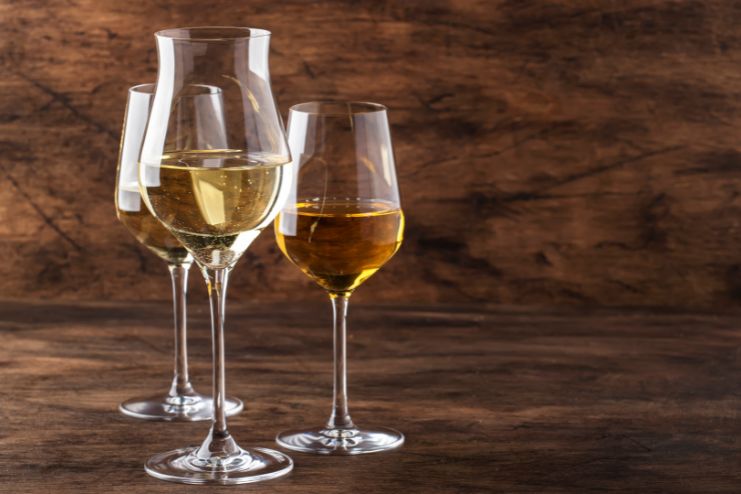
Not all wines are equal when it comes to calories, sugar, or alcohol content. If you’re watching your weight or trying to maintain a calorie deficit, the type of wine you choose can make a real difference. Here’s how various wines stack up and what to look for when choosing the most waistline-friendly options.
Dry Wines – The Smartest Choice
Dry wines contain little to no residual sugar, which makes them a better fit for calorie-conscious drinkers. They also tend to have moderate alcohol levels, which means fewer calories overall. Some of the best dry wine options include:
- Sauvignon Blanc: A crisp, refreshing white wine that typically contains around 120 calories per 5-ounce glass. It’s low in sugar and usually lower in alcohol compared to richer whites like Chardonnay.
- Pinot Noir: A light-to-medium-bodied red with lower tannins and moderate alcohol content. It averages 120–125 calories per 5-ounce serving, making it one of the better red wine choices for weight management.
- Brut Sparkling Wines (like Brut Champagne or Prosecco): These are labeled “brut” because they are dry, meaning little residual sugar. They range from 90 to 110 calories per 5-ounce pour, making them one of the lowest-calorie wine types available.
Higher-Calorie Wines to Limit
Some wines may seem light and sweet, but they can pack a heavy calorie load due to their sugar content or high alcohol by volume (ABV). Here are the ones to be cautious with:
- Sweet White Wines (such as Moscato or Riesling): These wines may taste light and fruity, but often contain 150 to 180 calories per 5-ounce glass. The sugar content can spike your total intake quickly.
- Dessert Wines (Port, Sherry, Sauternes): Rich, syrupy, and high in both sugar and alcohol, dessert wines can contain 200–300 calories in just a 3–4 ounce serving. They’re enjoyable in small amounts but not ideal if you’re counting calories.
- Fortified Wines: These wines have additional alcohol added during production (like Port or Madeira), boosting both alcohol percentage and calorie count significantly.
Pro Tip: Watch the ABV
A wine’s alcohol content plays a major role in its calorie count. In general:
- Wines with 11–13% ABV are lighter in calories.
- Wines with 14% or more can add an extra 20–30 calories per glass, even if they’re labeled dry.
If you’re aiming to manage your weight without giving up wine, dry, lower-alcohol options are your best bet. They’re flavorful, satisfying, and far easier to work into a balanced diet than their sweeter, heavier counterparts.
Tips for Drinking Wine Without Gaining Weight

Wine can absolutely be part of a healthy lifestyle, even if you’re watching your weight. The key lies in moderation, mindfulness, and smart habits that help you enjoy a glass without it adding inches to your waistline. Here’s how to strike that balance:
- Use a smaller glass: Large wine glasses can distort your sense of portion size. A standard 5-ounce pour often looks small in oversized glasses, prompting you to pour and drink more. Stick to standard wine glasses to stay aware of your intake.
- Alternate wine with water: Drinking a glass of water (still or sparkling) between sips of wine can help slow down your alcohol consumption and prevent dehydration. It also fills you up slightly, reducing the temptation to reach for more wine or snacks.
- Avoid late-night drinking: Drinking alcohol close to bedtime can interfere with sleep quality, which in turn disrupts hunger and fullness hormones like ghrelin and leptin. Poor sleep has been linked to increased appetite and cravings the next day, making weight control harder.
- Pair wine with balanced meals: Enjoy wine alongside meals that are rich in lean protein, fiber, and healthy fats. This helps slow the absorption of alcohol and keeps blood sugar levels more stable, reducing post-drinking cravings for high-calorie snacks.
- Take alcohol-free days: Building 2–3 alcohol-free days into your weekly routine not only helps reduce your calorie intake but also gives your liver time to recover and lowers the risk of forming habitual drinking patterns.
- Be mindful in social settings: It’s easy to lose track of how much you’re drinking at parties, dinners, or celebrations. Set a personal limit ahead of time and pace yourself. Try to focus more on conversation and food than on refilling your glass.
Bottom line: Enjoying wine doesn’t have to mean giving up on your weight goals. With a few intentional habits and a little portion awareness, you can savor your favorite reds or whites without sabotaging your progress.
Wine Belly: Myth or Reality?
“Wine belly” is the idea that drinking wine regularly causes a unique kind of abdominal fat. While it’s not specific to wine, there’s truth behind alcohol-related belly fat.
Here’s why:
- Alcohol increases cortisol, a stress hormone linked to visceral fat storage around the abdomen.
- It reduces fat oxidation, meaning your body stores more fat from food.
- Frequent alcohol consumption is correlated with central obesity, especially in men.
But wine itself doesn’t cause a special “wine belly.” Gaining weight in your midsection comes from a calorie surplus and the hormonal effects of regular alcohol intake, not the type of alcohol.
Final Verdict: Does Wine Make You Gain Weight?
Wine alone won’t make you gain weight, but like any source of calories, it can quietly tip the scale if you’re not paying attention. Its effects on hunger, metabolism, and decision-making around food make it easy to over drink without realizing it.
But that doesn’t mean you have to give it up. Wine can absolutely be part of a healthy, balanced lifestyle if you’re intentional. This means drinking in moderation, being honest about portions, adjusting your overall calorie intake, and pairing your wine with nutritious meals and an active routine.
The key isn’t restriction, it’s awareness. When you understand how wine interacts with your body and habits, you gain the power to enjoy it without guilt or unwanted weight gain. So yes, you can raise a glass to your health, your progress, and your goals, as long as you’re doing it with mindfulness, not mindlessness.
References
- https://www.healthline.com/nutrition/is-wine-fattening
- https://www.betterhealth.vic.gov.au/health/healthyliving/Alcohol-and-weight-gain
- https://www.healthline.com/nutrition/red-wine-and-weight-loss
- https://www.health.com/weight-loss/does-alcohol-make-you-gain-weight
- https://www.myjuniper.com/blog/does-wine-make-you-fat
- https://www.quora.com/Does-drinking-a-bottle-of-wine-red-per-night-make-you-gain-weight-even-with-daily-exercise
- https://sahyadrihospital.com/blog/does-alcohol-increase-weight
- https://pmc.ncbi.nlm.nih.gov/articles/PMC4338356/
- https://www.drinksurely.com/a/blog/does-wine-make-you-gain-weight
- https://edit.sundayriley.com/wine-belly/
- https://riahealth.com/blog/wine-belly/
- https://www.maryannwalshrd.com/blog/wine-belly-the-equally-undesirable-but-more-chic-version-of-beer-belly-let-s-discuss
- https://health.clevelandclinic.org/what-is-wine-doing-to-your-waistline
- https://www.bbc.com/future/article/20151026-is-beer-better-or-worse-for-you-than-wine
- https://theconversation.com/why-a-glass-of-red-wine-is-good-for-your-gut-122072
- https://www.aicr.org/resources/blog/mixed-messaging-on-red-wine-separating-myth-from-fact/
In this Article