












Meditation has gained significant popularity worldwide and is now a vital component of contemporary wellness regimens.
Many have asked and answered, ” When is the best time to meditate?” Is meditating in the morning more beneficial than practicing it in the evening or at night? Most responses are given with the attitude, “Well, because my guru told me so,” or “People have always done it that way.”
The most crucial thing to address before exploring some ideas is this: if you would like to meditate regularly, choose a time that is convenient for you. That’s how easy it is. The time you choose can significantly impact your effects, whether you start your day with a focused moment or end it with a relaxing session at night.
This article compares and contrasts the distinct benefits of morning and evening meditation.
Read More: The Role of Meditation and Mindfulness in Hypertension Control
Why Meditation Timing Matters
Meditation can help us acquire and build resilience, strength, and concentration. Although we are aware of the benefits of meditation, it can be challenging to find time for it. Even if we’ve committed to finding the time, we may ask which part of the day we should sit.
Your lifestyle and the benefits you wish to gain through meditation will determine the best time to meditate. Researchers have discovered that regular meditation practice yields numerous additional medical benefits.
To mention a few benefits, meditation improves the quality of our sleep, reduces stress levels, and enhances concentration. Our dedication to sitting will directly correlate with any potential advantages. Finding a time that suits your lifestyle is crucial because of this.
Morning meditation is perfect for a clear head and a peaceful start to the day. Meditation after work helps decompress and establish a clear separation between work and personal life. Lunch meditation offers a brief respite from the day’s work.
When stressed, meditation helps keep your mind focused and allows you to observe your emotions without reacting to them. Evening meditation can calm you.
The time of your meditation matters in how your body and mind respond. Perhaps most important is ensuring you align your daily routine and natural energy rhythms with your meditation practice.
If you are an early riser or a night owl, selecting the optimal time for each session can help you maximize its benefits. Tailoring your meditation routine to fit your lifestyle enhances mindfulness, promotes consistency, and leads to deeper outcomes.
According to Theresa B. Skaar, a social psychologist certified in mind-body medicine, meditation promotes better sleep by regulating the nervous system.
Benefits of Morning Meditation
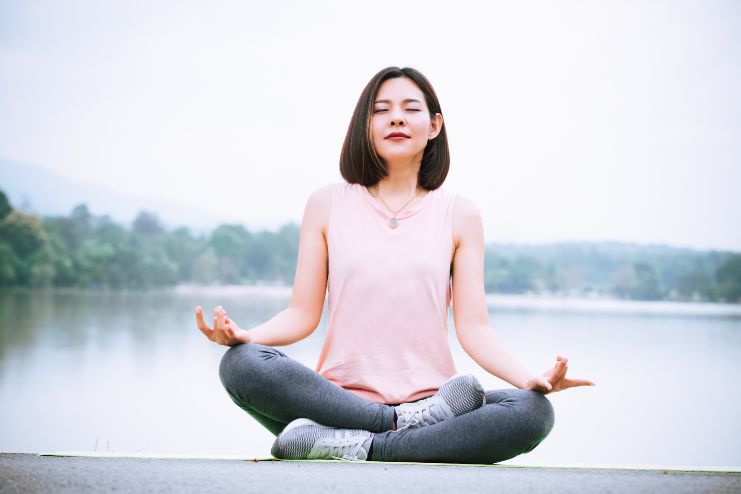
While the benefits of meditation are not specific to time, most meditators find that meditating first thing in the morning makes sense for several reasons.
Morning meditation can transform your life. It is not just a calming way to start the day. Integrating morning meditation into your daily life can reap significant benefits for your mental, emotional, and physical well-being.
According to bestselling author, yoga instructor, and founder of the well-known Yoga Girl community Rachel Brathen, newcomers should begin with brief meditation sessions. She agrees that meditation is best done in the morning, but she stresses the importance of consistency. Please choose a time of day that suits you and stick to it. It will be much simpler if you do it consistently and simultaneously.
Increased Mental Clarity: Rising early and meditating can enhance mental clarity. Morning meditation cleanses the mind and provides a peaceful and concentrated background for the day ahead. This clarity benefits decision-making ability, creativity, and problem-solving.
Reduced Anxiety and Tension: Morning meditation is an excellent means to reduce anxiety and tension. By meditating in the morning, you can reduce the level of stress hormone cortisol in your system. Apart from relaxing you, stress reduction also diminishes your chances of contracting disease-promoting stress, thereby contributing to your overall well-being.
Improved Emotional Well-being: Morning meditation can strengthen and steadie you emotionally. It helps you start the day in a calm and peaceful state of mind, which makes you much better prepared for the challenges ahead. Regular practice can improve emotional well-being in the long run and might reduce symptoms of depression and anxiety.
Better physical health: Morning meditation also positively affects physical well-being. It can help keep your immune system healthier, lower blood pressure, and improve the quality of your sleep. Meditation deep breathing can boost the size of your lungs and overall respiratory well-being.
Read More: 5 Meditation Techniques to Boost Creativity and Inspiration
Benefits of Evening Meditation
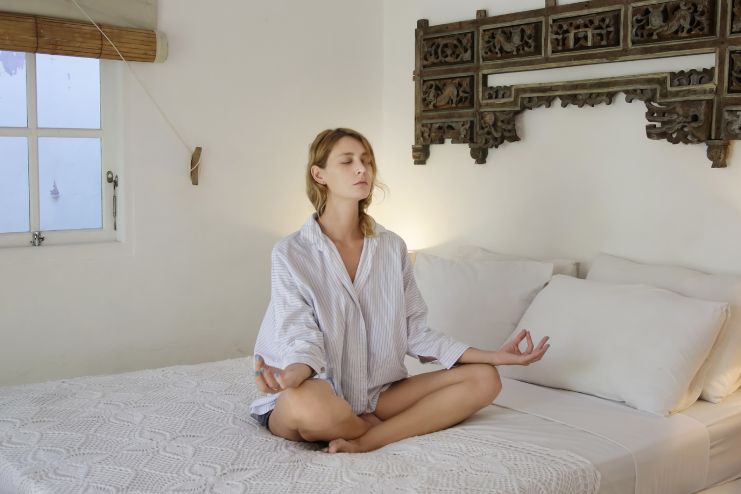
If you lack motivation to start a mindfulness practice in the morning, consider meditating before bed instead. After a hard day, meditation is an excellent way to relax, clear your mind, reflect on your day, and release tension and anxiety.
Above all, practicing meditation before bed promotes deeper sleep and a quicker rate of sleep. Learning the benefits of meditating before bed may inspire you to develop a thoughtful evening practice.
Improved Sleep: Meditating before bed may help you obtain some much-needed slumber if you have trouble falling asleep at night. According to research, daily meditation helps us relax, de-stress, and unwind, improving the quality and length of our sleep.
Stress Reduction: Meditation aids in lowering tension and anxiety. Our systems release adrenaline, cortisol, and other chemicals in response to stress, preparing us to fight or run. Long-term stress causes our bodies to create more stress hormones, which makes us feel exhausted and nervous. Since we are often agitated at the end of the day, evening meditation is an ideal way to manage stress.
Enhances Mood: Stress causes our emotions to flow high and fast. After a hectic workday, we are most prone to experience stress. You can regain your equilibrium and release the day’s stress by practicing meditation in the evening. Meditation also fosters increased self-compassion, empathy, and kindness toward both yourself and those around you.
Enhances Relationships: The practice of meditation helps us learn to live without passing judgment on others. Through meditation, we can accept who we are and our experiences, including the challenging or unpleasant ones. As a result of this acceptance, we are able to be more compassionate and open to others.
How to Choose the Best Time for You
People have long regarded meditation as a means to promote mental and physical balance, clarity, and serenity. Finding the ideal moment to meditate can be crucial to achieving its full advantages in today’s fast-paced world.
The secret to developing a habit and making it stick is to incorporate your practice into your everyday schedule. Aiming to meditate at the “same time, same place,” when you know there will be few interruptions, is one of the best methods to ensure that you can always find time, regardless of your schedule.
Another method is to connect it to an anchor habit, an action already a part of your daily routine. For instance, “As soon as I’ve finished brushing my teeth, I will meditate for around five minutes.” According to research, anchor habits can be successful because they become ingrained in your daily routine and are hard to break.
Remember that flexibility is essential if you cannot adhere to your plan. When you can, meditate! You can practice mini-meditation at any time during the day, as needed. You could set up a five-minute guided meditation during the day in a quiet place. Mindfulness reminders can also help you stay mindful throughout your day. I’ve spent a few minutes meditating in my car before meetings or waiting for something.
Read More: Finding Balance: Yoga and Meditation for Seniors’ Physical and Mental Health
Can You Meditate Twice a Day?

First, it is possible to meditate twice or more during the day. However, each person’s ideal time varies based on their needs and schedule.
It is often advised to meditate twice a day for 20 minutes each time. The steps involved in breathing and mantra meditation are as follows: After 20 minutes of meditation, take a 5—to 10-minute break.
By practicing, we encourage our nervous system to function differently, which is maintaining profound silence. Then comes sublime joy. We go out and become active in the world daily to stabilize all of this.
As we become better functioning in our daily lives, it dissolves. The dissolving lasts for five to ten hours. Then, we can practice again and regain a better functioning pattern so that we may become less active.
You can complete this cycle twice daily, once in the morning and once in the early evening. For busy individuals, it offers maximum development and purification throughout the day.
Tips for Building a Consistent Meditation Practice

Did you ever try to learn something new or create a new habit? It probably didn’t take long to realize that consistent practice is the real secret to success. That’s true with meditation, too.
“It’s crucial to meditate daily because you’re creating a habit,” explains Sadie Bingham, a clinical social worker in Gig Harbor, Washington, who specializes in anxiety work and has been meditating for a long time.
“You need a daily practice to start seeing the fruits of your labor because most people won’t notice the positive effects right away,” she continues.
Establishing a consistent meditation practice may be challenging initially, but following a few simple tips will help you stay on track.
Start early: Try to meditate in the morning as soon as possible. This will help ensure that you complete it and dispel any fatigue, putting you on course for a productive day.
Set priorities: If you struggle with morning meditation, make it a top priority. Remember that nothing matters more than your mental well-being.
Keep it familiar: You can make this new activity a habit by thinking, “Same time, same place.”
Flexibility: Since no two days will be the same, you may need to adjust your meditation program to accommodate different times, locations, and other factors. Please don’t use this as a reason to skip it altogether.
Buddy up: Consider enlisting a friend as well. You don’t have to meditate simultaneously, but knowing someone else is trying to start a meditation practice might encourage you and make you more dedicated.
Online Tool: One useful tool is using meditation timers or applications like Headspace, Calm, or Insight Timer. These platforms provide tracking tools, reminders, and guided sessions to help you stay motivated and gain momentum.
Habit stacking, or linking meditation to a daily activity, is one of the most effective strategies for making it stick. Anchoring meditation to a daily activity makes it easier to incorporate it into your day, whether it’s during your evening tea, soon after brushing your teeth, or before your morning coffee.
“By easing stress, quieting mental activity, and lowering alertness, meditation can greatly enhance sleep quality,” adds Radha Metro-Midkiff, Executive Director of Integral Yoga Institute New York and a qualified instructor of both Hatha and Raja yoga.
Read More: 5-Minute Morning Meditation to Start Your Day Calm and Focused
Final Thoughts
There isn’t something that works for everyone while meditating. Morning and evening meditation have unique advantages; waking up to meditate helps you think more clearly and maintain a peaceful state of mind throughout the day, and nighttime meditation aids relaxation and sleep.
The most crucial element is consistency rather than the time of day. The best time to meditate is whenever you’re most likely to stick with it regularly. If the evenings are too draining or the mornings seem rushed, choose a time that suits your schedule.
Don’t be afraid to try things out. Try meditation at different times to experience its effect on your energy levels, mood, and mental acuity. You’ll soon discover what works for your body, mind, and way of life.
Keep in mind that meditation is a path for everyone. Being present, one breath at a time is what counts. Be gentle with yourself, maintain your awe, and allow your practice to evolve.
References
- https://www.eastwesticism.org/morning-vs-evening-meditation
- https://lafayettefamilyymca.org/finding-time-meditate
- https://www.healthline.com/health/benefits-of-meditation-in-the-morning#benefits-of-the-morning
- https://texascip.com/evening-meditation-a-beginners-guide-to-healthy-sleep
- https://www.ananda.org/ask/when-is-the-best-time-to-meditate
- https://forum.facmedicine.com/threads/how-to-choose-the-best-time-to-meditate-for-your-lifestyle.81971
- https://www.headspace.com/meditation/best-time-to-meditate
- https://svatantra.institute/why-practice-meditation-twice-a-day/
- https://www.headspace.com/articles/10-tips-to-help-you-meditate-everyday
- https://www.healthline.com/health/daily-meditation
- https://www.psychologytoday.com/us/therapists/sadie-bingham-gig-harbor-wa/433722
In this Article