
















Do you ever stand in front of the mirror and think that one side of your face seems different from the other? You’re not the only one. Facial symmetry is usually associated with beauty, confidence, and how others see us, but most individuals have some level of asymmetry, and that’s totally normal.
But when it’s more evident, it can impact self-confidence and even how we stand socially. Facial asymmetry may be inherited, caused by sleeping habits, trauma, or dental concerns.
So, what’s the good news? Facial balance can be enhanced in a variety of ways. From dental procedures and facial fillers to exercises you can do at home and posture adjustments, there are solutions.
Here, we will discuss what results in facial asymmetry, the best treatments, and actionable advice you can attempt that will help make you feel more confident about your looks.
Read More: 5 Must-Have Glycolic Acid Exfoliators for Smooth Skin
What Causes Facial Asymmetry?

Facial asymmetry refers to when one half of the face doesn’t perfectly match the other. Although it’s normal to have some discrepancies, observable asymmetry can at times influence appearance and confidence.
Knowing the reasons behind it will enable you to determine the appropriate solution. Below is an analysis of the most prevalent reasons why your face is likely to be uneven.
Genetic Factors
- Genetics contribute to a certain amount of asymmetry in everyone.
- Your facial bone structure and facial muscle development are largely determined by genetics.
- Physical variations in the shape of the eyes, nose, or uneven jawline are normal and often harmless.
Lifestyle Habits
- Sleeping on One Side of the Face: Prolonged pressure on a single side of the face, particularly from sleeping on one side face, can result in flattening or minimal shifting over time.
- Chewing on One Side of your mouth: Chewing food predominantly on one side may develop muscle on the same side, causing the face to appear uneven.
- Poor Posture and Tech Neck: Constantly looking down at phones or sitting in poor posture can strain the neck alignment and facial muscle balance, causing mild asymmetry.
Medical or Developmental Conditions
- TMJ Disorders: Problems with the jaw joint may cause uneven jaw movements or muscle tension, creating an uneven jaw or crooked smile.
- Bell’s Palsy or Nerve Damage: Paralysis or weakness of facial muscles as a result of nerve damage may cause one side of the face to droop, often creating a crooked smile.
- Past Injury or Trauma: Facial injuries during childhood or adolescence may disrupt bone growth or alignment.
- Hemifacial Microsomia: A rare condition where one side of the face grows less than normal during birth, involving the ears, mouth, and jaw.
Aging-Related Asymmetry
- Loss of Elasticity and Volume: As we grow older, the skin becomes thinner and loses collagen and fat, allowing one side of the face to sag more than the other side.
- Sagging Muscles or Fat Pads:Weakening of natural muscle and fat shifting under the skin can cause unevenness, particularly around the cheek and jawline.
Read More: LED Face Mask for Your Skin
When Is Facial Asymmetry a Concern?

Most people have mild facial asymmetry, and it’s completely normal. However, in certain cases, asymmetry may be a sign of an underlying medical issue. Understanding when to seek help can make a big difference in your health and well-being.
Sudden or Noticeable Changes
If you notice a sudden change in the symmetry of your face, such as drooping on one side, a crooked smile, or a sudden uneven jawline, it could be more than just a cosmetic concern.
Sudden facial changes can sometimes point to nerve damage, muscle weakness, or even stroke. Unlike gradual changes caused by aging or habits, these shifts happen quickly and often need immediate medical attention.
People who’ve gone through treatment often share asymmetrical face before and after photos to highlight the improvement once the underlying issue is addressed.
When to See a Specialist
If your facial asymmetry is accompanied by pain, numbness, difficulty moving a part of your face, or hearing/balance issues, it’s time to consult a specialist. Here’s who to consider:
- Neurologist:For symptoms related to nerve damage, such as Bell’s palsy or facial paralysis
- ENT (Ear, Nose, and Throat Specialist): For ear infections, TMJ issues, or sinus problems that may affect symmetry
- Plastic or Maxillofacial Surgeon: For more permanent solutions involving bone structure or past trauma.
These experts can help determine whether your facial asymmetry is functional, medical, or cosmetic.
Dr. Philip J. Miller, a facial aesthetic expert, notes a progressive approach to correcting facial asymmetry. For light-to-moderate cases, he includes nonsurgical options (i.e., Botox; dermal fillers; PDO thread lift), and for more severe cases, he includes surgical options, like facial reconstruction; chin augmentation, and cheek augmentation. He also introduced the Miller Lift, which is a non-surgical liquid facelift using fillers.
How Facial Asymmetry is Diagnosed
Healthcare providers use several tools to understand the root cause of facial asymmetry:
- Clinical Facial Analysis: A physical exam assessing visible differences, muscle movement, and proportions.
- CT scan (Computed Tomography): Offers detailed images of bones to check for fractures or deformities.
- MRI (Magnetic Resonance Imaging): Useful for examining soft tissues, nerves, or signs of inflammation or tumors.
Some also recommend non-invasive methods like facial symmetry exercises to strengthen facial muscles and improve balance naturally over time.
If you’re worried about new or worsening asymmetry, especially if it happens quickly, seek professional help. Early diagnosis and the right treatment can make a noticeable difference in both health and appearance.
Read More: Ways to Wash Your Face in the Shower
At-Home Strategies to Improve Facial Balance
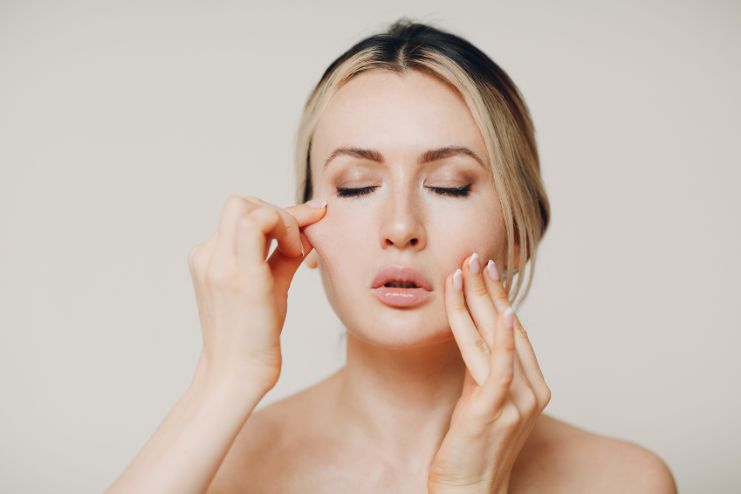
If you are thinking about how to fix an asymmetrical face, you can be rest assured that many natural-style techniques are available to help you navigate this condition. While some asymmetry is completely normal, an observable discrepancy on your face can hinder your confidence.
Luckily, there is no shortage of face symmetry home remedies that may help promote your alignment without medical procedures. Home remedies will help improve your posture, tone, circulation, and jaw tension from home.
1. Facial Exercises
Regular exercises for facial asymmetry can tone the muscles and cause an imbalanced look to your face. Just as working out your body can help build strength in weaker areas, your face will respond to exercise.
- Try puffed cheek resistance. It means to puff out one of your cheeks with air in the front of your mouth and put your hand against it while pushing back with your cheek muscles.
- Practice symmetry smile training in front of a mirror, where you observe your smile to ensure both sides of your mouth are engaging equally.
- Perform jaw alignment stretches by vigorously moving your lower jaw away from occlusion (or biting down) forward, backward, and sideways. These exercises can help “straighten” a crooked smile if this is caused by muscle tightness or simply a habit or preference to chew on one side.
These exercises are simple but will lead to noticeable improvement through regular practice.
2. Posture and Sleeping Habits
Over time, you probably have developed many habits around how you sit, work, rest, and sleep that build facial imbalance.
- When you sleep, try to avoid sleeping with your face on one side, as this constant pressure on one side can yield long-lasting flattening or puffiness.
- Use a pillow that supports your neck and allows your head and neck to rest in a neutral position while you sleep.
- Try to reduce resting your face on your hand, especially when working on your computer or reading. Doing so changes the tone of the muscles on the side of the face, while pressing into one side adds more pressure.
These changes may seem small, but they are a crucial step in how to correct facial asymmetry naturally.
3. Face Yoga and Lymphatic Drainage Massage
Both of these are gentle techniques that emphasize circulation, relaxation, and lifting sagging muscles, making them popular methods for addressing facial asymmetry correction.
- Face yoga practice, such as exaggerated smiles, eye stretches, and chin lifts, helps to target uneven muscles.
- Lymphatic drainage massage involves touching your face gently with short, light brushing energy starting at the center of your face. It is usually quite calming while working the puffy or tense side so as to connect to the rest of your face.
Practicing these techniques regularly will improve blood circulation, tone muscles loosely, and work toward a more balanced look.
4. Diet and Hydration
Food and hydration matter when it comes to your facial appearance. If you have a poor diet, it may lead to bloating, irritation, and even the potential for water retention, which may amplify the asymmetrical appearance of one side of your face in comparison to the other.
- Anti-inflammatory diets with leafy greens, berries, and omega-3 sources can help reduce inflammation and swelling; they should be one part of the equation.
- Too much salt and processed foods can lead to fluid retention.
- Drink plenty of water every day, especially for the purpose of flushing toxins out and giving a fresh glow to your skin and complexion.
If you’re searching for how to fix facial asymmetry or even looking for facial symmetry home remedies, implementing these recommendations into your daily plan gives you a good starting point.
Read More: 14 Remedies for Spider Veins on Face
Professional Treatments for Facial Asymmetry

Although minor variations in our facial structure are totally natural, there are individuals who undergo noticeable imbalances that impact their looks and confidence. If you’re considering asymmetrical face treatments beyond do-it-yourself home remedies, professional treatments can correct both the cause and the consequence.
Whether cosmetic or medical in nature, several treatments exist to enhance the harmony of your face. A guide to some of today’s best facial imbalance treatment techniques is given below.
1. Botox and Dermal Fillers
Temporary and non-surgical, Botox and dermal fillers are common starting points for asymmetrical face correction.
- Botox relaxes the hyperactive face muscles, which helps to correct uneven movements such as a crooked smile or an eyebrow raised.
- Dermal fillers fill up hollowing or flattening regions on the face, including cheeks, lips, or the jawline.
- These treatments restore balance to the face and are best suited for mild asymmetry. Outcomes last 3 to 6 months, with most patients posting asymmetrical face before and after pictures to demonstrate the changes.
2. Orthodontics or Jaw Realignment
Dental misalignment is one of the common causes of an uneven face, which also produces a fixed, asymmetrical jaw situation.
- Orthodontic procedures, such as braces or Invisalign, progressively move teeth and correct jaw alignment.
- In extreme instances, orthognathic surgery will be needed. This operation moves the upper or lower jaw to provide improved symmetry and function.
- Improvement in jaw realignment not only enhances appearance but also corrects problems with chewing or speech.
3. Plastic Surgery Options
For more long-term facial imbalance treatment, cosmetic surgery provides an array of solutions designed to suit your requirements.
- Chin implants can improve a receding jawline and provide harmony between facial features.
- Facial fat grafting provides volume to deficient areas, particularly in trauma or aging.
- Rhinoplasty refines nasal asymmetry, enhancing the face’s centerline.
- While both are surgical procedures, they work well in terms of long-term results.
4. Physical Therapy for TMJ
A displaced or overworked jaw joint (TMJ) is also a primary reason for facial asymmetry and discomfort.
- Physical therapy concentrates on manual therapy, stretching, and strengthening exercises to correct muscle imbalance and misalignment.
- This method is particularly beneficial for individuals seeking to correct uneven jaw issues without surgery.
- With time, therapy can correct facial asymmetry and alleviate attendant symptoms such as headaches or jaw pain.
Dr. Nicole Lee, a board-certified dermatologist in New York City, recommends masseter botox injections for correcting asymmetrical smiles/uneven jawlines. She states the treatment is “life-changing” to release jaw tension and enhance facial contours.
She notes that poor injection technique may yield a one-time crooked smile, pointing out the importance of working with a skilled, certified provider.
Read More: 11 Benefits of Vitamin C Serum for Your Face
Realistic Expectations: Can You Really Fix It Completely?
Many people notice uneven features and wonder if there is a solution. The truth is, while there are ways to improve facial symmetry, full correction may not always be possible, especially without surgery. Knowing the difference between natural and structural causes helps set realistic goals and leads to healthier self-perception.
Natural vs. Structural Asymmetry
Most people have some level of asymmetry, and in many cases, it’s due to natural habits rather than serious medical issues. Common causes include facial muscle imbalance, sleeping on one side, chewing on one side, and poor posture. These habits can gradually shift how your face looks, but they can also be improved.
Simple facial symmetry exercises, like puffed cheek resistance, symmetry smile training, and jaw stretches, can help retrain and strengthen underused facial muscles. These non-invasive techniques are especially useful for correcting minor imbalances caused by lifestyle factors.
Structural asymmetry, however, is typically caused by bone structure, congenital differences, past trauma, or dental misalignment. These issues are deeper and may not respond well to exercises or surface treatments alone.
Improvement vs. Complete Correction
While a variety of treatments, such as Botox, fillers, braces, and even physical therapy, can bring noticeable improvements, complete symmetry is rarely achievable without surgical intervention. These professional treatments target different causes and levels of asymmetry, from mild to severe.
Non-surgical options work best for muscle-related or soft tissue issues and offer temporary or partial improvements. For more permanent results, surgical procedures like chin implants, rhinoplasty, or orthognathic jaw surgery may be recommended. Even with surgery, the aim is to create a balanced and natural look, not total perfection.
The Role of Self-Acceptance
While it’s completely valid to want to improve your appearance, it’s also important to recognize that some level of asymmetry is normal and even attractive. Many well-known public figures have uneven features, yet their confidence and character shine through.
Learning to accept your unique traits while working on gradual improvements, through exercises, therapy, or treatment, can help you feel more at ease. In the end, the goal is not a perfectly symmetrical face, but a face that reflects confidence and individuality.
Read More: Easy and Effective Natural Remedies to Treat Face Redness
Final Thoughts: Embrace Progress Over Perfection

Facial asymmetry can be improved through a combination of a consistent home care program and professional intervention when required. There are many ways to correct facial asymmetry, from facial symmetry exercises to posture correction, to the use of fillers, to various jaw alignment procedures, and more.
Any one of these options will begin the process of improvement. However, we need to address the underlying cause of the issue before moving forward. It is crucial to identify whether it is improper muscle balance, dental asymmetry, or skeletal asymmetry that we must address, and not just the visual perception.
Remember that mild facial asymmetry is completely normal and a part of your individuality. Rather than striving for perfect symmetry, consider balanced changes that are healthy and boost your confidence. If uncertainties arise regarding your symptoms or desired results, seek out a dermatologist, orthodontist, or facial specialist to discuss effective personal options.
Progress, rather than perfection, is the end goal, and even small improvements can have a big impact on how you feel.
References
- https://www.medicalnewstoday.com/articles/asymmetrical-face
- https://www.evdp.net/dental-blog/how-dental-treatments-can-fix-an-asymmetrical-face/
- https://www.medicalnewstoday.com/articles/asymmetrical-face
- https://www.webmd.com/a-to-z-guides/what-to-know-about-facial-asymmetry
- https://londondermatologyclinic.com/facial-asymmetry-causes-and-treatments/
- https://pmc.ncbi.nlm.nih.gov/articles/PMC4686752/
- https://www.youthlab.com.au/blog-fixing-facial-asymmetry/#:~:text=Losing
- https://www.sciencedirect.com/science/article/pii/S1991790222003154
- https://luvly.care/blog/facial-exercises-for-symmetry
- https://www.masterclass.com/articles/how-to-do-a-facial-at-home
- https://www.wikihow.com/Get-a-Symmetrical-Face
- https://hasansurgery.com/how-to-fix-asymmetrical-face/
- https://beautybydrcat.com/blog/understanding-facial-asymmetry-non-surgical-and-surgical-methods-to-enhance-symmetry/
- https://www.medicalnewstoday.com/articles/asymmetrical-face
- https://www.medstarhealth.org/services/facial-asymmetry
- https://www.direct-aesthetics.com/concerns/facial-asymmetry-treatments/
- https://www.medicalnewstoday.com/articles/asymmetrical-face#treatment
- https://vafacialpain.com/how-can-i-fix-my-asymmetrical-face/
In this Article