













When most people hear “creatine,” they think of bulging biceps, gym bros, and barbell deadlifts. And that’s no wonder—creatine is one of the most widely used supplements in the world of fitness and is widely used to grow muscle mass and strength. But let’s get real: you don’t have to be deadlifting heavy weights to gain benefits from creatine.
Whether you walk every day, practice yoga, are healing from an injury, or just want to boost your energy and concentration while working at a desk, creatine has a variety of science-supported advantages outside of bodybuilding.
In this article, we will understand how creatine works, burst the “only for gym rats” myth, and discuss why it may still be among the most beneficial supplements, even if you don’t lift a dumbbell.
What is Creatine and How Does It Work?
Creatine is a natural compound derived from the amino acids arginine, glycine, and methionine. It’s produced naturally in the liver, kidneys, and pancreas, and also occurs in food sources such as red meat and seafood. When ingested, creatine is deposited primarily in your muscles—approximately 95%—but also in your brain and other tissues.
Creatine’s primary function? Generating ATP (adenosine triphosphate)—the body’s most fundamental form of energy. When you exercise, think, or even blink, your body consumes ATP. Creatine helps in quickly replenishing ATP during short periods of exercise, whether that be weightlifting, racing up stairs, or mentally plowing through a lengthy meeting.
As per Houston Methodist, it is this ATP-boosting quality that makes creatine such an effective agent, not only for exercise, but also for overall energy, brain function, and cellular health.
Read More: The Best Supplements to Take While Fasting (And What to Avoid)
Misconception: Creatine Is Only for Bodybuilders
Creatine has been stereotyped as a bodybuilding supplement for decades. Though it is true that creatine will build strength and muscle, this vision overlooks the larger picture.
Increasingly, today’s research points to the value of creatine for:
- Older adults wishing to maintain muscle mass in their older years
- Vegetarians and vegans, who incidentally ingest less dietary creatine
- Women interested in toning and health, rather than hypertrophy
- Office workers or students under intellectual pressure
- Individuals recovering from illness or injury
As WebMD reports, creatine has applications that reach far beyond the muscle, particularly for those with low baseline levels, such as non-meat consumers or inactive individuals.
Creatine Benefits for Non-Lifters

Brain Function and Mental Fatigue:
Your brain spends a surprising quantity of ATP, particularly with brainstorming or making choices. Since brainstorming is powered by ATP and creatine contributes to rapid ATP regeneration, it can truly complement mental function, alertness, and memory.
As per a recent study in 2024, it was shown that creatine supplementation improved working memory and intelligence among healthy adults. Creatine improves memory and reasoning in healthy people, but its effects on attention and other cognitive skills are unclear.
That puts creatine in the category of potent nootropic supplements—even if your sole “training” consists of consecutive Zoom calls.
Cellular Energy and Fatigue Resistance:
If you frequently feel exhausted despite light exercise, creatine can be beneficial. It enhances energy production within your cells, so you get more out of your day, even if your exercise is confined to strolling, stretching, or leisure bicycle rides.
In the journal Nutrients (2018), supplementation with creatine improved fatigue resistance and overall exercise tolerance in older adults during low-to-moderate intensity exercise.
Think of it as an energy insurance for your cells, particularly beneficial for anyone with work, caregiving, or prolonged periods of standing.
Muscle Recovery and Anti-Inflammatory Support:
Even without weight training, our muscles undergo micro-tears through bodyweight movement, cardio, or daily stress. Creatine has been proven to decrease muscle soreness and inflammation, accelerating the recovery process.
As per a study, it was discovered that creatine supplementation decreased markers of inflammation and enhanced muscle recovery from moderate-intensity exercise, even in people who weren’t athletes.
If you’re engaging in yoga, pilates, or extended walks, creatine will help you recover more quickly and feel less sore the following day.
Support for Aging, Hormones, and Bone Health:
One of creatine’s most underappreciated advantages? Prevention of sarcopenia, the normal loss of muscle with age.
Creatine preserves lean mass, power, and bone density, all essential for balance, function, and prevention of falls later in life. Research has indicated that older adults taking creatine have reduced rates of muscle loss and improved results with physical rehabilitation.
For women, creatine can provide special benefits. It has been shown to stabilize mood and boost energy and power through menopause, when estrogen-induced muscle and bone loss speeds up.
Who Might Gain the Most from Creatine Without Lifting?
Creatine can be particularly beneficial if you belong to one of the following groups:
- Vegans and vegetarians, because creatine is primarily derived from animal sources, individuals on plant-based diets tend to have lower reserves, hence more apparent gains through supplementation.
- Women who are not concerned with hypertrophy. This is true when you’re engaging in low-intensity movement, yoga, or aerobics; creatine still enhances energy, recovery, and hormonal regulation.
- Students and office workers. Creatine enhances concentration, mental endurance, and eliminates “brain fog.”
- Older adults and seniors. Maintain muscle mass, cognitive function, and bone density even with walking or light exercise.
- Those recovering from illness or injury. Accelerates healing and strength recovery, particularly if physical activity is restricted.
In other words, there’s no need to go to the gym to gain the rewards of creatine.
Read More:What Is Vegan Diet Deficiency? Everything One Should Know About It!
How to Take Creatine for General Wellness
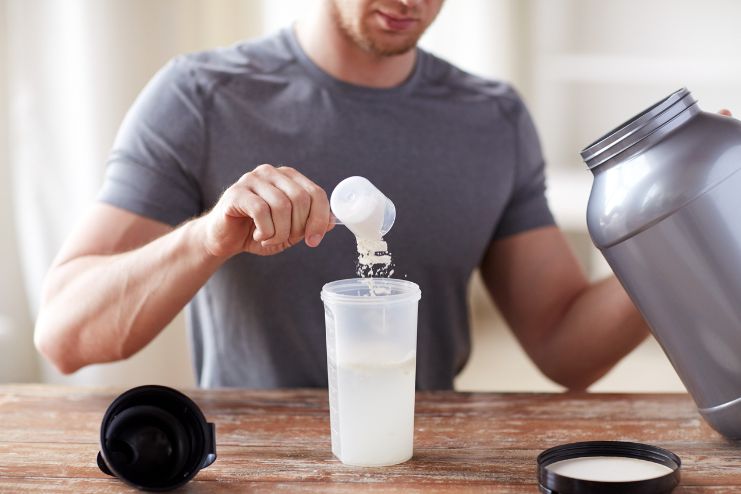
Dosage:
- Daily Dosage: 3–5 grams of creatine monohydrate daily
- Loading Phase (optional): 20g/day for 5–7 days, divided into 4 doses; not required for overall well-being.
Consistency is more important than timing—just take it every day.
With or Without Food?
Creatine is most easily absorbed when taken with carbohydrate or protein, like with food or a smoothie. This enhances delivery into muscle and brain tissue.
Stay Hydrated:
Creatine pulls water into cells, which will sometimes lead to bloating or cramping if you’re not drinking enough water. Drink a minimum of 2–3 liters of water per day to remain in balance.
Use High-Quality Creatine:
Just like with vitamins, stick with creatine monohydrate—it’s the most studied and trusted form. Find brands that are third-party verified and vegan-friendly if you dislike gelatin capsules.
Is Creatine Safe If You’re Not Lifting?
Yes—and it’s supported by decades of scientific study.
Creatine is “one of the most studied and safest supplements available,” says Houston Methodist.
Concerns Most Often Shared
- Impaired kidney function. In healthy people, creatine doesn’t lead to kidney damage. But pre-existing kidney problems need a physician’s advice.
- Water retention or bloating. Mild and transient, and disappears with repeated use and fluid intake.
- Issue of weight gain. Any gain is due to water stored within muscle cells, not fat.
For most healthy adults, creatine is safer than daily caffeine when taken properly.
When Creatine Might Not Be Necessary

While creatine is safe and beneficial for many, it’s not essential for everyone.
You might not need creatine if:
- You eat a high-meat or high-fish diet (which provides 1–2g of creatine naturally)
- You lead a very sedentary lifestyle with no movement goals
- You’re tight on budget or prefer minimalist supplementation
- You have specific health conditions (like kidney disease or ongoing medication use), and your doctor advises against it
That said, even in low-movement lifestyles, creatine may support cognition, brain health, and mood regulation.
Read More: Building Blocks of Health: Top 10 Amino Acid Supplements for Optimal Wellness
Final Thoughts
For decades, creatine has existed in the shadow of weight racks and power platforms. But new research and real-world applications are changing the story: bodybuilding isn’t necessary to reap the rewards of creatine.
Creatine does more than support muscles—it is an important part of cellular energy production, brain function, recovery, and healthy aging.
Creatine stands out because it is safe, inexpensive, and heavily researched. With a suggested dose of only 3–5 grams daily, it’s easy-going and doesn’t need to be stacked with other supplements, cycled in and out of use, or subjected to high-intensity exercise to work.
So if you’re wondering whether it’s worth taking creatine without lifting heavy, the answer is a resounding yes. It’s not about chasing personal records; it’s about supporting your body and brain in the everyday effort of living well.
References
- https://pmc.ncbi.nlm.nih.gov/articles/PMC7910963/
- https://www.webmd.com/vitamins/ai/ingredientmono-873/creatine
- https://pmc.ncbi.nlm.nih.gov/articles/PMC8228369/
- https://pmc.ncbi.nlm.nih.gov/articles/PMC11723027/
- https://pubmed.ncbi.nlm.nih.gov/21394604/
- https://www.houstonmethodist.org/blog/articles/2024/apr/creatine-how-does-it-work-is-it-safe-when-should-you-take-it/
In this Article