












Cancer is most of the time fatal, and more so if detected late. The dreaded ‘C’ word is more common now than ever, and sadly, I’ve seen how a late diagnosis can turn life-threatening. When we talk about cancers, pancreatic cancer can be one of the most discreet ones that we can discuss. I lost my close family member to pancreatic cancer, and this was also due to delayed diagnosis. By the time we could understand and treat the symptoms, the damage was done. If you, too, are worried about the symptoms and wish to know more about pancreatic cancer, read on!
Pancreatic cancer is frequently referred to as the “silent killer”, and rightfully so. It’s rapid-spreading, hard to catch in the early stages, and usually isn’t diagnosed until it’s already metastasized.
Worldwide, it’s one of the most lethal cancers, with a five-year survival rate that’s in the low single digits. But the important thing is this: when it’s diagnosed in an early stage, survival rates skyrocket because surgery and treatment are more successful in the early stages.
The catch? Pancreatic cancer symptoms are typically abstract, inconspicuous, and easily confused with common health complaints such as indigestion, tiredness, or back pain. By the time symptoms are severe, the cancer is usually well established.
This article describes eight significant symptoms you should never overlook. Not just symptoms, but also reasons why they’re frequently overlooked, who’s most vulnerable, and when to consult a physician.
Read More: Understanding Pancreatic Cancer: Symptoms, Diagnosis, and Staging
Why Pancreatic Cancer Symptoms Are Often Overlooked
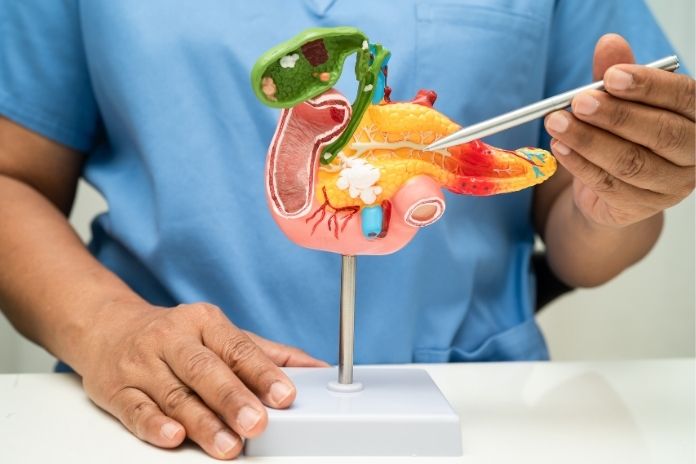
Three key factors make pancreatic cancer extremely difficult to spot early:
- Hidden Location: The pancreas is deep within the abdomen, in the back of the stomach. A tumor there can become relatively huge before you notice any overt change, you can feel or see.
- No Early Symptoms: This is the real culprit. In its early stages, pancreatic cancer can show no pain, no visible change, and only very faint metabolic disturbances.
- Overlapping Other Symptoms: We often dismiss mild gastrointestinal discomfort, back pain, or tiredness as stress, dietary fluctuations, or age. These very same symptoms can, however, also portend pancreatic cancer.
This overlap and uncertainty mean that you need to be much more observant if you have other risk factors.
Key Symptoms You Shouldn’t Ignore
These are the eight most critical warning signs to watch for, described in such detail that you’ll know whether they should concern you or not.
Unexplained Weight Loss:

Why:
Pancreatic tumors may disrupt the release of digestive enzymes, making it more difficult for your body to digest and absorb nutrients. As a result, you experience unintended, sudden weight loss, even when you’re eating normally.
How to tell the difference:
Weight loss due to diet or exercise occurs over time and is accompanied by changes in lifestyle. Weight loss due to cancer tends to occur suddenly, effortlessly, and sometimes with or without fatigue or loss of appetite.
Ongoing Abdominal or Back Pain:

Characteristics of the pain:
In pancreatic cancer, the abdominal pain is usually a dull ache in the upper belly that can extend to the mid- or lower back. It may worsen with meals or when reclining, but leaning forward can provide relief.
When to see a doctor:
Abdominal pain now and then is common, but ongoing, unexplained pain for more than several weeks, particularly when it doesn’t go away with typical cures, should be checked out by a doctor.
Yellowing of Eyes and Skin (Jaundice):
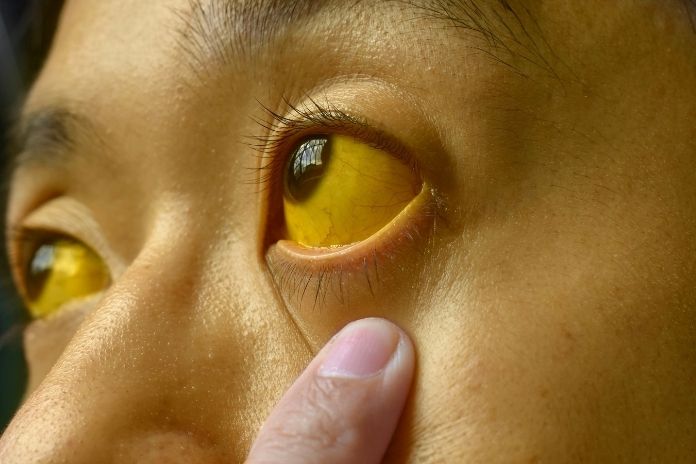
The connection:
Head of the pancreas tumors may obstruct the bile duct so that bile cannot drain from the liver to the intestines. This results in a buildup of bilirubin, causing the skin and whites of the eyes to become yellow.
Other symptoms:
You may also experience dark urine, pale-colored stools, or itchy skin. Though hepatitis or gallstones may also cause jaundice, its onset should always be investigated at once.
Read More: Early Symptoms of Pancreatic Cancer: What to Look For
Gastrointestinal Issues:

Typical issues:
Recurring symptoms such as bloating, indigestion, nausea, or loss of appetite may go unnoticed. However, these can mean that the pancreas is not secreting enough enzymes to break down food adequately.
Why it matters:
These are simple to link to diet problems or stress, but if they are new, frequent, and without a clear cause or reason, particularly with weight loss, they might be red flags.
Stool or Urine Changes:

What to check for:
- Pale, greasy stools that float. Steatorrhea is the term used for this, and it indicates that fat is not absorbed well in the body.
- Dark urine is most common because of a high level of bilirubin in the blood.
What it means: These changes can suggest that the bile duct is obstructed, which is an early indication of pancreatic or liver disease.
Sudden-Onset or Worsening Diabetes:
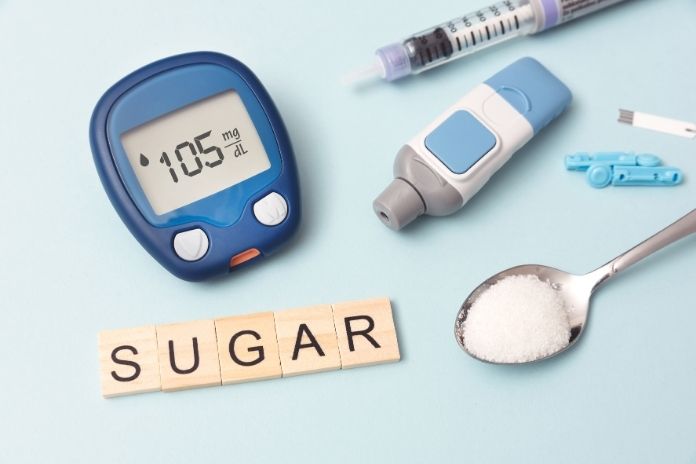
Why does it happen?
The pancreas secretes insulin. Tumor interference with this process causes sudden diabetes in someone with no risk factors or rapid deterioration of blood sugar control in someone already diagnosed.
Who’s most at risk:
This is especially worrisome in individuals over 50 who develop diabetes out of the blue and are not obese.
Blood Clots Without Obvious Reason:

The connection:
Pancreatic cancer can cause a hypercoagulable state, in which your blood clots more easily. These clots can show up in the legs (deep vein thrombosis) or travel to the lungs (pulmonary embolism).
Why it’s missed:
Physicians tend to blame clots on recent travel or trauma, but when they show up seemingly from nowhere, one should suspect underlying cancer.
Fatigue and Weakness:

Why does it happen?
Cancer leaches energy from the body by sucking energy away from other sources into tumor growth and causing chronic inflammation. Malabsorption of nutrients adds to fatigue.
When to act:
It is normal to feel tired at times, but prolonged fatigue that worsens over time or accompanies other symptoms on this list should be seen by a doctor.
Read More: New Study Finds Mechanisms By Which Pancreatic Cancer Cells Avoid Starvation
When to See a Doctor
In an interview with HT Lifestyle, Dr Kanury VS Rao, Co-Founder and Chief Scientific Officer (CSO) at PredOmix, shared, “Pancreatic cancer is often referred to as a silent disease because symptoms may not be evident during the early stages.” He added,” Early detection is crucial for pancreatic cancer as symptoms are not specific and may be caused by other conditions. Seek medical attention if symptoms persist or worsen. With early diagnosis and treatment, individuals may have a better chance of successful outcomes and improved quality of life.”
You need to get immediate medical help if:
- You have more than one of the symptoms listed above.
- Symptoms last for more than several weeks without an obvious reason.
- You have either a personal or family history of pancreatic or related malignancies.
Early treatment saves lives. If detected before spread, pancreatic cancer can occasionally be surgically removed, which greatly enhances survival.
Who’s at Higher Risk
Certain factors increase your risk of getting pancreatic cancer. Here are a few people who are at the highest risk:
Genetics and Family History:
- BRCA2 carriers
- Lynch syndrome
- Having a first-degree relative with pancreatic cancer
Medical and lifestyle risks include:
- Smoking
- Obesity
- Long-term pancreatitis
- Long-term type 2 diabetes
If you belong to a high-risk group, speak with your doctor about regular screening or monitoring.
How Pancreatic Cancer Is Diagnosed
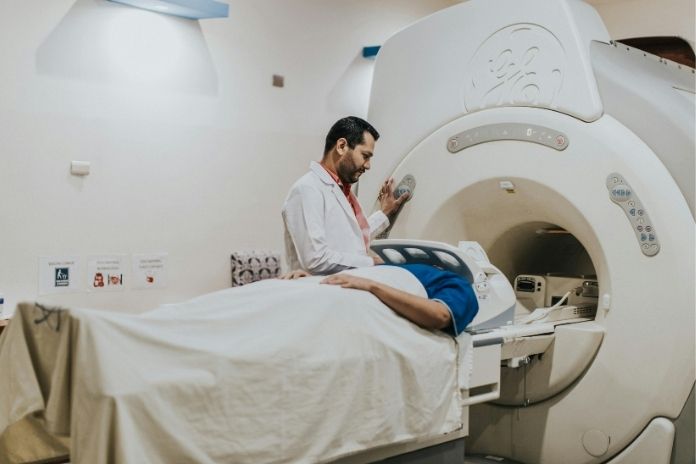
Since symptoms are non-specific, diagnosis typically involves several steps:
Imaging:
- CT scan
- MRI
- Endoscopic ultrasound (EUS) for tiny or occult tumors
Blood Work:
CA 19-9 tumor marker (not absolute, but helpful in monitoring and diagnosis)
Biopsy:
Tissue sampling by needle or surgery to determine cancer type and stage
Final Thoughts
Pancreatic cancer is dangerous, not because it’s fatal, but because it’s difficult to identify. The sooner it’s detected, the greater your chances of successful treatment.
The bottom line: Don’t dismiss continuous, inexplicable health changes. Unexplained weight loss despite diet, chronic abdominal or back pain, jaundice, changes in your digestive habits, changes in stool or urine color, sudden diabetes, blood clots, or unexplained fatigue, especially when they occur simultaneously, are all causes for concern.
Listen to your body. If something doesn’t feel “right,” get it checked. Early testing may just save your life.
References
- https://www.ncbi.nlm.nih.gov/books/NBK541055/
- https://www.webmd.com/cancer/pancreatic-cancer/manage-pancreatic-cancer-pain
- https://pmc.ncbi.nlm.nih.gov/articles/PMC9005876/
- https://www.cancerresearchuk.org/about-cancer/coping/physically/diet-problems/types/weight-loss
- https://www.medanta.org/patient-education-blog/what-are-the-symptoms-of-pancreatic-cancer
In this Article