














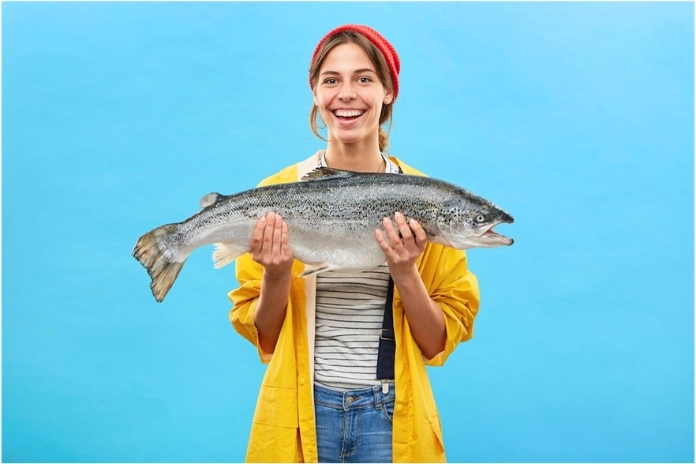
Introduction – Why Fish Is Often Called “Brain and Heart Food”
Fish has long been seen as one of the best protein foods for humans. It’s not just the lean protein part – oily fish bring omega-3 fats (EPA and DHA) that help the heart and brain work better. They calm inflammation, support blood flow, and play a role in memory and mood.
In fact, people who eat fish regularly tend to have a lower risk of heart disease and a slower decline in brain function with age. One large review showed a roughly 8–10% lower risk of heart problems among those who ate more fish. Similar patterns are seen for memory and dementia, too.
This article looks at which fish actually help most, how to choose them wisely, and simple ways to fit them into your weekly meals.
TLDR:
- Fatty fish like salmon, sardines, mackerel, and trout give the most omega-3s and help both the heart and the brain.
- Try for 2–3 fish meals a week – that’s what most heart groups suggest.
- Choose low-mercury and responsibly sourced fish when you can.
- Mix it up: fatty fish for omega-3s, lean fish for light protein – that balance works best long term.
Why Omega-3 Fatty Acids Matter for Your Heart and Brain
Before diving into specific fish, it’s worth reviewing the mechanisms: what are these omega-3s doing?
For the heart:
- EPA (eicosapentaenoic acid) and DHA (docosahexaenoic acid) are the main long-chain omega-3 fats found mostly in fish and other marine foods. They help calm inflammation in the body, support how blood vessels work, bring down triglycerides, slightly lower blood pressure, and help keep the heart rhythm steady.
- For example, one meta-analysis of 38 RCTs showed omega-3 FA consumption was associated with reduced cardiovascular mortality and other CV outcomes; and trials of EPA alone had somewhat stronger effects than EPA + DHA combined.
- Another review noted that the optimal combined intake of EPA + DHA for blood-pressure lowering may lie between ~2–3 g/d.
For the brain:
- DHA is highly concentrated in the brain – up to ~40% of total brain fatty acids in some areas.
- Higher omega-3 levels (from diet or blood biomarkers) are associated with better memory, faster processing speed, and larger structural brain volumes (in white matter and the entorhinal cortex) in recent studies.
- Observational studies: High fish intake was linked with ~18% lower risk of cognitive impairment/decline compared with low intake.
- While omega-3 supplements show mixed results for preventing cognitive decline in healthy older adults, dietary fish intake appears consistently beneficial.
Dr. Allen Taylor, chief of cardiology, also adds to this, “When I’m eating out, I almost always choose fish. It’s an easy way to get more heart-healthy omega-3s while keeping the meal lighter in both fat and calories.”
Bottom line: Eating fish gives you a package of nutrients – EPA & DHA plus protein, iodine, selenium, and vitamin D – which is superior to relying on supplements alone. Many guidelines emphasise “fish first, supplements second”.
Top 8 Healthiest Fish to Eat Regularly
Here are our top picks: each fish offers distinct benefits. (Note: sizes and local availability will vary.)
1. Salmon
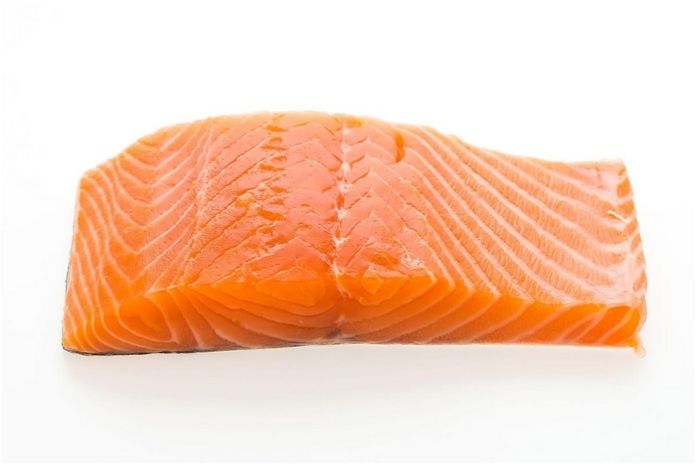
- Salmon is one of the best-known sources of omega-3 fats. Wild-caught types usually have a better nutrient balance – more EPA and DHA, and less from processed feed – but even farmed salmon still has good value.
- For heart and brain health, its fat content (mainly DHA and EPA) makes it one of the top choices. Most heart associations list salmon among the better fish to eat regularly.
- If possible, pick wild-caught. Cook it gently – baked or grilled works well – and avoid heavy charring so the good fats stay intact.
As Dr. Stephen T. Sinatra, a cardiologist, puts it simply, “choosing wild fish like salmon or sardines is a smart move for your heart. Just be mindful of high-mercury species, and when you cook fish, opt for baking or broiling instead of frying to keep the benefits intact.”
2. Sardines
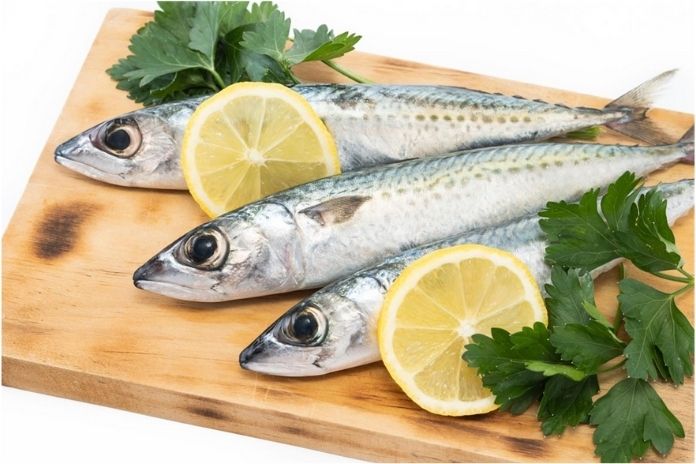
- Small, oily fish eaten whole (including bones) means you also get calcium and other trace minerals – a bonus for bone and nerve health.
- Sardines are generally low in mercury (because of their size and position in the fish-food chain) – making them a strong pick for “low mercury fish”.
- They also fall into the “sustainable seafood choices” category more easily than large predatory fish.
- Because of their size and packaging (often canned), sardines are budget-friendly and convenient.
3. Mackerel
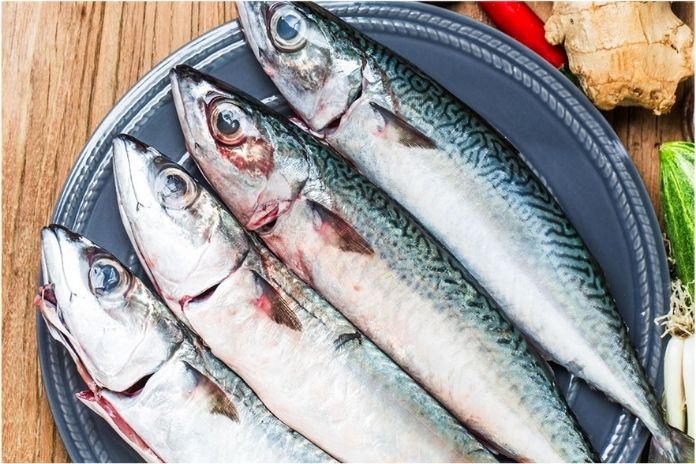
- Mackerel is especially rich in omega-3s and vitamin D; both of which support cardiovascular as well as immune, and brain health.
- Important “myth-buster”: Not all mackerel are equal. Atlantic mackerel has less mercury, so it’s better as regular food, whereas King mackerel (a larger, predatory species) has higher mercury levels and should be eaten sparingly.
- So, for “best fish for heart health,” you’d pick the lower-mercury mackerel variants.
4. Rainbow Trout

- A freshwater option that still delivers lean protein plus meaningful omega-3s – making it a strong “fish for brain health” and “heart healthy seafood” candidate.
- Trout generally has lower mercury levels compared to many saltwater large predatory fish, so it fits well into the “low mercury fish” category.
- A great choice when you want something milder tasting and a bit lower in fat (compared to salmon) but still beneficial.
5. Herring
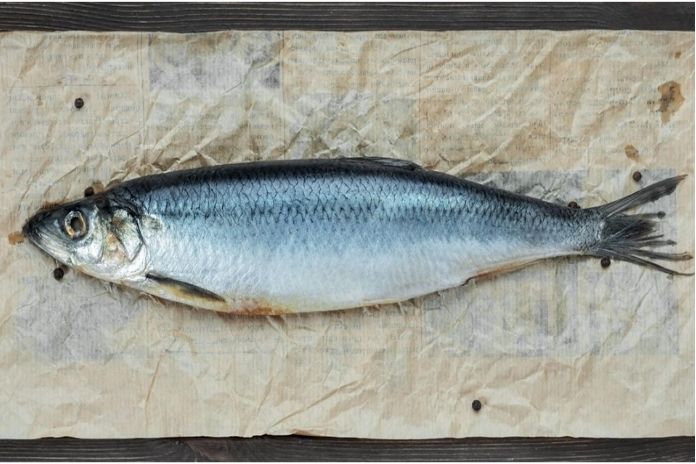
- Herring is a great option among omega-3-rich fish. It offers both high levels of EPA + DHA and vitamin D.
- Often consumed pickled or smoked (in some cultures) – for health benefits, it’s better to go for lightly processed, or simply cooked herring.
- Because of its nutrient density and low cost (in many regions), it is a smart pick for “fatty fish list” and “sustainable seafood choices”.
6. Tuna (Skipjack or Light)
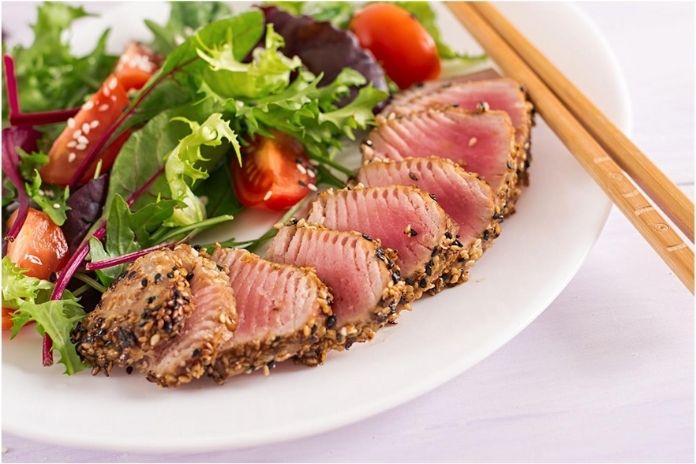
- Tuna is widely available and convenient, making it an easy way to add fish to the diet.
- Important caveat: Choose “light” tuna or skipjack tuna rather than large predatory types (e.g., bigeye or albacore) to avoid higher mercury exposure.
- While tuna offers lean protein, its omega-3 content is somewhat lower than that of the oily fish above – so it works well as part of a balanced mix of fish types.
7. Anchovies
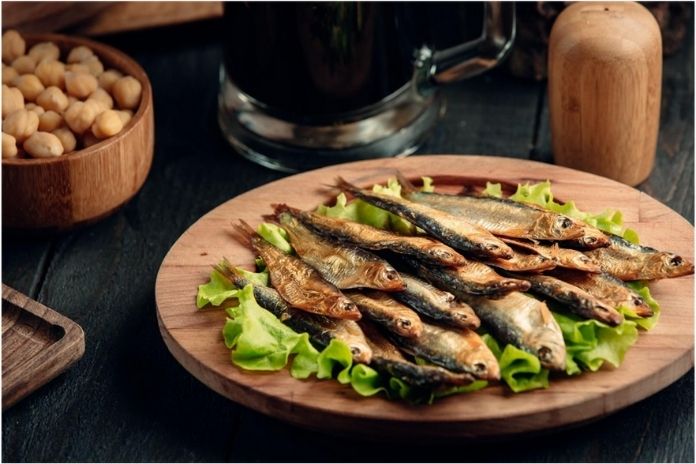
- These tiny fish pack: high omega-3, calcium (when eaten with bones), and protein.
- They are great for brain and heart health, especially when used in small amounts (toppings, sauces, salads) – perfect when you want to diversify your seafood intake.
- Because of their low position in the food chain, they are also typically lower in mercury than big fish.
8. Cod and Halibut (White Fish Category)

- These are not ultra high in omega-3s compared to the oily fish above – but they serve an important role: lean protein, fewer calories, and still beneficial when you want a lighter fish option.
- For people who may find very oily fish too rich, or who are managing calorie/fat intake, cod or halibut are excellent “fish for brain health” and “heart healthy seafood” conveyors of nutrition.
Read More: Is Shrimp Good for Weight Loss? Nutrition Facts and Health Benefits Explained
Choosing the Right Fish – Safety and Sustainability Tips
- Fish like swordfish, tilefish, or big tuna tend to carry more mercury, so it’s better to eat them occasionally. Smaller fish are usually safer for regular meals.
- Try to buy from good sources – wild-caught with proper checks, or farms that follow responsible methods.
- Don’t stick to the same type every time. Mix oily fish with lighter ones; it keeps nutrients balanced and avoids too much of any one metal or residue.
- Cooking & diet context: Choosing fish is only half the task – how you cook it, what you pair it with, and what else you eat matter.
Read More: Is Canned Tuna Healthy? Nutrition, Benefits, and Risks
The Link Between Fish Consumption and Disease Prevention
It’s one thing to talk about nutrients; it’s another to look at real-world health outcomes.
- A meta-analysis involving ~1.44 million participants across 18 papers found that fish consumption (especially fatty fish) was associated with a ~9% reduced risk of fatal and non-fatal cardiovascular disease per ~50 g/day of intake.
- A recent review emphasises that increased DHA/EPA from seafood may underlie this benefit because they reduce inflammation and platelet aggregation, and improve endothelial/vascular health.
- On cognitive outcomes: higher fish consumption was linked with lower risk of cognitive impairment/decline, and lower odds of dementia/Alzheimer’s – though evidence is stronger for dietary fish than for supplements alone.
- Important note: While fish/supplementation shows benefit, some large supplement trials show mixed or null results. Supplementation isn’t a magic bullet. Thus, dietary fish remains the preferred route.
Read More: 8 Common Side Effects of Fish Oil Supplements
Cooking Methods That Preserve Nutrients
- Bake, grill, steam, or poach – these keep the healthy fats intact without adding junk oil.
- Skip deep-frying or heavy charring; they ruin omega-3s and add harmful compounds.
- Pair oily fish with greens and a drizzle of olive oil. Spices like garlic, turmeric, or dill add flavor and extra anti-inflammatory benefits.
- Canned fish is good – just go for low-salt and decent quality.
- If it’s frozen, thaw it in the fridge, not on the counter, and cook it soon after.
Read More: Fish Oil Benefits for Weight Loss – How Does it Work?
How Much Fish Is Too Much? Mercury and Balance
Many guidelines suggest two servings of fatty fish to achieve meaningful heart/brain benefits.
And, big predator fish can build up more mercury, so keep those for once in a while. Mix in other proteins – eggs, beans, tofu, or chicken – so it’s not all fish all week.
If you’re pregnant or feeding young kids, stick with smaller, low-mercury types.
Omega-3 pills can help in some cases, but high doses have their own risks and can’t replace real food.
Practical Tips to Add More Fish to Your Diet
- Mix it smartly: Make it simple – grilled salmon with rice and greens, a quick sardine toast, or tuna-bread roll with hummus.
- Shop wisely: Canned sardines or light tuna work just fine. Frozen fillets are often cheaper and very nutritious as “fresh catch.”
- Stretch your budget: Use small portions of oily fish (for omega-3s) and add lean fish for protein balance – a practical middle ground for most homes.
- Handle it smart: If you’re not cooking the fish right away, keep it in the freezer. When you’re ready to use it, let it thaw slowly in the fridge – not under running hot water – and cook it within a day.
- Buy with awareness: Choose fish that are certified or responsibly farmed, and change up the type you buy each week. A little variety keeps meals interesting and supports sustainable fishing.
- An easy weekly rhythm: Two meals with oily fish and one with lean fish give you steady omega-3s without worrying about mercury or breaking the budget.
Read More: 6 Types of Fish That Naturally Boost Your Vitamin D Levels
Conclusion
Choosing the right fish isn’t just about flavour – it’s about looking after yourself. Fish that are rich in omega-3s and low in toxins do your heart and brain a real favour. When you pick them fresh and from responsible sources, you get more than a good meal – you get long-term health on your side.
Remember: it’s not about one “super-fish” that solves everything. It’s about smart variety, regular consumption, and overall diet context. A salmon dinner here, a sardine toast there, a trout fillet for lunch – combined with vegetables, whole grains, and healthy fats – can make a real difference.
Let fish become a steady feature on your plate, not an occasional treat. Its benefits build up quietly – healthier blood vessels, better focus, and a body that feels supported from the inside out.
FAQs
Q1. How much fish should I take every week for the heart and brain?
About two servings (roughly 100–120 g each) of oily fish per week are enough for many people to see benefits.
Q2. Taking a fish oil supplement or eating a fish – are same?
Not really! Capsules give EPA and DHA, but real fish give protein, selenium, and iodine – and studies also show better results with food.
Q3. Which fish have high mercury?
Large fish like swordfish, king mackerel, tilefish, and large tuna. Try to choose smaller fish or light tuna.
Q4. Does cooking change omega-3s?
Absolutely. Baking, steaming, or grilling are good ways to keep fats intact. Deep-frying or heavy charring breaks them down.
Q5. Can white fish alone cover my omega-3 needs?
No! They are healthy, but their omega-3 levels are low. Take fatty fish for better health support.
References
- Godos, J., Micek, A., Currenti, W., Franchi, C., Poli, A., Battino, M., Dolci, A., Ricci, C., Ungvari, Z., & Grosso, G. (2024). Fish consumption, cognitive impairment and dementia: an updated dose-response meta-analysis of observational studies. Aging Clinical and Experimental Research, 36(1).
- Khan, S. U., Lone, A. N., Khan, M. S., Virani, S. S., Blumenthal, R. S., Nasir, K., Miller, M., Michos, E. D., Ballantyne, C. M., Boden, W. E., & Bhatt, D. L. (2021). Effect of omega-3 fatty acids on cardiovascular outcomes: A systematic review and meta-analysis. EClinicalMedicine, 38(100997), 100997.
- Liao, J., Xiong, Q., Yin, Y., Ling, Z., & Chen, S. (2022). The Effects of Fish Oil on Cardiovascular Diseases: Systematical Evaluation and Recent Advance. Frontiers in Cardiovascular Medicine, 8, 802306.
- Loong, S., Barnes, S., Gatto, N. M., Chowdhury, S., & Lee, G. J. (2023). Omega-3 Fatty Acids, Cognition, and Brain Volume in Older Adults. Brain Sciences, 13(9), 1278–1278.
- Mayo Clinic. (2023, August 25). How eating fish helps your heart. Mayo Clinic.
- Mulargia, R., Ribaldi, F., Mutel, S., Sayin, O., Khachvani, G., Volpara, G., Remoli, G., Nencha, U., Gianonni-Luza, S., Cappa, S., Frisoni, G. B., & Mendes, A. J. (2025). Exploring the Preventive Effects of Omega-3 Polyunsaturated Fatty Acids Supplementation on Global Cognition: A Systematic Review and Meta-Analysis of Cognitively Unimpaired Older Adults. Clinical and Translational Neuroscience, 9(3), 34–34.
- Ricci, H., Gaeta, M., Franchi, C., Poli, A., Battino, M., Dolci, A., Schmid, D., & Ricci, C. (2023). Fish Intake in Relation to Fatal and Non-Fatal Cardiovascular Risk: A Systematic Review and Meta-Analysis of Cohort Studies. Nutrients, 15(21), 4539.
- Zhang, X., Ritonja, J. A., Zhou, N., Chen, B. E., & Li, X. (2022). Omega‐3 Polyunsaturated Fatty Acids Intake and Blood Pressure: A Dose‐Response Meta‐Analysis of Randomized Controlled Trials. Journal of the American Heart Association, 11(11).
In this Article