












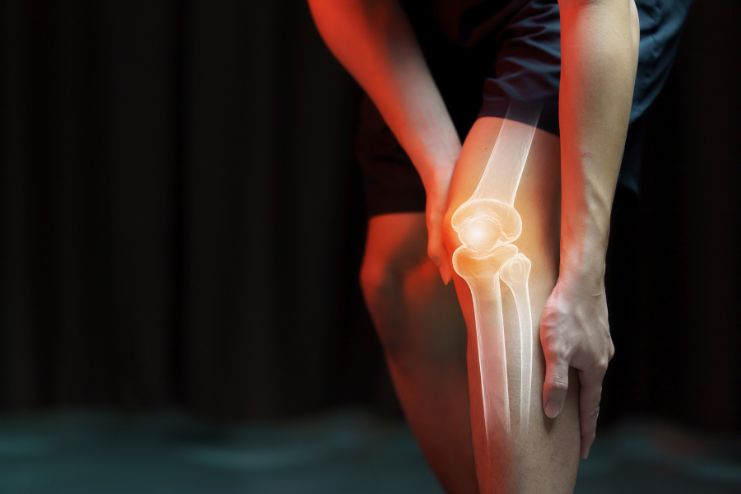
You don’t need to be a professional athlete to suffer from joint damage or pain. Your joints support your ability to walk, lift, bend, and perform all activities that keep you moving. However, our daily routines can subtly harm joint health without us realizing it.
Joint discomfort isn’t always about aging or accidents. Sometimes the real culprits are hidden in our everyday habits. The shoes you wear or how you sit might gradually damage your joints over time.
Common behaviors like poor posture, prolonged sitting, and wearing unsupportive footwear can quietly aggravate joint pain and cause long-term damage. These habits may eventually lead to joint stiffness, discomfort, or chronic pain conditions.
This article will reveal eight typical joint-damaging habits you might not realize you’re engaging in, along with expert-recommended solutions to help you make better, joint-friendly daily choices.

Read More: Collagen vs. Gelatin – Which One Should You Take for Skin & Joints?
8 Joint-Damaging Habits to Avoid
1. Sitting for Long Periods Without Movement
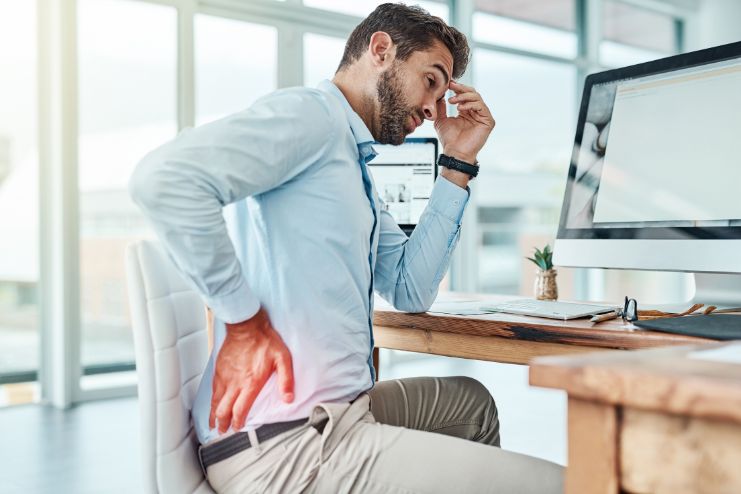
Extended sitting, whether at a desk, on the couch, or in a car, can seriously harm your joints. Americans spend more than 12 hours a day sitting on average, a trend that’s rising due to long commutes, desk jobs, binge-watching, and increased phone use.
Research analyzing thirteen studies with data from over a million individuals found that sitting for more than eight hours daily without physical activity poses a mortality risk similar to smoking or obesity. However, engaging in 60 to 75 minutes of moderate aerobic exercise daily can help offset these negative health impacts.
Prolonged sitting weakens the muscles that support your joints, leading to stiffness and reduced stability. Inactivity also increases your risk of being overweight and developing type 2 diabetes, heart disease, anxiety, and depression.
Solution: Develop the habit of standing up, stretching, or taking a walk every 30 to 60 minutes throughout the day. Consider using a standing desk or setting reminders to move regularly.
2. Poor Posture While Working or Using Devices

Hours of hunching over laptops, slouching in chairs, or craning your neck to check your phone can cause significant joint damage. According to Dr. Joel Bauman, chief of neurosurgery at Hartford HealthCare Medical Group, “We’re living digital lives and spending a lot of time on screens. Tech neck is something we see every day.”
With around 35% of US workers now working from home, many people settle for “good enough” home office setups and become careless about proper body positioning.
Poor posture compromises joint alignment, changing how your joints are compressed and creating friction points that eventually damage cartilage. Proper joint positioning allows your joints to function efficiently, prevents wear spots, optimizes movement, and distributes weight evenly.
Solution: Maintain proper posture by keeping your shoulders relaxed, back straight, and positioning screens at eye level. Develop postural awareness by regularly checking your position and making adjustments throughout the day.
Read More: 7 Tips to Protect Your Joints and Prevent Osteoarthritis Progression
3. Skipping Warm-Ups and Cool-Downs

Exercising without warming up can cause joint pain and injury. Cold, stiff muscles and joints are more prone to strains and overextension. Many people skip warm-ups when time is tight, but this corner-cutting can quietly damage joints with complications that won’t appear for months or years.
Proper warm-ups prepare your entire body for exercise by gradually increasing breathing, heart rate, and muscle blood flow. Think of your muscles like rubber bands—cold rubber bands break easily when stretched, but warming them makes them flexible and resilient.
Cool-downs are equally important for recovery and pain reduction. An effective cool-down gradually brings your heart rate down and helps muscles relax, minimizing soreness and injury risk.
Solution: Always include 5-10 minutes of dynamic warm-up before exercise and gentle stretching afterward. Never skip these crucial components of your workout routine.
4. Wearing Unsupportive Footwear (Even Indoors
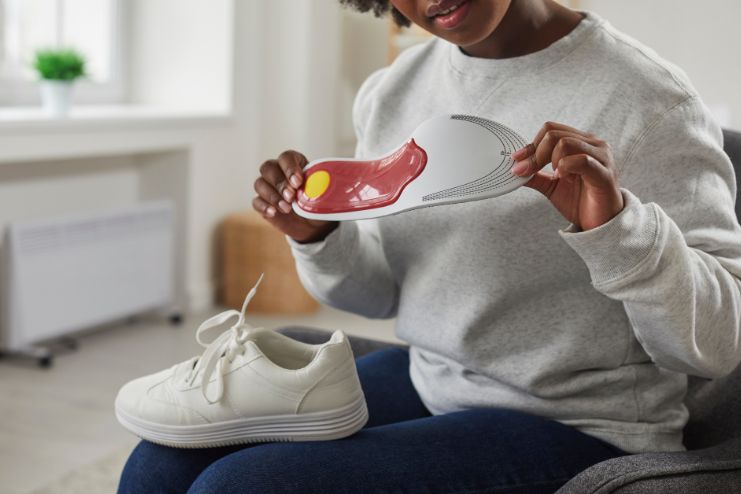
Many people don’t consider how their shoes impact their health beyond style and comfort. However, according to Dr. Allison Rottman, a podiatrist at Banner University Medicine, “Poor footwear can cause improper alignment and function of joints, tendons, and ligaments throughout the body, stressing the back, knees, hips, and feet by placing them in unnatural positions.”
Each foot contains 26 bones, 33 joints, and over 100 muscles, tendons, and ligaments—plus thousands of nerve endings that provide vital information to your brain. Given this complexity, supportive footwear is essential for optimal function.
Shoes without adequate support can lead to calluses, bunions, foot pain, and even back pain. The effects travel up your body, affecting your entire musculoskeletal system.
Solution: Invest in supportive shoes with proper arch support, even for indoor wear. Consider orthotic insoles if needed, and replace worn-out shoes regularly.
Read More: Top 5 Orthopedic Knee Pillows to Alleviate Discomfort and Improve Sleep
5. Carrying Heavy Bags on One Shoulder

Carrying a heavy bag on one shoulder daily might seem harmless, but it quietly damages joints by throwing off your posture and creating imbalance. This forces you to tilt or lean to one side, leading to persistent poor posture problems.
The shoulder’s ball-and-socket joint allows extensive movement, but inflammation of any bones or soft tissues in this system can cause pain. Heavy bags cause uneven weight distribution, affecting posture and potentially causing shoulder, back, and neck pain. Repeated muscle strain may lead to shoulder tendinitis and inflammation.
Heavy backpacks are particularly problematic for students—specialists report that 85% of college students experience pain or discomfort from backpack use, with around 2,000 backpack-related injuries occurring annually.
Solution: Use a backpack with both straps or alternate shoulders if using a single-strap bag. Keep only essentials in your bag to minimize weight, and consider using a rolling bag for heavier items.
6. Ignoring Minor Aches and Pains

We often overlook slight shoulder or knee pain, especially if it disappears quickly. However, joint discomfort is your body’s way of alerting you to problems. Ignoring these warnings and pushing through pain can lead to more serious issues.
Many adults dismiss joint pain as an inevitable part of aging, but this thinking can cause serious, sometimes irreversible problems. Early treatment of joint pain is crucial to prevent worsening and maintain quality of life.
Untreated joint pain can accelerate cartilage deterioration and worsen arthritis, potentially causing long-term deformity and joint degeneration. This can gradually limit independence and functioning, making simple activities like walking, bending, or dressing difficult.
Solution: Use the RICE method (Rest, Ice, Compression, Elevation) for minor joint pain to reduce swelling and speed recovery. If pain persists or worsens, see a healthcare provider immediately. Early intervention can prevent permanent joint damage.
7. Lack of Strength Training
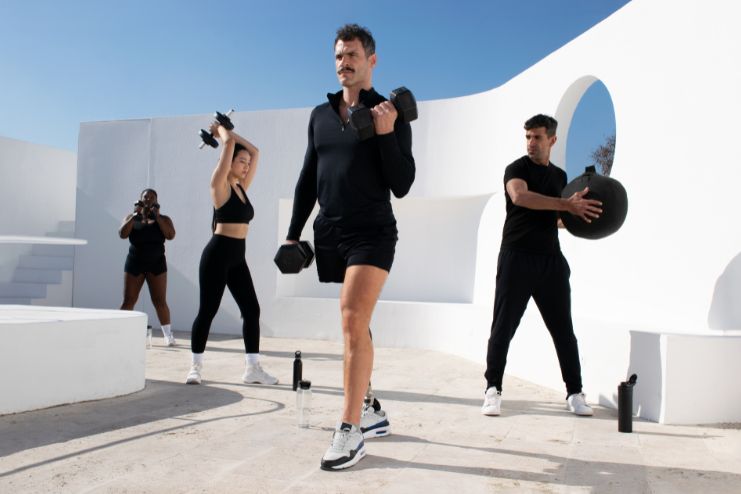
Skipping strength training harms your joints, despite the common myth that weightlifting causes joint damage. Numerous scientific studies demonstrate that weightlifting and strength training actually strengthen joints, muscles, and bones.
Research shows that strength training can help alleviate arthritis-related discomfort over time. Studies indicate that weightlifting reduces joint pain, with arthritis patients who lift weights experiencing less pain overall.
Weak muscles mean more pressure on joints during movement. Strong muscles provide better support and stability for your joints, reducing wear and tear during daily activities.
Solution: Include two to three strength training sessions per week using resistance bands, light weights, or bodyweight exercises. Focus on low-impact exercises that build joint-supporting muscle strength without excessive stress.
8. Poor Diet and Hydration Habits
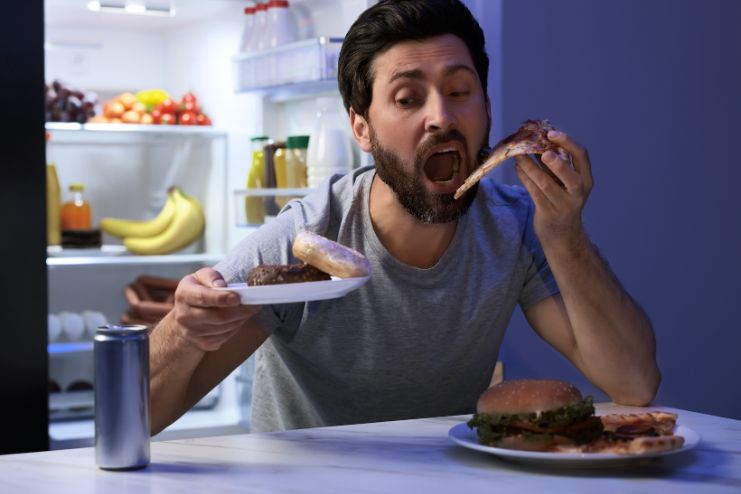
Joint health depends significantly on your diet and hydration. Up to 75% of Americans are dehydrated, and chronic dehydration can contribute to long-term health problems, including joint issues.
Proper hydration helps natural processes supply nutrients to cells and protects organs and tissues. Good hydration improves blood volume and circulation, reducing recovery time and supporting joint lubrication.
Your diet directly impacts joint health through weight management and inflammation control. Every day, your knees, hips, spine, and foot joints bear your body weight. Excess weight increases joint stress and strain, raising injury risk.
Solution: Stay well-hydrated throughout the day and maintain a balanced diet rich in anti-inflammatory foods like omega-3 fatty acids. Limit processed foods and manage portion sizes to maintain a healthy weight.
Bonus: Are You Overdoing Certain Movements?
Repetitive strain injuries result from performing the same actions repeatedly, whether at work (typing, heavy lifting) or in sports (running, weightlifting). Overuse injuries can cause pain, stiffness, and reduced range of motion in wrists, knees, shoulders, and elbows.
Early warning signs of overuse include recurring tenderness, swelling, weakness, or pain that worsens with activity. Ignoring these signs can lead to long-term joint problems.
Solution: Monitor your body for overuse symptoms and modify activities accordingly. Use proper form, take regular breaks during repetitive activities, and vary your exercise routine to prevent overuse injuries.
Read More: The Ultimate Arthritis Toolkit: 12 Products That Provide Comfort
Conclusion
Your joints are unsung heroes that endure significant strain with every step, lift, and stretch. While it’s easy to attribute joint pain to aging or genetics, daily habits significantly impact how well your joints function over time.
Consider your joints as lifelong companions on your wellness journey. Neglecting them can ultimately limit your performance and daily activities, while caring for them will keep you moving with ease and vigor.
The best part? You don’t need to overhaul your entire lifestyle. Simple conscious adjustments—like regular strength training, supportive footwear, improved posture, and proper hydration—can make a significant difference in your joint health for years to come.
References
- https://creakyjoints.org/living-with-arthritis/habits-bad-for-joints
- https://drrameshwarkumar.in/hidden-habits-that-are-making-your-knee-pain-worse
- https://www.gardenstatepain.com/post/everyday-habits-that-may-be-harming-your-joints
- https://www.merithealthrankin.com/news-room/moving-every-30-minutes-could-offset-harms-of-prol-19673
- https://www.betterhealth.vic.gov.au/health/healthyliving/the-dangers-of-sitting
- https://www.mayoclinic.org/healthy-lifestyle/adult-health/expert-answers/sitting/faq-20058005
- https://www.lispinemed.com/2021/03/17/is-your-bad-posture-contributing-to-your-back-and-joint-pain
- https://www.pewresearch.org/short-reads/2023/03/30/about-a-third-of-us-workers-who-can-work-from-home-do-so-all-the-time
- https://stvincents.org/about-us/news-press/news-detail?articleId=55942&publicid=395
- https://shorephysiciansgroup.com/exercise-smart-how-proper-warm-ups-and-cool-downs-safeguard-your-joints-and-muscles
- https://premiumsoc.com/the-importance-of-warm-up-and-cool-down-exercises-in-preventing-sports-injuries
- https://www.bannerhealth.com/healthcareblog/better-me/7-common-shoe-mistakes-that-could-be-crushing-your-feet
- https://myfootdoc.com/are-your-slippers-sabotaging-your-feet
- https://wholefamilychiropractic.com/the-dangers-of-wearing-unsupportive-footwear
- https://doctors.bannerhealth.com/provider/allison-rottman/755511
- https://uihc.org/health-topics/your-backpack-too-heavy
- https://illinoisbackpain.com/why-ignoring-joint-pain-is-never-the-answer
- https://www.health.harvard.edu/newsletter_article/exercise-and-your-joints
- https://www.health.harvard.edu/staying-healthy/strength-training-builds-more-than-muscles
- https://www.orthopedicassociates.org/dehydration-and-joint-pain-how-your-hydration-is-affecting-joint-health
- https://joshuaharrismd.com/the-link-between-your-diet-and-joint-health
In this Article