













Have you ever woken up with puffy, swollen lips and wondered why? You’re not alone. Sudden lip swelling, commonly referred to as “fat lips,” can occur without warning for various unexpected reasons. Lifestyle factors, genetics, and even dietary habits can sometimes affect lip volume and appearance.
Cosmetically, this condition can significantly alter your facial appearance and impact your self-esteem, especially if the swelling is noticeable, painful, or persistent. Many people seek effective solutions to address this issue, ranging from professional treatments like lip reduction procedures to natural remedies and simple home treatments.
Beyond comfort considerations, taking early action on swollen lips can prevent complications such as infection or severe allergic reactions from escalating.
If you’ve ever wondered how to reduce lip swelling or have been searching for methods to decrease lip size naturally, this article is for you.
Common Causes of Fat Lips
Several factors can contribute to lip swelling:
- Allergic Reactions: Allergies to specific foods, medications, insect bites, or stings frequently cause lip swelling. Common food allergens include milk, eggs, peanuts, and seafood. Certain medications like penicillin and other antibiotics can also trigger allergic reactions that result in swollen lips.
- Infections and Skin Conditions: Pimples on or around the lips can cause localized swelling. Cold sores caused by the herpes simplex virus, canker sores, and other viral infections like those caused by the Coxsackie virus can also lead to lip inflammation.
- Sun Exposure: Prolonged exposure to intense sunlight without proper protection can result in sunburned, swollen lips.
- Medical Conditions: Various conditions affecting facial muscles and nerves can result in puffy lips. Musicians who play wind instruments requiring prolonged lip positioning may experience swelling due to repetitive stress on the lip tissues.
- Dental Procedures: Swollen lips may appear following orthodontic treatments or other dental procedures. Mouth or gum infections can also cause lip swelling and oral inflammation.
8 Effective Remedies to Get Rid Of Fat Lips
1. Cold Compress
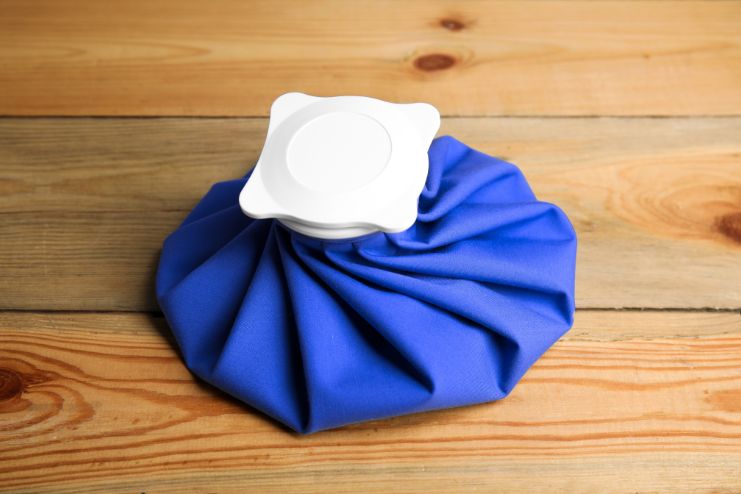
Applying a cold compress helps reduce inflammation by numbing the affected area and constricting blood vessels. Wrap ice, a cold pack, or a bag of frozen vegetables in a clean towel and apply it to your swollen lip.
According to University of Rochester Medical Center, for the first 24 hours, apply ice to your swollen lip every one to two hours for 10 to 15 minutes at a time.
2. Aloe Vera Gel
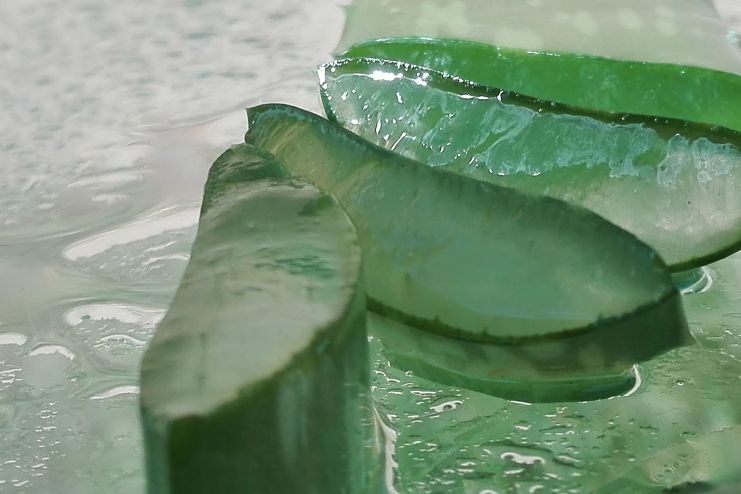
Aloe vera soothes irritated skin and helps reduce swelling, particularly after allergic reactions or sunburn. This versatile remedy can reduce both inflammation and burning sensations.
Apply pure aloe vera gel to the swollen lip after cold compress treatment. Reapply throughout the day as needed. While many sources recommend aloe vera for reducing swelling, it’s important to note that scientific evidence supporting this use is limited.
3. Honey

Applying honey to the affected area can effectively help reduce the appearance of swollen lips. Honey is a natural humectant with properties that may help draw excess fluid from swollen tissues through osmosis.
This process can reduce puffiness and inflammation while allowing healing lymphatic fluid to flow into the area. Honey’s natural antibacterial and anti-inflammatory properties may also help prevent infection and ease irritation, making it a gentle yet potentially effective remedy for swollen lips.
4. Anti–Allergy Medication
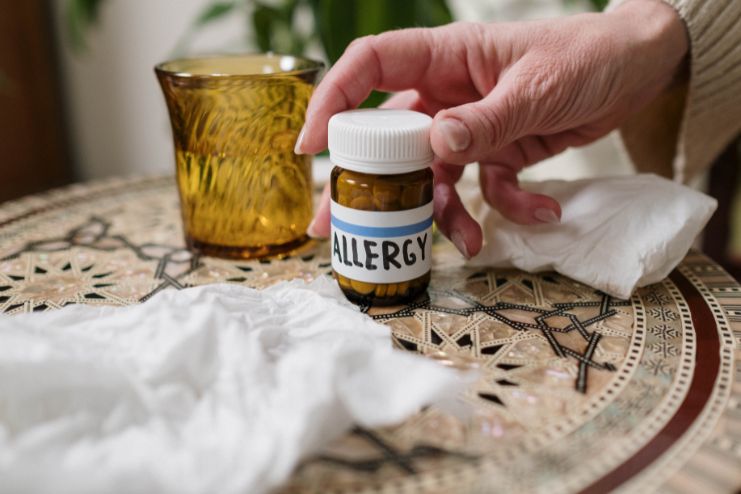
If your lip swelling results from allergies, take the allergy medication recommended by your doctor or an over-the-counter antihistamine such as diphenhydramine (commonly known by the brand name Benadryl). Always follow the dosing instructions on the product label and consult with a healthcare provider if you’re unsure.
5. Turmeric

A paste made by combining turmeric powder with water may provide additional relief for swollen lips.
According to the Linus Pauling Institute at Oregon State University, curcumin, the active compound in turmeric, has been used to treat various types of inflammation throughout the body, including pain and inflammation associated with dental conditions such as gingivitis.
6. Tea Tree Oil
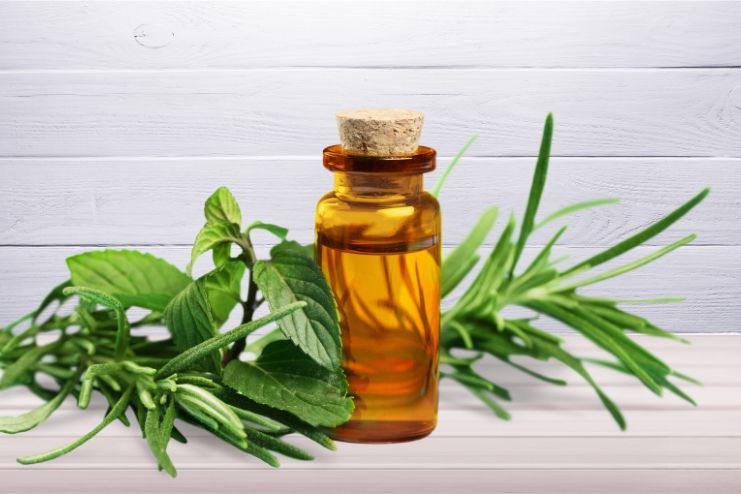
If your lips are swollen due to infection or insect bites, tea tree oil may serve as an effective natural remedy. It’s particularly known for its antibacterial and anti-inflammatory properties, which may help reduce swelling and redness while preventing infection.
Important: Tea tree oil must always be diluted with a carrier oil, such as coconut or olive oil, before applying to the skin, as undiluted tea tree oil can cause irritation.
7. Baking Soda Paste
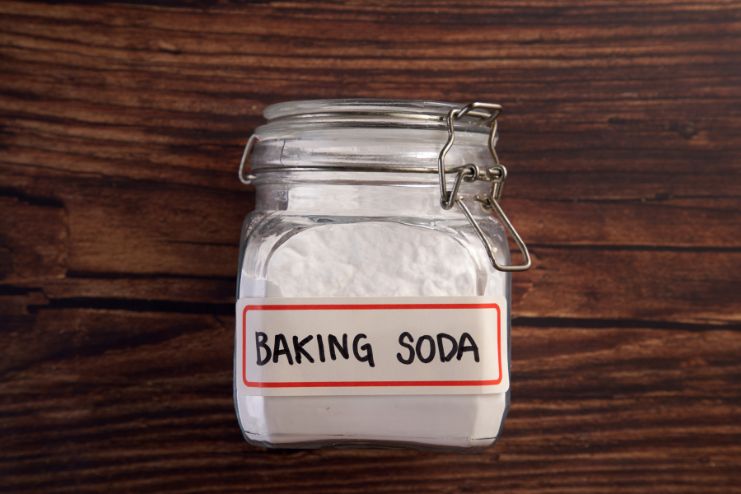
According to the University of New Hampshire, applying a paste made from baking soda may help alleviate itching from bee stings that cause lip swelling. Mount Sinai also suggests it may help treat canker sores inside the mouth or on the lips.
To create the paste, mix one tablespoon of baking soda with enough water to form a thick consistency, then apply to the affected area.
While no specific research has been conducted on baking soda paste for lip swelling, it may be worth trying if other treatments haven’t been successful.
8. Apple Cider Vinegar Solution
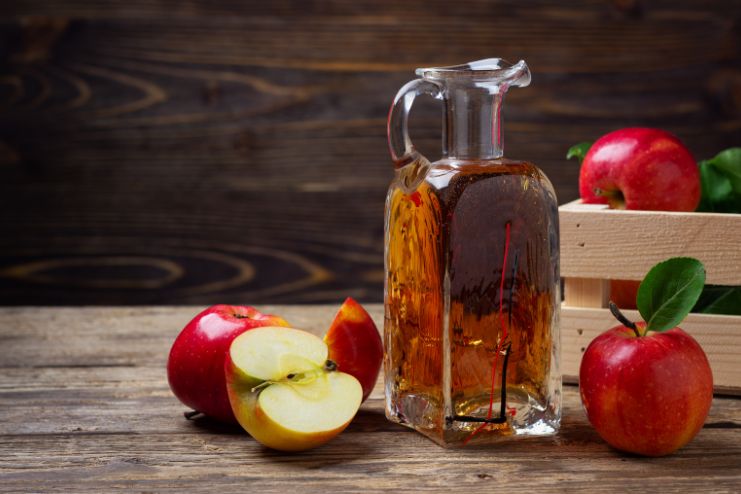
Some experts recommend diluted apple cider vinegar (ACV) for treating lip discoloration and reducing swelling, though this treatment requires careful consideration and proper dilution.
Caution: Because ACV is highly acidic, it must always be significantly diluted with water before skin application to prevent chemical burns or irritation.
Prevention Tips to Avoid Fat Lips
The primary prevention strategy for swollen lips is awareness and avoidance of common triggers. If you know you have allergies to specific foods, insect bites, or cosmetic products, take care to avoid these triggers to prevent allergic reactions that cause swelling.
Always apply lip balm with SPF protection before going outdoors. The delicate skin on your lips is particularly vulnerable to sunburn, which can lead to swelling and inflammation. Additionally, maintaining proper hydration is important, as dehydrated, cracked lips are more susceptible to irritation and swelling.
Choose gentle, fragrance-free makeup and skincare products. Fragrances and harsh chemicals can trigger allergic reactions or sensitivity in the lip area.
For those engaged in contact sports or activities with potential facial impact, using appropriate protective gear like mouthguards can prevent trauma-related swelling. Adopting these simple preventive measures can significantly reduce the likelihood of waking up with unexpectedly swollen lips.
Conclusion
While dealing with swollen lips can be uncomfortable, numerous natural remedies such as cold compresses, aloe vera, and honey can provide quick relief with minimal effort. These treatments are ideal for addressing minor lip swelling caused by allergies, minor injuries, or infections, as they’re readily available and gentle on the skin.
However, seek immediate medical attention if the swelling is severe, persists for several days, or is accompanied by difficulty speaking, breathing, or swallowing. These symptoms may indicate a serious infection or severe allergic reaction requiring professional medical evaluation.
Care for your lips with the same attention you give to the rest of your body. Have you tried any of these remedies? Share your experiences in the comments below—your story might help others find the relief they need!
References
- https://www.livestrong.com/article/200120-how-to-get-rid-of-a-fat-lip-fast/
- https://www.harleyscosmeticclinic.com/how-to-reduce-lip-fat/
- https://www.tuasaude.com/en/swollen-lips/
- https://www.carehospitals.com/symptoms/swollen-lips
- https://www.urmc.rochester.edu/encyclopedia/content?ContentTypeID=90&ContentID=P02836
- https://www.medicalnewstoday.com/articles/326119
- https://www.wikihow.com/Treat-a-Fat-Lip
- https://lpi.oregonstate.edu/mic/dietary-factors/phytochemicals/curcumin
- https://www.livestrong.com/article/200120-how-to-get-rid-of-a-fat-lip-fast/
In this Article