













Many people turn to sleeping pills to address temporary stress, jet lag, or other issues that prevent them from falling asleep at night. But are sleeping medications truly safe?
Sleeping pills can help you get some rest and are commonly prescribed for sleep disorders like insomnia. These medications can also prevent you from waking up frequently throughout the night.
However, according to John Cline, PhD, a diplomat of the American Board of Sleep Medicine and licensed clinical psychologist specializing in sleep medicine, consumers must be aware of the serious side effects and risks that sleeping pills carry, even when used responsibly. They are not a “cure-all” for sleep problems, and it’s essential to use them judiciously.
In this article, we’ll explore the short- and long-term effects of sleeping pills on your body, examine seven significant side effects, and discuss safer, natural alternatives to improve your sleep quality without compromising your health.
Read More: The Connection Between Sleep Disorders and Diabetes
How Sleeping Pills Work in the Body
Each type of sleeping medication functions differently. While some sleep aids make you drowsy, others suppress the areas of your brain responsible for maintaining alertness.
Most over-the-counter sleep medications contain antihistamines. These substances prevent your body from producing histamines, which naturally keep you alert. Common antihistamines in sleep aids include doxylamine and diphenhydramine.
Natural sleep aids work differently depending on their active ingredients. Melatonin, a hormone that influences your sleep-wake cycle, can help regulate when you fall asleep and wake up. Valerian root naturally calms your nervous system, promoting better sleep quality.
The 7 Side Effects of Sleeping Pills You Shouldn’t Ignore

1. It’s Easy to Develop Tolerance
According to Preeti Devnani, MD, a staff physician at the Cleveland Clinic Sleep Disorders Center, your body adapts to the medication after taking prescription sleeping pills for an extended period.
As tolerance develops, you need increasingly higher doses to achieve the same sleep-inducing effect. Dr. Devnani recommends using sleeping aids only “as needed” rather than nightly. It’s best to avoid using sleeping pills for more than two weeks, as they’re designed to help restore normal sleeping patterns, not for long-term dependency.
2. Dangerous Drug Interactions
Dosage is crucial when it comes to sleeping medications. You should avoid combining sleeping pills with other medications that cause drowsiness, including sedating antihistamines, certain antidepressants, and anti-anxiety medications.
Alcohol is particularly dangerous when mixed with sleeping pills. Combining alcohol with sleep medications can cause severe respiratory depression and, in extreme cases, can be fatal. Both substances depress the central nervous system, and their combined effect can be life-threatening.
Always consult your doctor before taking sleeping pills alongside your current medications.
Read More: Effect of Sleep Disorders on Mental and Physical Health
3. Abnormal Sleep Behaviors
Sleeping pills increase the risk of dangerous nocturnal behaviors, including sleepwalking, sleep talking, sleep eating, and even sleep driving. According to the Sleep Foundation, these parasomnias—abnormal behaviors during sleep—are among the most concerning side effects.
The risk increases with higher doses, making it crucial to take the medication exactly as prescribed. Different types of sleeping medications carry varying risks: Z-class medications like Zolpidem or Zaleplon can cause memory problems, dizziness, and next-day sedation, while Orexin antagonists like Suvorexant may lead to excessive daytime sleepiness or vivid dreams.
4. Gastrointestinal Issues
Certain sleeping medications, including both prescription and over-the-counter options, can cause digestive problems such as diarrhea or constipation. Some people also experience these issues with melatonin supplements.
Other potential side effects include difficulty urinating, dry mouth or throat, decreased libido, and possible weight gain with excessive use. Medical professionals typically avoid prescribing these medications to children and teenagers due to the risk of severe adverse effects.
Read More: Can Melatonin Supplements Harm Your Sleep Cycle Long-Term
5. Complex Sleep-Related Behaviors
People taking certain sleeping pills may engage in complex behaviors while not fully conscious, such as preparing food, sending text messages, or even leaving their homes. These activities occur without any memory of the experience and can be extremely dangerous.
Since you’re unconscious during these episodes, there’s a high risk of injury or embarrassing situations. If you or a family member notices such behaviors, it’s crucial to discontinue the medication under medical supervision immediately.

6. Daytime Drowsiness and Brain Fog
The most common side effect of sleep medications is waking up feeling excessively sleepy or groggy the next morning. This occurs because some medications remain active in your system well into the day, interfering with natural wakefulness.
This “sleep hangover” can impair concentration, decision-making abilities, and alertness during important activities. The effect significantly impacts quality of life and productivity, especially with longer-acting medications or higher doses. If sleeping pills consistently leave you feeling drowsy, they may be causing more harm than benefit.
Read More: How To Stop Sleeping Too Much? 11 Ways to Stop Oversleeping
7. Mood Changes and Depression
Regular use of sleeping pills can lead to mood swings, irritability, and depression. These medications can disrupt neurotransmitter balance in the brain, leading to emotional instability.
For individuals with a history of mental health conditions, sleeping pills may worsen existing symptoms or trigger new ones. Warning signs include sudden episodes of sadness or anger, social withdrawal, loss of interest in activities, and in severe cases, suicidal thoughts.
Long-term use significantly increases the risk of these effects. If you experience mood changes after starting sleep medications, consult a healthcare professional immediately.
Who Should Avoid Sleeping Pills?
Like most medications, sleeping pills can cause side effects that may not become apparent until after you begin using them. Your doctor can help identify potential risks based on your medical history.
People with certain conditions should be particularly cautious:
- Respiratory conditions: Those with asthma, emphysema, or chronic obstructive pulmonary disease (COPD) may find sleeping medications harmful, as they can interfere with normal breathing patterns.
Common prescription sleep medications—including Ambien, Halcion, Lunesta, Rozerem, and Sonata—may cause additional side effects such as:
- Tingling in hands, arms, feet, or legs
- Appetite changes
- Balance problems
- Dry mouth or throat
- Gas and bloating
- Headaches
Natural Alternatives and Safer Sleep Remedies
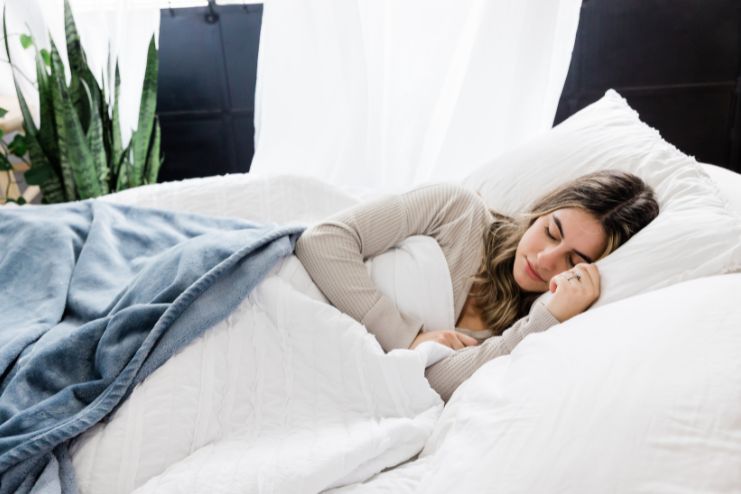
Fortunately, there are simple, natural solutions to improve sleep quality, according to Charlene Gamaldo, M.D., medical director of the Johns Hopkins Center for Sleep at Howard County General Hospital. If you’re concerned about the risks of sleeping medications, several safe and effective natural alternatives can help.
Bedtime Beverages
Dr. Gamaldo suggests warm milk, chamomile tea, and tart cherry juice for those struggling with sleep. While scientific evidence for their sleep-promoting effects is limited, these beverages pose no risk and may provide benefits for patients seeking treatment without adverse effects.
Warm milk contains compounds that may mimic tryptophan’s effects on the brain—a molecular building block for serotonin, which plays a crucial role in the sleep-wake cycle.
Exercise
Regular physical activity can significantly enhance sleep quality. Moderate aerobic exercise increases the amount of deep sleep you get each night.
However, timing matters. Exercise raises your core body temperature, signaling to your body that it’s time to be active. Avoid vigorous exercise within two hours of bedtime if you have trouble falling asleep.
Melatonin Supplements
The pineal gland in your brain produces melatonin, a hormone that regulates sleep. It plays a vital role in your circadian rhythms—the 24-hour sleep-wake cycles that control when you feel alert, tired, and ready for sleep.
Various factors can suppress melatonin production, including aging, certain medical conditions, and especially nighttime light exposure. Since low melatonin levels can disrupt sleep, approximately two-thirds of American adults have tried melatonin supplements.
Magnesium
Research indicates that magnesium levels affect both sleep quantity and quality. While most people get adequate magnesium from whole grains, avocados, bananas, nuts, seeds, beans, and milk, some prefer supplements to ensure optimal levels.
Limited studies on insomnia in older adults suggest that magnesium supplements may help address age-related sleep disturbances.
Read More: What Sleeping Position Says About Personality? 10 Astonishing Results!
Conclusion
While it might be tempting to rely on sleeping pills for quick relief, understanding the risks is the first step toward making informed decisions about your health. Rather than depending on medications that can have serious side effects, consider natural, sustainable approaches to improve your sleep quality.
Simple changes in routine and behavior—such as practicing basic mindfulness exercises, enjoying a cup of relaxing herbal tea, and maintaining a consistent sleep schedule—can significantly improve your rest. By exploring and implementing various natural options, you can take control of your sleep while supporting your overall health and well-being.
References
- https://www.webmd.com/sleep-disorders/understanding-the-side-effects-of-sleeping-pills
- https://my.clevelandclinic.org/health/treatments/15308-sleeping-pills
- https://clinicalneuropsych.com/doctors/john-c-cline-ph-d/
- https://www.everydayhealth.com/news/risks-taking-sleeping-pills/
- https://www.sleepfoundation.org/sleep-aids/side-effects-of-sleeping-pills
- https://www.medparkhospital.com/en-US/lifestyles/sleeping-pills
- https://www.goodrx.com/conditions/insomnia/sleeping-pill-faqs
- https://www.webmd.com/sleep-disorders/understanding-the-side-effects-of-sleeping-pills
- https://www.hopkinsmedicine.org/health/wellness-and-prevention/natural-sleep-aids-home-remedies-to-help-you-sleep
- https://www.sleepfoundation.org/sleep-aids/natural-sleep-aids
- https://www.webmd.com/women/natural-sleep-remedies
In this Article