














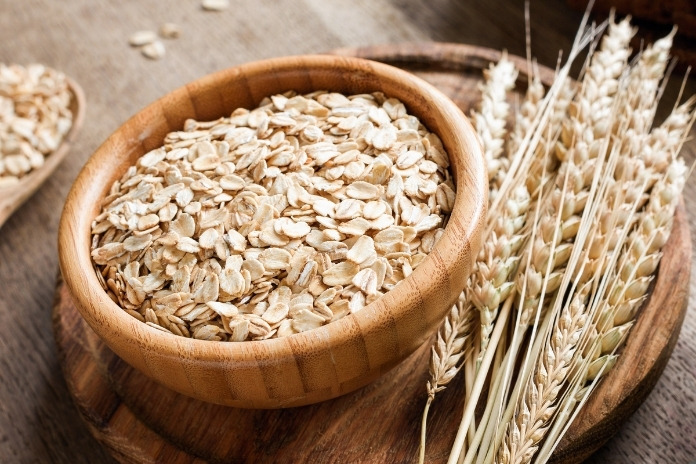
As we age, maintaining a balanced diet is essential for our health and well-being. One type of food often raved about among older adults is oats because of their high nutritional value and the ease with which they can be prepared.
Oats are recognized worldwide as one of the healthiest foods available and contain many essential nutrients, including a high amount of dietary fiber. The fiber content makes oats an excellent food choice for people trying to manage weight and control blood sugar levels.
A person with diabetes can use oats to help maintain optimal glucose levels when consumed appropriately. However, while oats are generally a healthy food, experts warn that too much of a good thing can have adverse effects. For this reason, you should have a balanced approach to oats, not a blind one.
In the sections to follow, we’ll talk about evidence-backed drawbacks, ways to help people moderate their consumption, and a choice about oats without demonizing or eliminating them from a balanced diet.
Read More: Chia Seed Pudding vs. Overnight Oats: Which Is Better for Your Health?
1. Oats Can Cause Bloating and Digestive Discomfort
A beloved breakfast favorite worldwide, oats are not only delicious but also highly nutritious. Since they are rich in fiber and other nutrients, they support digestion, weight management, and heart health.
The high soluble fiber content of oats is beneficial to digestive health. The abrupt increase in fiber in your diet, however, may cause bloating or gas if you’re not used to eating oats regularly.
For those who are lactose intolerant, eating oatmeal with milk or other dairy products can lead to intestinal problems. Specific symptoms of gas or bloating may appear because their bodies are unable to digest lactose effectively.
2. Eating Oats Daily May Affect Blood Sugar for Some People
Oatmeal has a lot of carbs. Your body breaks down the carbohydrates in oats into glucose, which is then released into your bloodstream, increasing blood sugar levels. However, the sort of oatmeal you eat affects how much of an increase there is.
“Less processed varieties, like steel-cut oats, are digested slowly, causing a more gradual rise in blood sugar levels,” says Rachael Ajmera, MS, RD, dietitian, writer, and founder of Nutrimental.
Processed oats, like rolled or instant oats, are digested much more quickly. Research indicates that eating minimally processed oats, like steel-cut oats, results in a considerably smaller increase in blood sugar and insulin after a meal.
3. Phytic Acid in Oats Can Reduce Mineral Absorption
High phytic acid content in oats can significantly limit mineral absorption. However, appropriate preparation techniques can counteract these effects, according to clinical research investigating the impact of oats’ phytic acid on mineral absorption when ingested regularly.
Studies show that the high phytic acid content in oat products significantly reduces the absorption of non-heme iron.
The amount of phytic acid in cereal-based meals has a negative correlation with zinc absorption; when phytic acid levels are high, oatmeal porridge has the lowest zinc absorption (8.4%).
4. Oats May Not Provide Enough Protein for Daily Breakfasts
You should calculate the amount of protein you need daily based on your weight. For most people, the daily recommended amount of protein is 0.8 grams per kilogram of body weight (0.8 grams per kilogram per day).
Although oatmeal contains some protein, it provides slightly less than the amount typically recommended for a meal. For every half cup of uncooked large-flake oats, there are 8 grams of protein. Consequently, this quantity is lower than the recommended 20-30 grams of protein per meal.
Read More: Steel-Cut vs. Rolled Oats: Which One Is Healthier and Better for You?
5. Cross-Contamination Makes Oats a Problem for Gluten-Sensitive People
Though oats are gluten-free themselves, they can become contaminated with gluten at the stages of harvesting, storing, processing, and packing when coming into contact with wheat, barley, or rye.
Even just a hint of gluten can provoke upset stomach, inflammation, or malabsorption of nutrients, more so than in older adults who have celiac disease or gluten sensitivity. Certified gluten-free oats, on the other hand, undergo more careful handling, which reduces the risk of cross-contamination. Thereby, gluten-free oats can actively support your gut health while still offering the benefits oats provide.
6. Eating Oats Every Day Can Crowd Out Nutrient Variety
Eating a bowl of oats for breakfast daily can be a deprivation of something else; oats can take the place of another wholesome food your body needs.
Oats can provide fiber and some minerals, but when we overly depend on oats, we do not leave room for other grains, nuts, and legumes that have their own different phytonutrients and micronutrients.
Rotating your grains with barley, brown rice, quinoa, or millet feeds different strains of gut microbiota, nourishing their immunity, digestion, and metabolic health.
7. Instant and Flavored Oats Can Undermine Health Benefits
One of the most common breakfast options for a hectic morning is instant oatmeal. It is quick and comfortable and is frequently promoted as a heart-healthy choice. However, not all oatmeal is created equal, particularly in how it affects your energy levels, blood sugar, and feelings of fullness.
With comparatively little protein or fat, the majority of flavored instant oatmeal packets are made up of a combination of refined carbs and added sugars. A typical packet contains:
- About 25-30 g of carbohydrates
- 12 g or more of added sugar
- Just 2-4 g of protein
Although this combo gives you a fast energy boost, it frequently causes hunger, cravings, and a midmorning collapse. Although most people eat oatmeal by itself or only with fruit, which adds even more carbohydrates, adding protein or fat, such as nut butter or yogur,t might help slow digestion.
Read More: Gut-Friendly Overnight Oats with Berries: A Probiotic Breakfast
Who Should Be Most Careful About Eating Oats Daily
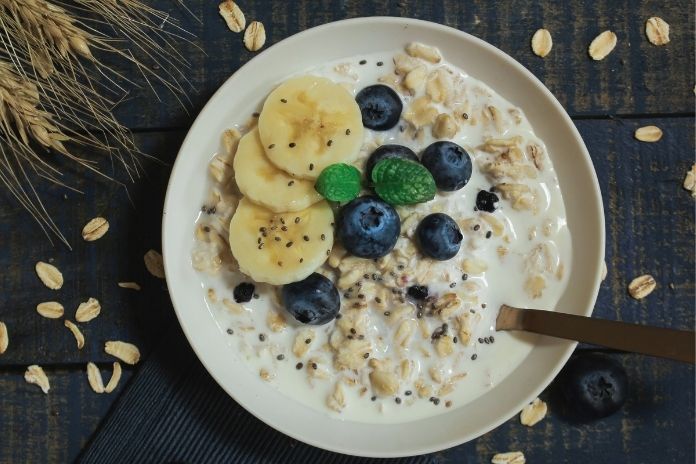
Although oats are generally beneficial, some people should exercise caution or refrain from eating them regularly.
People with Digestive Tract Disorders: Caution should be exercised by those who already have digestive problems, such as diverticulitis, Crohn’s disease, or irritable bowel syndrome (IBS).
Oat Allergy: Although rare, some people are allergic to the avenin protein in oats. Skin rashes, hives, and nausea are just a few of the symptoms that eating oats might cause.
People With Diabetes: The fiber in plain oats can help lower blood sugar. High added-sugar content in flavored instant oats might lead to sharp rises in blood sugar levels.
How to Eat Oats More Safely (If You Love Them)
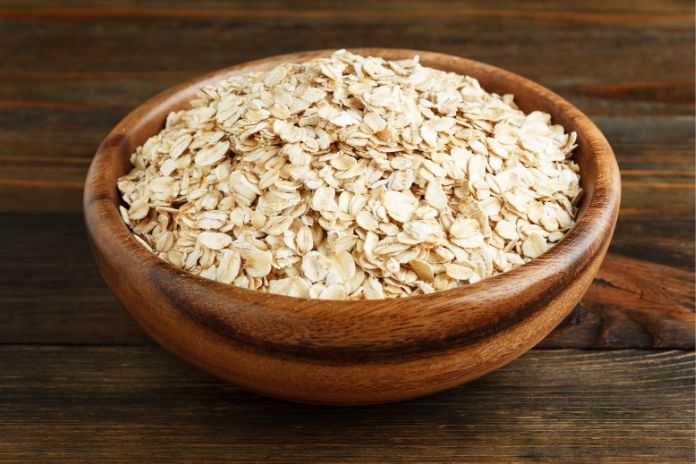
Here are a few clever strategies that can help you enjoy oats more sustainably and nutritiously if you love them and want to keep them in your diet.
Soak Raw Oats: Soaking dry oats in liquid, such as milk, water, or juice, for at least 12 hours helps break down phytic acid, allowing minerals to be absorbed more readily and making the oats easier to digest.
Cook Completely: If you find that undigested little pieces of dry oats later give you indigestion, ensure the oats are well-cooked, either on the stove and let simmer or in the microwave with water.
Choose Your Liquid: To add flavor and nutrition while cooking, you can use water, milk (dairy or lactose-free), tea, or even broth.
Read More: 15 Oats Benefits (Health, Skin and Hair) – The Healthiest Grains On Earth!
Conclusion
Although oats are convenient and nutrient-rich, they are not a one-size-fits-all solution for long-term health. Oats provide vital nutrients, fiber, and energy. However, consuming them daily, especially in highly processed or flavored forms, can lead to unexpected problems.
Some people may be more affected than others by problems such as reduced dietary diversity, possible blood sugar spikes, and gluten cross-contamination. Balance, not elimination, is the most important takeaway.
References
- Aayushi Gupta. (2025, May 8). Eating oats for breakfast every day? 5 reasons not to have it daily.
- Caring Nurses. (2025, April 20). The benefits and (the few) downsides of eating oats.
- Jillian Kubala. (2025, December 10). What Happens to Your Blood Sugar When You Eat Oatmeal for Breakfast.
- DrOracle.ai. (2025, September 3). Has a clinical study been done to investigate the effects of phytic acid in oats on mineral absorption when consumed daily?
- Energize Nutrition. (2019, November 13). Does oatmeal have enough protein for breakfast?
In this Article