















Walk into any pharmacy or scroll through wellness posts on Instagram, and you’ll be bombarded with bold claims about vitamins and supplements. Capsules promising “instant energy,” powders marketed as immunity shields, and gummies pitched as shortcuts to glowing skin. Everywhere you look, there’s a promise in a bottle. The narrative is seductive: why bother with the slow work of eating well, moving your body, and sleeping enough when you can just pop a pill?
Here’s the catch: most of these claims are exaggerated, misleading, or flat-out wrong. Supplements can support health in specific situations, like correcting deficiencies, supporting pregnancy, or aiding people with certain medical conditions, but they’re not magic bullets. Relying on them as substitutes for whole foods or healthy habits can backfire, leading to wasted money, false reassurance, or even harmful side effects when taken recklessly.
That’s why separating fact from fiction matters. In this article, we’ll cut through the noise by breaking down seven of the most common myths about vitamins and supplements. You’ll see what the science actually says, hear from experts who work with these issues daily, and get clear takeaways on when supplements help, when they don’t, and how to use them wisely.
Myth #1: “You Don’t Need a Balanced Diet If You Take Supplements”
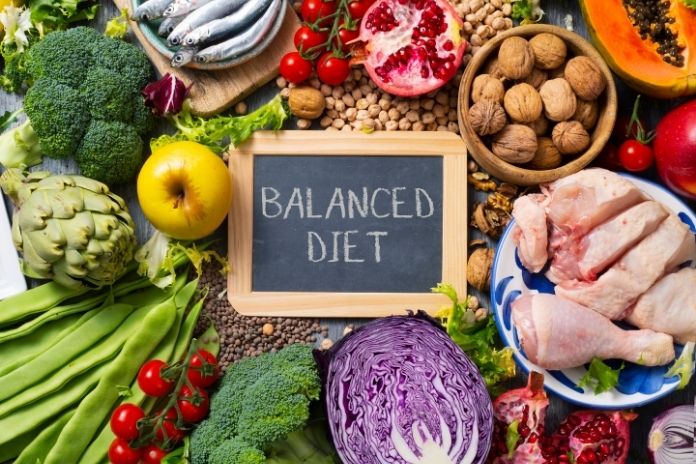
The claim: Supplements can provide everything you need, so eating whole foods is optional.
The truth: Supplements are designed to fill nutrient gaps, not replace an entire diet.
Whole foods deliver much more than isolated vitamins or minerals. They contain fiber, antioxidants, phytochemicals, and bioactive compounds that work together in ways science is still uncovering. For example, an apple provides vitamin C, but also quercetin (a flavonoid with anti-inflammatory effects), soluble fiber, and water content that contributes to satiety. No pill can replicate that synergy.
The Dietary Guidelines for Americans emphasize getting nutrients “primarily from foods”. A review in Advances in Nutrition (2020) confirmed that diets rich in fruits, vegetables, whole grains, lean proteins, and healthy fats are associated with lower risks of heart disease, diabetes, and certain cancers, outcomes not consistently replicated with supplements alone.
“As long as a person’s diet falls within a wide range of what medical professionals consider balanced, it’s unlikely they would benefit from any dietary supplement,” says David Seres, MD, director of medical nutrition at Columbia University Irving Medical Center and a leading expert on the topic.
Myth #2: “All Supplements Are Safe Because They’re Natural”

The claim: If it’s natural, it must be safe.
The truth: “Natural” doesn’t equal harmless.
Many supplements are derived from plants, minerals, or animal products. But plenty of natural substances are toxic at the wrong dose (arsenic, hemlock, even water if consumed excessively). Similarly, herbal supplements can carry risks. High doses of kava have been linked to liver damage; ephedra was banned in the U.S. after being tied to heart attacks and strokes.
Another concern is regulation. Unlike prescription drugs, supplements are regulated as a food category under the Dietary Supplement Health and Education Act (DSHEA) of 1994. This means they don’t need pre-market approval. The FDA can only act after a product proves harmful.
A JAMA Network Open study (2022) tested 30 immune-support supplements and found that 17/30 (≈57%) had inaccurate labels: some ingredients listed on the label weren’t detected, and some unlisted ingredients were found.
The National Center for Complementary and Integrative Health (NCCIH) notes: “Natural does not always mean safe, and labels may not fully reflect a product’s risks or potential interactions.”
Read More: 6 Supplements You Shouldn’t Take Without Consulting a Doctor
Myth #3: “The More Vitamins You Take, the Healthier You’ll Be”

The claim: If a little is good, more must be better.
The truth: Overdosing on vitamins can be harmful, even dangerous.
Some nutrients are water-soluble (like vitamin C and the B-complex), meaning excess amounts are excreted in urine. But fat-soluble vitamins (A, D, E, and K) accumulate in body fat and the liver, potentially reaching toxic levels.
- Vitamin A toxicity can cause liver damage, bone loss, and birth defects.
- Vitamin D toxicity can dangerously raise calcium dangerously, leading to kidney stones and cardiovascular issues.
- Vitamin E in excess has been linked to increased risk of hemorrhagic stroke.
The NIH Office of Dietary Supplements sets Tolerable Upper Intake Levels (ULs) for most vitamins and minerals to guide safe intake.
Evidence from the ATBC Study (Alpha-Tocopherol, Beta-Carotene Cancer Prevention Study) found that high-dose beta-carotene supplements actually increased lung cancer risk in smokers.
“So, an important principle is that more is not necessarily better, and *in fact, mega-dosing on vitamin D can have some harmful effects.” – Dr. Erin Michos, Associate Professor of Medicine at Johns Hopkins.
Myth #4: “Multivitamins Prevent Heart Disease and Cancer”

The claim: Taking a daily multivitamin protects against chronic disease.
The truth: Evidence doesn’t support this for the general population.
The U.S. Preventive Services Task Force (USPSTF) concluded in 2022 that there’s insufficient evidence to recommend multivitamins for the prevention of cardiovascular disease or cancer.
Large trials, including the Physicians’ Health Study II and the Women’s Health Initiative, showed little to no protective effect against major chronic illnesses.
“For the average American adult, a daily multivitamin doesn’t provide any meaningful health benefit … They might offer extra vitamins and minerals you may occasionally lack from your regular diet, but they are not a replacement for healthy eating, and they won’t offer special benefits or protection.” – Dr. Pieter Cohen, Harvard-affiliated internist.
Read More: Daily Supplements for Heart Health: Vitamins and Minerals to Manage Cholesterol
Myth #5: “Vitamins Give You Instant Energy”

The claim: A quick vitamin pill can boost energy levels.
The truth: Vitamins help your body convert food into energy, but they don’t create energy themselves.
Energy comes from calories, carbohydrates, fats, and proteins. Vitamins act as coenzymes, enabling metabolic processes. B vitamins are especially crucial for turning food into usable energy. But taking more than you need won’t make you feel instantly energized.
A review in Nutrients (2016) confirmed that supplementation with B vitamins only improves energy levels in individuals who are deficient, not in those with adequate intake.
Myth #6: “Supplements Don’t Interact With Medications”
The claim: Supplements are harmless add-ons that won’t interfere with prescriptions.
The truth: Supplements can absolutely interact with medications, sometimes dangerously.
- John’s Wort can reduce the effectiveness of birth control pills, antidepressants, and HIV drugs.
- Vitamin K can counteract warfarin, a blood thinner.
- Grapefruit juice inhibits drug metabolism, raising blood levels.
A 2020 review in the British Journal of Clinical Pharmacology found nearly 20% of supplement users risked interactions with prescription medications.
The FDA advises: “Talk to your healthcare provider about any supplements you’re taking, especially before surgery or if you’re on prescription drugs. Even vitamins and minerals can alter how medications work.”
Myth #7: “More Vitamin C Will Prevent Colds”
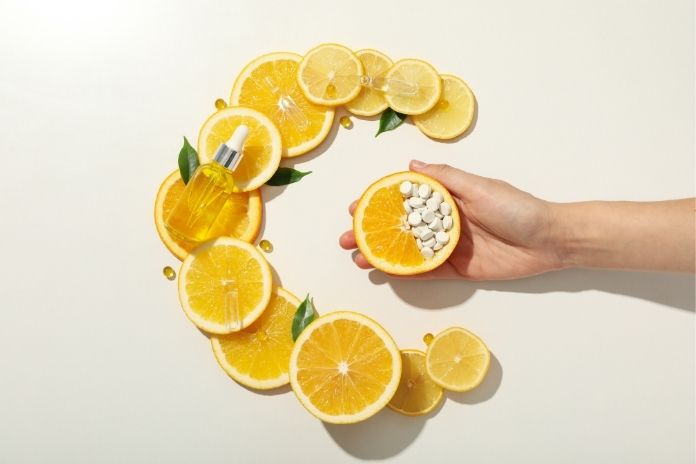
The claim: High-dose vitamin C prevents colds.
The truth: Vitamin C doesn’t stop colds but may slightly shorten their duration.
A Cochrane Review of 29 trials involving over 11,000 participants found that routine vitamin C supplementation did not reduce the incidence of colds in the general population. However, it reduced cold duration by about 8% in adults and 14% in children, a modest benefit.
When Supplements Do Make Sense

While myths abound, the truth is supplements can be incredibly useful, sometimes even lifesaving, when used in the right context. Their role isn’t to replace a healthy diet but to fill gaps that food alone can’t always cover. Here are some evidence-based scenarios where supplements genuinely make sense:
- Pregnancy: Prenatal vitamins aren’t just a suggestion; they’re a medical standard. Folic acid in particular is critical, as it helps prevent neural tube defects in developing babies. Many doctors also recommend additional iron and sometimes DHA for overall fetal growth and maternal health.
- Vitamin D: If you live in a region with long winters or limited sun exposure, your body may struggle to make enough vitamin D. Deficiency can lead to weakened bones, impaired immunity, and fatigue. In such cases, supplements are often more reliable than trying to get enough from diet alone.
- Vitamin B12: This nutrient is found almost exclusively in animal products, which makes it a common deficiency risk for vegans and vegetarians. Low B12 can cause anemia, fatigue, and even neurological problems over time, so supplementation is strongly advised for those avoiding animal-based foods.
- Iron: Essential for carrying oxygen in the blood, iron is particularly important for women of reproductive age, frequent blood donors, and people diagnosed with anemia. Low levels can lead to exhaustion, weakness, and poor concentration, and supplements can help restore balance when diet alone falls short.
- Calcium: As we age, bone density naturally declines, increasing the risk of osteoporosis. While food sources like dairy, leafy greens, and fortified products should come first, calcium supplements are sometimes recommended for people, especially postmenopausal women, who aren’t meeting their needs through diet.
In short, supplements aren’t universally necessary, but in the right circumstances, they bridge important nutritional gaps. The key is knowing when you actually need them and ensuring they’re tailored to your body, lifestyle, and health risks, ideally under professional guidance.
Common Risks and Misuses of Supplements
One of the biggest challenges with supplements is that they’re widely available and heavily marketed, which makes it easy to assume they’re always safe. In reality, misuse is common. People often double up on products with overlapping ingredients, not realizing they’re exceeding safe limits. For example, someone might take a multivitamin and a separate vitamin D capsule without realizing both provide high doses of the same nutrient. Over time, this can lead to toxicity and organ strain.
Another risk lies in self-diagnosis. Fatigue might push someone to buy iron tablets when the real issue is thyroid imbalance, sleep apnea, or simply a lack of rest. In these cases, supplements don’t solve the problem; they mask it. There’s also the danger of interactions. Supplements like St. John’s Wort, ginkgo, or high-dose vitamin E can interfere with prescription medications, from antidepressants to blood thinners.
Another common misuse is treating supplements as quick fixes. A person might load up on “detox teas” or “metabolism boosters” instead of addressing the basics of diet quality, movement, and recovery. The result? A dependency on pills that never actually addresses the root cause of poor health.
Read More: Supplements That Can Harm Your Brain and Nervous System
How to Choose Supplements Wisely
Supplements can play a role in health, but not all products are created equal—and not every pill on the shelf is worth your money. The key is to approach them with the same care you’d give to any health decision: thoughtful, evidence-based, and tailored to your needs. Here’s what to keep in mind:
- Check for transparency: Reliable brands clearly list ingredients, dosages, and any third-party testing. Be wary of vague promises like “supports wellness” without real details.
- Match to your lifestyle: Don’t buy “just in case.” Look at your diet and habits—B12 for vegans, vitamin D if you rarely get sun, and iron if you’ve been diagnosed with anemia. Supplements should address specific gaps, not act as catch-all insurance.
- Avoid megadoses: More isn’t better. High doses, especially of fat-soluble vitamins (A, D, E, K), can build up in your body and cause harm. Stick to recommended daily amounts unless prescribed otherwise.
- See them as support, not replacement: No capsule can do the work of real food, quality sleep, and daily movement. Think of supplements as backup players, not the star of the show.
Frequently Asked Questions (FAQs)
Are supplements regulated by the FDA?
Yes, but not in the same way as prescription drugs. Supplements are regulated as food products, which means companies are responsible for ensuring their safety and accurate labeling before they reach the market. The FDA steps in mainly if a problem arises after the product is sold, such as reports of harm or misleading claims. This minor oversight is why quality can vary significantly between brands. Choosing reputable products becomes essential.
Do I really need a multivitamin?
If you’re generally healthy and eating a balanced diet rich in whole foods, you probably don’t need a daily multivitamin. Most people can get their vitamins and minerals from food alone. However, multivitamins can be beneficial for individuals with dietary restrictions, busy lifestyles, or health conditions that make it challenging to obtain sufficient nutrients. Think of them as a safety net, not a replacement for good nutrition.
Can too many vitamins be harmful?
Yes, absolutely. Just because something is “natural” doesn’t mean it’s harmless in large amounts. Fat-soluble vitamins like A, D, E, and K can build up in your body and reach toxic levels if overused. Even water-soluble vitamins like C or B6 can cause problems when taken in excess, ranging from stomach upset to nerve damage. That’s why following dosage guidelines is so important.
What are the most useful supplements to take daily?
It really depends on your individual needs, diet, and lifestyle. Some of the most commonly beneficial supplements include vitamin D for those with limited sun exposure, omega-3s for people who don’t eat fish, and vitamin B12 for vegans or vegetarians. Beyond that, a healthcare provider can help you identify if you have specific deficiencies. The “best” daily supplement is the one that matches your body’s actual requirements.
Conclusion
Vitamins and supplements can absolutely support good health, but they’re not miracle fixes or substitutes for the basics. The biggest danger isn’t the supplements themselves, it’s the myths surrounding them. Believing that “natural means safe,” or assuming that more pills equal better health, can lead to wasted money, false confidence, and sometimes serious harm.
The truth is simple: supplements are most effective when they fill a real gap. They’re valuable for addressing deficiencies, supporting pregnancy, or helping with certain medical conditions. But they were never meant to replace a plate of vegetables, a night of deep sleep, or the benefits of daily movement.
Here’s the takeaway: start with the foundation: nourishing food, consistent exercise, quality rest, and stress management. Only then should supplements come into play, and even then, they should be chosen carefully, tailored to your needs, and ideally guided by medical advice. Think of them as allies, not shortcuts.
If you’re considering adding something new to your routine, pause before you buy into hype. Ask yourself: Do I really need this? What does the evidence say? And have I spoken to a healthcare professional about it? Those small steps can make the difference between using supplements wisely and falling into the trap of marketing myths.
Be supplement-smart. Your health deserves decisions based on facts, not fads.
References
- https://www.henryford.com/blog/2016/03/8-myths-about-vitamin-supplements
- https://www.mpcp.com/articles/healthy-lifestyle/should-i-take-dietary-supplements-common-myths/
- https://asitisnutrition.com/blogs/health/top-10-myths-about-sports-supplements
- https://www.healthians.com/blog/mythbusters-diaries-part-27-busted-5-dietary-supplements-myths-you-should-know-about/
- https://pennstatehealthnews.org/2024/03/the-medical-minute-vitamin-supplements-versus-a-balanced-diet-no-contest/
- https://www.foodunfolded.com/article/the-vitamin-myth-are-food-supplements-actually-necessary
- https://www.nestle.in/nhw/nutrition-for-runners/good-reads/breaking-the-myths-around-supplements
- https://www.niddk.nih.gov/health-information/weight-management/myths-nutrition-physical-activity
- https://www.vitacost.com/blog/5-myths-about-vitamins/
- https://www.healthians.com/blog/mythbusters-diaries-part-27-busted-5-dietary-supplements-myths-you-should-know-about/
- https://www.stfrancismed.com/contents/the-vitamin-myth
- https://elmirageer.com/do-you-believe-these-5-nutrition-myths/
- https://www.everydayhealth.com/vitamin-d/vitamin-d-myths-and-facts/
- https://www.heart.org/en/healthy-living/healthy-eating/eat-smart/nutrition-basics/vitamin-supplements-hype-or-help-for-healthy-eating
- https://www.gregkeilychemist.com.au/blog/2020/08/19/common-misconceptions-about-vitamin-supplements/
- https://www.youtube.com/watch?v=0KMDvevMOW4
- https://www.health.harvard.edu/staying-healthy/the-best-foods-for-vitamins-and-minerals
- https://www.northside.com/about/news-center/article-details/6-myths-about-nutrition-and-your-health
- https://examine.com/insiders/supplements-course-1/
In this Article