












Vitamin D deficiency isn’t just a rare problem; it’s one of the most common nutrient gaps worldwide. Low levels are linked to weak bones, fatigue, lowered immunity, and even mood issues. Most people know sunlight helps the body make vitamin D, and many turn to supplements when their levels dip. But here’s the thing: what you put on your plate can make a real difference, too.
Among foods, fatty fish stand out as some of the richest natural sources of vitamin D. A few smart servings each week can give your body a meaningful boost, especially if you live in a place with long winters, spend most of your time indoors, or simply don’t get much sun exposure.
In this article, we’ll look at which fish deliver the biggest vitamin D payoff, how wild-caught compares to farmed or canned, the best ways to cook fish without losing nutrients, and who stands to benefit the most. Everything here is rooted in trusted nutrition and public-health research, so you can make confident, practical choices for your health.
Why Vitamin D Matters
Vitamin D does a lot: it helps the gut absorb calcium and phosphorus (critical for bone strength), supports muscle function, plays roles in immune regulation, and is linked to mood and fatigue in some studies. Severe or prolonged deficiency causes rickets in children and can lead to osteomalacia or increased fracture risk in adults. Common, non-specific signs of low vitamin D include tiredness, muscle weakness, and frequent infections, though symptoms vary, and blood testing is the only way to know for sure.
Public health recommendations for most adults are 600 IU daily (ages 1–70) and 800 IU for those 71 and older; these values are used by U.S. agencies as general guidance. If you’re unsure whether you need more, a clinician can check your 25-hydroxyvitamin D blood level and advise on diet or supplements.
Dr. Robert D. Ashley, MD, an internist and assistant professor of medicine at UCLA, discussing the importance of vitamin D and its sources, emphasizes that “Vitamin D is so crucial for healthy bones that deficiencies in children lead to the malformed bones seen in rickets. Because vitamin D helps the body absorb calcium, it’s vital for a host of other biological functions as well.”
Read More: Vitamin D Deficiency – Causes, Symptoms, Diseases And Treatment
How Fish Boosts Vitamin D
Vitamin D in fish is concentrated in fatty tissue and oils, which is why “oily” or fatty fish (salmon, mackerel, herring, sardines, trout) are top sources. Amounts vary by species, season, and whether the fish is wild or farmed (wild generally contains more vitamin D).
Processing and cooking affect levels only modestly if done gently, and canned fish often retains a useful amount of vitamin D because the vitamin is oil-soluble and remains in the flesh or packing oil.
Note: “Wild vs. farmed” makes a real difference for some species. Research has found that farmed salmon can contain substantially less vitamin D than wild salmon, although values vary by region and farming practices.
Best Types of Fish for Vitamin D
Not all fish are created equal when it comes to vitamin D. Some deliver only small amounts, while others can cover half or more of your daily needs in a single serving. The differences depend on the species, whether the fish is wild or farmed, and even how it’s processed or cooked. To make things clear, here’s a breakdown of the top options, what the research shows about their vitamin D content, and a few tips for choosing and eating them.
A. Salmon
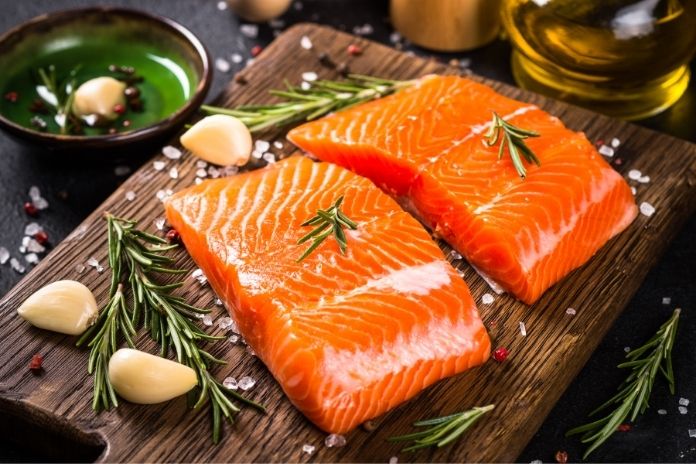
Salmon tends to be the headline act when it comes to food-based vitamin D. According to NIH/USDA data, a 3-ounce (≈85 g) cooked serving of many species of salmon gives you roughly 380–645 IU of vitamin D. Some wild sockeye or Alaskan types even measure higher in specific analyses. That’s about half (or more) of what most adults need daily.
One study (“Vitamin D in Wild and Farmed Atlantic Salmon”) found that wild salmon generally contains significantly more vitamin D3 than farmed, though farmed salmon still contributes meaningfully. Another study comparing natural vs farmed salmon reported that farmed salmon might have around 25% of the vitamin D of wild salmon, depending on diet, sun exposure, etc.
Because salmon is also rich in omega-3 fatty acids, B vitamins, and good protein, it gives you “double duty.” If possible, choose wild-caught for maximum vitamin D, but don’t skip farmed if it’s what’s available. Just balance the portions so you don’t overdo calories or accumulate unwanted contaminants.
Read More: Savory Heart-Healthy Salmon Salad: A Nutritious Omega-3 Boost
B. Mackerel
Mackerel is another fatty fish that is a good source of vitamin D and omega-3s. For example, according to the USDA & Dietary Guidelines, certain cooked mackerel varieties give several hundred IU of vitamin D per 3-ounce (≈85 g) serving.
A study titled An Evaluation of the Vitamin D3 Content in Fish reported that cooked mackerel delivers high levels of vitamin D3, comparable in some cases to salmon. Also, canned mackerel (when processed well) retains much of its vitamin D, making it a useful, more shelf-stable option.
If you use canned mackerel, try to pick low-sodium versions, because salt added during processing can push you over recommended sodium limits. Otherwise, it’s one of the most cost-effective fish for boosting vitamin D.
C. Sardines
Don’t underestimate sardines. A 3-ounce canned sardine serving typically offers a meaningful dose of vitamin D. According to NIH Food sources tables, canned Atlantic sardines in oil provide around 193 IU of vitamin D per 100 g (≈3.5 ounces), which is about ~24% of the daily value.
Beyond vitamin D, sardines bring calcium (especially if you eat the soft bones), a good EPA/DHA profile, and lower mercury compared to large predatory fish. A recent study (“Eating more sardines instead of fish oil supplementation”) also emphasizes their role in bone metabolism, thanks to this mix of calcium, vitamin D, and other minerals.
They’re easy to include: salads, pasta sauce, or toast. Canned sardines make them especially accessible and affordable.
D. Tuna
Tuna gives you vitamin D, though usually less than salmon or mackerel. Canned light tuna, often in water or oil, can provide around 230-270 IU per 3.5-ounce (≈100 g) serving.
One study showed that in An Evaluation of the Vitamin D3 Content in Fish, ahi tuna had highly variable levels (depending on species, size, diet), sometimes high but often more modest.
The trade-off: mercury levels. Especially with large fresh tuna or certain species (albacore, for example), mercury can accumulate. For pregnant people and young children, guidelines recommend limiting the intake of tuna types with higher mercury. For most healthy adults, including canned light tuna a few times per week is a reasonable strategy.
E. Herring
Herring is traditionally used in Northern European/Nordic cuisines, and it delivers on vitamin D, omega-3s, and B12. Data from USDA and other sources suggest that fresh Atlantic herring delivers about 214 IU per 3.5-ounce (≈100 g) serving, and pickled herring somewhat less (≈113 IU), depending on preparation.
Because herring are smaller fish and lower on the food chain, they tend to carry less mercury risk. Smoked or pickled herring also tends to be saltier, so if you use those, watch the sodium. Add herring to salads, breakfasts, or even as flavor-boosters rather than as the main without balancing other ingredients.
F. Cod Liver Oil
Cod liver oil isn’t a “meal,” but it’s one of the most concentrated sources of preformed vitamin D. NIH data shows one tablespoon provides about 1,360 IU of vitamin D.
Because vitamin D works in conjunction with vitamin A (also high in cod liver oil), there is a risk of excess if you take cod liver oil plus other vitamin A sources. Use only well-purified, third-party tested products. Especially if you supplement with cod liver oil, keep total vitamin D (from food + supplements) under safe upper limits unless supervised by a clinician.
Cooking and Serving Tips to Maximize Vitamin D
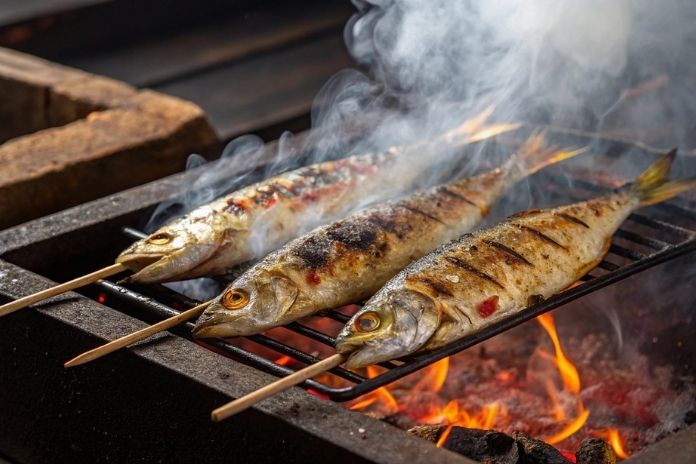
Getting vitamin D from fish isn’t just about what type you buy; how you prepare and eat it also matters. The nutrient is fairly stable, but the wrong cooking method or pairing can lower how much your body actually absorbs. With a few smart tweaks in the kitchen, you can hold onto more of the vitamin D that’s naturally in the fish and make it easier for your body to use.
- Use moderate heat. Vitamin D holds up to most household cooking, but very high temperatures can reduce its content. Baking, steaming, or grilling at medium heat preserves more than deep-frying or prolonged pan-frying.
- Keep the skin wherever possible. Some vitamin D is stored in the fat just beneath the skin of fatty fish. Cooking with the skin on, then crisping it or removing it after cooking, helps retain more of the nutrients.
- Choose canned wisely. Canning locks in much of the vitamin D, especially when the fish is packed in oil. To maximize benefits, pick low-sodium cans and use the oil in sauces or marinades instead of draining it away.
- Pair with healthy fats. Because vitamin D is fat-soluble, absorption improves when eaten with foods like olive oil, avocado, or yogurt. Even a small amount makes a difference.
- Mind storage. Fresh fish should be refrigerated and eaten quickly. Freezing generally preserves vitamin D, but long storage or repeated thawing can lead to gradual losses.
Dr. Piyanut Sridonpai, a researcher at Mahidol University, emphasizes that “cooking methods significantly impact the retention of vitamin D in fish. Techniques like baking, grilling, or steaming at moderate temperatures help maintain vitamin D levels, whereas deep-frying can lead to substantial losses.”
How Often Should You Eat Fish for Vitamin D?
A practical target for general health is about two 3-ounce servings of non-fried fish per week, which aligns with heart health guidance and also helps increase dietary vitamin D for many people. For richer sources like salmon or trout, one weekly serving can cover a significant portion of the RDA; for lower sources (tuna, some canned fish), more frequent, smaller servings are helpful.
Pregnant or breastfeeding people should follow FDA advice on low-mercury choices and aim for 8–12 ounces of a variety of seafood per week. If you have a documented deficiency or limited sun exposure, speak with your clinician about testing and whether a supplement is appropriate.
Who Benefits Most From Fish-Rich Vitamin D Diets?
People with limited sun exposure (night-shift workers, those in northern latitudes, or who cover up for cultural/religious reasons), older adults (skin makes less vitamin D with age), and people with darker skin (less UV-driven vitamin D synthesis) often benefit most from dietary vitamin D.
Vegans and strict vegetarians won’t get vitamin D from fish and usually need fortified foods or supplements. If you fall into a higher-risk group, ask your clinician for a 25(OH)D test before starting high-dose supplements.
Read More: 8 Productive Ways To Increase Vitamin D Absorption
Frequently Asked Questions (FAQs)
Q: Which fish has the highest vitamin D?
Wild salmon and trout consistently top the charts for vitamin D content, often giving half or more of daily needs in one serving. USDA data also shows that certain mackerel and herring varieties are strong contenders. Cod liver oil isn’t a meal but delivers extremely high IU in a single tablespoon. Because it also contains vitamin A, it should be used with caution. For everyday meals, wild salmon remains the most reliable food-based source.
Q: Is canned fish as good as fresh?
Canned fatty fish like sardines, mackerel, and salmon usually retain much of their vitamin D through processing. The nutrient stays in the flesh and sometimes the oil, which is worth keeping in your recipes. While fresh fish can taste better, canned is convenient, shelf-stable, and cost-effective. It also makes vitamin D more accessible in regions without steady access to fresh seafood. Just look for low-sodium options wherever possible.
Q: Can I rely on fish alone?
Fish can significantly boost your vitamin D intake, especially if eaten a few times per week. Still, levels vary by species, cooking method, and whether the fish is wild or farmed. People with low sun exposure, darker skin, or certain health conditions may struggle to meet their needs through fish alone. In such cases, fortified foods or supplements may be necessary. A blood test and guidance from a healthcare professional are the safest ways to know.
Conclusion
If you’re serious about improving your vitamin D through food, fatty fish should be at the top of your list. Salmon, mackerel, sardines, tuna, and herring consistently show up in research as some of the richest natural sources. Cod liver oil can be a powerful supplement, but because of its vitamin A content, it should only be used carefully and in measured doses.
The good news is you don’t need drastic changes. Just two to three sensible servings of fish a week, choosing wild varieties when possible and lower-mercury species for regular eating, can shift your vitamin D status in a meaningful way.
Pair fish with healthy fats, cook it gently to preserve nutrients, and lean on canned options if fresh isn’t accessible. If you suspect a deficiency, confirm with a blood test and use professional guidance to decide if food is enough or if a supplement is needed.
References
- https://ods.od.nih.gov/factsheets/VitaminD-HealthProfessional
- https://nutritionsource.hsph.harvard.edu/fish
- https://www.ncbi.nlm.nih.gov/books/NBK56061
- https://www.ncbi.nlm.nih.gov/books/NBK532266
- https://medlineplus.gov/vitamind.html
- https://pmc.ncbi.nlm.nih.gov/articles/PMC6566758
- https://www.sciencedirect.com/science/article/abs/pii/S0889157599908281
- https://www.eatingwell.com/reasons-to-eat-canned-fish-11754763
- https://pmc.ncbi.nlm.nih.gov/articles/PMC2698592
- https://www.dietaryguidelines.gov/resources/2020-2025-dietary-guidelines-online-materials/food-sources-select-nutrients/food-sources-vitamin-d
- https://www.nal.usda.gov/sites/default/files/page-files/Vitamin%20DIU.pdf
- https://www.fda.gov/food/consumers/questions-answers-fdaepa-advice-about-eating-fish-those-who-might-become-or-are-pregnant-or
- https://www.nhs.uk/conditions/vitamins-and-minerals/vitamin-a
- https://www.researchgate.net/publication/359214903_Effects_of_Different_Cooking_Methods_on_the_Vitamin_D_Content_of_Commonly_Consumed_Fish_in_Thailand
- https://pubmed.ncbi.nlm.nih.gov/25441954
- https://www.heart.org/en/news/2018/05/25/eating-fish-twice-a-week-reduces-heart-stroke-risk
- https://ods.od.nih.gov/factsheets/VitaminD-Consumer
In this Article