














Exercising outdoors comes with a wealth of benefits that extend far beyond just getting your body in shape. Not only does outdoor exercise boost physical health, but it also has a natural, uplifting effect on your mood. The exposure to natural sunlight helps your body absorb more vitamin D, which is essential for bone health and overall well-being.
Plus, being outside offers a refreshing change of scenery, allowing you to step away from the monotony of indoor workouts and breathe in fresh air while soaking up the natural beauty around you.
Research shows that exercising outdoors can significantly improve mood, boost mental health, and increase energy levels. The combination of nature and physical exertion helps to create a positive, invigorating experience that simply can’t be replicated inside.
Nature offers an incredibly adaptable and dynamic backdrop for exercise, whether you enjoy the calm of a quiet walk in the woods or the excitement of a challenging hike. Outdoor workouts provide variety, fun, and a sense of freedom, perfect for anyone looking to spice up their fitness routine while reaping both physical and mental health benefits.
Trail Running

Trail running offers a holistic approach to fitness that combines cardiovascular benefits with the mental clarity gained from connecting with nature. By running on varied terrain, you engage different muscle groups and improve endurance, all while taking in the beautiful, natural surroundings.
The change of scenery is not just a treat for the eyes; it helps reduce stress and promote overall mental wellness. The rhythmic motion of running, combined with the peace of nature, can be a form of moving meditation, which contributes to better mental health.
How to Make the Most of Your Trail Running Experience
To maximize the benefits of trail running, it’s important to choose paths that offer variety in topography. Running on different surfaces, whether it’s dirt, gravel, or soft grass, challenges your muscles in unique ways, preventing overuse and improving overall strength.
Additionally, varying your routes allows you to enjoy diverse landscapes and engage with nature in different ways, keeping your experience fresh and exciting.
While trail running can be incredibly rewarding, it’s important to prioritize safety. Always choose well-marked, established trails to reduce the risk of getting lost. Inform a friend or family member of your route and estimated return time for added peace of mind.
Read More: Cycling vs. Running: Which One Burns More Calories?
Park Circuit Training
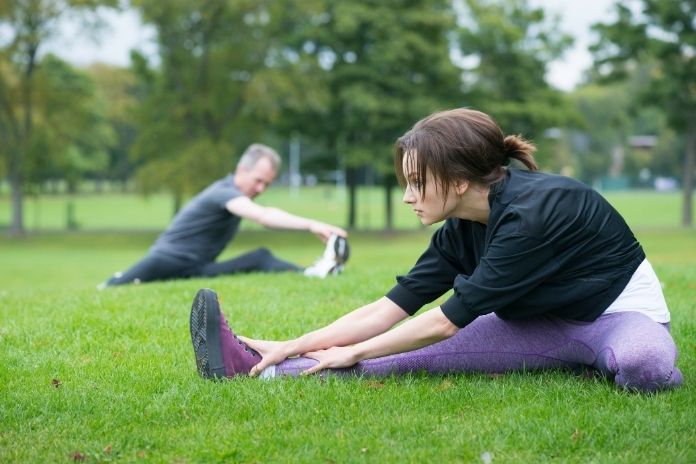
Park circuit training is a dynamic way to get a full-body workout while enjoying the great outdoors. By utilizing the natural elements of a park, benches, stairs, and even playground equipment, you can turn any park into a fitness zone.
This versatile approach allows you to change things in your workout routine, making it both exciting and effective. The open-air environment adds an element of refreshment, making your workout feel less like a chore and more like a revitalizing experience.
Creating a Well-Rounded Circuit
To make the most of your park circuit training, it’s important to include a mix of bodyweight exercises and cardiovascular intervals. Here’s a simple structure to get started:
- Bodyweight Exercises: Incorporate moves like squats, lunges, and push-ups. These exercises are great for building strength and targeting multiple muscle groups.
- Cardio Intervals: Include activities such as jumping jacks, sprints, or high knees to boost your heart rate and improve endurance.
- Rest: Make sure to have short rest periods to remain energized throughout the circuit.
This combination of strength and cardio helps improve overall fitness, targeting endurance, agility, and strength.
The beauty of park circuit training lies in its ability to deliver a full-body workout in a short amount of time, all the while utilizing the available resources. Not only does this style of training enhance strength, but it also improves cardiovascular health and agility.
Read More: The Science Behind Circuit Training: Maximize Results in Minimal Time
Beach Yoga
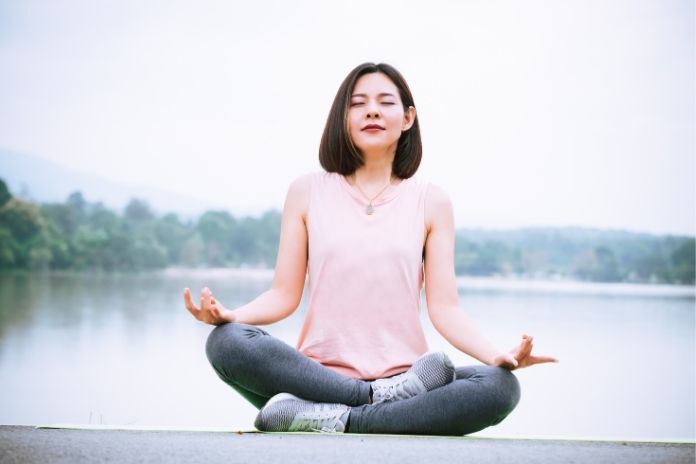
Beach yoga offers a serene and calming experience that goes beyond traditional yoga practices. The peaceful sound of the waves crashing, coupled with the soothing sensation of the sand beneath your feet, creates an atmosphere of relaxation and grounding. This natural setting enhances the mental and physical benefits of yoga, providing a deeper connection with your body and the environment around you.
How to Incorporate the Beach into Your Yoga Practice
When practicing yoga on the beach, it’s important to embrace the natural surroundings and allow them to complement your practice. Here’s how you can enhance your session:
- Mindful Breathing: Synchronize your breath with the rhythm of the ocean waves. Deep, intentional breathing helps to calm the mind and body, deepening the relaxation process.
- Classic Poses: As you move through traditional yoga poses such as the downward-facing dog and seated forward bend, pay attention to how the environment enhances your practice.
- Focus on Sensory Awareness: Tune into the sounds of the ocean, the feel of the sand, and the breeze. Allow these elements to center your thoughts and bring you into the present moment.
Whether you’re new to yoga or have been practicing for years, beach yoga offers a unique opportunity to enhance your practice. The natural setting promotes mindfulness, peace, and a sense of inner balance, making it an ideal way to de-stress and improve your mental and physical well-being.
Outdoor Cycling

Cycling outdoors is more than just a fun activity; it’s an invigorating way to boost your physical health, particularly your cardiovascular fitness and leg strength. The combination of resistance from the bike and the steady rhythm of pedaling works wonders for your heart, helping to improve your cardiovascular health while also building powerful leg muscles.
Riding outside allows you to enjoy both the physical workout and the beauty of nature, making it a rewarding experience for both the body and mind.
Maximizing Your Outdoor Cycling Experience
- Choose Scenic Routes: Pick cycling routes that not only challenge your stamina but also offer scenic views. Riding through picturesque landscapes can make the workout feel less like a chore and more like an adventure.
- Incorporate Variety: Include routes with varying terrain to work different muscle groups and improve overall fitness. Hills, curves, and changes in elevation add complexity and intensity to your ride.
Ensuring Safety While Cycling
Safety is key to ensuring a fun and injury-free ride. Consider the following tips:
- Check Your Bicycle: Before heading out, make sure your bike is in good condition. Check the tires, brakes, and gears to avoid any issues while cycling.
- Wear Proper Gear Always wear a helmet and appropriate clothing to stay comfortable and protected. Gear like padded shorts can add comfort on longer rides.
- Stay Visible: Use bright or reflective clothing to make yourself visible to other cyclists and drivers. Ensure you have lights on your bike if cycling during low visibility hours.
- Follow the Rules: Abide by road safety regulations and respect traffic signs. Ride predictably and responsibly to ensure your safety and the safety of others.
- Consider Terrain: Pay attention to the terrain and be prepared for any changes that might challenge your riding abilities.
Embrace the outdoors and make the most of your cycling experience. By focusing on safety and enjoying the beauty of nature, you can enhance your fitness and enjoy the freedom that comes with outdoor cycling.
Read More: Cycling for Cardio: Exploring the Benefits of Indoor and Outdoor Cycling Workouts
Hiking Adventures

Hiking is more than just a physical activity; it’s a full-body experience that nurtures both your fitness and your mental well-being. As you explore scenic trails, you’ll notice that the combination of movement and the beauty of nature leads to reduced stress levels and an improved mood.
The fresh air, the sounds of nature, and the physical exertion come together to promote a sense of peace and grounding. Hiking is an accessible way for people of all fitness levels to experience the great outdoors while also enhancing their overall health.
As with all exercise, hiking comes with heart health benefits. Studies have shown that exercise can reduce your risk of heart disease. By working out, your circulation improves and your heart becomes stronger.
It’s recommended that everyone get at least 150 minutes of moderate-intensity exercise each week. And for Matthew Kampert, DO, MS, it’s all about improving your oxygen consumption or VO2 max, which shows how well your heart pushes blood to your muscles, and how efficiently your muscles can extract the oxygen from your circulating blood. “As you improve your exercise capacity, your all-cause mortality rate actually decreases,” notes Dr. Kampert.
Getting Started with Hiking
If you’re new to hiking, it’s best to start with easier trails. Nature reserves or simple mountain paths offer a perfect introduction, allowing you to gradually build your stamina while enjoying the beauty of your surroundings.
Here are some tips to help ensure a safe and enjoyable experience:
- Select Easy Trails: For beginners, start with trails that are well-marked and not too challenging. These paths will help you get comfortable with the rhythm of hiking while avoiding unnecessary strain.
- Pack Essentials: Always bring the basics with you to stay safe and comfortable on your hike:
- Water: Staying hydrated is key, especially if you’re hiking for longer durations.
- Map or GPS: Make sure you have a way to navigate the trail.
- Appropriate Footwear: Supportive shoes or boots are important to prevent injury on uneven terrain.
- Weather-Appropriate Clothing: Dress in layers to ensure comfort as temperatures change.
Incorporating hiking into your routine, no matter your fitness level, is a fantastic way to enjoy nature, boost your mood, and enhance your overall well-being. So, grab your gear, hit the trails, and take the first step toward a more mindful and healthy lifestyle.
Kayaking or Stand-Up Paddleboarding

Water sports, such as kayaking and stand-up paddleboarding, offer more than just the thrill of gliding on water; they provide an excellent full-body workout while also improving balance and coordination.
Whether you’re paddling through calm lakes or gently flowing rivers, these activities challenge your muscles, particularly in the arms, shoulders, and core, all while fostering better balance and mental focus. The rhythmic movement of paddling on water can be both invigorating and calming, making it a rewarding activity for both body and mind.
Getting Started with Water Sports
If you’re new to kayaking or paddleboarding, it’s best to begin on gentle, calm waters. This will ensure a more enjoyable experience as you get familiar with the techniques and build confidence.
Here are some key points to keep in mind when you first venture out:
- Choose Gentle Waterways: Start with lakes or slow-moving rivers, which offer smoother water for beginners to practice on.
- Safety First: Always wear a life jacket for safety, regardless of your skill level. This is an important precaution for ensuring a safe experience on the water.
- Understand the Basics: Take time to learn the fundamentals of paddling and how to balance yourself on the board or in the kayak. Familiarize yourself with the water’s current conditions, as they can change rapidly and affect your paddling experience.
So, whether you’re looking to challenge yourself with a new fitness routine or simply enjoy the calm of the water, kayaking and stand-up paddleboarding are great ways to stay active and grounded. Just remember to stay safe and make the most of the peaceful natural environment around you.
Conclusion
Exercising outdoors isn’t just great for your physical health; it offers a whole range of mental and emotional benefits too. Whether you’re hitting the trails for a jog, stretching into yoga on the beach, or cycling through scenic routes, outdoor workouts give you the chance to improve your cardiovascular fitness, build strength, and boost your overall resilience.
There’s something uniquely refreshing about being outdoors; the fresh air, the open space, and the connection with nature all work together to clear your mind and elevate your mood. But the benefits don’t stop there. Spending time outdoors also exposes you to natural sunlight, which is essential for boosting your vitamin D levels.
So, whether you’re embracing the calm of a quiet forest or the energy of the ocean waves, taking your fitness routine outside can transform it into more than just exercise; it becomes a wellness retreat.
References
- https://runningkiwi.com/trail-running-and-mental-health-the-benefits-and-science-behind-it/
- https://www.breathemagazine.com/2024/01/16/what-are-the-physical-and-mental-benefits-of-trail-running/
- https://orthosportsmed.com/6-benefits-of-trail-running/
- https://www.livestrong.com/article/13719367-playground-workout/
- https://www.ncbi.nlm.nih.gov/pmc/articles/PMC5409648/
- https://www.verywellhealth.com/what-is-circuit-training-5224393
- https://polkerrisbeach.com/6-beach-yoga-benefits/
- https://beach-scenes.com/beach-yoga/
- https://www.backyard.games/general/beach-yoga-guide/
- https://www.healthline.com/health/fitness-exercise/cycling-benefits
- https://www.verywellfit.com/outdoor-cycling-benefits-and-how-to-6362454
- https://www.betterhealth.vic.gov.au/health/healthyliving/cycling-health-benefits
- https://www.nps.gov/subjects/trails/benefits-of-hiking.htm
- https://www.ncbi.nlm.nih.gov/pmc/articles/PMC6993091/
- https://www.mensjournal.com/pursuits/adventure-travel/the-health-benefits-of-hiking
- https://greenwatersports.com/15538/5-unexpected-benefits-of-standup-paddleboarding
- https://www.betterhealth.vic.gov.au/health/healthyliving/canoeing-and-kayaking-health-benefits
- https://www.visitpalmbeach.com/2023/03/09/benefits-of-standup-paddleboarding/
In this Article