












In recent years, there has been a massive uptick in the number of people drinking fermented beverages, and not just for their taste—they’ve been found to have potential benefits for gut health.
Studies indicate that consuming fermented food may bolster immune function and reduce the inflammation by increasing the diversity of gut bacteria (if that surprises you, you’re not alone—scientists are still really just beginning to understand how nutrition interacts with our gut bacteria and how that interacts with our whole body).
One of the earliest formal investigations into the gut health benefits of fermented foods came from a Stanford Medicine study that highlighted their positive impact on microbial diversity.
However, fermentation itself is far from new.
Humans have practiced food fermentation for thousands of years. This metabolic process uses beneficial microorganisms, such as bacteria and yeast, to convert sugar and starch into new compounds in the absence of oxygen.
In this article, we will explore fermented beverages that support gut health, explain how they work, and share tips for including them safely in your daily routine.
Read More: Gut-Friendly Alternatives to Coffee – What to Drink Instead
How Fermented Drinks Support Gut Health
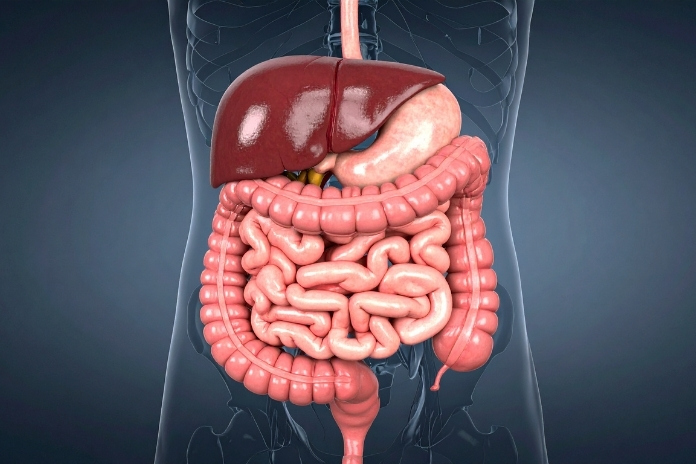
Your colon, intestines, and gut are home to millions of microorganisms. This bacterial system, called the gut microbiota, aids in food digestion and influences your immune system, metabolism, general health, and even your mental well-being.
Your lifestyle can affect the integrity of your gut microbiota, even though each person’s distinct gut composition is affected by their genetic makeup. Your diet and daily exercise levels can significantly influence the variety and functionality of your gut microbiota.
Probiotics, which provide many health benefits, are derived from living bacteria found in fermented products. Boosting the immune system, natural probiotics help the body to fend against infections.
The fermentation process creates lactic acid and enzymes that help the body to absorb more vitamins B and C. Technology is only now discovering the benefits of fermented foods.
What Makes a Fermented Drink “Gut-Healthy”?
A fermented drink can only contribute to gut health if it contains healthy bacteria that can survive processing and reach your digestive system intact. The presence of lively, viable cultures is the most crucial factor of all.
Bacteria, yeast, and other microorganisms digest carbohydrates and trigger fermentation, producing acids or alcohol. It is these that constitute the characteristic flavor of all fermented foods and, far more importantly, supply the gut with much-needed bacteria.
The microbiome, the mix of bacteria that reside in your digestive tract, has a direct impact on gut health. Appropriate digestion, food absorption, and even mood regulation depend on a healthy microbiota. Probiotics, or good bacteria, are abundant in the fermented foods and can help populate the gut with the right microbes.
These probiotics, found in common fermented foods, help restore the proper balance of intestinal flora. In addition to enhancing your body’s ability to absorb vital nutrients, this balance can help with conditions such as bloating, indigestion, and constipation.
“Fermented drinks like kombucha and kefir can be a convenient, enjoyable way to get a boost of probiotics, which in turn can support gut health and skin health,” Amy Davis, RDN, LDN, a registered dietitian and a nutrition consultant for Live Conscious, told Health.
Fermented Drinks That May Support Gut Health

It can be challenging to know where to begin when including fermented foods and beverages in your diet. Fortunately, we can assist you. Thankfully, we can help you. The list of some of the drinks is as follows:
Kefir:
Traditionally, people make kefir by culturing milk. The body digests it easily, and it provides a rich source of probiotics and nourishment. Producers create kefir by mixing milk containing bacteria and yeast with kefir grains. The final product is a thick, tart beverage with a yogurt-like flavor that contains yeast, probiotics, and prebiotics, all of which help maintain a healthy gut flora.
Kefir has a greater variety of beneficial microorganisms than yogurt. These microbes produce bioactive compounds with numerous health benefits, from lowering cholesterol to improving digestion.
Kombucha:
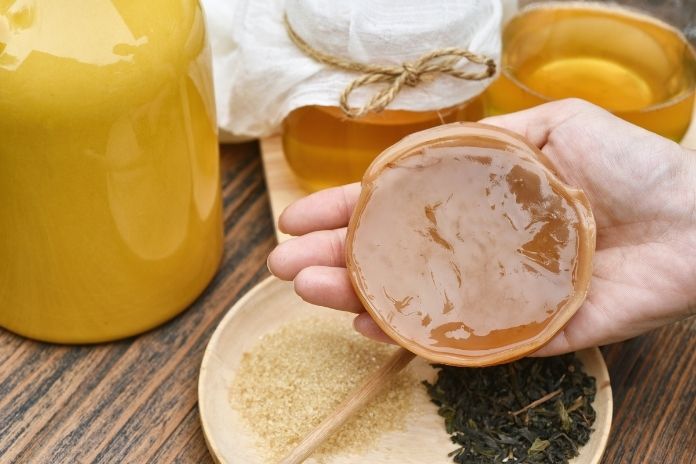
To make kombucha, probiotic microorganisms known as SCOBYs (symbiotic culture of bacteria and yeast) are used to ferment sweetened tea. Lactic acid bacteria (LAB), acetic acid bacteria, and yeast are all found in SCOBY.
Additionally, kombucha contains polyphenols, vital vitamins, and minerals that function as antioxidants. Antioxidants can help shield cells from the harm caused by free radicals.
As per research, kombucha may help maintain gut and liver health. Kombucha is available almost everywhere. Brands are expanding due to their popularity. Make sure to verify the nutritional content of any kombucha brand you brew, as it may differ from one brand to another. Kombucha is an ongoing part of your nutrition.
Steer clear of brands with a lot of added sugar and additives. These factors outweigh any health benefits of kombucha and may have detrimental effects.
Read More: Gut Health Hacks: The Best Morning Foods to Kickstart Digestion
Traditional Yogurt Drinks (Lassi, Chaach):
Lassi is made by blending sweet curd with milk, a little sugar, and sometimes ice, and is perhaps the most popular fermented beverage in India, especially in Punjab. It is difficult to find a better cooler in the hot Indian weather.
Since the basis of lassi is curd, this refreshing beverage is powerfully rich in digestive probiotics, which are suitable for your digestion. The living cultures in lassi help colonize the gut with good bacteria and maximize absorption and digestive action.
Yet another Indian drink, buttermilk, has been savored by native people for centuries and is probably the most famous of all Indian fermented beverages in the native kitchen. People make it by churning curd and also sometimes add salt and spices for seasoning.
Buttermilk contains many probiotics that help maintain a healthy gut microflora. Besides its cooling properties for the stomach, drinking a glass of it after meals helps with digestion by preventing problems like flatulence and acidity.
Water Kefir:
A lighter and dairy-free drink is sometimes called water kefir. Producers ferment sugar water with kefir grains to make this drink.
Water kefir still contains prebiotics and probiotics, but it doesn’t offer the calcium and protein benefits of milk kefir. It is the perfect drink if you don’t want to consume milk products or are on a vegan diet.
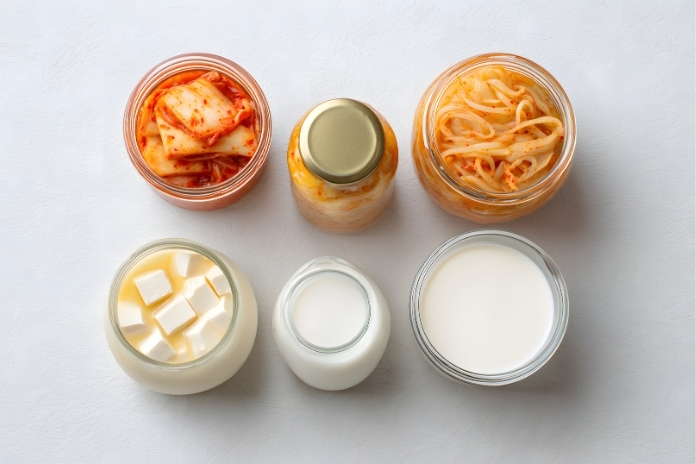
Fermented Vegetable Brines (Sauerkraut, Kimchi):
Sauerkraut, which adds a delightfully sour and salty flavor, may already be familiar to you from your Reuben sandwich or frankfurter sausage. For centuries, several European nations have enjoyed vegan-friendly sauerkraut, which is made by fermenting and also adding finely shredded cabbage with lactic acid bacteria.
Researchers are conducting clinical studies on sauerkraut, one of the few fermented foods. According to a 2018 study, taking unpasteurized sauerkraut as a supplement for six weeks helped IBS patients have less severe symptoms.
Kimchi is another fermented vegetable dish (typically cabbage) similar to sauerkraut but with much more flavor. Lactobacillus kimchi and other lactic acid bacteria ferment cabbage and other vegetables, and producers then add seasonings like red chili pepper flakes, ginger, garlic, spring onion, and salt.
Kvass (Beet or Bread-Based):
A traditional drink from Eastern Europe, beet kvass is a fermented beverage made from beets, salt, and water. The final product is a mildly sweet, tart drink.
This drink contains beneficial bacteria, such as Lactobacillus, commonly found in fermented foods and supported by the gut.
According to Megan Wall, RD, LD, beet kvass can also be a good source of vitamin C. “A half-cup serving of beet kvass can provide about 30 to 50 milligrams of vitamin C, an antioxidant involved in collagen production that helps maintain your skin’s elasticity.”
How Much and How Often Should You Drink Fermented Beverages?
There’s no set rule for how often you should eat fermented foods, but the evidence so far suggests regular consumption is beneficial. Most nutritionists advise eating a serving of fermented food every day, while some research indicates that a couple of servings between two and six times a day would promote your gut health even further.
If you are new to fermented foods, it’s best to proceed with caution. Give your body time to adjust and build up from one serving a day. Because an increase in probiotics can upset the intestines for some people, this allows your gut to keep pace.
Think about this: it can be helpful to gradually introduce fermented foods if you usually get gas or bloating when you eat new foods. Start with tiny doses and keep an eye on your body’s response. You should be able to consume bigger portions as your gut microbiota adjusts to these meals over time.
Read More: Why Probiotics Might Not Work Without Prebiotics: How to Maximize Gut Health
Who May Benefit Most From Fermented Drinks

Fermented drinks are most effective for those looking for good gut health, better digestion, stronger immunity, reduced inflammation, and improved mental health. That goes for those with digestive issues, those seeking healthy alternatives to the sugary drinks, and those looking to enhance nutrient absorption or metabolic health.
Live probiotics in kombucha, other fermented drinks, or kefir are key to maintaining gut flora that determines not just immunity and mood but overall wellness.
Who Should Be Cautious With Fermented Drinks
Although many people can benefit from fermented beverages, not everyone is a good fit for them. Knowing when to exercise caution is crucial since specific health issues and sensitivities may make these drinks uncomfortable or even dangerous.
Histamine Intolerance: Our bodies naturally contain the chemical histamine. It is involved in several physiological processes, including digestion and also immunological response. Additionally, a variety of foods, especially the fermented foods, contain histamine. When we eat foods that contain histamine, our bodies use an enzyme called diamine oxidase (DAO) to break it down.
However, in some individuals, histamine intolerance may arise from DAO deficiency. Eating “high histamine” foods, particularly fermented foods, can allegedly cause allergic symptoms like headaches and an unrested stomach.
Compromised Immune Systems: People use various types of yeast and bacteria to prepare fermented foods. It is these microbes that cause the fermentation.
Most of these microbes are safe, but some will infect those with weakened or low immune systems—those with transplants, those undergoing chemotherapy for cancer, and those with HIV/AIDS, for example. These people can suffer headaches, muscle aches, diarrhoea, and
fevers from eating fermented foods.
Children and Pregnant Women: Pregnant women and small children (under one year) should avoid certain fermented foods, such as fermented meat, mold-based ferments, and raw cheese and eggs. We are certainly not advocating that pregnant women avoid all fermented foods, but they should be careful about the kinds and sizes of the foods they consume.
People on a Strict Sodium-Restricted Diet: Individuals with high blood pressure or other conditions that need them to restrict their sodium consumption should follow a low-sodium diet. However, many fermented foods, such as miso, sauerkraut, and lacto-fermented pickles, can be high in sodium.
The food’s distinct flavor and preservation depend on salt. Therefore, those following a low-sodium diet should limit their intake of high-sodium fermented foods and be cautious about how much they consume.
Read More: 5 Homemade Recipes That Can Replace Your Priciest Supplements
How to Choose a Good Fermented Drink (Label and Storage Tips)
Experts say label reading, limiting added sugar, and considering variety are the top priorities when choosing fermented drinks. Here are some tips, according to them:
Variety Matters: A variety of fermented beverages provides different probiotics and prebiotics, helping create a balanced microbiome.
Seek out Living Cultures: Select fermented dairy products and kefir labeled “live and active cultures.” Look for brands of other fermented beverages that are raw or unpasteurized or that list probiotics. Heat is used in pasteurization, which might reduce helpful bacteria.
Avoid Added Sugars: Added sugar may be used to mask a product’s sour taste. However, it could also reduce some of the product’s health benefits. Look for products with less than 10 grams of added sugar per serving.
Read the Ingredient List: Pick companies with natural ingredients and few additives. Spices and herbs are acceptable ingredients.
Read More: Is Kombucha Good for You? Gut Health Benefits, Risks, and How Much to Drink
Conclusion
While fermented drinks can be good for your gut, they’re certainly not a cure-all or magic pill. People often overlook the key factors that determine effectiveness: how it’s made, how their bodies respond, and whether it actually contains live bacteria.
While a pasteurized, sweet, bottled “fermented” drink might only provide flavor, a traditionally brewed kefir or vegetable brine might support your microbiome.
Reading labels, choosing whole foods, reducing sugar intake, and portion control are all important components of making better food choices. If you focus on these four areas, you can significantly improve your ability to make healthy food choices.
References
- Gastroenterology Health Partners. 6 fermented foods for better gut health.
- Browns Valley Market. (2025, January 22). Top 6 foods and drinks for gut health.
- Siddiqui, E. (2025, October 1). From chaach to kombucha: 6 fermented drinks that improve your gut health naturally.
- Lindsey DeSoto, RD. (January 12, 2026). 7 Fermented Drinks That Support Your Gut, Your Skin, and Healthy Aging.
- Martucelli, G. (2025, October 9). Fermented foods and gut health: What science is uncovering.
- Merkley, M. G., DO, FAAP, & Pinto-Garcia, P., MD, MPH. (2025, August 8). 5 drinks that can boost your gut health.
- Laura Harcourt. (2024, February 6). 8 of the best fermented foods and drinks for gut health
- Danielle. (2018, July 18). Common misconceptions about fermented foods.
- Danielle. (2018, August 4). How often should you eat fermented foods?
- PRO Engineering / Manufacturing Inc. Pasteurized Kombucha: Everything You Should Know About the Pasteurization of Kombucha Tea.
In this Article