













Most individuals automatically attribute inflammation to dietary decisions, such as fried foods, processed snacks, or excessive sugar intake. The startling reality is that you might not even be aware of how your own home environment is subtly causing inflammation.
Inflammation is actually a protective mechanism in the body: it alerts us to pain or infection and kicks off the healing process. But when inflammation gets chronic, it can lead to a whole range of symptoms and conditions, including fatigue, brain fog, hormonal imbalances, and cardiovascular issues, says functional medicine specialist Dr. Jessica Peatross.
It may eventually contribute significantly to significant health issues like diabetes, heart disease, and autoimmune disorders. It implies that your living environment can be just as important as the food you eat.
In this article, we will examine six everyday household items that may be causing inflammation. We will also share better substitutes you can use today for better long-term health.
Read More: Best Anti-Inflammatory Foods To Counter Inflammation
The Link Between Household Items and Inflammation
Even though one’s home is frequently full of hidden triggers, many people ignore them as a source of inflammation. Chemicals released by household products like cleaning sprays, artificial perfumes, and non-stick cookware can throw off your body’s equilibrium.
These drugs, along with indoor air pollutants such as dust, mold, or volatile organic compounds (VOCs), may overstimulate the immune system. One of the most common forms of inflammation associated with long-term health issues is chronic, low-grade inflammation, which can be exacerbated over time by ongoing exposure to certain factors.
Because inflammation is an immunological reaction to many different kinds of injuries and disorders, such as a cold that causes a sore throat and runny nose or an ankle that swells up when you roll awkwardly on it, the term “inflammatory” itself can be a bit misleading.
Inflammation in these situations is transient and goes away in a few weeks at most.
Inflammation and toxins coexist because your body perceives these exposures as dangers. The risk of diseases, including diabetes, autoimmune illnesses, and heart disease, rises when the immune system remains hypervigilant.
Household Items That May Fuel Inflammation
1. Nonstick Cookware
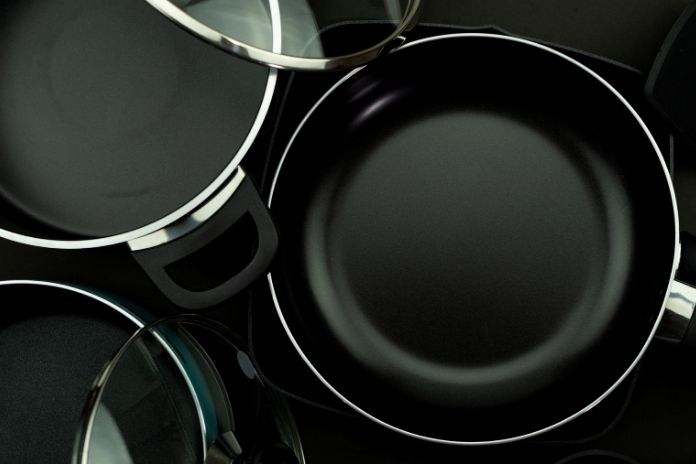
Manufacturers coat traditional nonstick cookware with PFAS (perfluoroalkyl compounds, or ‘forever chemicals’), which can leak into your food and surroundings when overheated. These substances “bioaccumulate and interfere with immune cell signaling and hormones,” says Dr. Pooja Gidwani, MD, MBA, double board-certified internal medicine doctor and longevity specialist.
PFAS exposure increases the risk of metabolic syndrome, alters vaccination antibody responses in children, and raises C-reactive protein (CRP) levels, which accelerate aging. Even little doses pile up over time. Cast iron, stainless steel, or ceramic cookware are healthier substitutes because they are durable, safe, and free from hazardous coatings.
2. Candles with Fragrances and plug-in Air Fresheners
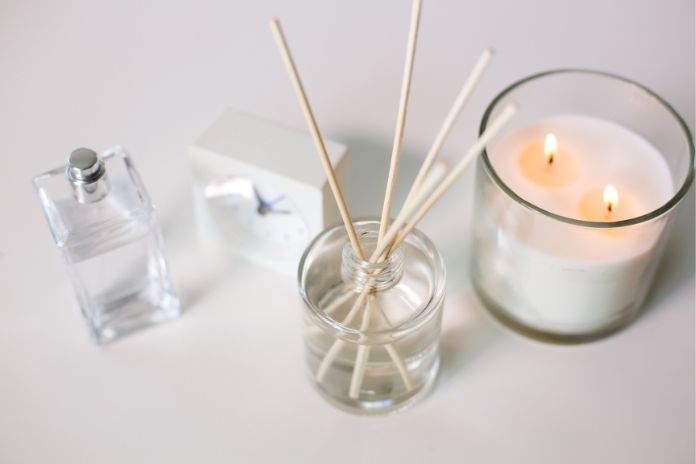
Manufacturers frequently load plug-in air fresheners and scented candles with chemicals that exacerbate inflammation. “I know they smell so yummy (and sometimes comforting), but paraffin wax, phthalates, and synthetic fragrances pump endocrine disruptors and volatile organic compounds (VOCs) like formaldehyde into your air,” Dr. Peatross says. “That’s not relaxation—that’s low-grade hidden inflammation.”
These products can induce headaches and worsen asthma and allergies. Instead of using scented goods, think about using an air purifier that eliminates odors instead of masking them.
Try beeswax candles or essential oil diffusers instead of saturating your room with artificial fragrances; they burn organically and without toxins. They provide soothing scents that encourage relaxation without escalating inflammation in your house, in addition to lowering exposure to contaminants.
Read More: I Ate an Anti-Inflammatory Diet During Pregnancy — My OB Was Shocked
3. Food Storage Made of Plastic

If you can, use glass, stainless steel, or silicone containers instead of plastic ones for food storage, especially if you cook your meals in them. “Plastics release bisphenols (BPA, BPS, BPF) and phthalates when heated, microwaved, or worn,” Dr. Gidwani says, adding that “plastics release bisphenols (BPA, BPS, BPF) and phthalates when heated, microwaved, or worn.”
The substances that leach from plastic food containers “have been linked to endocrine disruption and inflammation,” says physician Dr. Kara Wada, MD, quadruple board-certified physician in pediatric and adult allergy/immunology and lifestyle medicine.
Heating plastic—such as microwaving leftovers or leaving water bottles in a hot car—makes chemicals leach more easily, and this ongoing exposure can eventually place needless stress on your immune system.
4. Harsh Cleaning Supplies
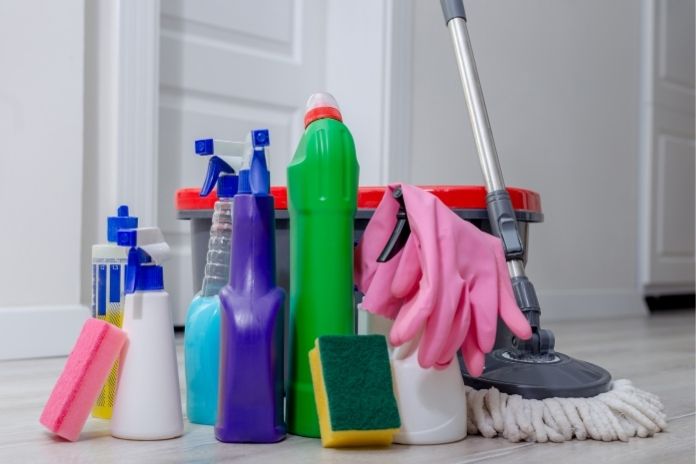
Avoid using cleaning supplies that can irritate skin, such as bleach, ammonia, and those with an artificial smell. “Bleach and ammonia emit reactive chlorine and nitrogen compounds,” says Dr. Gidwani. “Repeated exposure damages epithelial barriers in the respiratory tract and promotes immune-mediated inflammation.”
Studies have demonstrated these detrimental health impacts in cleaning employees exposed to hazardous substances over an extended period of time.
Fortunately, there are naturally safer alternatives that do not have side effects – vinegar, baking soda, and lemon juice may have somewhat different characteristics, but they are all very effective.
There are also greener cleaners that do not contain any toxic polluting ingredients. Safer cleaning products reduce the risks of inflammation, and they smell nice in your home.
5. Old Mattresses and Carpets

Most mattresses and upholstered pieces of furniture, such as couches and armchairs, are treated with chemicals that might cause inflammation.
“This law for mandatory furniture flame retardants was passed in the 1970s and was driven by cigarette companies after couches started catching on fire when folks fell asleep with a lit cig in their hands,” Dr. Peatross says.
Although furniture doesn’t burn, it can cause significant health issues depending on the process used.
“Flame retardants (and often phthalates) off-gas into house dust and air,” Dr. Wada adds.
Cover bedding with allergen-proof materials, wash it in hot water, and vacuum frequently with a HEPA filter to reduce dangers. Replace old carpets or mattresses with newer, non-toxic models designed for healthier indoor spaces.
6. Aluminium Foil
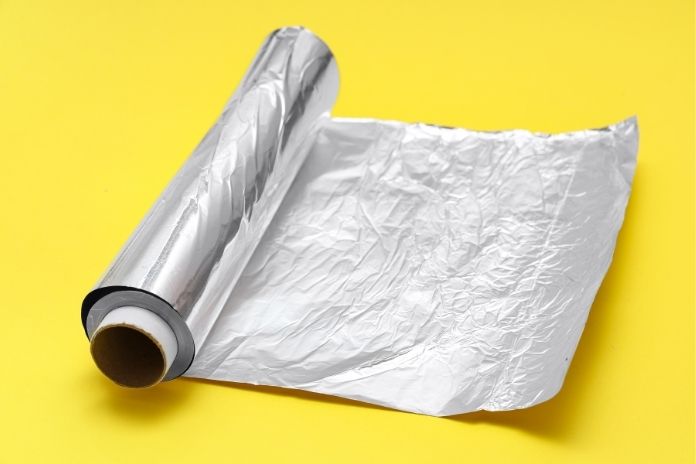
Avoid preserving acidic foods like tomatoes, citrus fruits, and vinegar with aluminum foil, because the foil can release aluminum ions into the meal.
“High aluminum intake has been associated with oxidative stress and neuroinflammation, and chronic exposure has been implicated in the development of Alzheimer’s dementia,” Dr. Gidwani says.
While aluminum foil may be OK to use with certain foods, you may want to use alternatives such as beeswax wraps and unbleached parchment paper, Dr. Peatross suggests.
Read More: How to Build an Anti-Inflammatory Morning Routine
How to Reduce Inflammation at Home
Increase Airflow: Good ways to manage the source of airborne contaminants and inflammation indoors include ventilation. If possible, include HEPA filter air purifiers for dust, allergens, and pollutants. Often open windows to allow the exchange of air from outside to inside.
Employ Eco-Friendly/Natural Products: Eliminate chemical products, also include hard cleaners and synthetic fragrances, through natural and eco-friendly alternatives. Natural essential oils, vinegar, and plant-based cleaners are effective, safe, and reduce undetected toxins that contribute to inflammation.
Increase your Consumption of Anti-Inflammatory Foods: Just as prescription drugs or supplements can influence your health, the food you eat plays an equally important role. Eating anti-inflammatory foods can help reduce inflammation.
“Making good choices in our diet to include fresh vegetables and fruits as well as reducing refined sugar intake can make a big difference,” says Dr. Varinthrej Pitis, MD, an internal medicine physician at Scripps Clinic Carmel Valley.
Adopt a Healthy Lifestyle: It’s essential to lead a balanced lifestyle that goes beyond cleaning and products. Daily activity, stress reduction, and regular sleep are all necessary for reducing inflammation and safeguarding long-term health.
When to Seek Professional Advice

Making small changes in your home may help decrease daily pollutants, but there also comes a time when you need to ask for help.
If you have ongoing issues, such as continuous allergies, frequent headaches, fatigue, and worsening inflammatory conditions, the environment you are living in could be a larger problem than you might think. These symptoms may indicate that your immune system is constantly under attack from the unknown within your home.
You can gain insight with the assistance of a healthcare provider. Your doctor may run blood tests for evidence of inflammation or nutritional deficiencies that are causing problems with those symptoms. In some circumstances, environmental sensitivity tests or allergy tests will determine whether mold, dust mites, chemicals, or other environmental aspects of your house are making you sick.
Read More: Soothing Anti-Inflammatory Turmeric Cauliflower Soup Recipe
Conclusion
Many people want to talk about diet when they think of inflammation, but the truth is, it’s much more complex—your home has as significant an impact as the food you eat. Things in your home such as old mattresses, scented candles, plastic containers, etc.,—might be triggers that have slowly and quietly compromised your immune function and made chronic inflammation worse.
Most people don’t consider the triggers that cause inflammation, but the cumulative effects over time could have profound implications that lead to major diseases like diabetes, heart disease, or autoimmune disorders.
The best part is, you don’t have to make a complete lifestyle change. Simple changes such as switching to glass instead of plastic, using natural cleansers, or installing an air purifier, may have a significant impact on reducing the risk of inflammation and improving the quality of your living environment.
References
- https://www.realsimple.com/inflammatory-household-items-11802775
- https://health.yahoo.com/wellness/nutrition/healthy-eating/articles/not-just-eat-6-household-102800947.html
- https://edition.cnn.com/2025/04/29/health/phthalates-heart-disease-wellness
- https://www.jacionline.org/article/S0091-6749(18)30029-0/pdf
- https://storymd.com/story/Qd9lQlZf2o-inflammation-part-3-how-environmental-toxins-spark-inflammation
- https://www.drkarawada.com/
- https://www.scripps.org/news_items/4232-six-keys-to-reducing-inflammation
- https://crpainfree.com/how-to-reduce-inflammation-naturally-a-guide-to-pain-relief/
- https://www.scripps.org/physicians/30941-varinthrej-pitis
- https://my.clevelandclinic.org/health/symptoms/21660-inflammation
In this Article