
















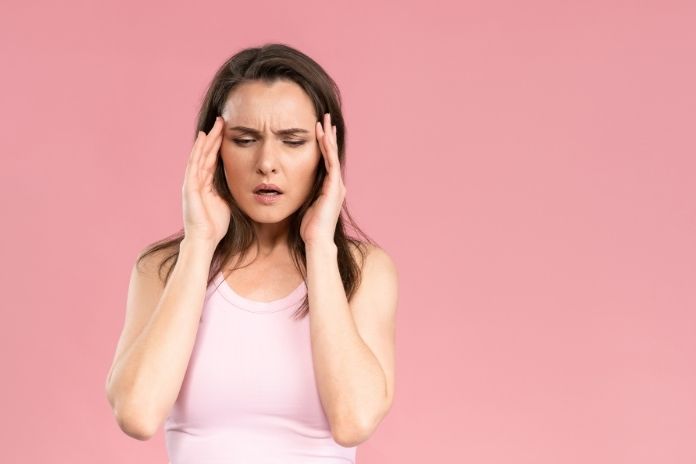
When the migraine strikes, we aren’t searching for theories but are seeking a solution that actually works. The pain can be debilitating, and it often comes with nausea, vision problems, and a sensitivity to light, sound, and motion that makes it difficult to function.
There isn’t a one-size-fits-all solution that will provide immediate relief for everyone. However, early treatment can make a significant difference. Certain treatments can help reduce pain intensity, shorten the duration of the migraine, or prevent it from escalating. These home remedies are intended to soothe the nervous system, alleviate sensory overload, and halt the migraine cycle before it’s fully established.
Migraines are a complex neurological phenomenon, not just a headache. In this article, we will understand all these aspects and learn more about quick migraine-relieving techniques.
What “Instant Migraine Relief” Realistically Means

The concept of fast relief for migraines can be a little deceptive. Migraines begin in the brain, with unusual nerve activity, altered blood vessel patterns, and a burst of activity in pain centers, particularly in the trigeminal nerve. As a result, relief does not necessarily mean that the pain goes away in a matter of minutes.
In reality, fast relief will simply mean one of three things: reducing the intensity of the pain, reducing other symptoms such as nausea or sensitivity to light, or halting the progression of the attack. Many people find that catching a migraine early can turn a severe attack into a manageable one, even if some mild discomfort remains.
“Many people believe the primary difference is just the intensity of the pain,” says Dr. Vernon Williams, MD, board-certified neurologist, pain management specialist, and founding director of the Center for Sports Neurology and Pain Medicine at Cedars-Sinai Kerlan-Jobe Institute in Los Angeles.
Timing is everything. Once a migraine has reached its full potential and central sensitization has begun, the brain becomes more sensitive to stimuli. At this point, both over-the-counter and prescription medications will have less effect. Therefore, fast relief is not about finding a quick fix. It is about recognizing an attack in its early stages.
Read More: Tension Headache vs Migraine: Key Differences
1. Get to a Dark, Quiet Space Immediately

Among the most reliable methods for relieving a migraine quickly is to reduce the amount of sensory stimulation as soon as the migraine begins. Since the brain’s ability to filter out sensory stimulation is compromised during a migraine, light, sound, and motion become non-stimuli and instead contribute to the pain.
Since the processing of visual and auditory stimuli is overactive, it triggers more stimulation to the trigeminal nerve, leading to increased pain. This is why typical indoor lighting or background noise can be so agonizing during a migraine.
Photophobia (light sensitivity) and phonophobia (sound sensitivity) are not just symptoms of a migraine but are actually integral to the process of how a migraine occurs.
Going to a dark and quiet room helps reduce the amount of stimulation that is already bombarding the overactive nervous system. Darkness reduces activity in the visual cortex, and silence eliminates competing stimuli that can increase pain.
While this alone may not provide immediate migraine pain relief, it often puts the brain in a position where other treatments will be more effective. Rest and darkness are the foundation of migraine pain relief for many people.
2. Apply Cold Therapy to the Head or Neck
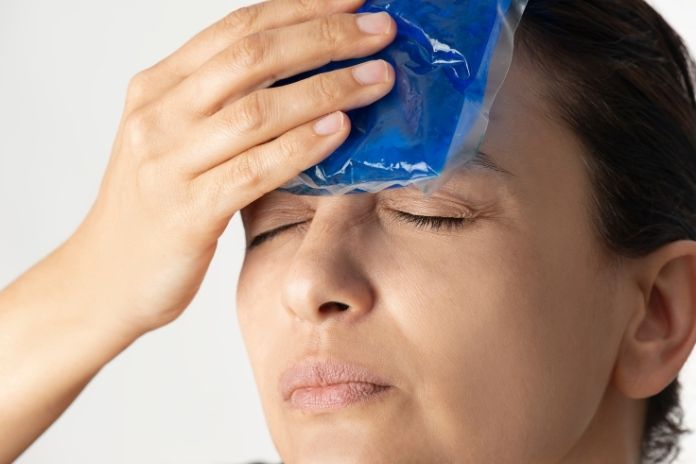
Cold therapy is a common home remedy for migraines, and for good reason. Applying something cold to the head or neck area can just tweak the blood vessels and the nerve messages that are causing the pain.
Exposure to cold causes blood vessels to constrict (vasoconstriction), which can reduce the throbbing pain. It can also slow down the speed of nerve messages, which can calm down the pain messages being sent down the trigeminal nerve. For many people, this provides relief, especially if you begin the cooling process early in the migraine attack.
Many people experience a reduction in pain within 15 to 20 minutes. While heat can be beneficial if tension headaches are a big part of migraines, cold therapy provides faster relief during an actual migraine attack.
Applying a cold pack to the forehead, temples, or the back of the head and neck targets areas where the sensory nerves are packed tightly together and connected to migraine messages.
Read More: Best Acupressure Mats for Migraine Relief: A Natural Way to Alleviate Pain
3. Hydrate—Especially If You’ve Missed Fluids

Staying hydrated is a very important factor in relieving migraine pain, perhaps even more so than many people think. Dehydration is a migraine trigger, and even mild fluid loss can turn up the heat on migraine symptoms.
Dehydration causes blood volume to decrease and creates an electrolyte imbalance. This is stressful for the nervous system and makes it easier to develop a migraine. If a migraine has already developed, dehydration can make symptoms of nausea, fatigue, and headache worse, making relief more difficult.
While staying hydrated won’t magically cure a migraine, it is often an important secondary factor in reducing the severity of symptoms. Staying hydrated can help with migraine symptoms if the migraine is caused or exacerbated by inadequate fluid intake or too much caffeine and/or alcohol consumption.
Moreover, it is best to stick with water or electrolyte-rich fluids. Sugary fluids and alcohol can worsen symptoms and make relief more difficult.
4. Try Gentle Caffeine (If You Tolerate It)

Caffeine is different when it comes to migraines. A small amount can help with the pain, but too much or too often can actually make it worse. It constricts blood vessels and stimulates the brain’s adenosine receptors, which can help reduce the pain of migraines for some people.
This is why you’ll see caffeine in some migraine medications, both over-the-counter and prescription. It can help reduce the vascular changes that cause pain in migraines, potentially giving quick relief.
But when tolerance is involved, it can be a different story. If you’re a regular caffeine user, too much can cause rebound headaches or increase the frequency of migraines. Drinking caffeine late in the day can also disrupt sleep patterns, which can increase the risk of migraines.
While it may provide quick relief for some people who use it well, a small cup of coffee or tea in the early stages of a migraine can’t be relied upon to fix the problem.
5. Use Slow Breathing or Pressure Techniques

Migraines are more than just a headache. They’re a wake-up call for the entire nervous system. During a migraine, the body tends to go into a state of high stress, which can increase the sensitivity of pain and make what the body is experiencing, such as taste, sound, light, and touch, more extreme.
Breathing exercises can work against this response by engaging the parasympathetic response of the nervous system. This can help to reduce the amount of pain that is being experienced, alleviate nausea, and allow the brain to move out of its hyper-responsive state.
While breathing exercises are not a direct treatment for migraines, they can be used in conjunction with quick relief to calm the environment of the nervous system in which the migraine is occurring.
Certain pressure point techniques, such as acupressure points on the hands or at the base of the head, may be beneficial for some individuals. These points are believed to affect the body’s pain centers and decrease the stimulation of the trigeminal nerve. While not entirely effective, these points can be used in conjunction with other home remedies for migraines.
Read More: 10 Best Migraine Relief Devices: From Cold Caps to Massage Tools
Why These Tips Work Better Early in a Migraine
Migraines occur in phases: prodrome, the headache itself, and postdrome. As the crisis progresses, the brain changes to make the headache even harder to overcome.
The moment a migraine begins, the pain centers are still receptive to treatment. However, if you wait too long, central sensitization sets in, making you more sensitive to light, sound, and touch. When this transition occurs, even the most potent treatments may have little effect.
Being aware of the early warning signs of a migraine, such as stiffness in the neck, yawning, sudden cravings for food, mood swings, or increased sensitivity to stimuli, is crucial to getting rapid relief from migraines. Recognizing the attack in its early stages can significantly improve the chances of reducing both its severity and duration.
What Usually Does Not Help Instantly
Many common “tips” won’t give you immediate relief from migraines and might actually make them worse. Random supplements, such as taking magnesium when you’re having a flare, will probably be more effective at preventing migraines than stopping one in its tracks.
Strong scents and essential oils can overwhelm your senses and make nausea worse. Taking too many pain pills can lead to medication-overuse headaches, making migraines more frequent and harder to treat. Staring at bright screens or trying to “tough out” the pain will probably just prolong the migraine.
When Home Strategies Aren’t Enough

Migraine remedies are most effective for mild to moderate migraines or when they are caught early. However, if the migraine persists for more than 24 to 48 hours, is a frequent occurrence, or presents unusual symptoms, it is time to consult a doctor.
Frequent migraines are more than just a pain. They are a neurological disorder that requires proper attention. For long-term management, you may require preventive medications, prescription medications for migraines, or newer treatments that focus on CGRP pathways.
How to Prepare for Faster Relief Next Time
People who experience migraines regularly benefit from having a migraine action plan. Knowing how to relieve a migraine quickly depends on understanding personal triggers, early symptoms, and effective responses.
Keeping tools such as cold packs, hydration options, and medications easily accessible reduces delays in treatment. Over time, recognizing patterns allows individuals to intervene earlier and achieve migraine relief faster and more consistently.
The Practical Takeaway
There is no magic quick solution for migraines, but taking action early and accurately can reduce pain and prevent attacks from becoming worse. The best reliable quick solutions are to reduce sensory stimulation, stay hydrated, apply cold treatment, and calm the nervous system.
For people suffering from frequent and debilitating migraines, home remedies should be part of a comprehensive treatment approach. Migraines are complicated, but recognizing them early and taking informed action can significantly reduce their effects.
References
- American Migraine Disorders. (n.d.). Migraine triggers: Caffeine. Association of Migraine Disorders. Retrieved January 2026, from
- Apex Medical Center. (n.d.). Suffer from migraines? Try these room darkening tips.
- Caffeine. (n.d.). In Wikipedia.
- Ciolek, J. J. (1985). Cryotherapy. Cleveland Clinic Journal of Medicine, 52(2), 193–201.
- MD Anderson Cancer Center. (2021, August 30). How to use acupressure points to relieve headache, nausea, and anxiety.
- National Center for Biotechnology Information. (2013). Cold and cryotherapy: A review of the literature on general principles and practical applications. PubMed.
- National Center for Biotechnology Information. (n.d.). Cryotherapy-induced persistent vasoconstriction after cutaneous cooling: Hysteresis between skin temperature and blood perfusion. PubMed.
In this Article