












A heart diagnosis can leave you anxious and confused, and perhaps you realize that you need to make a lot of changes in your life. Other than medical tests and visits, emotionally adjusting may be difficult.
The CDC lists heart disease as the most common cause of death in the U.S., with a cardiovascular-related death every 33 seconds. While the news can feel concerning, it offers room for heart-healthy lifestyle changes you can make.
Heart health is about nutrition, like eating foods that benefit your heart, safe physical activity, stress and sleep management, which is important for emotional and physical recovery. It is also about positive lifestyle modifications like taking your medication and having regular health check-ups.
By prioritizing these steps, you can transform your life after a heart diagnosis, improving both your heart health and your quality of life.
This article will discuss the significance of making lifestyle changes after being diagnosed with a heart condition, as well as give practical advice for the way that you should approach making those changes, such as forming habits that will help maintain long-term cardiac wellness.
Read More: Is Excessive Yawning a Sign of a Heart Attack? Causes, Warning Signs & When to Seek Help
Why Lifestyle Changes Matter After a Heart Diagnosis
A cardiac diagnosis is not a one-off; it marks the start of an ongoing management process. Careful medical treatment is vital, but lifestyle changes are equally crucial for secondary preventive measures that reduce the risk of future cardiac events and slow the progression of the disease.
Heart disease encompasses various conditions that impair the structure and function of the heart. Issues concerning cardiac rhythm, cardiac failure, and coronary artery disease are some of the many types of heart disease. It is a leading cause of death throughout the world, killing millions every year.
Although you have little control over certain heart disease risk factors, you can significantly lower your risk by adopting healthy lifestyle choices. You can protect your heart and general health by making small, regular changes to your everyday routine.
Heart-Healthy Diet: Nutrition is a cornerstone of heart disease prevention. Diets high in fruit, vegetables, whole grains, and lean protein can improve blood pressure, cholesterol, and overall heart health.
Regular Physical Activity: Exercise strengthens the heart, also helps to improve circulation, and helps maintain a healthy weight. Aim for around 150 mins of moderate-intensity aerobic activity per week, like brisk walking, swimming, or cycling. Incorporate strength exercises to enhance muscle and metabolic health.
Stress Management: Chronic stress may lead to unhealthy habits and also physiological changes that affect the heart. Activities like yoga, meditation, and spending time in nature can help lower stress levels. Setting boundaries in both business and personal matters can also help maintain balance.
Smoking Cessation: Quitting smoking is one of the most effective moves you can make for your heart. Even long-time smokers show benefits quickly after quitting, including increased blood flow and a lower risk of coronary artery disease.
Limiting Alcohol Consumption: Drinking too much alcohol raises blood pressure, leads to obesity, and increases the chance of having abnormal heart rhythms. If you drink alcohol, it is essential to do so in moderation, which is defined as a maximum of one drink for a woman and two for a man each day.
1. Focus on Risk Reduction—Not Perfection
Feelings of urgency and panic are normal following a heart diagnosis. There are various heart disease risk factors that you can change. If you make these modifications, you don’t just help protect your heart. Additionally, you can enhance general health and well-being.
You may have a lot of modifications to do. You can make changes gradually, one at a time, if necessary. The most crucial thing is that you create them. Risk-based priorities mean identifying habits that most influence heart health and gradually improving them.
Like limiting sodium intake most days, moving your body often, or managing stress better will minimize risk even if every choice isn’t ideal. These adjustments are very sensible and simpler to sustain over time.
Intensity is not as important as consistency. Extreme workouts done seldom are less effective than walking for thirty minutes most days. Regularly eating balanced meals promotes heart health more than short-term, rigorous diets. Over time, small, consistent activities safeguard the heart and establish stability.
2. Personalize Changes to Your Specific Heart Condition
There are many types of heart problems, and your lifestyle changes will vary according to the heart issue you’re dealing with. Someone with coronary artery disease may pay particular attention to cholesterol regulation and inflammation, while a heart failure patient may focus more on the fluid balance, sodium intake, and energy conservation.
Depending on diagnosis, symptoms, and stage of recovery, there can be significant differences in the priority for diet, exercise, and stress management. Some people thrive on aerobics or other more vigorous activities. Others need milder activity, and they must carefully control even that.
For several factors, from sodium and quality of fat to how much water you drink and when to eat, what might be suitable for one person is unsafe for another.
Because generic advice ignores these distinctions, it frequently fails cardiac patients. Without context, general advice like “eat healthily” or “exercise more” may seem unclear or even dangerous.
Read More: Signs of a Heart Attack vs. Panic Attack: When to Call 911
3. Build Changes Gradually Into Daily Life
It takes a considerable amount of time to form successful heart-healthy lifestyle changes. A sudden change after being diagnosed with any heart disease can be very overwhelming for most people. This often leads to abandonment of these goals altogether or feeling resentment toward the new heart-healthy behaviors. Gradual changes work better because they give both the body and the mind time to adjust.
Begin with a five- or ten-minute walk each day and add another minute or two as soon as you can. Go back to pace tasks such as cooking, washing dishes, and light gardening, and take a few minutes’ rest whenever you like. Start slowly by adding more vegetables and fruit, whole grains, and lean meats, rather than revolutionizing your diet overnight.
It takes adaptability and self-compassion to avoid burnout and relapse. Knowing that we may not meet our expectations can lead to stress, fear, and guilt when we face strict guidelines and deadlines.
A progressive approach enables you to have setbacks without falling backward onto your face. When you treat lifestyle changes as a gift rather than a chore, they are easier to maintain over the long haul.
4. Use Support Systems to Stay on Track
Feeling unsafe or afraid may occur following a cardiac incident or diagnosis, which is shocking and upsetting. It may make you anxious or depressed and lead you to avoid people or leisure activities.
Especially in the first few months, you could find yourself withdrawing, avoiding social interactions, catching up with family, or engaging in your regular activities.
Therefore, it’s crucial to keep in mind that talking to your loved ones about your experience and asking for aid are both highly beneficial. Loved ones’ support can increase motivation, lessen emotional strain, and lessen the loneliness of everyday adjustments.
Partnerships with registered dietitians, physical therapists, and medical professionals can offer individualized support at an additional level. A support system made up of professionals and people you trust can also make lifestyle changes significantly easier to follow long-term and less intimidating.
Common Challenges after a Heart Diagnosis
Being diagnosed with heart disease is a life-altering event that presents major lifestyle, emotional, and physical issues. Beyond managing the physical condition, patients frequently face a complicated process of adaptation and rehabilitation.
Anxiety and Fear: Patients frequently worry about their long-term health and lifespan or live in continual fear of another cardiac event, such as a heart attack.
Anxiety Disorders: People respond to specific items or circumstances with anxiety, dread, or panic. Generalized anxiety, social anxiety, panic disorder, and phobias are examples of anxiety disorders.
Post-traumatic Stress Disorder (PTSD): People might have PTSD after undergoing a stressful life experience, such as a natural disaster, heart disorders, or any other significant incident.
Chronic Stress: People are in a state of acute emotional stress, accompanied by predictable biochemical, physiological, and behavioral changes that persist over a long period of time.
Loss of Confidence and Vulnerability: People may feel “broken” or less in control of their lives, leaving them vulnerable, angry, and less independent.
Read More: Questions to Ask Your Cardiologist: A Complete Guide for Your Next Heart Appointment
How Lifestyle Changes Work With Medications
While lifestyle changes clearly support heart care, people should use them as an adjunct to medication rather than a substitute for it. Medication regulates blood pressure, cholesterol, heart rhythm, and clot risk, often correcting problems that lifestyle changes cannot adequately control.
Healthy habits that complement this by improving general heart function and relieving demands on the cardiovascular system.
Several types of drugs can help control cardiac problems and improve cardiovascular health. The following are some of the frequently prescribed drugs and their functions:
Antihypertensives
ACE Inhibitors: Lisinopril and enalapril relax blood vessels, lower blood pressure, and lessen the heart’s workload.
Beta-Blockers: Metoprolol and atenolol lower blood pressure and slow heart rate, which facilitates the heart’s pumping action.
Calcium Channel Blockers: Diltiazem and amlodipine relax blood arteries and reduce blood pressure.
Drugs that Lower Cholesterol
Statins (e.g., atorvastatin, simvastatin): Statins lower LDL cholesterol levels and lessen the risk of heart attack and stroke.
Ezetimibe: This drug lowers the absorption of cholesterol from the gut.
Antiplatelets and Anticoagulants
Aspirin: Reducing the risk of stroke and heart attack by preventing blood clots with low-dose aspirin.
Warfarin and Clopidogrel: Drugs that thin the blood to prevent blood clots.
Drugs for Heart Failure
Digoxin: Helps strengthen and improve the heart’s efficiency.
Aldosterone Antagonists (e.g., spironolactone): These drugs assist in lessening symptoms of heart failure.
Always consult a doctor before taking any medications.
Signs Your Lifestyle Plan Needs Adjustment

If you have abrupt weight fluctuations, increased dyspnea, leg or abdominal edema, chronic exhaustion, or dizziness, your heart health plan needs to be adjusted.
Sudden Weight Changes: Gaining 2-3 pounds in a day or 5 pounds in a week generally suggests severe fluid retention.
Breathing Issues: Shortness of breath at rest or the need for additional pillows to sleep (orthopnea) indicates that the heart is struggling.
Increased Swelling: Appreciable edema in the legs, ankles, feet, or stomach.
Fatigue and Weakness: Extreme fatigue or trouble doing routine and mundane duties.
Long-Term Mindset for Living Well With Heart Disease

Living with an ongoing heart disease means adapting our lives to the special problems it presents, in addition to treating the disease with drugs and diet. We have suggested helpful hints for the heart patient about getting along from day to day and using to best advantage some of the tools and services at hand.
Helpful Advice for Day-to-Day Administration
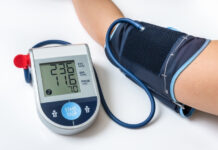
Routine Monitoring: Monitor and record the critical vital signs, including blood pressure and heart rate. Home monitoring equipment can help detect variances and spot potential health concerns.
Medication Management: To help you remember to take your meds, establish a regular schedule. Set reminders on phones or other devices and use pill organizers.
Diet and Fluid Intake: Adhere to a heart-healthy diet and ensure you are retaining your fluids, especially if you are coping with heart failure. Because excessive fluid intake can overload the heart.
Planning Activities: Don’t tire yourself out. You can strain your heart. Plan activities so you will have time to rest.
Tools and Resources for Heart Disease Management
Making use of tools and resources can significantly help with better heart disease management:
Mobile Health applications: By monitoring nutrition, exercise, medication, and vital signs, a variety of applications can assist in managing heart disease.
Emergency Preparedness: Be aware of how to respond to a heart emergency, including how and when to call for help.
Communication with your Team: Call your health team as planned for all your appointments, and let them know if anything changes or if anything else comes up.
Read More: Supplements That Can Cause Heart Palpitations: What You Should Know to Stay Safe
Conclusion
A heart diagnosis could change how you see your body, habits, and years ahead, but it doesn’t mean that life has to stop.
Lifestyle improvements aren’t about being perfect or massive. They are about steady, educated choices that limit risk, assist medical treatment, and help you reclaim vitality and resilience in the day. If lifestyle changes are introduced gradually and tailored to your energy levels, it is more likely to become sustainable.
References
- American Heart Association. (January 2, 2025). Lifestyle Changes to Prevent a Heart Attack.
- American Heart Association. (2025, June 16). Lifestyle changes for heart failure.
- UCHealth. (2025, February 3). Navigating heart disease risk: From genetics to lifestyle.
- Ageing Mind Initiative. (2013). Four lifestyle changes will protect your heart and significantly reduce your risk of death.
- Brown University Health. (2023, December 20). Cardiac rehab: Reverse the progression of heart disease.
- MedlinePlus. (2024, June 27). How to prevent heart disease.
- Heart Foundation Australia. (14 October, 2025). Feelings and emotions after a heart attack.
- Centers for Disease Control and Prevention. (2024, May 15). About heart disease and mental health.
- State Government of Victoria, Department of Health. (08 September, 2022). Heart disease and mental health.
- British Heart Foundation. (2023, February 1). The new normal: Adapting to life with a heart condition.
- Modi, B. The importance of lifestyle changes in heart disease management.
- Heart & Health. Living with long-term heart disease.
In this Article