














If you live with anxiety, you know how the environment can affect your mood and energy. Continuous deadlines, noisy offices, unpredictable workloads, or heavy social interaction can increase anxiety symptoms. This is a major reason why people with anxiety choose work that naturally aligns with their strengths and comfort zone.
Anxiety doesn’t mean you can’t succeed in your favorite field. It simply means you thrive best in those roles with calm work environments, predictable routines, and a level of control that helps you perform at your best.
Dr Jyoti Kapoor, Founder-Director and Senior Psychiatrist, Manasthali, shares, “Workplace anxiety is a prevalent and often underestimated mental health concern that affects individuals in various industries and job roles. It refers to the emotional distress and unease employees experience in response to the demands, pressures, and expectations of their work environment. This form of anxiety can have a significant impact on an individual’s overall well-being and productivity.”
Throughout this article, you’ll find low-stress jobs for people with anxiety, the best jobs for anxiety sufferers, and paths offering flexibility, creativity, serenity, or structure.
We’ll also cover jobs for individuals with social anxiety, careers for people with generalized anxiety disorder, remote jobs for anxiety, and mental health-friendly careers that support long-term well-being.
Quick Note: This article is for general insight only, and we are not providing medical or career advice.
Key Takeaways — What You’ll Learn
- Why your work environment plays a huge role in anxiety management.
- Which job categories fit different needs, ranging from introvert anxiety jobs to creative or routine-based roles?
- How to choose a career path, or redesign one, to support mental and emotional health.
What Makes a Job “Good” for People With Anxiety?

Here’s a quick list of what makes a job ‘good’ for people with anxiety:
1. Predictable Routines and Clear Expectations
When you have a predictable routine and task list, it reduces overwhelm and anticipatory worry. Jobs with defined responsibilities and that have minimal last-minute changes are generally ideal for workers managing anxiety.
2. Quiet or Low-Social Environments
Calm settings make it easier to focus and regulate emotions to avoid sensory overload. The roles here typically require very few in-person interactions. Having such an atmosphere helps people who have social anxiety.
3. Flexible or Remote Work Options
Many remote anxiety jobs let you control your workflow, giving you the freedom to pause, recharge, and care for your mental health. This makes it much easier to attend therapy or self-care sessions without the pressure of a traditional office routine.
4. Supportive Work Culture
Even the best role can feel hard if your workplace lacks empathy. Mental health-friendly careers usually involve understanding leadership, reasonable expectations, and systems that support well-being.
15 Best Jobs for People With Anxiety
1. Writer or Editor

Writing lets you take a moment to think, create, and express yourself, while there is no continuous pressure for social interaction. It’s one of the best jobs for people with anxiety because it offers deep focus with minimal interruptions.
Many writers work remotely, which helps manage symptoms and put a pace on your workload. The scope is vast and includes content writing, copywriting, blogging, and editing. You can really shape your schedule in a way that feels healthy and sustainable. This role might suit introverts, creative thinkers, and those who like working independently.
Why it works:
- Flexible scheduling and remote options
- Minimal social interaction
Read More: 5-4-3-2-1 Coping Technique for Anxiety: How It Works
2. Graphic Designer

Graphic design combines creativity with structured activity-ideal for introvert anxiety jobs. Most projects follow predictable workflows, helping reduce stress associated with unclear expectations.
The best part is that many designers can freelance or work in small, calm teams. This helps you control much of your environment. The work feels rewarding since you see clear visual results after every project. For anxiety sufferers, creating art digitally can also be a grounding and therapeutic activity.
Why it works:
- Visual, hands-on work that limits over-thinking
- Often performed in peaceful, independent settings
3. Data Entry Specialist
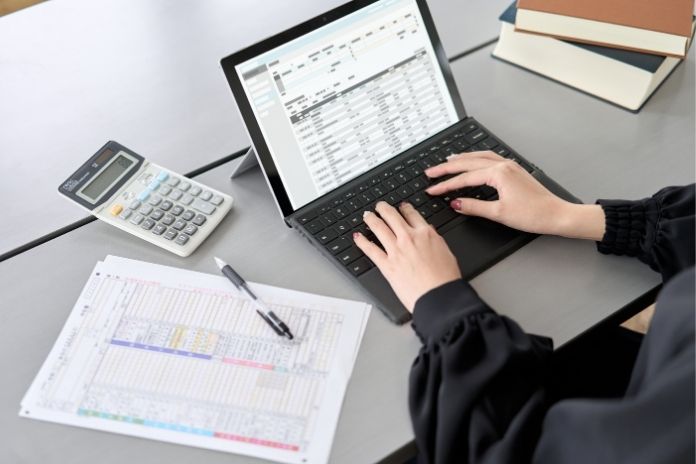
Data entry provides a repetitive, steady workflow. This has a calming effect on many anxiety sufferers. Since the tasks are predictable and the rules are clear, you have little emotional pressure or ambiguity.
Generally, the data entry positions are fully remote, allowing you to work from a familiar, comfortable space. Success in this role depends on focus and accuracy, making it perfect for people who enjoy quiet concentration. It’s also one of the most accessible low-stress jobs for those with anxiety.
Why it works:
- Predictable routines that reduce overload
- Very little need of interactions with team
4. Librarian or Archivist

Libraries or archives are among the most peaceful workplaces you can find. These places have tranquility, organization, and very little chaos, making them one of the best jobs for people with anxiety.
Tasks of a librarian are methodical, such as cataloging, organizing, or even quietly helping visitors. People who enjoy working with information rather than crowds do very well here. You get to help others in a calm, respectful setting.
Why it works:
- Organized work with clear systems
- Quiet surroundings with low sensory load
Read More: Best Mindfulness Journals for Anxiety and Self-Reflection
5. Accountant or Bookkeeper

Accounting or bookkeeping is a crucial yet popular job we can find in almost every organization. Numbers don’t judge, hurry, or chatter excessively, making this a solid choice for careers for individuals with generalized anxiety disorder. The role involves structured routines such as bookkeeping, tax preparation, or financial reporting.
Most of the accounting work is independent, and deadlines are predictable. Many accountants also freelance or work remotely. All these can give you better control over your environment. If you like order and logic, this role provides you with a steady, reliable rhythm.
Why it works:
- Highly structured, predictable tasks
- Clear goals with less ambiguity
6. Laboratory Technician
The job of a lab technician is often less discussed. However, surprisingly, this can be very soothing work, as everything follows a standard procedure. This job is ideal for an analytical thinker who enjoys precision and stability.
The team is often small, which fits with jobs for people with social anxiety. You focus on experiments, data gathering, or sample analysis. These processes require concentration rather than constant communication. It’s rewarding work, too, because what you’re doing has implications for real scientific outcomes.
Why it works:
- Clear protocols that reduce unpredictability
- Quiet, controlled lab environments having small teams.
7. Computer Programmer/Software Developer

Programming is one of the best remote jobs for anxiety because you can work from anywhere and set your own workflow. Many developers work long stretches in deep focus, which tends to naturally limit social pressure.
Problem-solving in code also creates a sense of accomplishment and control. Most teams value asynchronous communication, which involves chat or email, making it more palatable for the anxious mind. This job offers both financial and emotional stability, given the potential for high earnings.
Why it works:
- High level of autonomy and schedule control
- Minimal face-to-face interaction and the benefit of mostly-remote settings.
8. Landscaper or Gardener

Scientifically, working in nature has been shown to reduce stress and support good mental health. Gardening and landscaping allow you to stay active without the intensity of social pressure.
The gardening tasks are hands-on, predictable, and soothing. Activities include watering, planting, trimming, or maintaining outdoor spaces. You get time outdoors, which helps regulate anxiety and mood. For many, this becomes both a job and a therapeutic practice.
Why it works:
- Outdoor environments naturally reduce anxiety
- These outdoor activities are physical, grounding, and meditative
9. Veterinary Technician or Animal Care Worker

If you love animals, the job of a veterinary technician or animal care worker might suit you. Animals provide comfort in ways people can’t. Working with them provides emotional support and a sense of purpose. Although slightly unpredictable, it’s usually much calmer than people-focused roles.
A veterinary technician helps with exams, grooming, and feeding. They also handle simple procedures where you need to show compassion more than social pressure. It’s one of the most emotionally rewarding mental health-friendly careers.
Why it works:
- Emotional connection with animals
- Purposeful work that gives you confidence and peace
10. Archivist or Museum Curator

Museums and archives are structured, peaceful environments that are ideal for low-stress jobs for individuals with anxiety. A curator normally deals with artifacts, documents, or exhibits, with the aim of careful organization and research.
The work is stimulating, yet not overwhelming; the schedules are predictable, with less crowd interaction. Most of the tasks involve independent study or cataloging, thus suiting quiet workers. This will be ideal for the quiet worker who likes culture but not the noise of the fast-paced workplace.
Why it works:
- Peaceful and consistent settings
- Research-oriented activities with low uncertainty
11. Transcriptionist

Transcription involves the conversion of audio into text. It is a quiet, focused job well-suited for introverts. Because it’s almost always remote, you get to control the space, lighting, and noise levels.
The work is repetitive in a calming way, and you can always pause recordings when you need a break. People who enjoy routine, listening, and typing often find this job soothing. It requires accuracy but not social interaction.
Why it works:
- Solo, home-based work
- Predictable tasks that support mental clarity
12. Technical Writer

Technical writing offers structure, clarity, and predictable workflows, all of which are helpful for anxiety management. Normally, you would write instruction guides, product documents, or manuals.
There is hardly any need for excessive collaboration, and deadlines are generally quite reasonable. With this role, you can combine creativity and logic, making it one of those good jobs for people with anxiety who enjoy writing but prefer clear frameworks. Most roles can be remote.
Why it works:
- Direct writing tasks with specific aims/end
- Little ambiguity or office pressure
13. Medical Coder or Health Information Specialist
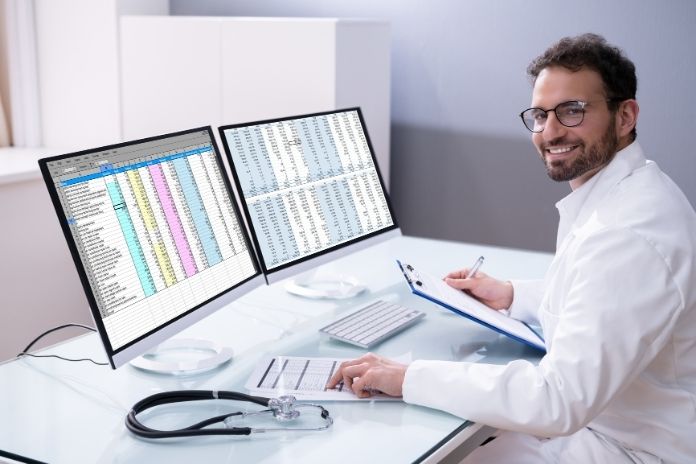
Medical coding is a very data-driven area, with specific guidelines that might help reduce anxiety due to uncertainty. Many times, it’s remote, and flexible – you have complete control over your work environment.
In these jobs, unlike in clinical healthcare careers, there’s no patient interaction. It’s also in high demand, and that provides job security, which is a huge relief for anxious people. That is an excellent fit for careers for people with generalized anxiety disorder.
Why it works:
- Stable routines without any public interaction
- Many remote, quiet, focused roles
Read More: Yoga for Anxiety: 10 Effective Postures to Soothe Your Body and Mind
14. Artist or Craftsperson

Creative work is emotionally releasing and grounding, hence one of the most therapeutic introvert anxiety jobs. You can paint, sculpt, stitch, design, or craft – anything that helps you express yourself.
Many artists work on their own or freelance, which helps reduce office pressure and politics. The process itself is calming and meditative to many people who experience anxiety. You also get the satisfaction of turning creativity into income.
Why it works:
- Creative expression that reduces stress
- Independent work where social interaction is minimal
15. Park Ranger or Conservation Worker

One of the best antidotes to chronic anxiety comes from nature-based, active work. Park rangers maintain trails, educate visitors, and support wildlife protection. They are passionate about doing all these, yet don’t get overwhelmed.
One spends most of the day outdoors in tranquil, open spaces. There is limited social engagement, often with respectful visitors or small teams. These jobs are ideal for someone who thrives on routine but finds loud office environments unbearable.
Why it works:
- Deep connection to nature
- Calm outdoor settings that regulate anxiety
How to Manage Anxiety at Work, No Matter the Job
Sometimes, jobs get stressful. And people suffering from anxiety might find this overwhelming. Here are a few tips to manage anxiety at work, irrespective of the job:
- Set boundaries. You may plan breaks, movement, and reset periods into your day.
- Practice mindfulness or deep-breathing techniques during times of stress.
- Speak to your manager if you need accommodations or schedule adjustments.
- Join therapy or support groups specializing in workplace anxiety.
Quick Recap — How to Find Work That Works for You
Choosing the right career isn’t about avoiding challenges; it’s about avoiding unnecessary stress. Even highly demanding jobs can feel quite manageable with self-awareness, supportive workplaces, and environments that match your needs.
Many of us desire a career that supports our lifestyle. However, it is also important to find a job that aligns with your mental health. It’s about finding roles that amplify your strengths while giving you enough space to breathe.
Frequently Asked Questions
Q. Can I work full-time if I have anxiety?
A. Yes, many people with anxiety do well at full-time positions. However, the environment must be conducive to supporting their needs.
Q. Are remote jobs better for people with anxiety?
A. Often, yes. Remote roles reduce social pressure, commuting stress, and sensory overload.
Q. Which jobs do people with social anxiety should avoid?
A. High-pressure sales and customer service or any public-facing role might be more triggering.
Q. Will therapy help me be better at work?
A. Absolutely; therapy teaches how to cope with problems and boosts confidence in the workplace.
Q. How do I explain anxiety to my employer?
A. Share only what you’re comfortable with, focusing on what accommodations help you do your best work.
References
- https://www.webmd.com/anxiety-panic/features/workplace-anxiety
- https://www.contrado.co.uk/blog/creative-careers-for-introverts/
- https://pmc.ncbi.nlm.nih.gov/articles/PMC5798770/
- https://www.researchgate.net/publication/316247518_Museums_as_Therapeutic_Environments_and_the_Contribution_of_Art_Therapy
- https://www.helloklarity.com/post/jobs-for-people-with-anxiety/
- https://www.talked.com.au/blog/best-jobs-for-people-with-anxiety
In this Article