













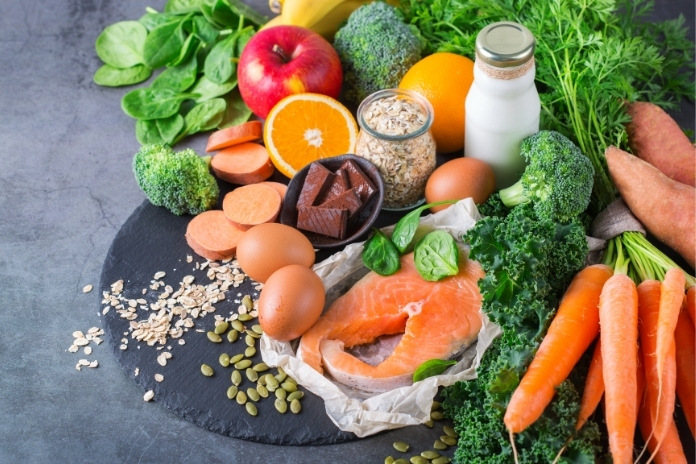
Do you recall the famous joke about how carrots can improve your vision? You never see a bunny wearing glasses because of this! It’s true, actually.
Beta-carotene, a vitamin that is beneficial to your eyesight, is abundant in carrots. Beta-carotene is found in many other popular fruits and vegetables, and its advantages extend far beyond improved vision. It is because beta-carotene is the gateway for the body’s supply of vitamin A.
They call beta-carotene a provitamin A nutrient because when the body calls for it, beta-carotene turns itself into vitamin A. It’s an essential part of any diet because vitamin A is necessary for healthy skin, for our vision, for immunity, and for cell growth.
It is best to get beta-carotene from whole foods rather than supplements. This article explains the role of beta-carotene in the body, the best foods that contain it, its health benefits, and some tips for eating more of it.
Read More: Foods to Combine with Your Plant-Based Iron for Better Absorption
What Is Beta-Carotene and Why Does It Matter?
Naturally occurring food coloring, beta-carotene, is a carotenoid, a type of vitamin. Foods rich in beta-carotene and other carotenoids typically display deep, rich hues.
But beta-carotene does more than paint your plate with a rainbow hue. It’s a ‘provitamin A carotenoid,’ a fancy way of saying it’s a natural source of vitamin A for our body.
Once consumed, you’ll absorb it through your intestines, and your body will use it as vitamin A as and when required.
Preformed vitamin A is found in animal-based foods such as meat, fish, and dairy products. In contrast, many plant foods supply provitamin A carotenoids, including beta-carotene.
As a result, beta-carotene provides your body with the benefits of vitamin A along with additional health advantages of its own.
“Beta-carotene gets converted into vitamin A in your body,” explains registered dietitian Carly Sedlacek, RD, LD. “It’s a great source of antioxidants and full of anti-inflammatory properties, too,” she adds.
How to Improve Beta-Carotene Absorption
You should consume beta-carotene with healthy fats like extra virgin olive oil, avocado, nuts, seeds, oily salmon, and eggs to maximize its absorption. It is because beta-carotene is fat-soluble and is better absorbed when fat is present. Your body cannot absorb carotenoids, such as beta-carotene, if you don’t eat any fat along with them.
Lightly heating or sautéing your vegetables will help release more beta-carotene and increase its bioavailability since heat breaks down plant cell walls. The magic word is “lightly.” A little overcooking, and you risk losing all the nutrients in the frying pan.
Similarly, you can enhance the absorption of beta-carotene from carrots, sweet potatoes, and squash by mixing them with, or mashing them together with, other fruits such as papaya, mango, or apricot. It can also be a smart addition to your morning smoothie.
Top Beta-Carotene Foods to Include Regularly
Let’s examine foods rich in beta carotene so you can get enough of this vital nutrient.
Sweet Potatoes
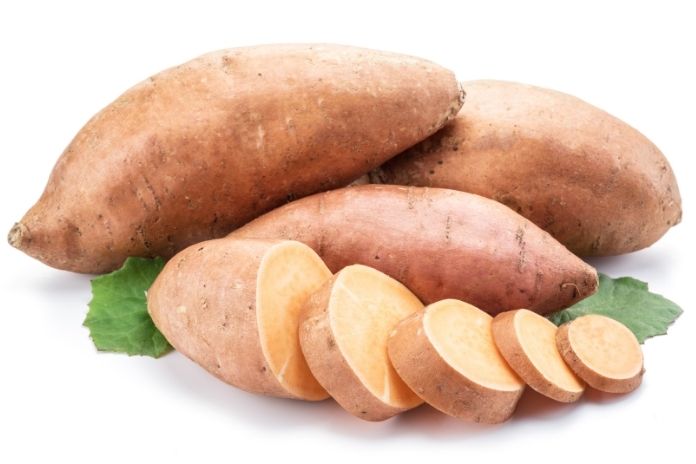
One great source of beta-carotene is sweet potatoes. Additionally, they are an excellent source of vitamin C, meeting roughly 21% of your daily requirements.
As a potent antioxidant, vitamin C supports immune function and protects cells from damage. Additionally, it is required for collagen synthesis, a protein that promotes skin health and wound healing.
- 14,300 micrograms of beta-carotene
- One medium cooked sweet potato without skin
Carrots
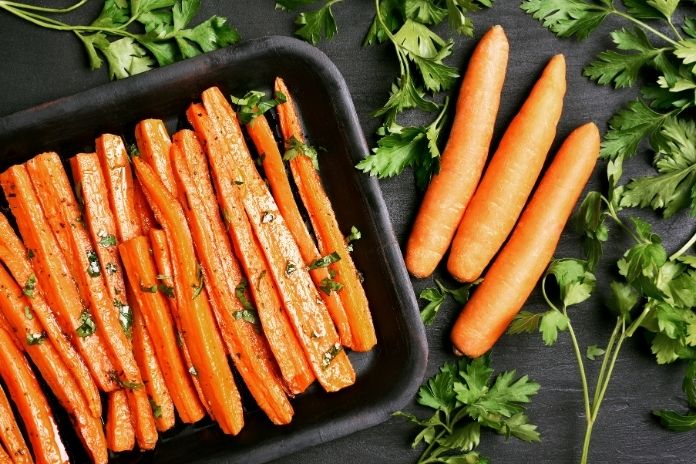
Carrots also contain beta-carotene. Although raw carrots still contain a significant amount, cooking carrots may increase the amount of beta-carotene your body absorbs.
Additionally, there is evidence that juicing carrots may enhance the absorption of beta-carotene by breaking down plant cell walls, thereby facilitating your body’s utilization of the nutrient.
- 12,995 micrograms of beta-carotene
- One cup, sliced and cooked
Read More: How Eating Carrots Regularly Can Improve Your Eyesight: Nutrition-Backed Benefits & Smart Tips
Spinach
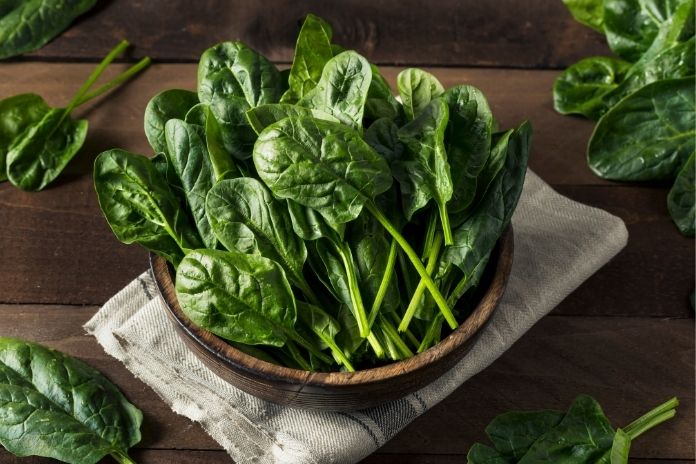
Even though spinach isn’t orange, it nevertheless contains a lot of beta-carotene. Chlorophyll is responsible for the green hue by hiding the orange pigment.
Iron, folate, vitamin K, and lutein, an antioxidant that promotes eye health, are also found in spinach.
- 11,300 micrograms of beta-carotene
- One cup cooked is the serving size
Kale
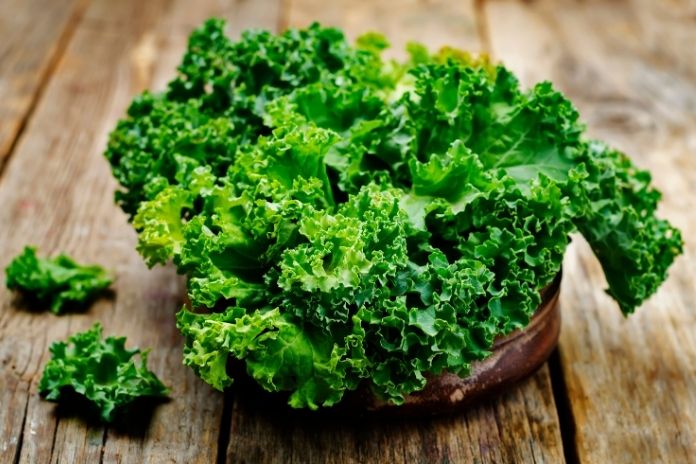
Beta-carotene, vitamin C, vitamin K, and eye-supporting antioxidants like lutein and zeaxanthin are all found in the popular superfood, kale.
Cooking kale enhances its absorption of fat-soluble elements like beta-carotene and lessens its bitterness.
- 2,040 micrograms of beta-carotene
- One cup of cooked kale is served
Pumpkin

Beta-carotene is abundant in pumpkin. You may eat pumpkin raw, and this variety of winter squash has a higher beta-carotene content. The RDA for 100 grams of raw pumpkin is 29%; when cooked, it is just 19%.
If you’re not keen on eating raw pumpkin, why not try making pumpkin gnocchi, using it in a pumpkin smoothie, or making a vegan pumpkin cheesecake?
- 8,500 micrograms of beta-carotene
- One cup of cooked pumpkin is the serving size
Butternut Squash
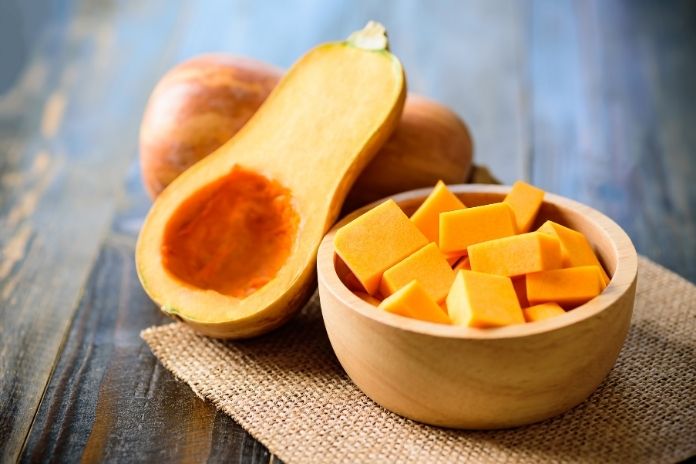
Butternut squash is a fantastic source of this vital substance. 39% of the RDA is found in 100 grams of raw butternut squash; when cooked without salt, that percentage rises to 42%.
Oven-roasted or in a vegan winter squash soup are two delectable ways to enjoy this meal, which is high in beta carotene.
- 9,300 micrograms of beta-carotene
- One cup of cooked butternut squash is the serving size
Red Bell Peppers
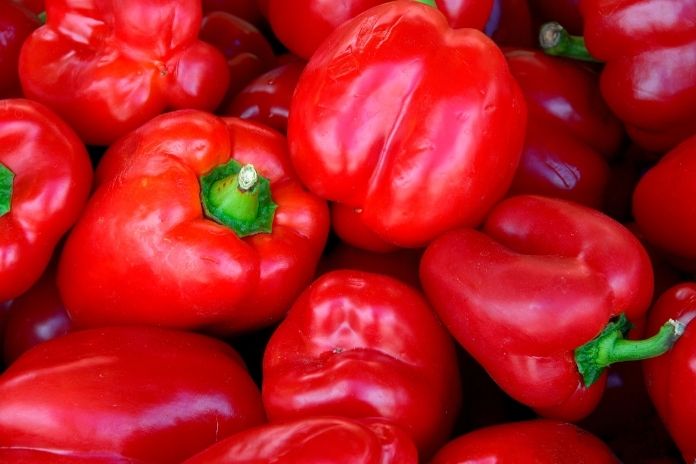
Red bell peppers contain more beta-carotene than green peppers because they are fully ripened. Additionally, they contain large amounts of vitamin C, which boosts immunity and shields cells from harm.
While retaining most of the nutrients in peppers, light cooking methods such as stir-frying can marginally increase beta-carotene absorption.
- 1,660 micrograms of beta-carotene
- One cup, sautéed, is the serving size
Mango
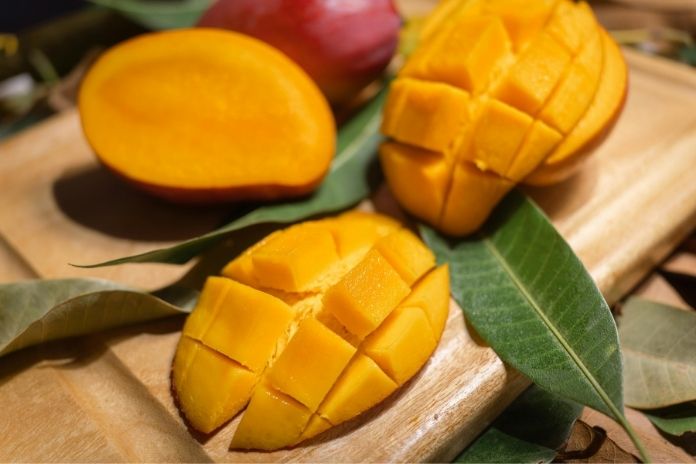
Tasty fruits like mangoes provide beta-carotene, offering a natural way to meet vitamin A needs and satisfy sweet cravings. Bonus points include fiber and vitamin C, which help digestion and immunity.
Portions are essential, since fruits are naturally sugary, and to gain the benefits without overdoing the sweets, just a little bowlful of fresh mango or half of a medium mango will be enough.
- 1,100 micrograms of beta-carotene
- One cup of sliced fresh mango is the serving size
Read More: Yam vs. Sweet Potato: What’s the Difference and Which Is Healthier?
Cantaloupe
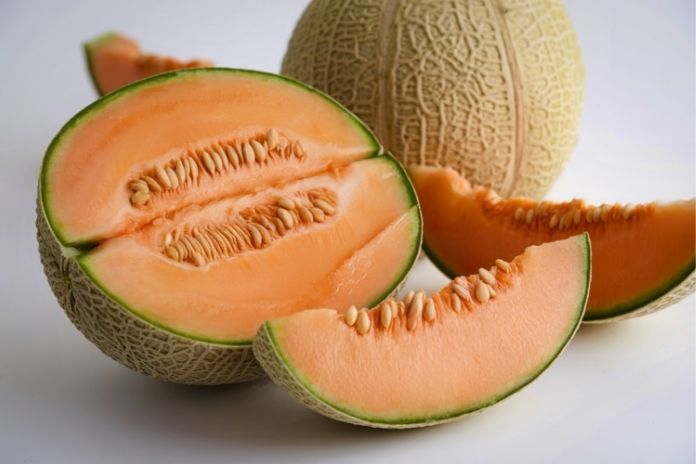
The cantaloupe is a fruit commonly consumed on its own and in fruit salads, homemade slushies, and other similar preparations.
Additionally, it is a food rich in beta carotene, with 100 grams providing 19 percent of the recommended daily allowance.
- 950 micrograms of beta-carotene
- One cup of diced cantaloupe is the serving size
Apricots
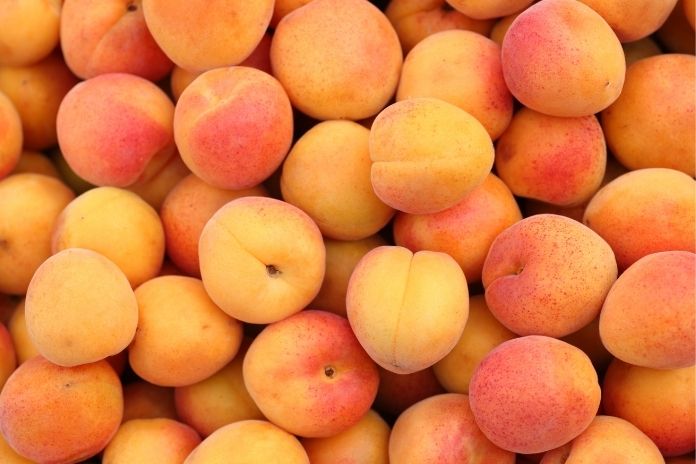
Apricots are a fruit that is rich in beta-carotene, fiber, and vitamin C and is hydrating. Vitamin C, like beta-carotene, is considered beneficial for eye health because it helps protect against oxidative damage and may reduce the risk of cataracts.
Additionally, dried apricots are an excellent source of beta-carotene. However, because they are more concentrated, they typically contain a higher amount of sugar. It is something to keep in mind if you are tracking your blood sugar levels.
- 1,690 micrograms of beta-carotene
- 1 cup, divided into two equal portions
Beta-Carotene from Fruits vs Vegetables
Eating fruits and vegetables has several benefits. Getting enough carotenoids, naturally occurring substances found in fruits and vegetables with potent antioxidant and disease-preventive qualities, is one of the main reasons.
Every edible part of a fruit or vegetable contains carotenoids, though the skin often concentrates them. Therefore, it is advantageous to consume fruits and vegetables with their peels on.
Among carotenoids, beta-carotene is arguably the best-known and most researched. A study conducted on teenage females demonstrates that it may offer protection against benign breast illness, which frequently results in breast cancer.
Eat a lot of dark green leafy vegetables and yellow or orange fruits, like pumpkin, sweet potatoes, carrots, cantaloupe, apricots, spinach, kale, and broccoli, to ensure you are getting enough beta-carotene.
Read More: Can You Eat the Skin on Butternut Squash? What You Should Know
How Much Beta-Carotene Do You Need?
Beta-carotene itself has no established daily recommended consumption. Vitamin A is the basis for requirements instead. The suggested daily intake of vitamin A for adults is:
- 700 mcg of women’s retinol activity equivalents (RAE)
- For men, 900 mcg RAE
One microgram of vitamin A (RAE) is equivalent to 12 micrograms of dietary beta-carotene.
Can You Get Too Much Beta-Carotene From Food?
At high concentrations, beta-carotene does not appear hazardous. However, prolonged high dosages can cause carotenemia. As a result, your skin turns yellowish or orange.
For certain people, too much beta-carotene might be problematic. It includes those who are unable to convert beta-carotene to vitamin A. People with hypothyroidism may experience this.
Higher vitamin A intake may raise the risk of fractures in both men and women after menopause.
Doctors do not recommend taking high-dose preformed vitamin A supplements during pregnancy. Excessive amounts can result in miscarriage or birth abnormalities.
Who May Benefit Most From Beta-Carotene-Rich Foods
Individuals who have a hard time getting their daily veggie servings stand to benefit most from higher beta-carotene foods. People eat fewer vegetables due to preferences, time constraints, or possibly difficulty accessing healthy produce, therefore potentially missing crucial micronutrients.
That gap is easily accounted for by focusing on the foods high in beta-carotene, such as leafy greens, sweet potatoes, and carrots.
Making these foods a priority also helps those who are concerned about maintaining the health of their eyes and skin. Regular consumption of beta-carotene promotes healthy skin cell turnover, supports eye health, and protects the eyes from age-related damage, as it converts to vitamin A when the body needs it.
Read More: Is Dried Mango Good for You? Nutrition, Benefits, and Drawbacks
Conclusion
This provitamin A nutrient, beta-carotene, can enhance immunity, skin health, vision, and cellular function. Though it’s widely available in supplement form, whole foods remain the safest and most effective way to get this nutrient.
In addition to beta-carotene, foods high in this vitamin are generally rich in fiber, antioxidants, and other vitamins that offer health benefits.
References
- Lindsey DeSoto, RD. (2026, January 18). 12 foods high in beta-carotene for immune support.
- Daisy Whitbread BSc (Hons) MSc DipION. (November 10, 2024). Top 10 Foods Highest in Beta Carotene.
- Cleveland Clinic. (2023, October 18). 11 foods full of beta-carotene and their health benefits.
- Karen Stankiewicz. (2022, November 25). 15 surprising foods that are high in beta carotene.
- University of Rochester Medical Center. (2026). Beta‑carotene.
- Violeta Valdés. (2025, July 10). 14 beta-carotene-rich foods for glowing skin and eyes.
- ScastaEyes. (2019, July 10). The benefits of vitamin A and beta-carotene.
- Mantzioris, E. We’re told to ‘eat a rainbow’ of fruit and vegetables: Here’s what each colour does in our body.
- WebMD. Beta-carotene: Uses, health benefits, risks, and more.
In this Article