








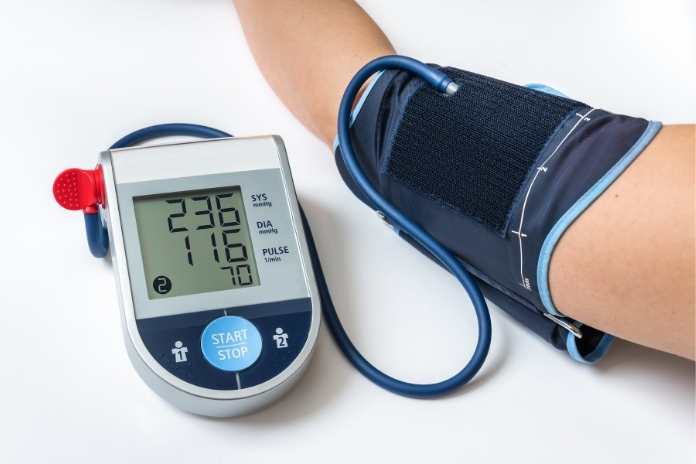
Hypertension, also known as high blood pressure, is one of the most common ailments today. People rely on various medications and lifestyle changes to maintain their hypertension levels. However, despite following a strict low-salt diet, exercising frequently, and taking meds on time, your blood pressure spikes. How? There are a few other triggers that can instantly spike the levels, without you knowing it.
This is too common and happens to many people with hypertension. The reality is that high blood pressure isn’t only about diet and medication; it can be triggered by everyday habits and hidden factors that often go unnoticed.
Knowing these triggers is important because unexpected bursts of blood pressure make you prone to serious complications such as stroke, heart attack, and kidney disease. By understanding and managing these lesser-known risk factors, you can more effectively protect your heart health. Let’s learn about unexpected triggers that can trigger an instant spike in blood pressure.
Read More: 7 Effective Workouts for Lowering High Blood Pressure
1. Stress and Anxiety

Stress is one of the most common and underestimated triggers of high blood pressure. When you’re stressed or anxious, your body releases stress hormones like cortisol and adrenaline. These hormones increase your heart rate and constrict blood vessels, leading to a rapid spike in blood pressure.
Michael Adornetto, MD, an internal medicine specialist at University Hospitals, shares his thoughts on how anxiety can temporarily spike blood pressure. “When anxiety kicks in, your body releases stress hormones like adrenaline, which temporarily raise your heart rate and blood pressure,” says Dr. Adornetto.
You might be surprised to know that even brief stress, like being late in traffic or working under tight deadlines, triggers temporary spikes. Chronic stress over time continues to raise your blood pressure, taxing your cardiovascular system.
Stress-busting tips for the moment:
- Breathe deeply for 5–10 minutes.
- Stretch or walk for a few minutes.
- Practice meditation or mindfulness to soothe your nervous system.
2. Too Much Hidden Salt:

Salt is not only what you add to your food. Packaged foods, bread, sauces, and restaurant foods often contain excessive amounts of sodium. According to a study, too much sodium makes your body retain fluid, making your heart work harder to push more blood around. This increased pressure directly elevates your blood pressure.
Tips to control hidden salt:
- Carefully read nutrition labels.
- Choose low-sodium or no-salt-added items.
- Season food with spices and herbs rather than salt.
3. Insufficient Sleep:
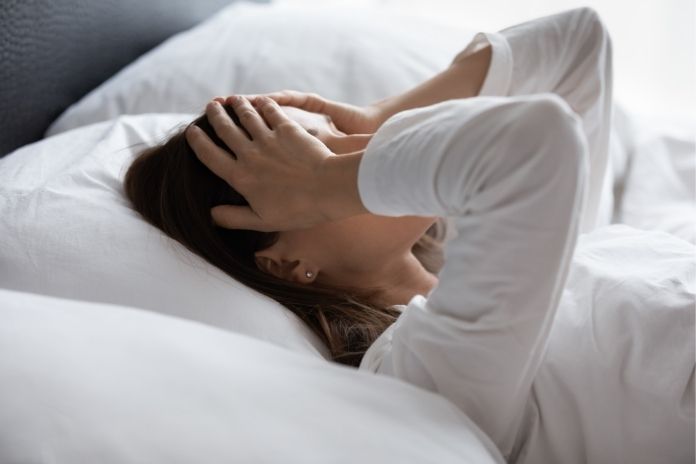
Sleep is not just rest. But sleep is also a key player in blood pressure control. Insufficient sleep or sleep disorders such as insomnia and sleep apnea raise stress hormones, which in turn increase blood pressure. Research has indicated that adults who consistently get less than six hours of sleep per night are at greater risk for developing high blood pressure.
Tips for improving sleep hygiene:
- Stick to a regular sleep routine.
- Restrict screen time before bedtime.
- Ensure you maintain a dark, cool, quiet bedroom.
Consult a doctor if you believe sleep apnea may be a problem.
Read More: How High Blood Pressure and Cholesterol Levels Affect Diabetes Risk
4. Dehydration:
Inadequate water intake also increases blood pressure. When your body is dehydrated, circulating blood volume decreases. To compensate, blood vessels constrict, and the heart pumps more forcefully to maintain sufficient blood flow, leading to a rise in blood pressure.
Symptoms of dehydration-induced BP increase:
- Dizziness or lightheadedness
- Fatigue
- Dry mouth and decreased urine output
How much to drink: Most adults should aim for around 8–10 cups of water per day, although individual requirements vary depending on activity level and climate.
5. Caffeine Overload:

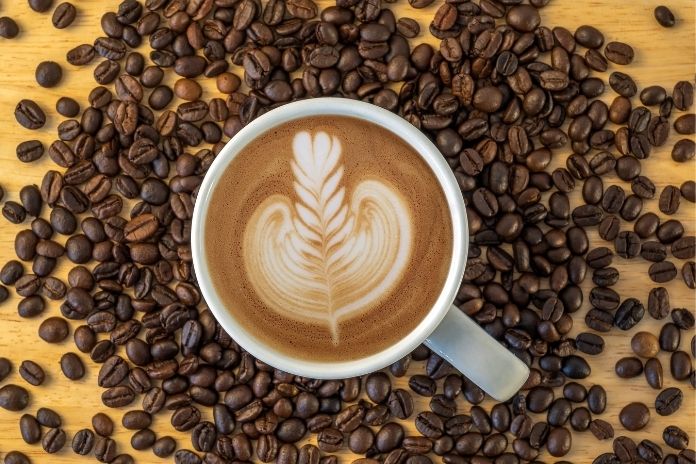
A morning cup of coffee might wake you up, but excessive caffeine temporarily increases blood pressure. Caffeine stimulates the nervous system and constricts blood vessels, resulting in a rapid surge in blood pressure. Energy drinks and pre-workout products are especially known for their high caffeine levels.
Who is more sensitive?
People who don’t drink caffeine regularly or those with hypertension can most likely have spikes.
Caffeine smart habits:
- Limit your coffee consumption to 2–3 cups per day.
- Do not consume caffeine in the evening.
- Read labels on energy drinks and supplements.
6. Certain Medications:
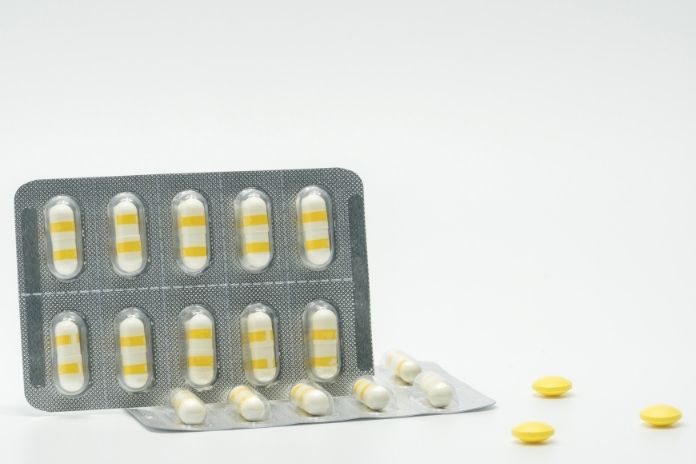
A number of widely prescribed medicines are known to increase blood pressure. Decongestants (such as pseudoephedrine), nonsteroidal anti-inflammatory drugs (NSAIDs), birth control pills, and steroids are known to influence the constriction of blood vessels and fluid levels, which result in high readings.
Tip: Never stop or pause prescribed medication on your own. If you believe a drug is spiking your blood pressure, discuss alternatives with your physician and plan accordingly.
7. Drinking Alcohol:

Moderate drinking is not always problematic, but binge or regular heavy drinking may raise blood pressure in an instant. Consuming alcohol for long-term destroys blood vessels and is a cause of chronic hypertension.
Tips:
- Limit alcohol to no more than a daily drink or two for women and men, respectively.
- Opt for alcohol-free days during the week.
8. Sedentary Lifestyle:

Sitting for hours, either at the office desk or in front of a TV, might seem normal to most of us. However, it is a major cause of stiffening of the arteries and damage to circulation. This immobility makes it more difficult for your body to control blood pressure effectively.
Quick Tips:
- Stand up and stretch every 30–60 minutes.
- Take breaks for light walking.
- Work at a standing desk when available.
9. Cold Weather Exposure:

Cold weather makes blood vessels narrow, increasing blood pressure. That is why we see higher readings in the winter season. This is especially common with those already diagnosed with hypertension.
Precautions:
- Wear warm clothing in layers.
- Wear gloves, headgear, and foot coverings to avoid heat loss
- Warm up at home before going outside when it is cold.
10. Underlying Medical Conditions:

At other times, a sudden spike in blood pressure isn’t lifestyle-related. If the other factors are ruled out, high blood pressure indicates an underlying health condition. These include kidney disease, thyroid disease, and sleep apnea. All of which are common secondary causes of high blood pressure. If your blood pressure spikes continue even with good habits, it’s time to look deeper.
When to check further:
- Repeatedly high readings with or without changes in habits
- Spontaneous spikes accompanied by symptoms such as fatigue, palpitations, or unwarranted weight gain
Read More: 17 Ways to Lower Your Blood Pressure Naturally
When to See a Doctor
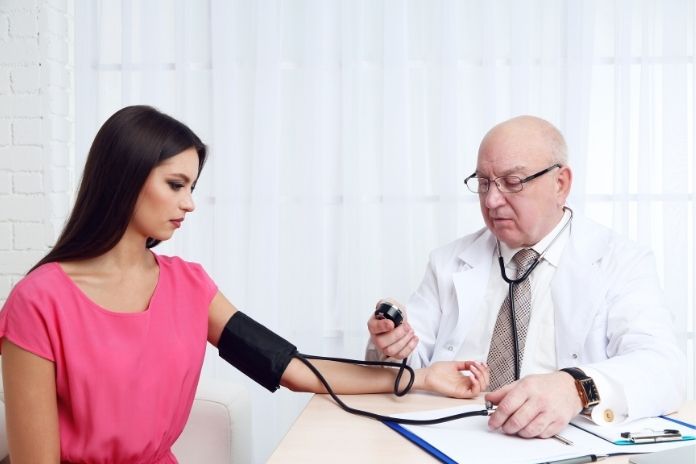
While some differences are to be expected from time to time, some symptoms warrant a medical emergency. Get immediate care if you have:
- Severe headache
- Chest pain or inability to breathe
- Blurred vision
- Confusion or speech difficulty
Regularly monitoring at home may enable you to identify trends and provide valuable information to your healthcare provider. Monitor your blood pressure using a consistent device and measure it at the same time every day.
Final Thoughts
High blood pressure isn’t solely controlled by diet or medication. It is the usual common daily triggers that spike it. It’s frequently the product of unsuspecting, day-to-day triggers. Dehydration, excessive salt intake, poor sleep, caffeine, certain medications, and even cold temperatures can trigger sudden surges.
By keeping these factors in mind, making slight lifestyle changes, and regularly monitoring your blood pressure, you can more effectively safeguard your cardiovascular system.
If you experience sharp spikes despite lifestyle changes, consult your doctor. Early intervention will prevent risky complications and maintain your heart health in the years to come.
References
- https://www.nhs.uk/conditions/high-blood-pressure/
- https://www.narayanahealth.org/blog/understanding-how-cold-weather-raises-blood-pressure-and-ways-to-manage-it
- https://www.heart.org/en/news/2023/03/28/irregular-sleep-schedule-linked-to-high-blood-pressure
- https://www.goodrx.com/drugs/side-effects/medications-that-can-raise-your-blood-pressure
- https://pmc.ncbi.nlm.nih.gov/articles/PMC6770596/